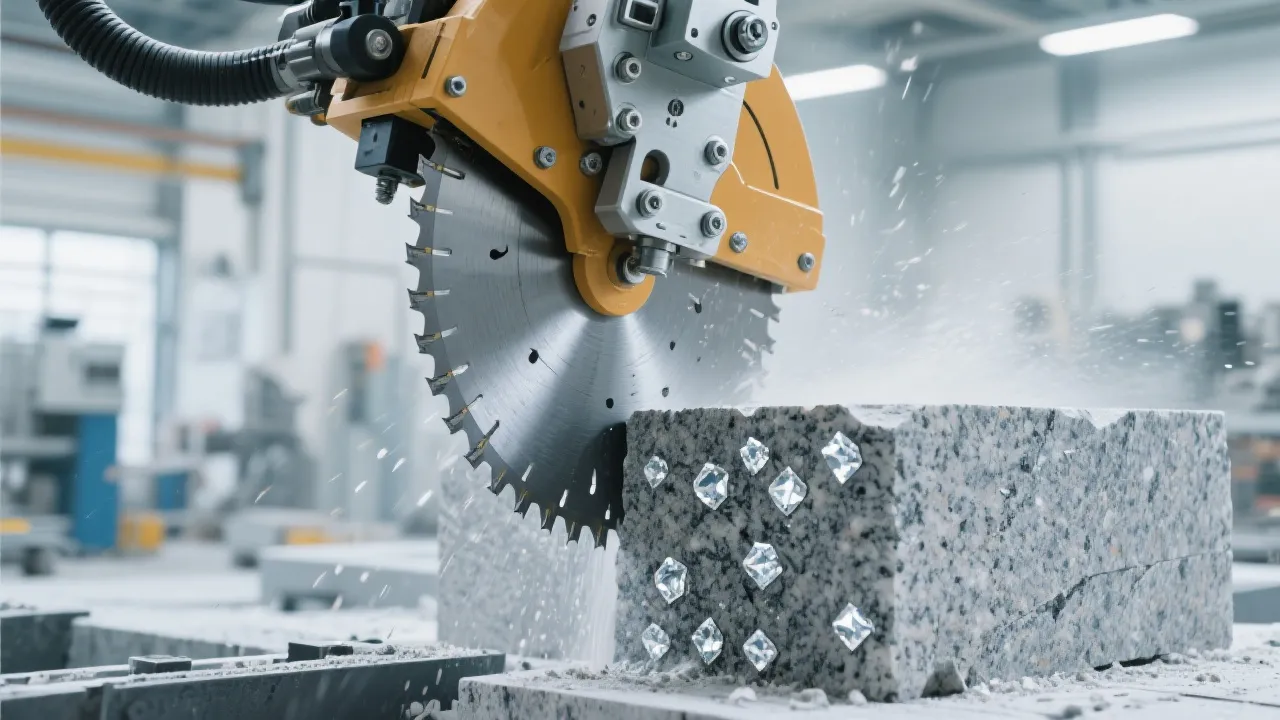
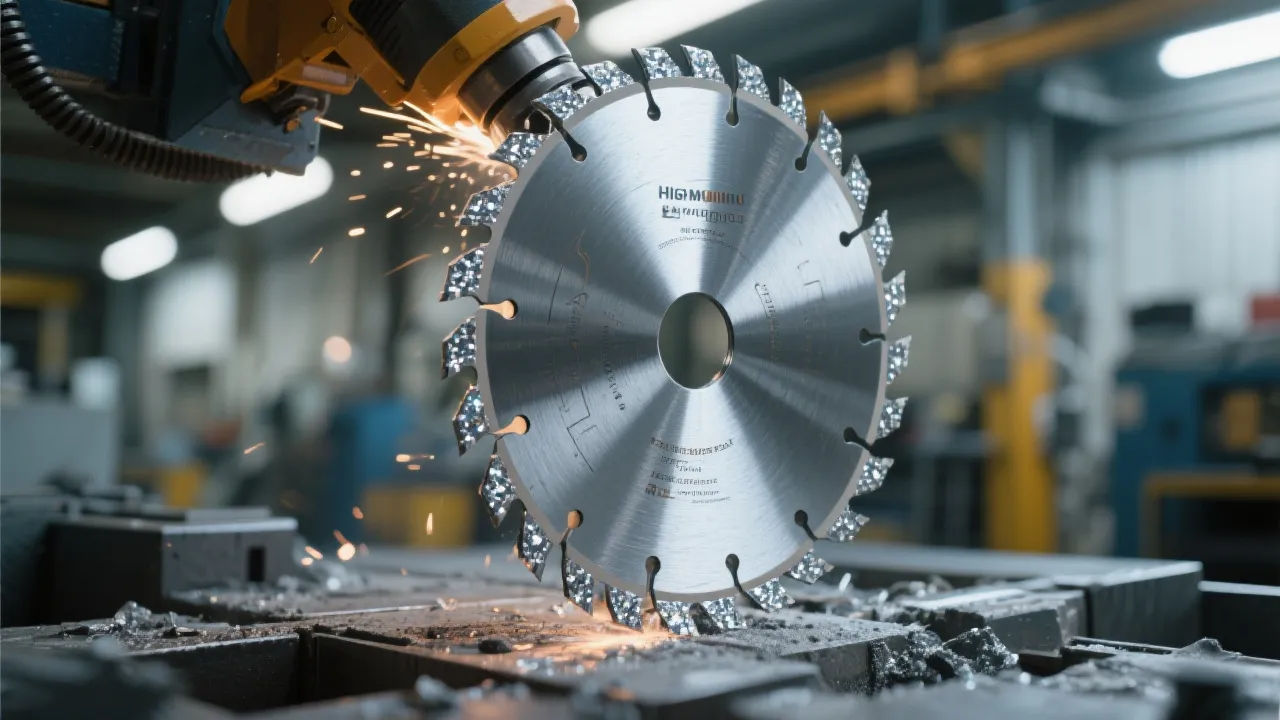
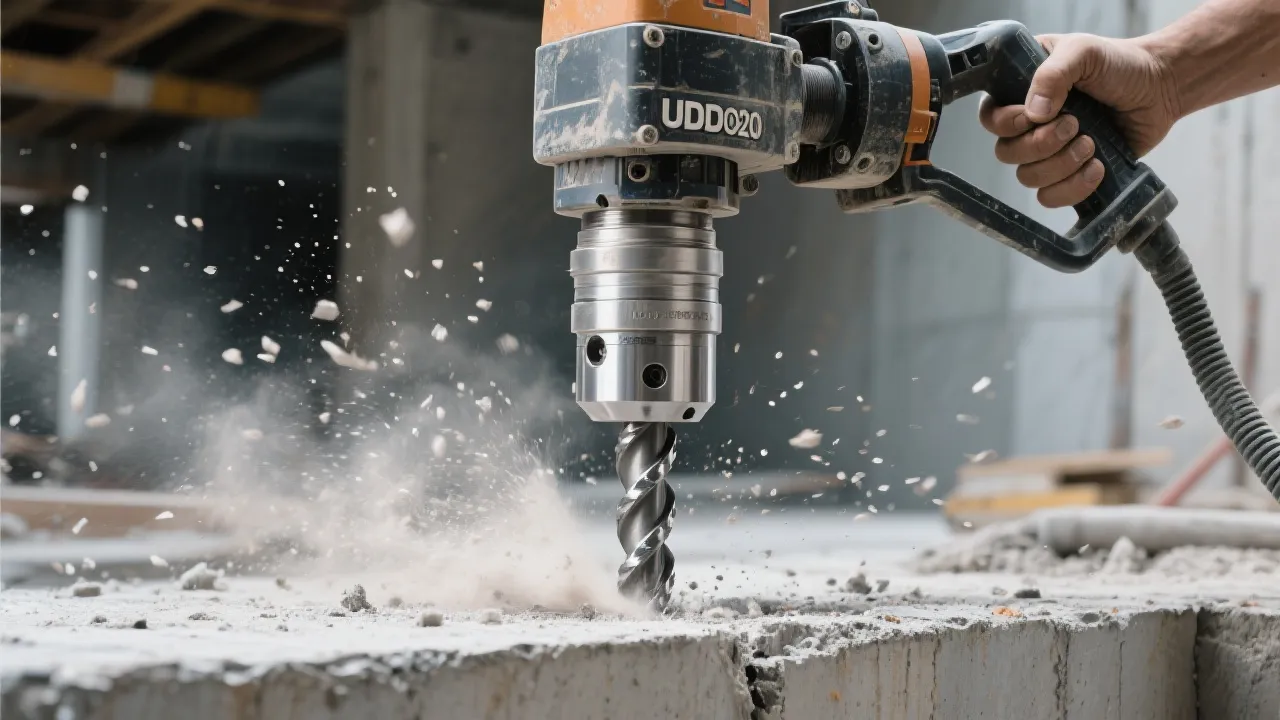
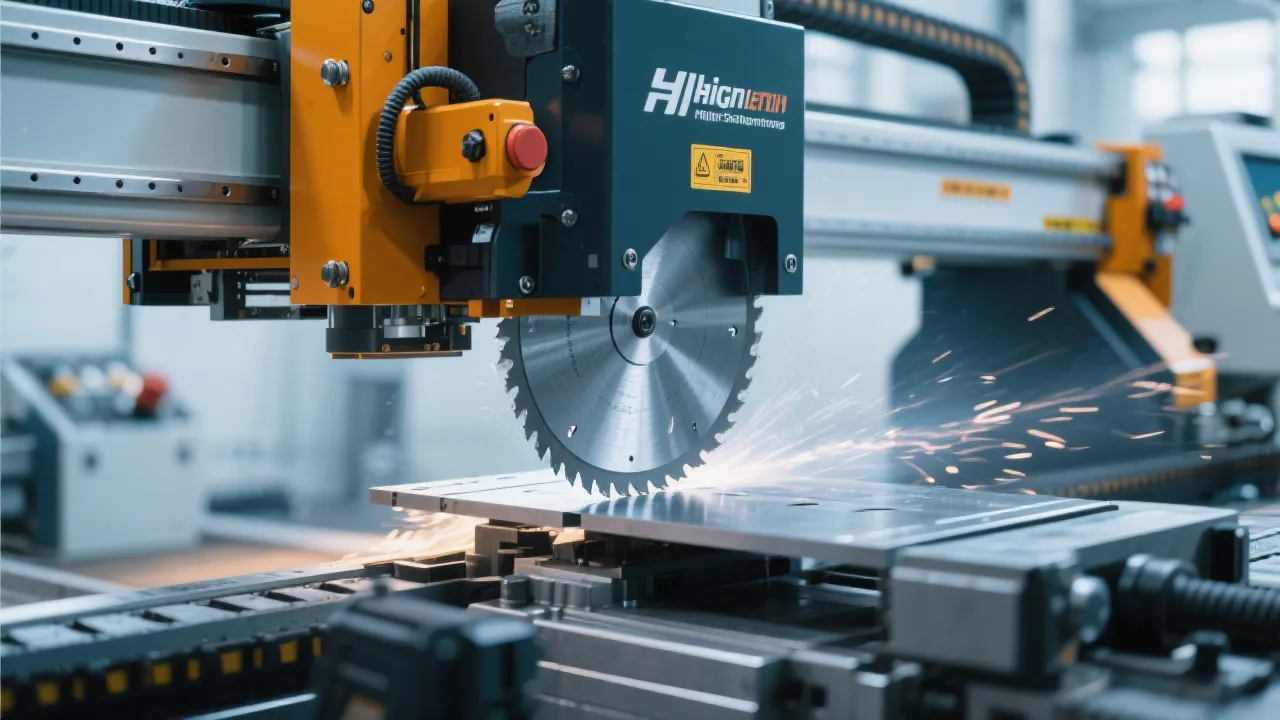
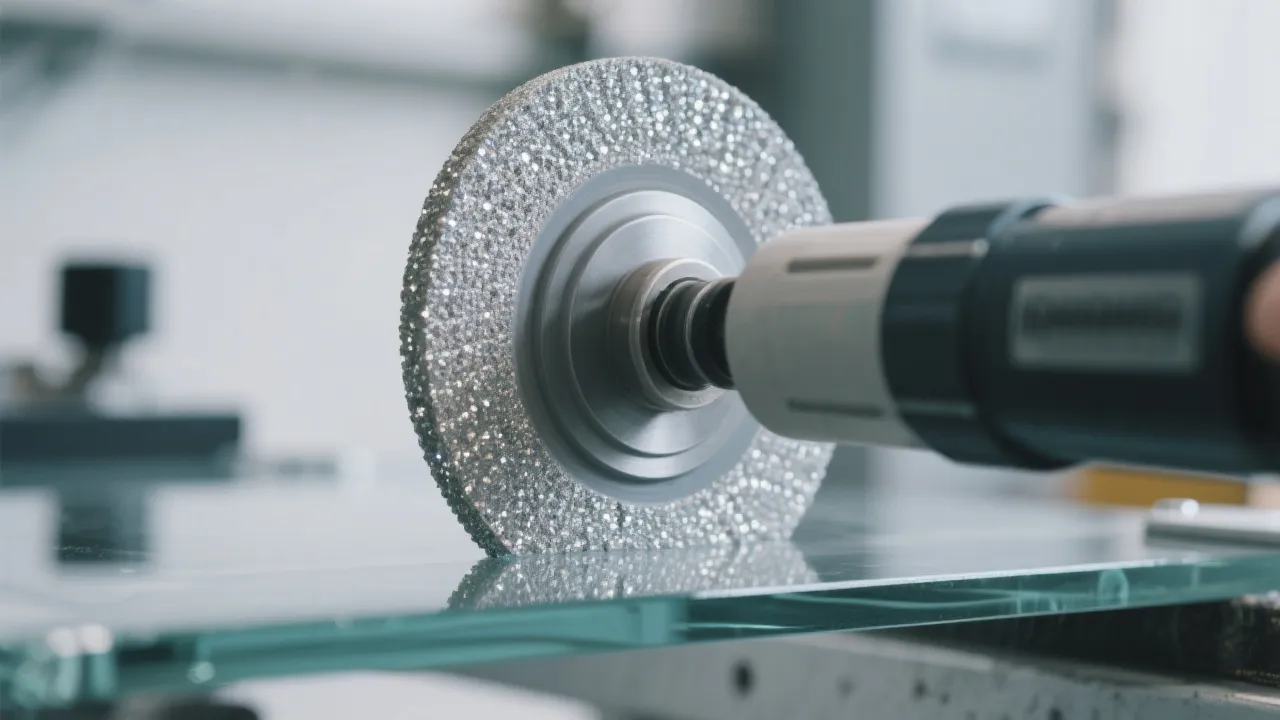
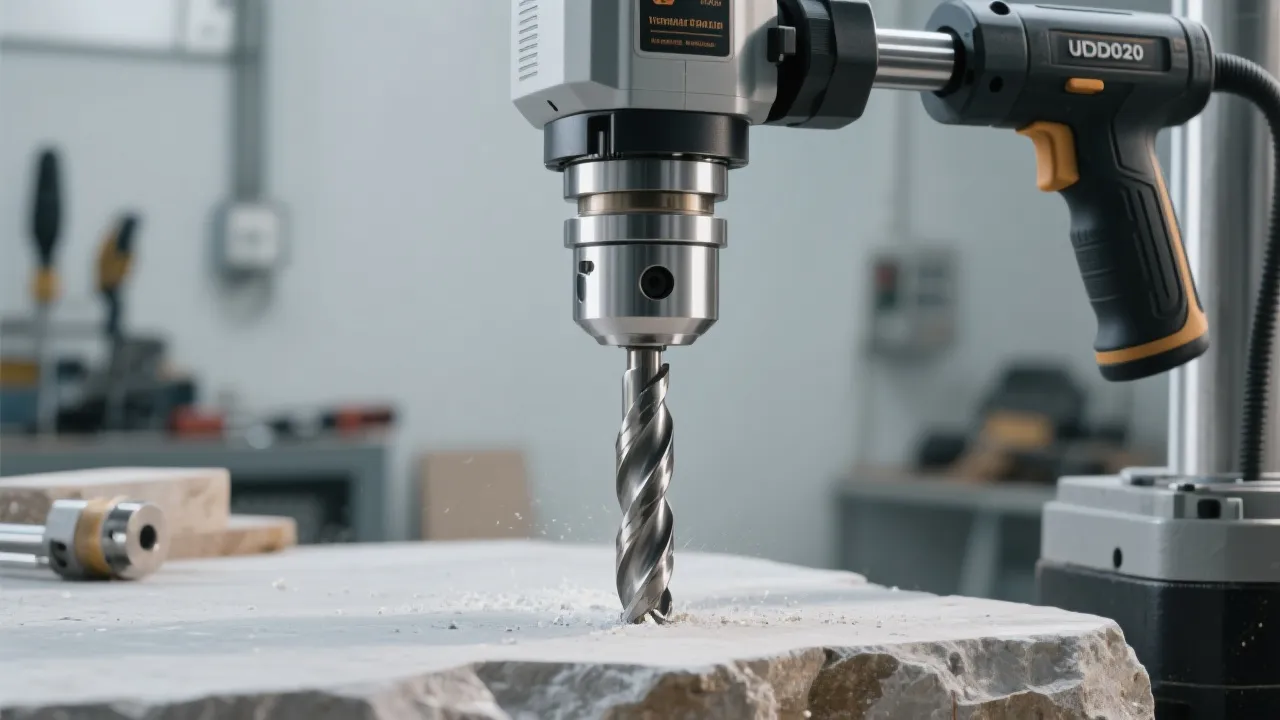
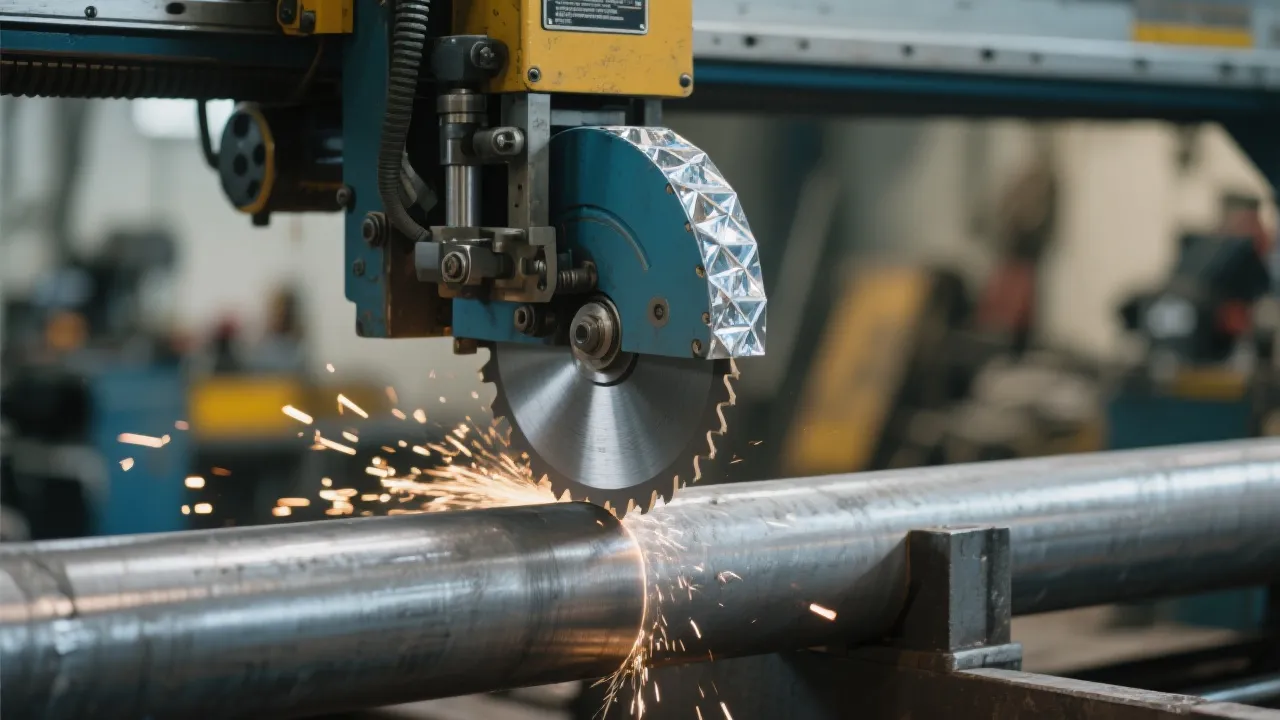
In industrial machining, the “best” tool is rarely the cheapest per piece—it is the one that keeps productivity stable, holds accuracy over time, and reduces unplanned stops. That is why more manufacturers are moving from conventional tooling to ultrahard material tools, especially in metalworking and stone processing.
As an industrial B2B supplier, UHD Ultrahard Tools Co., Ltd (UHD) develops and manufactures ultrahard tooling solutions—including diamond tools and brazed diamond abrasives—aimed at practical shop-floor goals: higher efficiency, repeatable accuracy, longer wear life, and better cost control when total operating impact is considered.
Ultrahard material tools typically refer to cutting or grinding tools built with ultra-wear-resistant materials (commonly diamond-based systems for applicable workpieces and processes). In production terms, their value shows up in four evaluation dimensions:
Practical note: tool selection should match the workpiece material and process window. Ultrahard tools are most beneficial when durability and stable precision are critical to productivity and quality.
In many industrial lines, tool changes and process drift are major drivers of lost time. Longer-lasting ultrahard tools can reduce changeovers and keep cycles more consistent, supporting smoother scheduling and steadier output.
As wear accumulates, conventional tooling can lose its edge condition and geometry, affecting tolerance and surface finish. Ultrahard tools are chosen to help maintain stable cutting or grinding behavior over longer production runs.
In applications where abrasiveness is high or where edge stability is difficult to maintain, ultrahard materials provide strong resistance to wear mechanisms—helping extend usable life before performance drops below process requirements.
Total cost is shaped by more than tool price: replacement frequency, machine idle time, scrap/rework risk, and consistency all matter. Ultrahard tools are increasingly selected to reduce those indirect costs and stabilize operations.
Selection should be based on workpiece type, machine capability, and the target balance between efficiency, accuracy, and wear life.
To choose ultrahard material tools rationally, align evaluation with real production constraints. Below is a practical checklist used in industrial purchasing and process engineering:
If your process is sensitive to wear-induced drift or frequent tool replacement, ultrahard material tools are often evaluated not as a “premium purchase,” but as an operational stability measure.
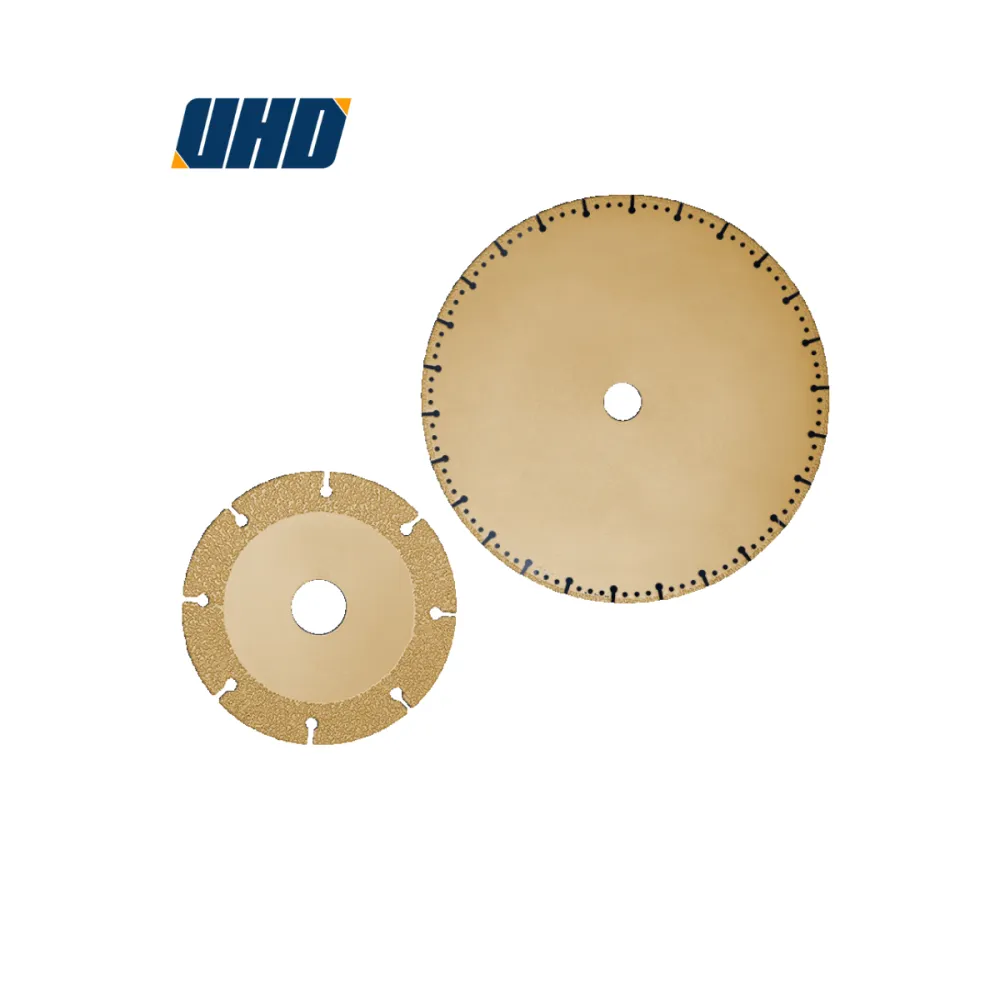
UHD Ultrahard Tools Co., Ltd is a high-tech enterprise focused on R&D, production, and sales of ultrahard material tools for industrial markets. Our offerings cover diamond tools, abrasives, and custom brazed diamond abrasives, supporting processing requirements in metal and stone applications.
UHD works with academic partners such as Henan University of Technology to support ongoing development of ultrahard tooling—aiming for practical improvements in durability and process suitability.
With an established B2B export service workflow, UHD supports industrial buyers through mainstream trade channels, focusing on clear specifications, stable supply expectations, and responsive technical communication.
This process-first approach supports UHD’s positioning: Quality builds the brand, and solutions are matched to real industrial requirements.
If you are evaluating whether ultrahard material tools fit your production goals—improving machining efficiency, maintaining machining accuracy, and extending tool life while controlling total cost—UHD Ultrahard Tools Co., Ltd can support your assessment with industrial-oriented tool options and technical alignment based on your process conditions.
.png?x-oss-process=image/resize,h_1000,m_lfit/format,webp)

.png?x-oss-process=image/resize,h_1000,m_lfit/format,webp)