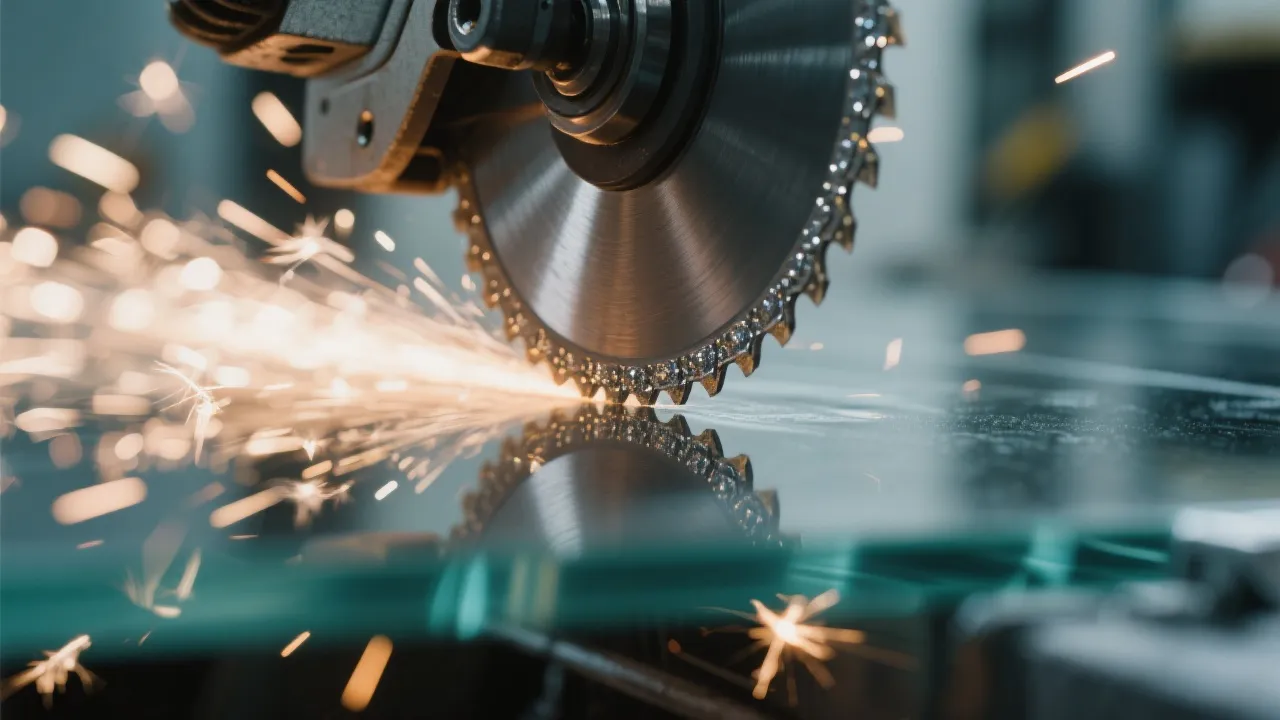
Why High-Performance Ultrahard Tools Can’t Be Judged by Hardness Alone
25 06,2026
UHD Ultrahard Tools Co., Ltd
UHD Ultrahard Tools Co., Ltd explains common selection misconceptions in ultrahard material tools: why hardness alone is not a reliable indicator of high performance, and how wear resistance, cutting efficiency, process fit, and application scenarios should be evaluated together.

In industrial purchasing and process engineering, the phrase “high performance” is often reduced to one number: hardness. For ultrahard material tools, that shortcut can lead to unstable results, unexpected wear, and poor process fit—especially across different workpieces and cutting conditions.
At UHD Ultrahard Tools Co., Ltd (UHD), we support B2B buyers and engineers with a performance-oriented approach to ultrahard tooling selection—considering wear resistance, cutting efficiency, process compatibility, and real application scenarios together.
Hardness: Important, but Not the Whole Performance Story
Hardness describes a material’s resistance to indentation or deformation. For ultrahard material tools (including diamond tooling and carbide-based solutions), hardness is relevant—but it does not automatically predict how a tool will behave in production.
Why hardness alone can mislead
- A tool can be very hard yet chip or fracture if toughness is insufficient for impact or interrupted cuts.
- Hardness does not fully represent wear mechanisms (abrasion, adhesion, thermal wear) in real machining.
- Hardness cannot capture process fit: spindle speed, feed, coolant, fixture rigidity, and operator targets.
What “high performance” should include
- Wear resistance under the specific workpiece and abrasion profile.
- Cutting efficiency (material removal behavior, edge stability, heat control).
- Process compatibility with actual machine capability and production goals.
- Application stability across the real scenario (batch variation, operator differences, environment).
Key Selection Misconceptions (and Better Evaluation Questions)
| Common misconception |
What it misses |
Better evaluation question |
| “Higher hardness = higher performance.” |
Toughness, edge integrity, thermal stability, and wear mode. |
What is the dominant wear/failure mode in my process, and which properties control it? |
| “One tool grade fits all workpieces.” |
Material differences (composition, hardness range, inclusions, porosity). |
Is my workpiece stable in batch quality, and what variability must the tool tolerate? |
| “Performance is only the tool material.” |
Geometry, brazing/bond quality, grit/structure choice, and machine/process constraints. |
Is the tool’s geometry and construction matched to my machine power, rigidity, and coolant method? |
| “If it wears slowly, it’s efficient.” |
A tool can be wear-resistant but cut slowly, generate heat, or load up. |
Does the tool maintain stable cutting efficiency over time (chip evacuation, heat, loading)? |
A Practical Evaluation Framework for Ultrahard Tool Performance
For decision-making that holds up on the shop floor, evaluate tools with a consistent framework. This helps align purchasing, engineering, and production expectations—especially in B2B environments where cost, lead time, and stability all matter.
1) Wear resistance (in your wear mode)
Focus on the dominant wear mechanism in your process (abrasive wear, thermal wear, loading). Confirm the tool’s resistance under the actual workpiece condition and surface characteristics.
2) Cutting efficiency (not just durability)
Assess whether the tool maintains stable material removal, heat control, and edge condition across the intended parameters—so efficiency doesn’t drop after initial use.
3) Process fit (machine + method)
Match tooling to machine power, rigidity, spindle speed range, feed strategy, coolant method, and fixture stability. Good tools fail when the process window is mismatched.
4) Application scenario (real-world stability)
Consider batch variation, operator differences, and the true cost of downtime. A “high-performance” tool is one that performs reliably under your real production conditions.
Selection principle: hardness is a useful indicator, but high performance is the outcome of wear resistance + cutting efficiency + process fit + scenario stability.
Where UHD Fits: Performance-Oriented Tooling Support for B2B Buyers
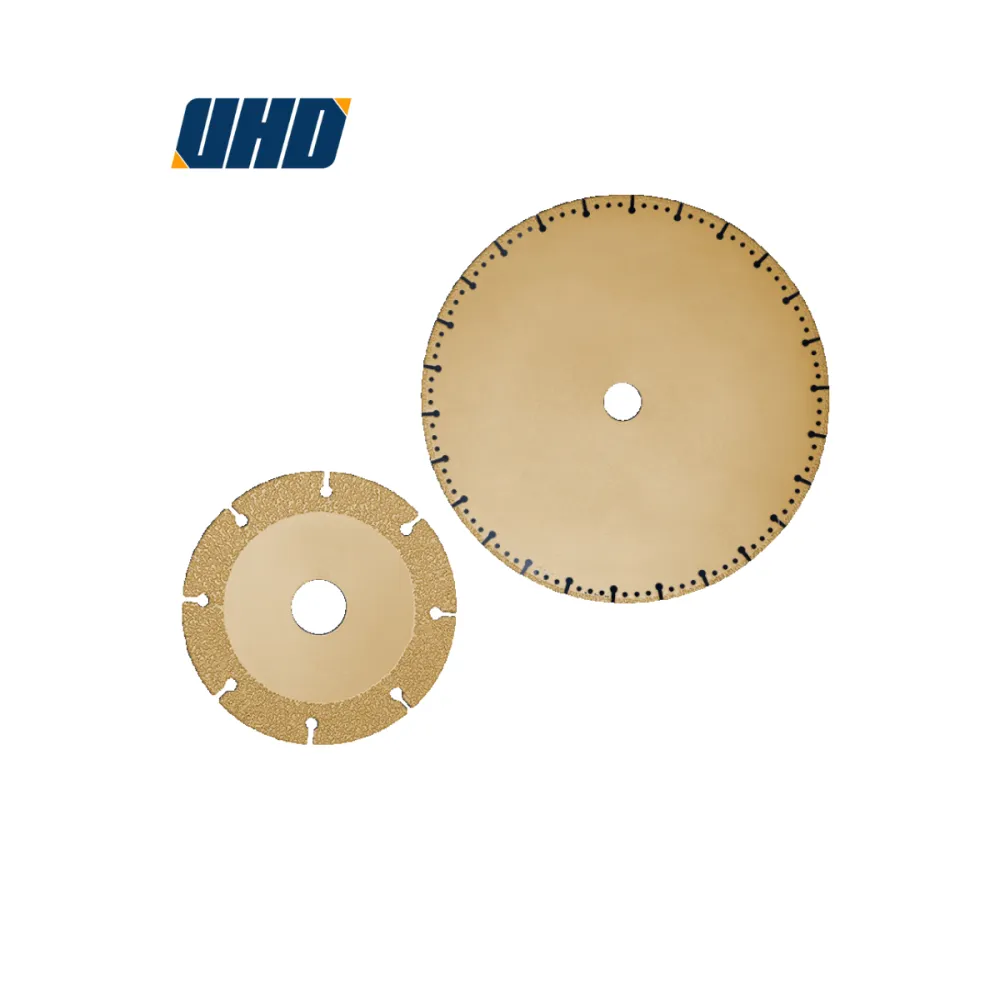
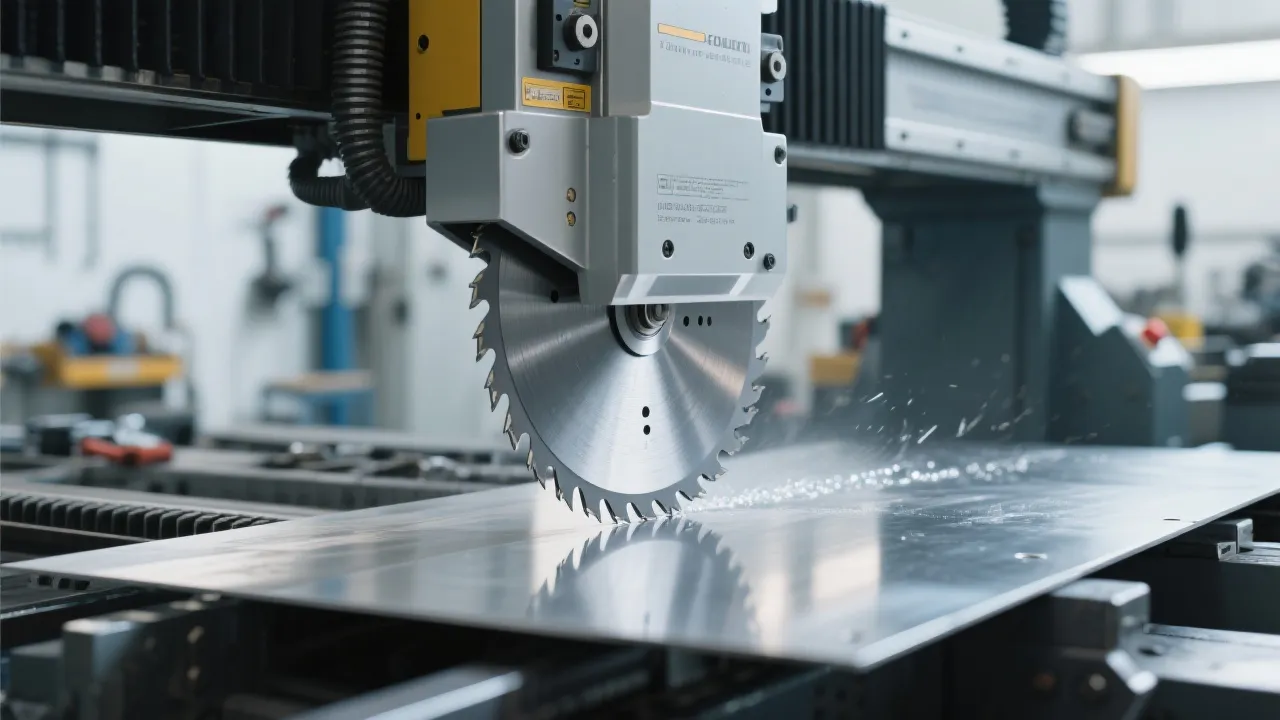
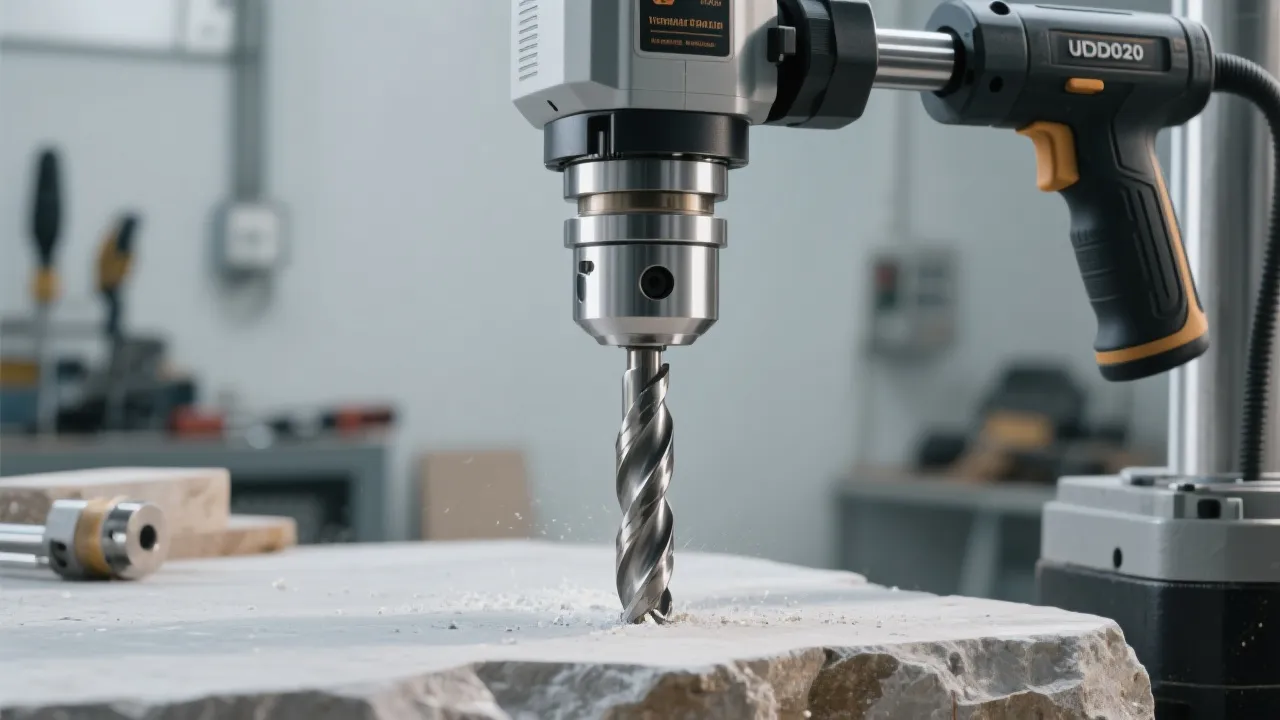
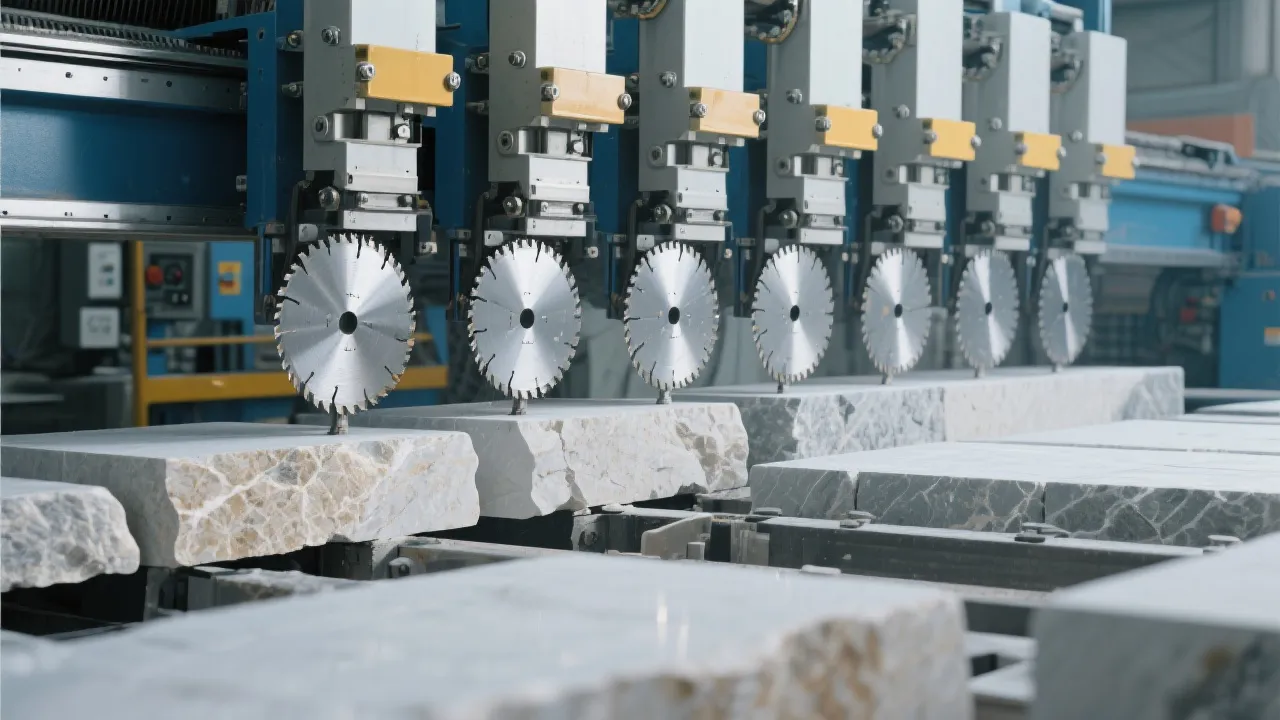
UHD is a high-tech enterprise focused on the R&D, production, and sales of ultrahard material tools. Our product coverage includes diamond tools, abrasives, and custom brazed diamond abrasives, serving industrial applications such as metal processing and stone processing. We collaborate with research partners including Henan University of Technology to strengthen development capability and application understanding.
What we can align on
- Your workpiece and target operation (metal/stone processing context).
- Your process window (speed/feed/coolant/rigidity) and stability requirements.
- Performance criteria beyond hardness: wear resistance, cutting efficiency, and compatibility.
How we work in international B2B trade
- Structured communication for specification confirmation and scenario matching.
- Consistent quality and documentation practices suitable for cross-market needs.
- Responsive coordination through established foreign trade workflows and platforms.
Quality builds the brand. UHD’s tooling recommendations emphasize measurable performance factors and process fit—helping buyers and engineers avoid “hardness-only” selection and move toward stable, scenario-based results.
What to Prepare Before Requesting a Tool Recommendation
To evaluate high-performance ultrahard tools correctly, provide a clear picture of the application. This short checklist improves accuracy and reduces selection cycles.
- Workpiece: material type and condition (including surface characteristics if relevant).
- Operation: cutting/grinding/polishing, dry or wet, continuous or interrupted.
- Machine constraints: spindle speed range, power, rigidity, fixture stability.
- Targets: priority order (life, efficiency, surface finish, dimensional stability).
- Current issue: wear pattern, chipping, loading, heat marks, or inconsistency.
Make “High Performance” a Defined Standard—Not a Guess
When ultrahard material tools are selected by hardness alone, performance expectations can drift from real production outcomes. Using a structured evaluation of wear resistance, cutting efficiency, process fit, and application scenarios creates clearer decisions and more stable results—especially for industrial buyers and engineers managing metal or stone processing operations.

.png?x-oss-process=image/resize,h_1000,m_lfit/format,webp)

.png?x-oss-process=image/resize,h_1000,m_lfit/format,webp)