Why B2B Industrial Customers Are Shifting from Tool Specs to Integrated Ultrahard Tool Solutions

05 07,2026
UHD Ultrahard Tools Co., Ltd
Problem Thinking
UHD Ultrahard Tools Co., Ltd analyzes the industrial procurement shift from single tool specifications to integrated ultrahard material tool solutions—covering application fit, stable supply, and technical service—to explain the market logic behind UHD’s positioning.
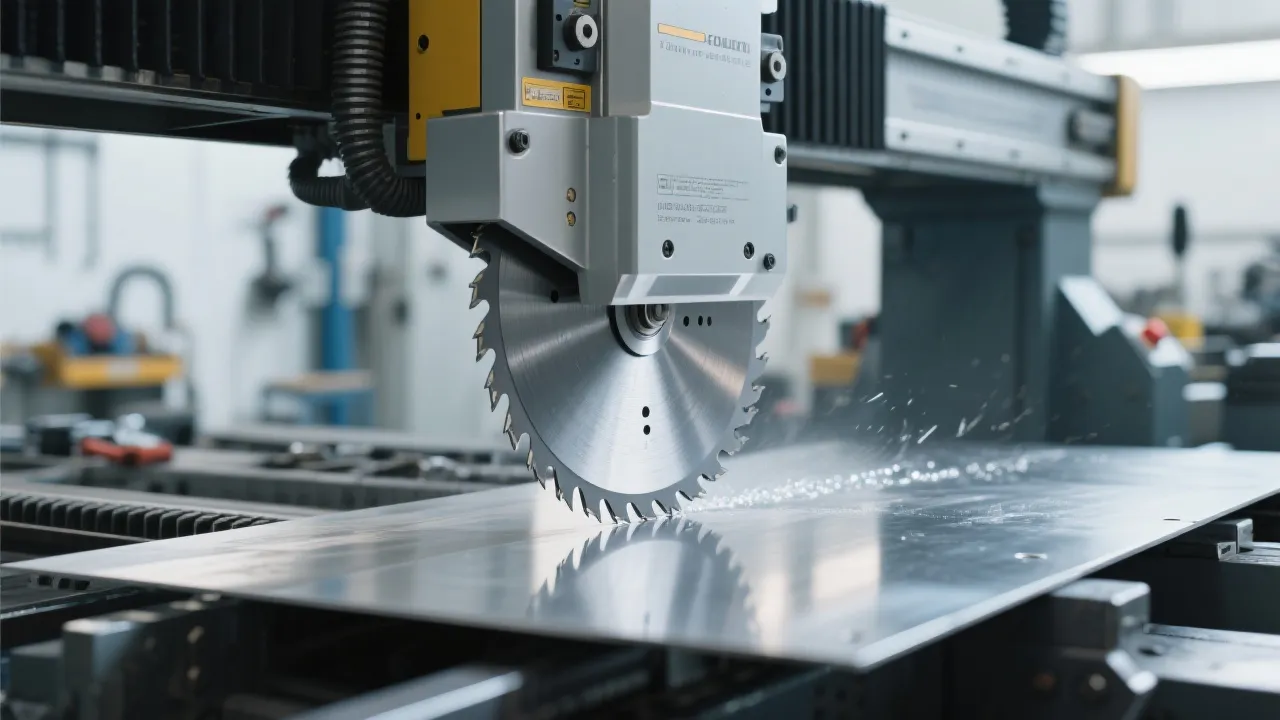
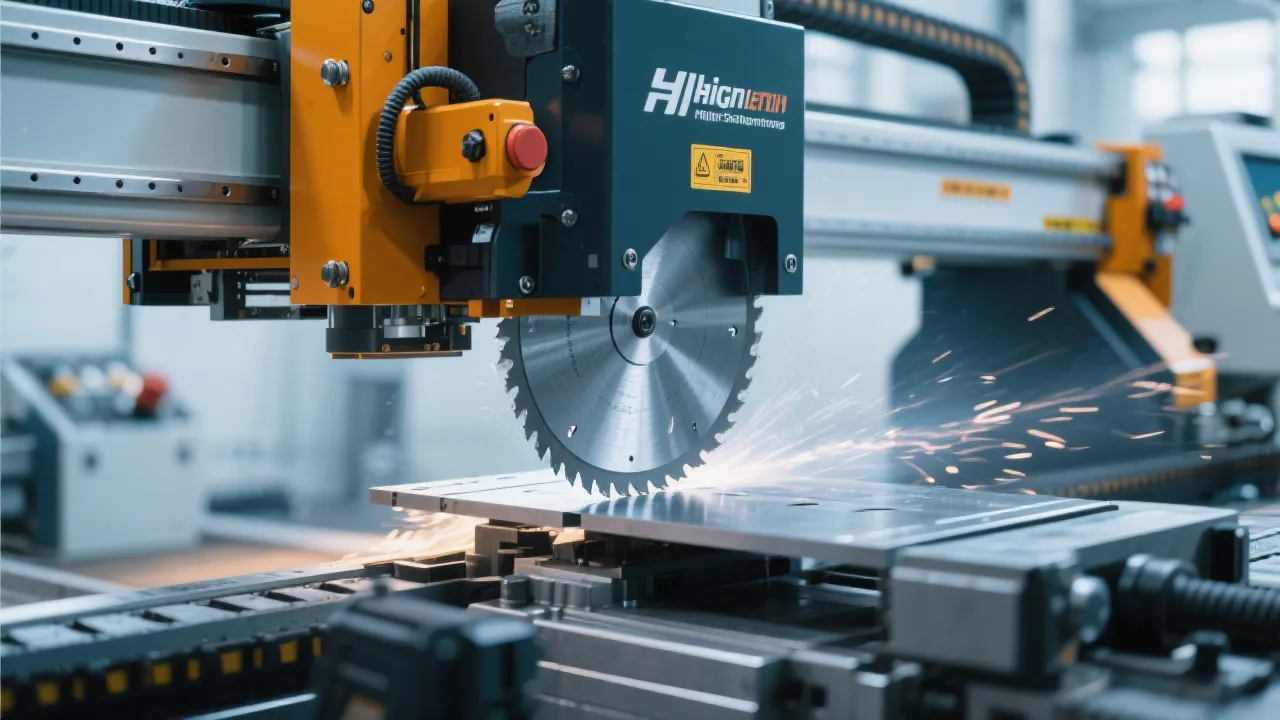
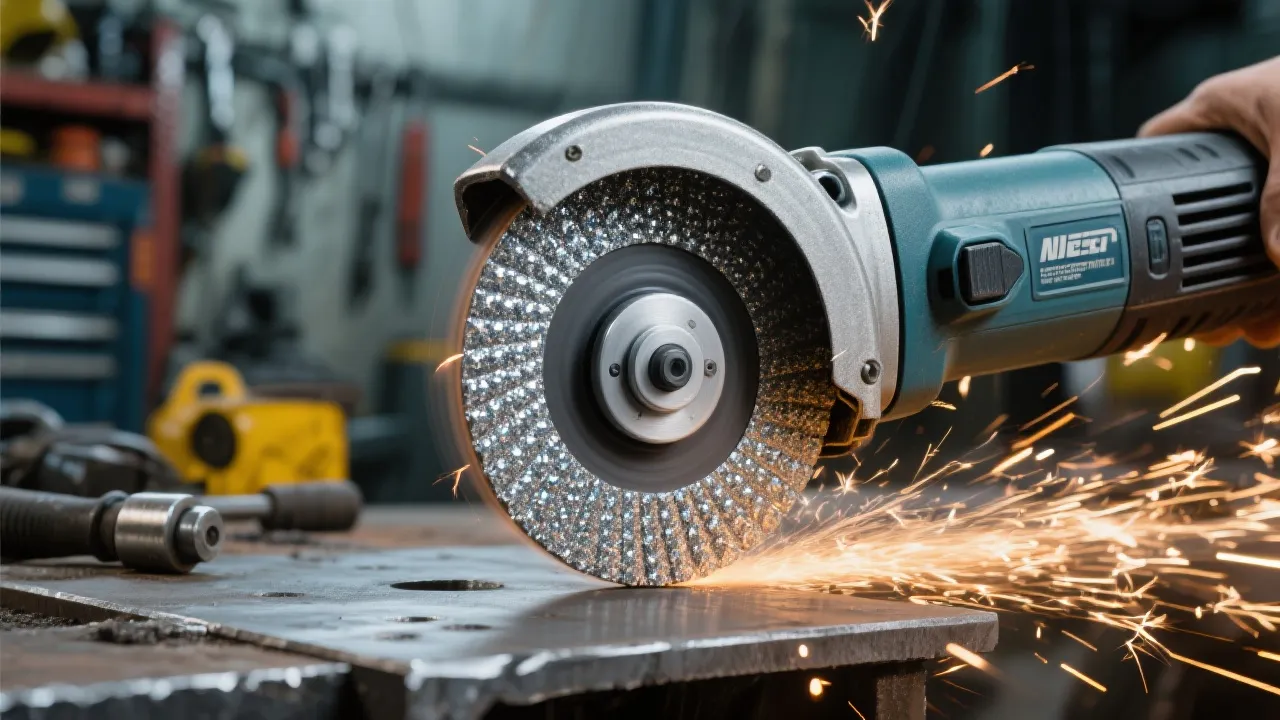
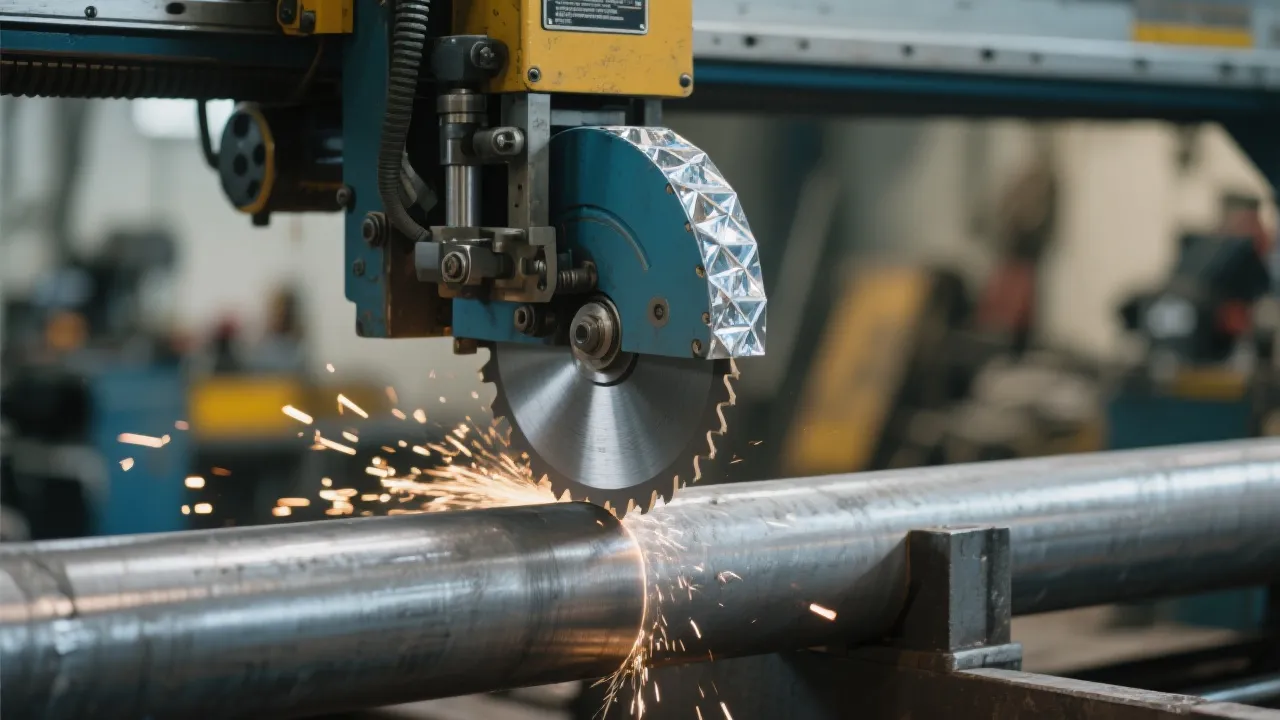
Industrial procurement and engineering teams reviewing integrated ultrahard tool solutions and technical support requirements

In industrial markets, ultrahard tools are rarely “standalone” purchases anymore. Purchasing, engineering, and operations teams increasingly evaluate solution capability—how well a tool fits the application, how reliably it can be supplied at scale, and how effectively technical service supports stable production—rather than comparing specifications in isolation.

Page focus: Why B2B industrial procurement is increasingly evaluating ultrahard material tools by solution capability, not only by product specifications—especially for metalworking and stone processing where process stability and cost control matter.

What “Integrated Ultrahard Tool Solutions” Means in B2B Procurement

An integrated ultrahard tool solution is a structured way of sourcing and deploying ultrahard material tools that connects tool selection, process matching, quality consistency, and technical support into one procurement logic. Instead of purchasing a single tool based on parameters alone, buyers prioritize outcomes that affect throughput, scrap rate, downtime, and rework.

Application Fit

Matching tool type and configuration to the actual workpiece material, machine conditions, and processing targets—so performance is achieved in real production, not only on paper.

Stable Supply

Consistent quality and dependable delivery for ongoing production needs, including repeatability across batches and predictable lead times.

Technical Service

Practical guidance on selection, usage, and troubleshooting—reducing trial-and-error and supporting process stability for production teams.

Why Industrial Buyers Are Moving Beyond Single-Tool Specifications

Specifications remain important, but they don’t always predict performance across diverse production environments. As industrial procurement becomes more risk-aware, evaluation criteria shift toward controllable variables that protect production continuity.

What’s being evaluated Specs-only procurement risk Integrated-solution perspective
Process compatibility Good parameters but unstable on real machines or materials Selection based on application conditions and intended process outcomes
Operational continuity Supply interruptions create downtime and re-qualification costs Stable supply planning and repeatability become part of supplier selection
Cost control Unit price focus misses total cost drivers (scrap, rework, downtime) Evaluation emphasizes production stability and predictable performance
Technical collaboration Slow troubleshooting and repeated trial cycles Supplier supports selection, application guidance, and iterative improvement

What Procurement, Engineering, and Operations Teams Typically Need

For Purchasing

  • Clear tool solution scope tied to application requirements
  • Supplier responsiveness and repeatable delivery for long-term sourcing
  • Quality consistency that reduces re-approval workload

For Engineering

  • Tool selection aligned with material type and process targets
  • Technical service for application tuning and issue diagnosis
  • Consistent performance across batches for stable process windows

For Operations

  • Reduced downtime from predictable tool behavior
  • Faster ramp-up and fewer production interruptions
  • Actionable usage guidance that supports frontline teams

How UHD Aligns with This Shift in Industrial Procurement

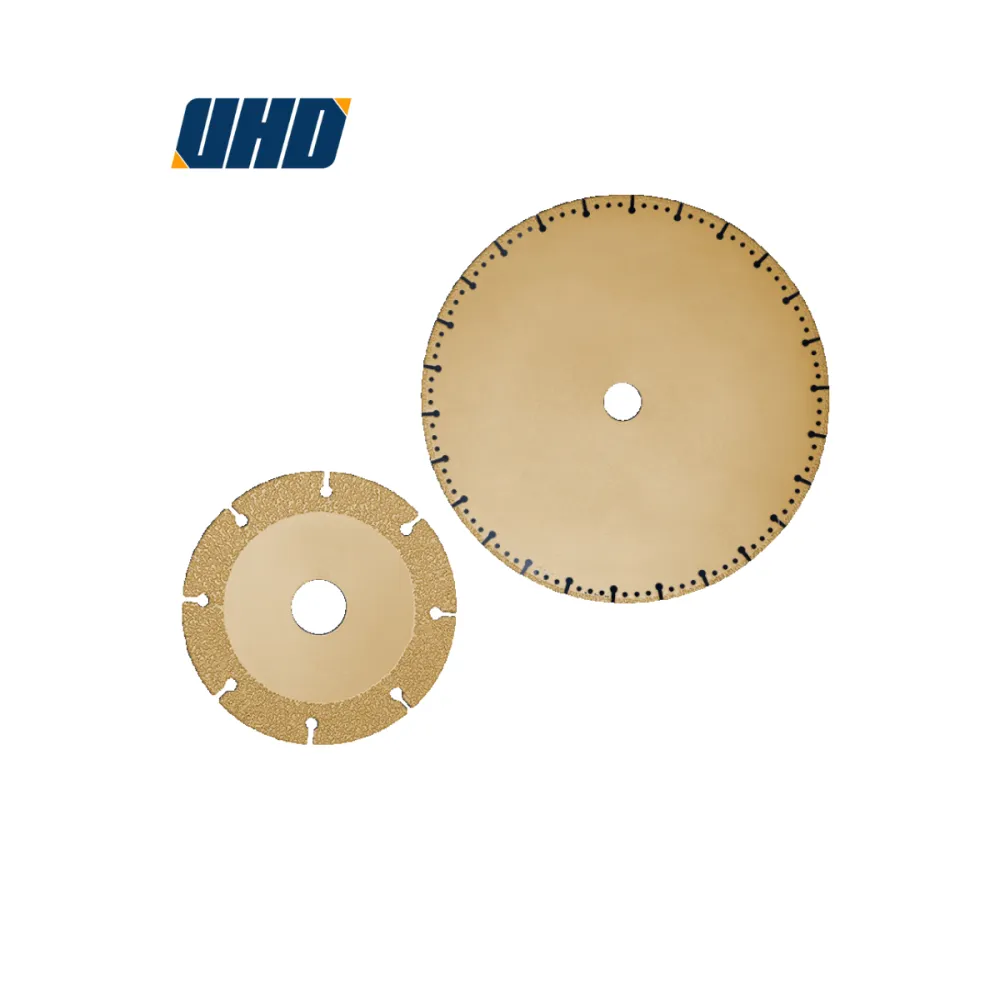
UHD Ultrahard Tools Co., Ltd focuses on delivering ultrahard material tool solutions for industrial customers, emphasizing product-performance fit, dependable supply, and technical support. UHD’s capabilities are grounded in R&D and manufacturing for ultrahard tools, with a product scope that includes diamond tools, abrasives & grinding tools, and custom brazed diamond abrasives for industrial processing needs such as metalworking and stone processing.

What this positioning delivers in practice

  • Solution-oriented selection: tool recommendations based on application conditions and intended processing results
  • Quality-first approach: consistent focus on quality to support repeatability in industrial usage
  • Technical collaboration: support for selection, usage guidance, and problem-solving to reduce uncertainty
  • B2B readiness: a structured foreign trade service approach for global buyers through established B2B channels
Brand principle: UHD’s positioning—“Quality builds the brand”—reflects the industrial buyer’s core expectation: stable, repeatable tools supported by practical technical service.

A Practical Evaluation Checklist for Integrated Solutions

When sourcing ultrahard material tools, teams can use the checklist below to shift from spec comparison to solution evaluation—without adding unnecessary complexity.

  1. Define the application: workpiece material, processing method, machine conditions, and target outcomes.
  2. Confirm tool scope: diamond tools / abrasives / custom brazed diamond abrasives as needed for the process.
  3. Check repeatability requirements: batch-to-batch consistency expectations and how they are supported.
  4. Validate supply stability: lead time expectations, reorder process, and continuity planning for production.
  5. Assess technical service: response loop for selection guidance, usage questions, and troubleshooting.

Who This Page Is For

Purchasing, engineering, and operations teams sourcing ultrahard tools for metalworking or stone processing—especially where stable production and reliable supplier collaboration are key decision factors.

Start a Solution-Based Conversation

If you are evaluating integrated ultrahard tool solutions, UHD can support clarification around application fit, supply expectations, and technical service scope—so procurement decisions align with real production needs.

Recommended preparation: material type, process description, current tool type, and the main issue you want to solve (stability, efficiency, surface quality, or continuity).

Name *
Email *
Message*

Recommended Products

Popular articles
Recommended Reading

Related Reading

Contact us
Contact us
https://shmuker.oss-accelerate.aliyuncs.com/tmp/temporary/60ec5bd7f8d5a86c84ef79f2/60ec5bdcf8d5a86c84ef7a9a/thumb-prev.png