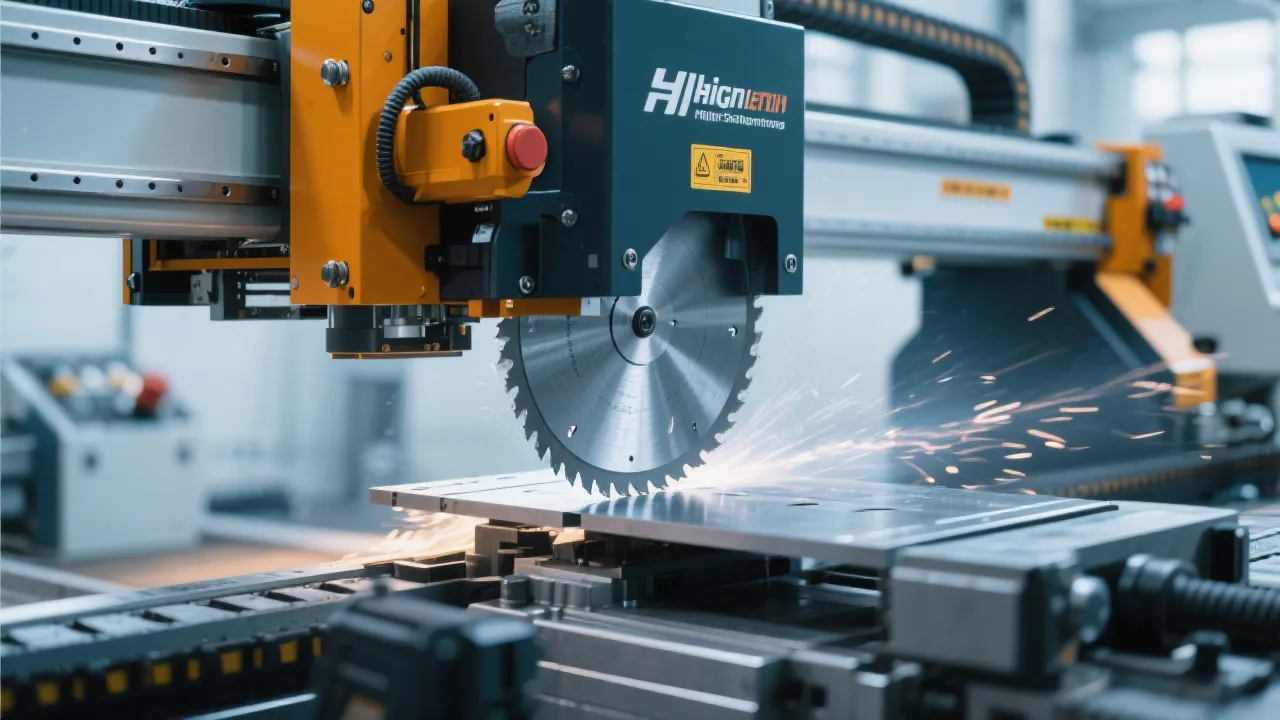
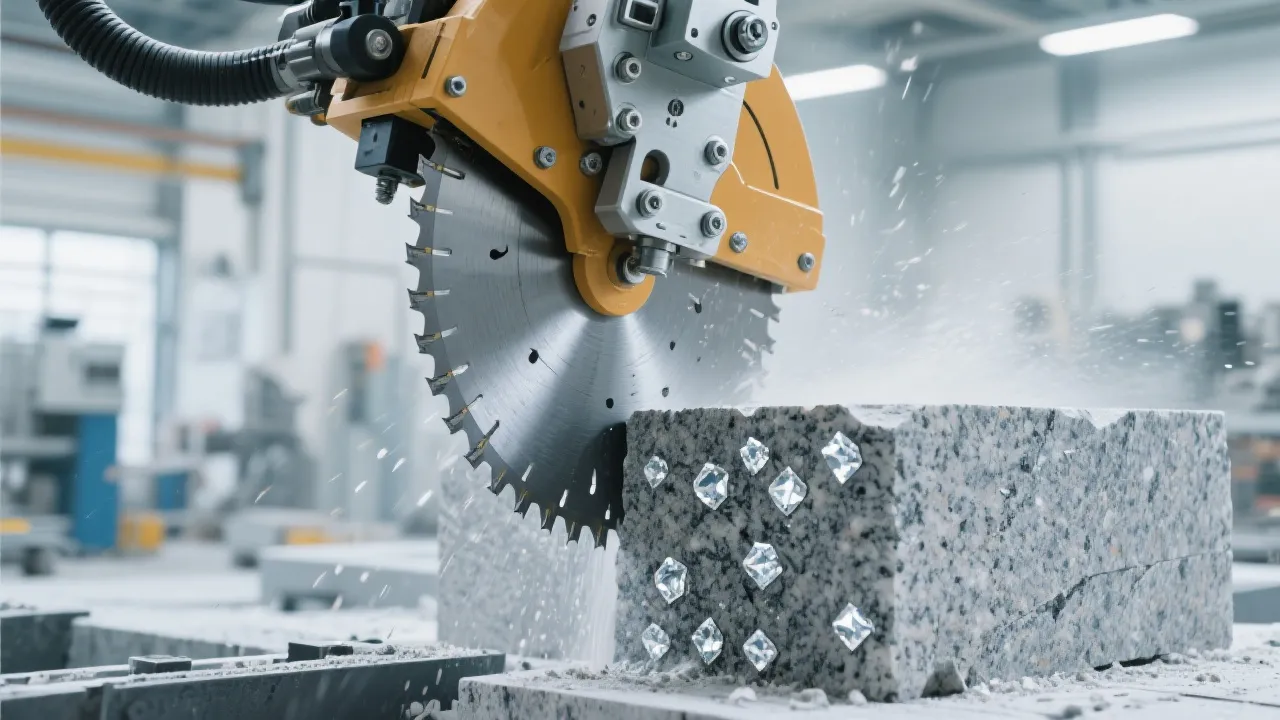
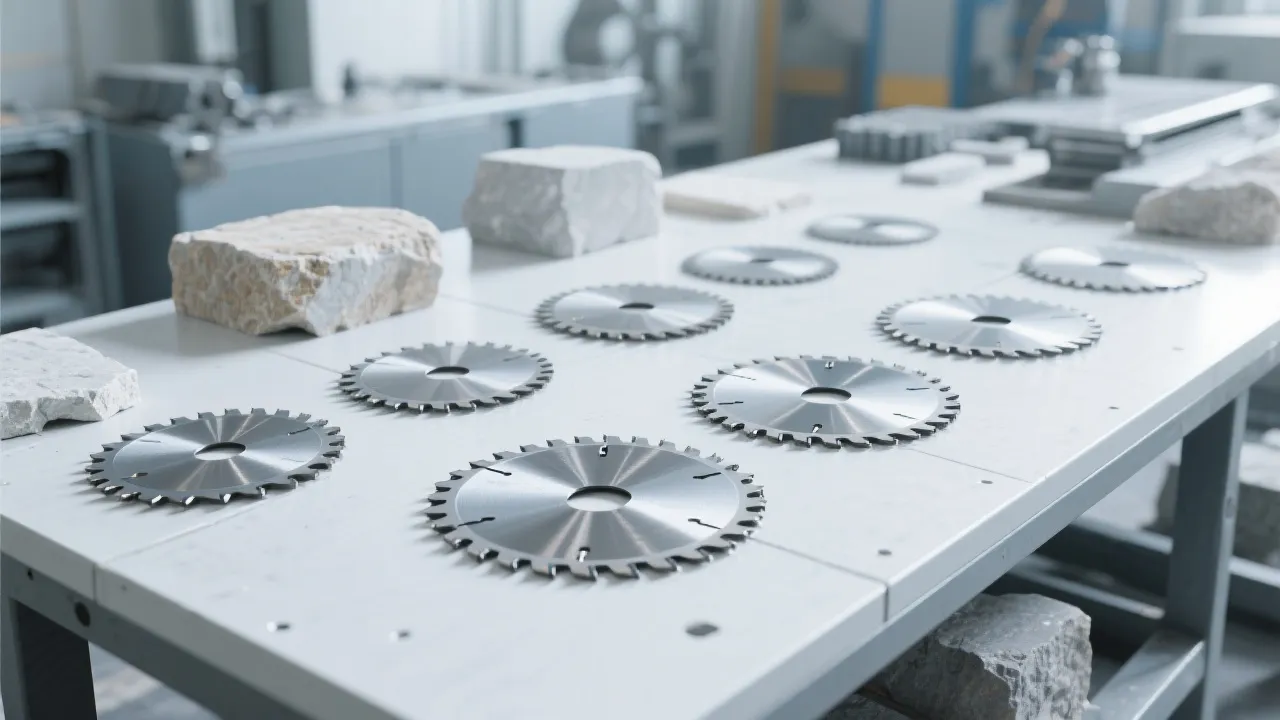
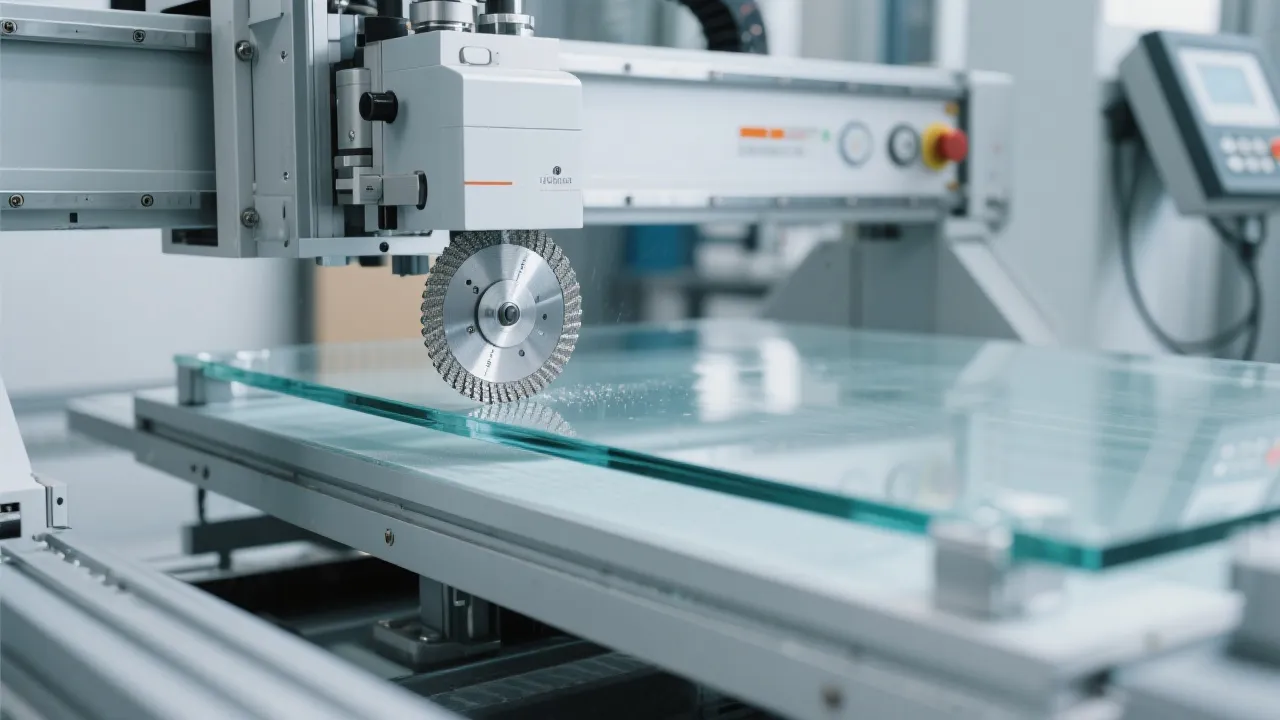
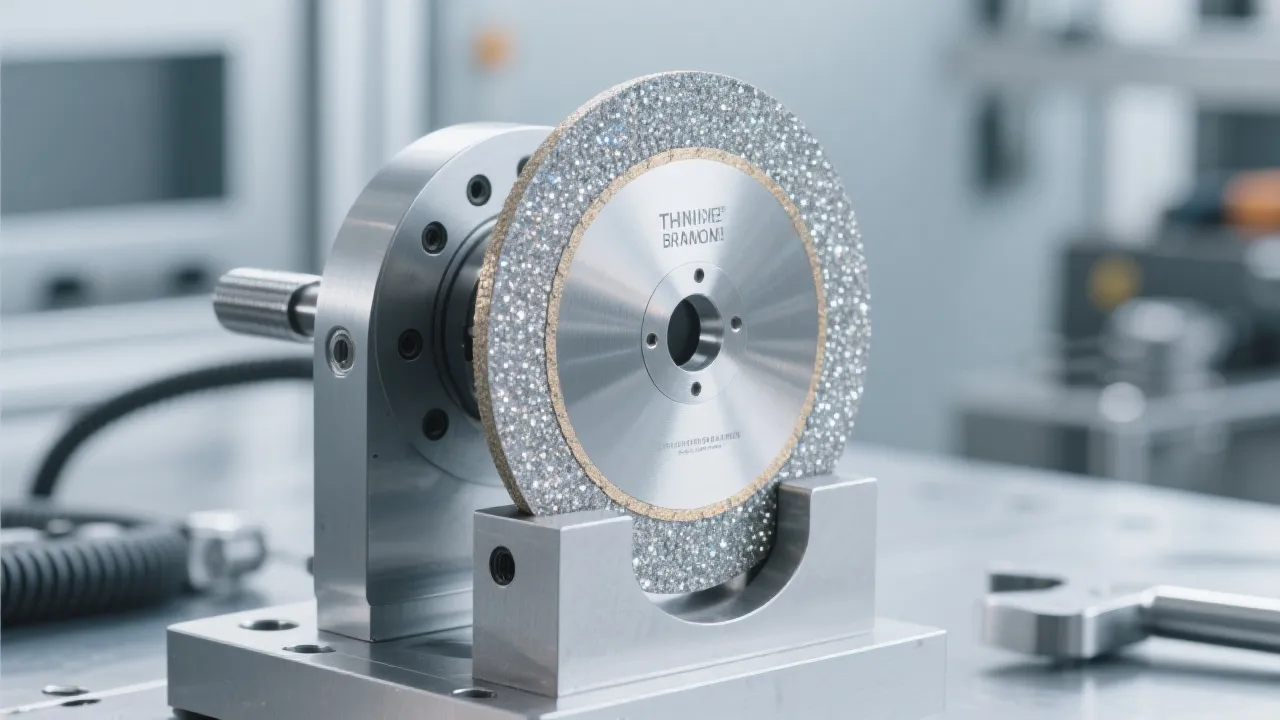
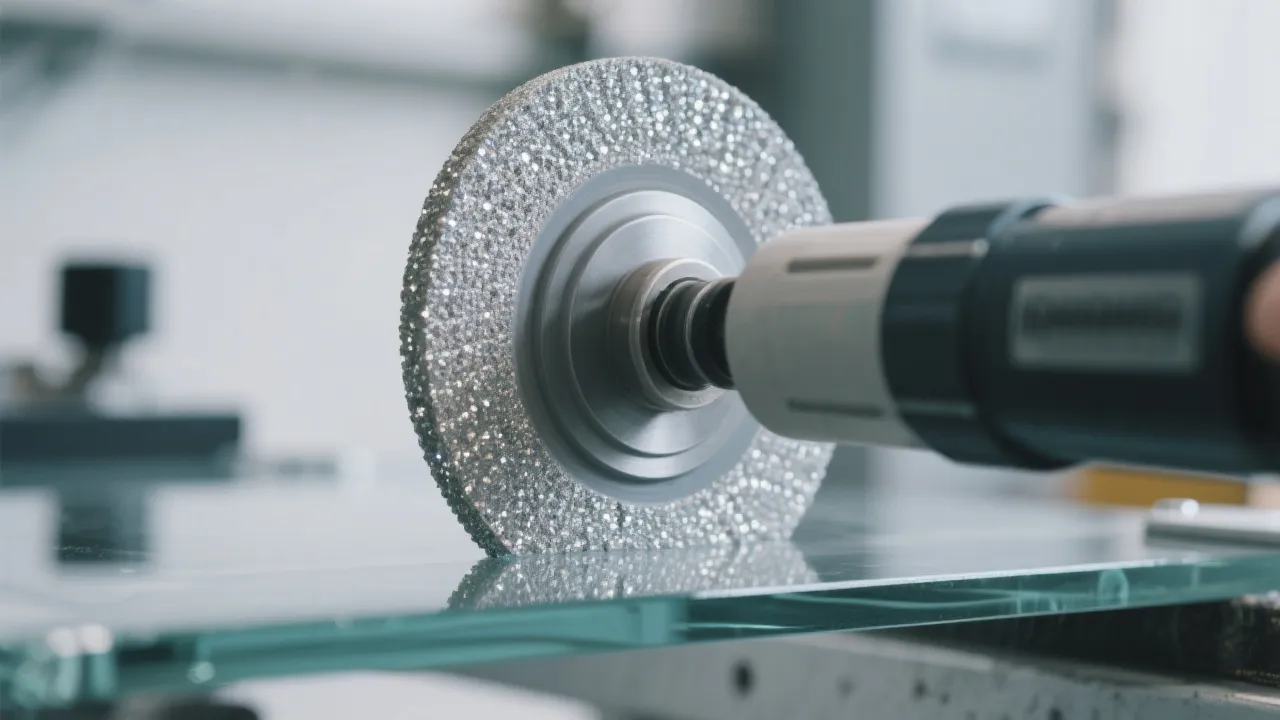
Ultrahard material tools are industrial cutting, grinding, and finishing tools designed to process hard and brittle or high-wear materials by using ultrahard abrasives (most commonly diamond). On this page, UHD Ultrahard Tools Co., Ltd explains the baseline definition, the main tool categories—diamond tools, abrasive tools, and vacuum brazed diamond cutting abrasives—and where each category is typically used in metalworking and stone processing.
Scope note: This overview focuses on category positioning and application boundaries. It does not cover specific models, specifications, pricing, or purchasing guidance.
In manufacturing and processing environments, ultrahard material tools are selected when conventional abrasives or cutters struggle with tool wear, edge retention, or surface integrity. Their purpose is to enable stable material removal (cutting, grinding, profiling, or finishing) under demanding conditions—such as hard substrates, abrasive workpieces, or processes where heat and friction must be controlled.
Diamond tools are tools that use diamond as the cutting or grinding medium. They are widely used for cutting, grinding, shaping, or finishing where high hardness and wear resistance are needed.
Abrasive tools refer to a broader class of tools designed for grinding, deburring, polishing, and surface preparation. This category can include various abrasive materials and structures depending on the process goal.
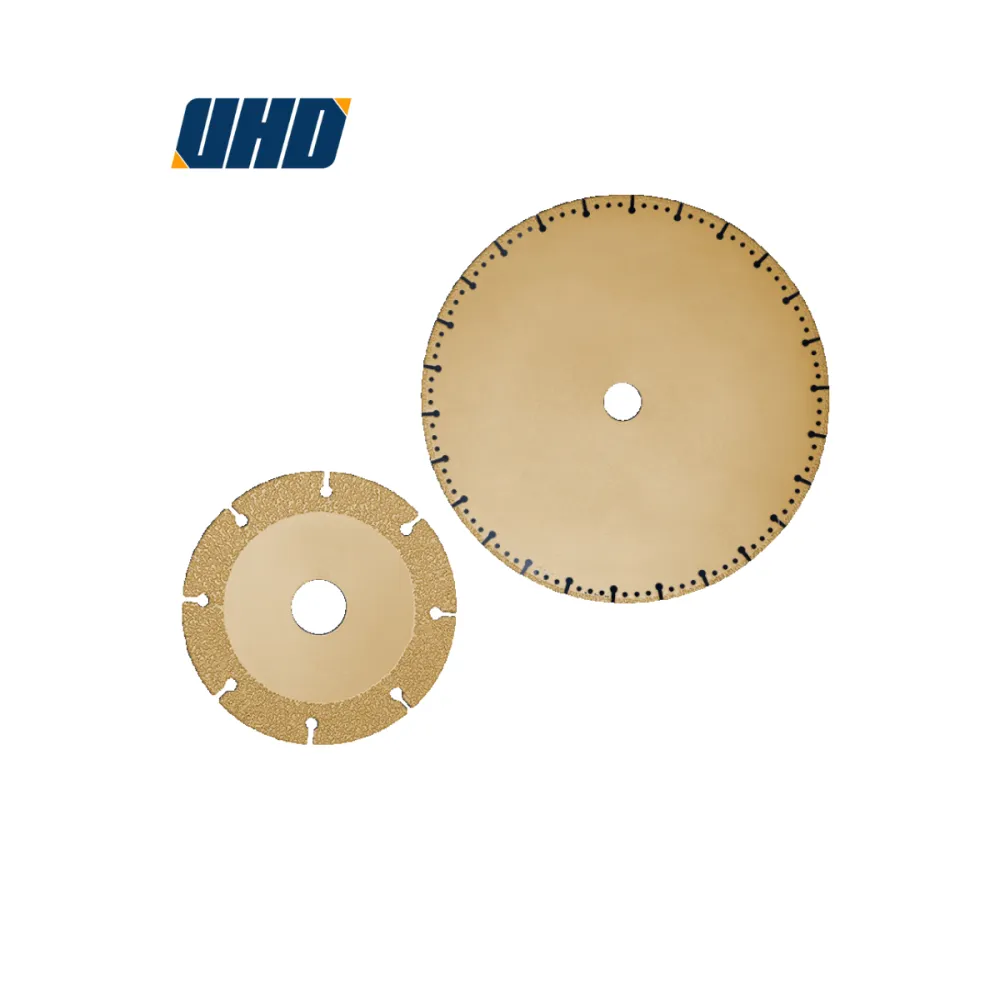
Vacuum brazed diamond cutting abrasives are diamond abrasive products made using a vacuum brazing process that bonds diamond grains to the tool body. The method is used to create robust abrasive layers for specific cutting or grinding tasks.
| Category | Primary identity | Typical role | Boundary clarification |
|---|---|---|---|
| Diamond tools | Defined by using diamond as the working medium | Cutting / grinding / shaping | Umbrella term that can include multiple manufacturing approaches |
| Abrasive tools | Defined by abrasive processing function | Grinding / finishing / surface preparation | May include diamond-based products, but not limited to diamond |
| Vacuum brazed diamond cutting abrasives | Defined by vacuum brazing bond of diamond grains | Targeted cutting / grinding under demanding wear conditions | Subset distinguished by bonding method rather than only tool function |
Note: The exact selection boundaries depend on workpiece material, process objective (cut vs. grind vs. finish), and site conditions. This page provides category-level clarity rather than tool-by-tool selection.
In metalworking environments, ultrahard material tools can be used where wear resistance, consistency, and controlled material removal are important—such as in grinding, surface preparation, and certain cutting operations depending on the specific metal and process requirements.
In stone processing, diamond tools and diamond abrasives are commonly associated with cutting, grinding, shaping, and edge treatment tasks where hard and brittle materials require durable abrasives and consistent removal action.
For both metalworking and stone processing, aligning the tool category with the process objective (cutting vs. grinding vs. finishing) and the application boundary is the first step before moving to detailed specifications.
UHD Ultrahard Tools Co., Ltd is a high-tech enterprise focused on the R&D, production, and sales of ultrahard material tools, with an industrial B2B service model. UHD’s product system relevant to this overview includes:
This page is intended for industrial users, engineers, procurement teams, and distributors who need a clear baseline understanding of ultrahard material tools before discussing detailed specifications. If your focus is specifically on metalworking or stone processing, starting from the three categories above helps define requirements in a structured, comparable way.
UHD focuses on quality-driven manufacturing and practical technical communication—supporting global B2B collaboration without overstating performance or providing model-level quotations on this page.

.png?x-oss-process=image/resize,h_1000,m_lfit/format,webp)

.png?x-oss-process=image/resize,h_1000,m_lfit/format,webp)