Vacuum Brazing for Diamond Saw Blades: Longer Life and Stable, Burr-Free Cutting
05 03,2026
UHD
Technical knowledge
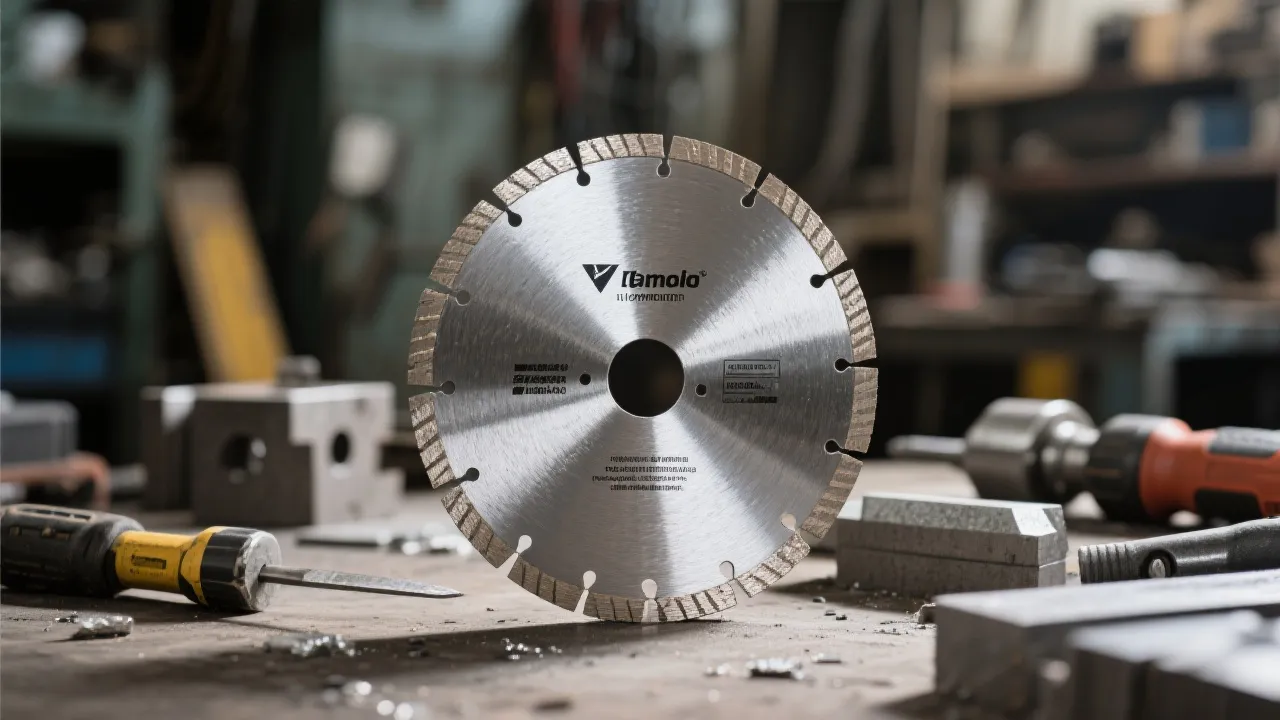
Vacuum brazing has become a preferred bonding process for high-end diamond saw blades in metal and stone processing because it securely anchors diamond grits in an oxygen-free environment. By minimizing oxidation and improving metallurgical bonding at the grit–matrix interface, this process helps blades maintain consistent sharpness, achieve stable cutting, and extend service life compared with conventional welding methods. This article explains the fundamentals of vacuum brazing, outlines key process steps, and contrasts its performance with traditional approaches that can suffer from weaker grit retention and uneven wear. Application scenarios in steel and stone cutting illustrate practical benefits such as higher cutting efficiency, reduced burr formation, lower dust generation, and less operator effort. It also provides maintenance and usage guidance to help users optimize blade selection and operating parameters for longer tool life. To learn more about efficient cutting solutions, please visit our technical column.
Vacuum Brazing Explained: Why Premium Diamond Saw Blades Cut Longer, Cleaner, and More Stable
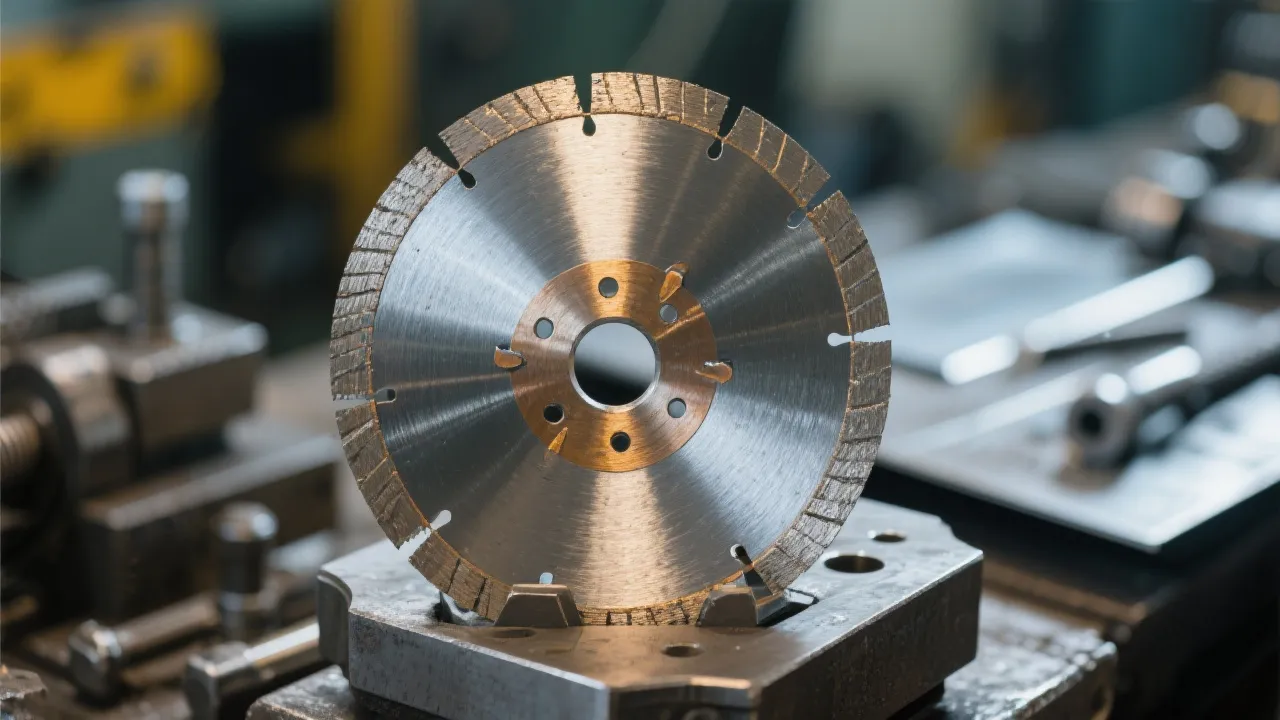
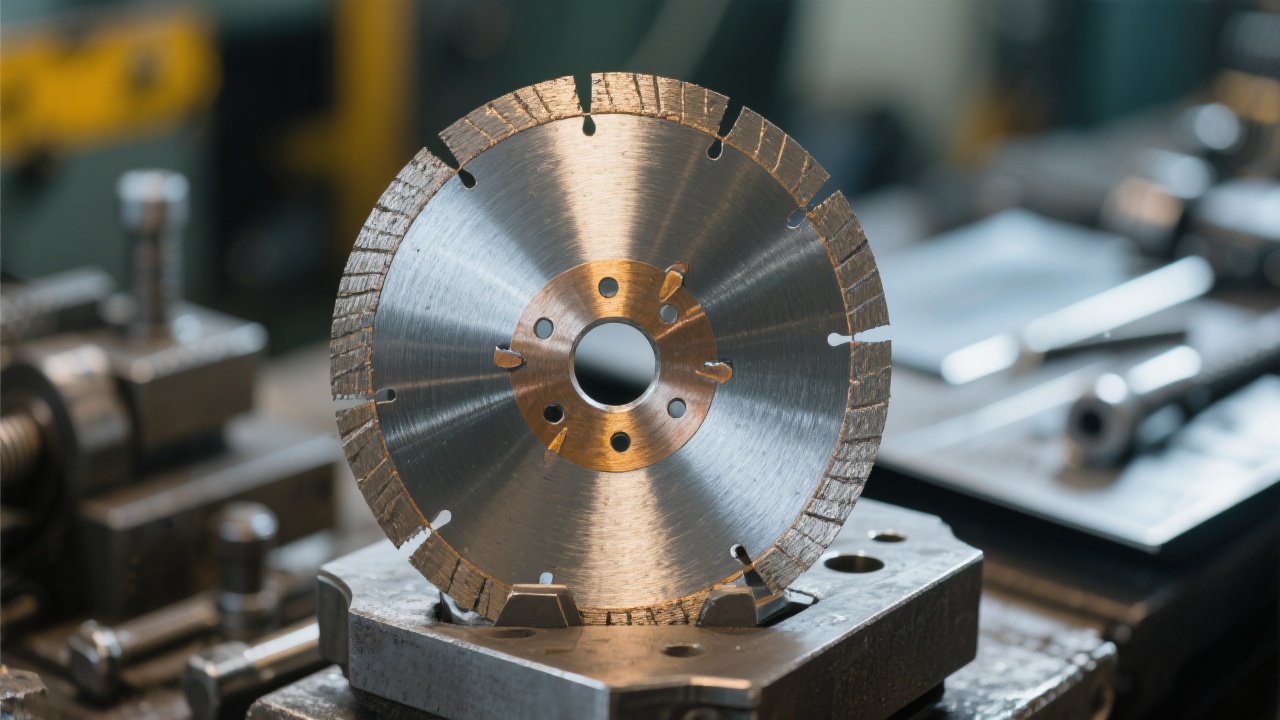
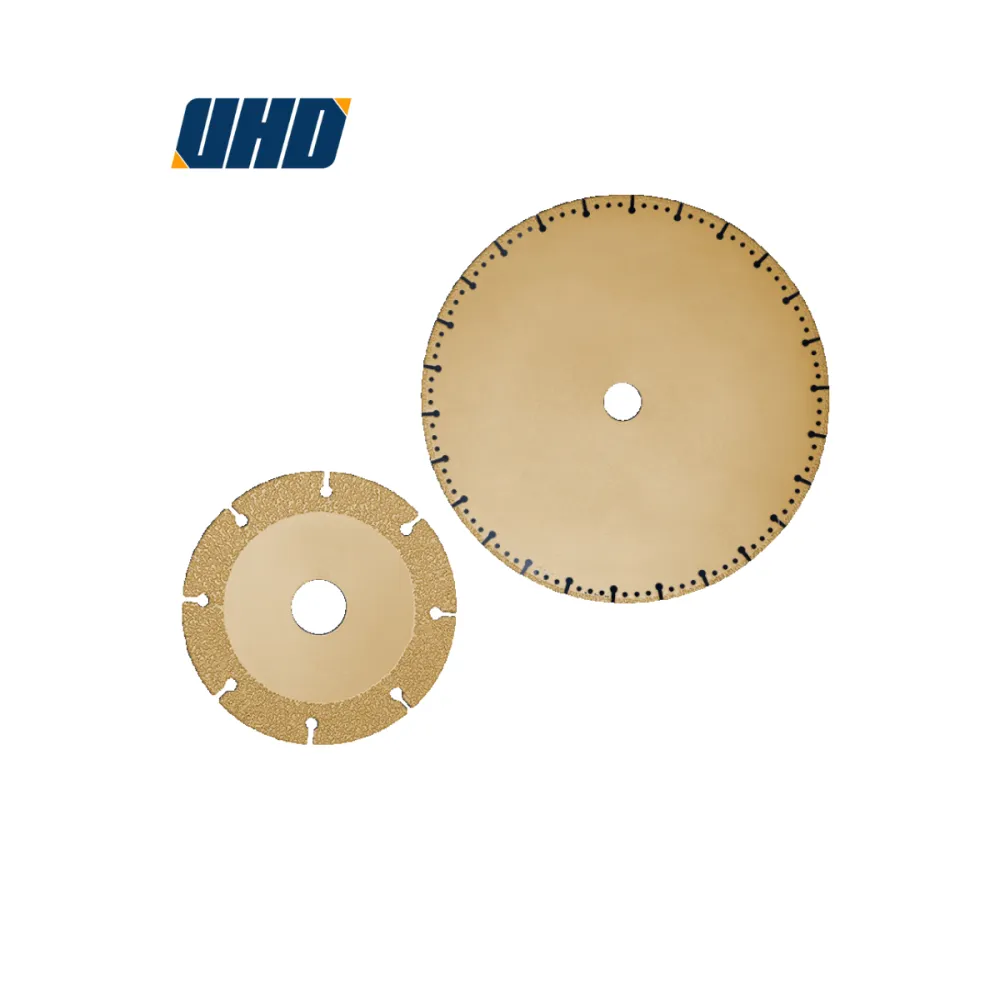
In metal and stone fabrication, a “good” cut is rarely the goal—shops want repeatable throughput, predictable edge quality, and minimal rework. That is why vacuum brazing has become a go-to joining process for high-end diamond saw blades: it bonds diamond grits to the steel body in an oxygen-free environment, producing a stronger, more heat-resistant interface that holds up when the job gets hot, dusty, and continuous.
Why do premium diamond blades increasingly use vacuum brazing?
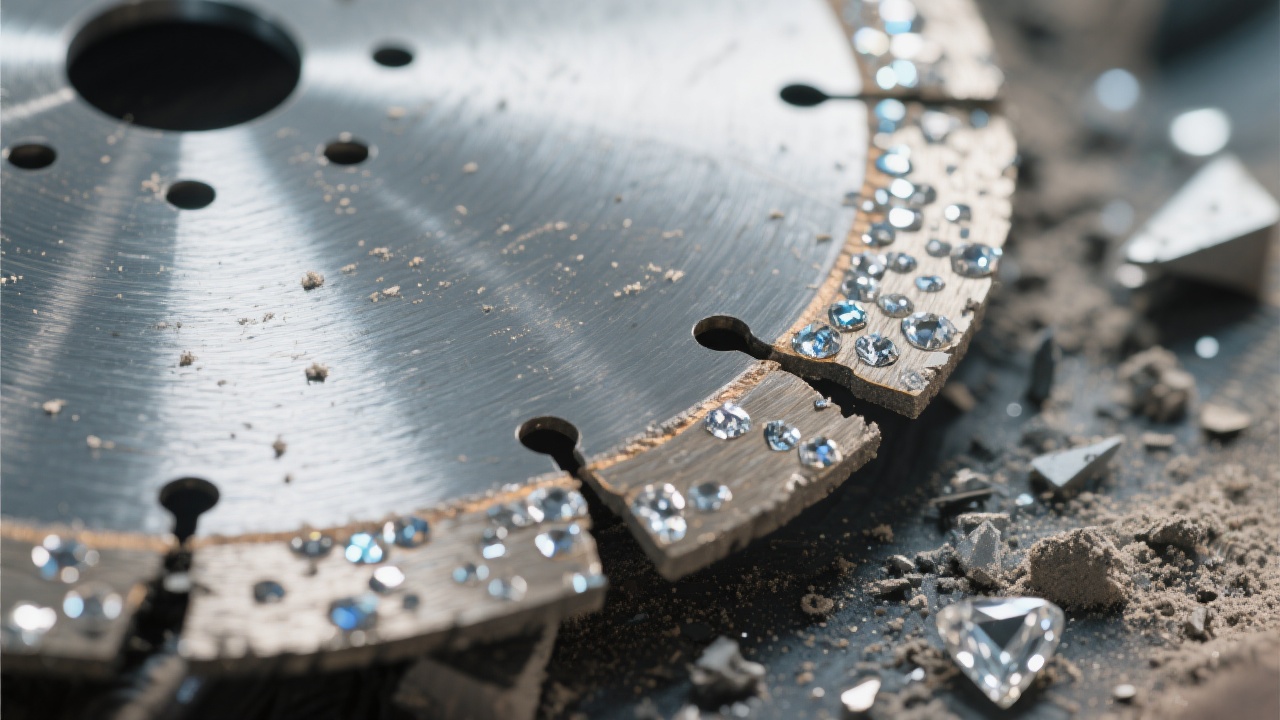
The simplest way to understand vacuum brazing is to compare it to what often causes early blade failure: diamond pull-out, glazing, and thermal damage at the bond line. In conventional processes, oxidation and inconsistent wetting can weaken the bridge between the diamond and the substrate—especially under high peripheral speed and intermittent cooling.
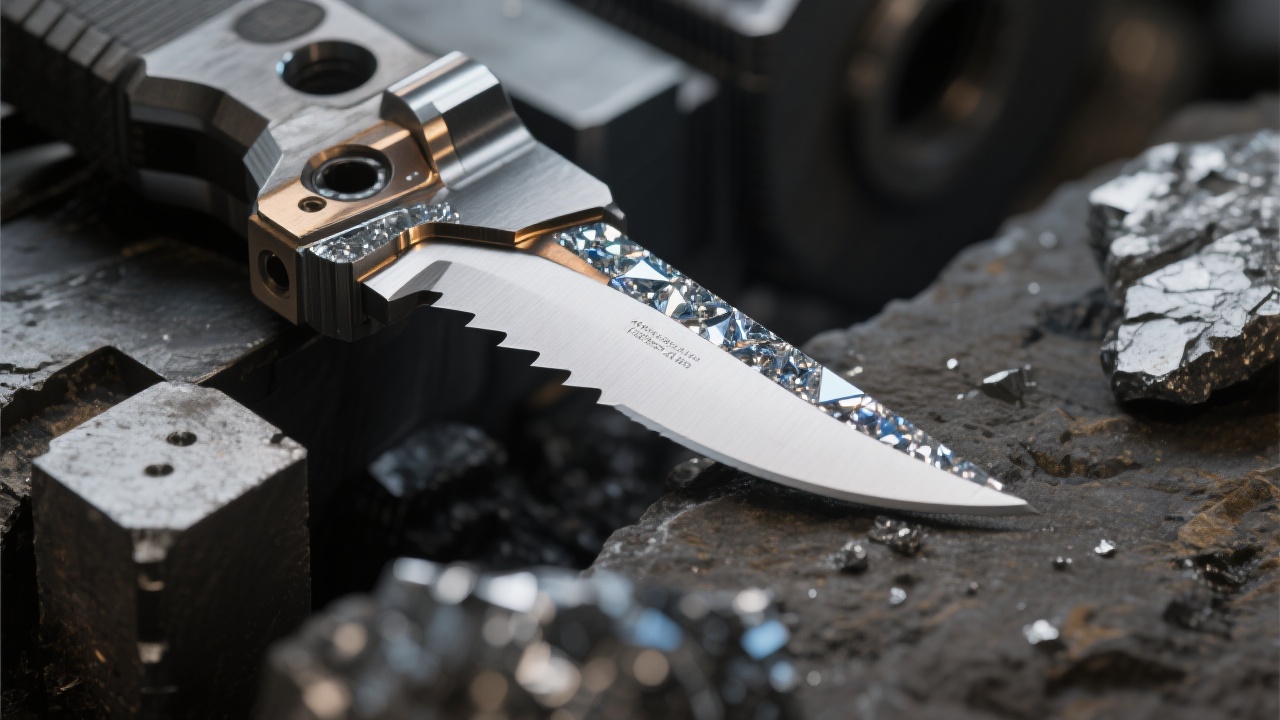
Vacuum brazing addresses those root causes by using a controlled vacuum furnace to remove oxygen, allowing the filler alloy to wet both the diamond and the steel more uniformly. The result is not “marketing durability”—it is a measurable improvement in bond integrity and cutting stability, particularly for tough applications like stainless steel profiles, rebar, granite, engineered stone, and composite materials.
A practical analogy: “rivets in concrete” vs “sand on glue”
Think of each diamond grain as a cutting tool. In weaker bonds, diamonds behave like sand sprinkled on glue—once heat and impact increase, grains detach and the blade loses sharpness quickly. With a well-executed vacuum-brazed joint, diamonds are anchored more like rivets set into a solid matrix. The blade keeps its bite longer, and the cut remains steadier over time.
What is vacuum brazing (and what actually happens in the furnace)?
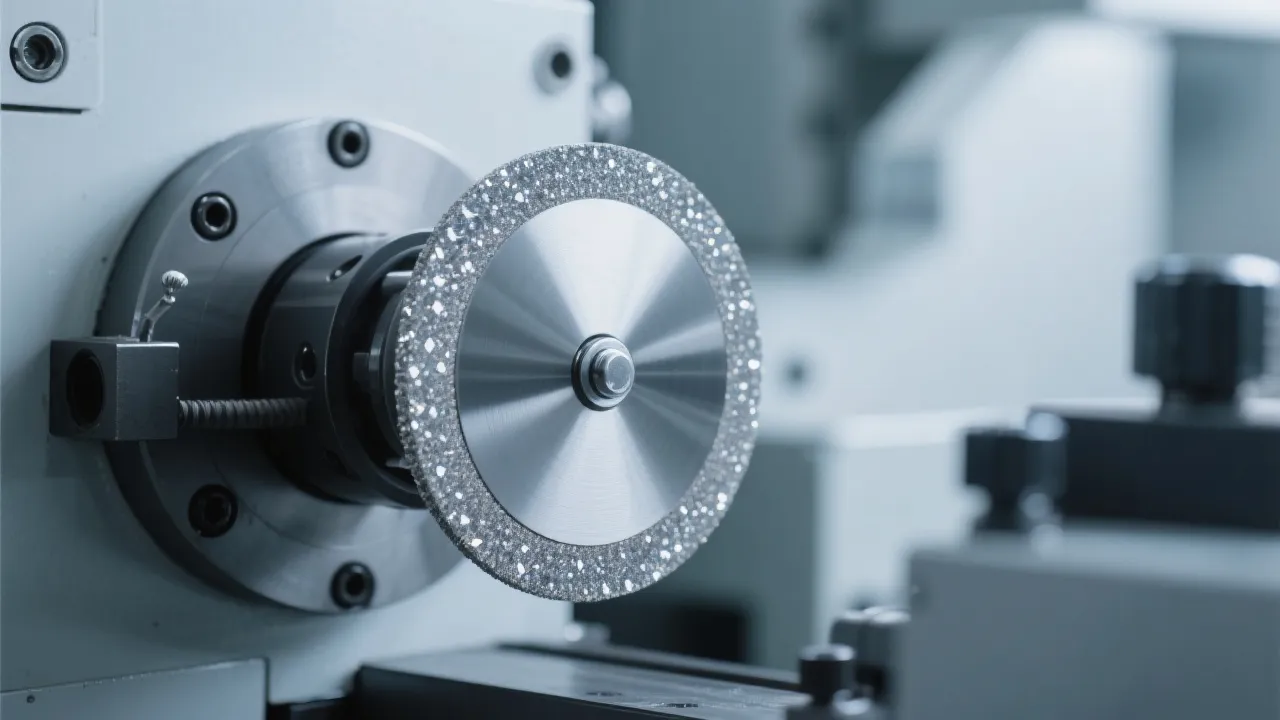
Vacuum brazing is a joining method performed in a vacuum furnace (typical pressure 10-3 to 10-5 mbar) where a brazing filler alloy melts and flows between the diamond grits and the blade body. The core goal is to create a stable metallurgical bond without oxide films interfering with wetting.
Typical process steps used for diamond blade segments
Surface preparation: cleaning and roughening the blade body/segment seat to improve adhesion.
Placement: diamond grits and filler alloy are positioned with controlled distribution.
Vacuum heating: ramp to brazing temperature (commonly 780–980°C, depending on alloy system).
Wetting and bonding: molten filler alloy wets diamond and steel, forming a strong joint.
Many premium products also pair vacuum-brazed diamonds with high-manganese steel bodies for improved toughness and impact resistance—useful for job sites where blades see vibration, inconsistent feed, and variable material density.
Vacuum brazing vs traditional methods: what changes in real cutting?
Buyers often ask one question: “Will it last longer on my material?” The more useful question is: what failure mode will it prevent first? Below is a field-oriented comparison.
Criteria
Traditional weld / basic bonding
Vacuum brazing
Bond consistency
Variable; oxidation can reduce wetting
High; oxygen-free environment improves wetting
Diamond retention
Higher risk of early grit pull-out
Stronger anchoring; slower loss of cutting edges
Heat tolerance
More sensitive to overheating and glazing
More stable under sustained thermal load
Cutting stability
Can increase vibration as sharpness drops
More consistent bite; smoother feed
Edge quality
Greater chance of burrs/chipping as tool dulls
Cleaner finish; easier to maintain burr control
In production terms, users frequently report 20–60% longer usable life versus basic bonded alternatives when cutting abrasive stone or mixed-density materials, primarily because the blade stays sharp longer before the first performance drop-off. In metal cutting, the advantage often shows up as more stable feed and fewer interruptions due to reduced grit shedding and less sudden dulling.
Where the gains are most visible: three job-site scenarios
1) Stone fabrication: stable cutting means less chipping and less rework
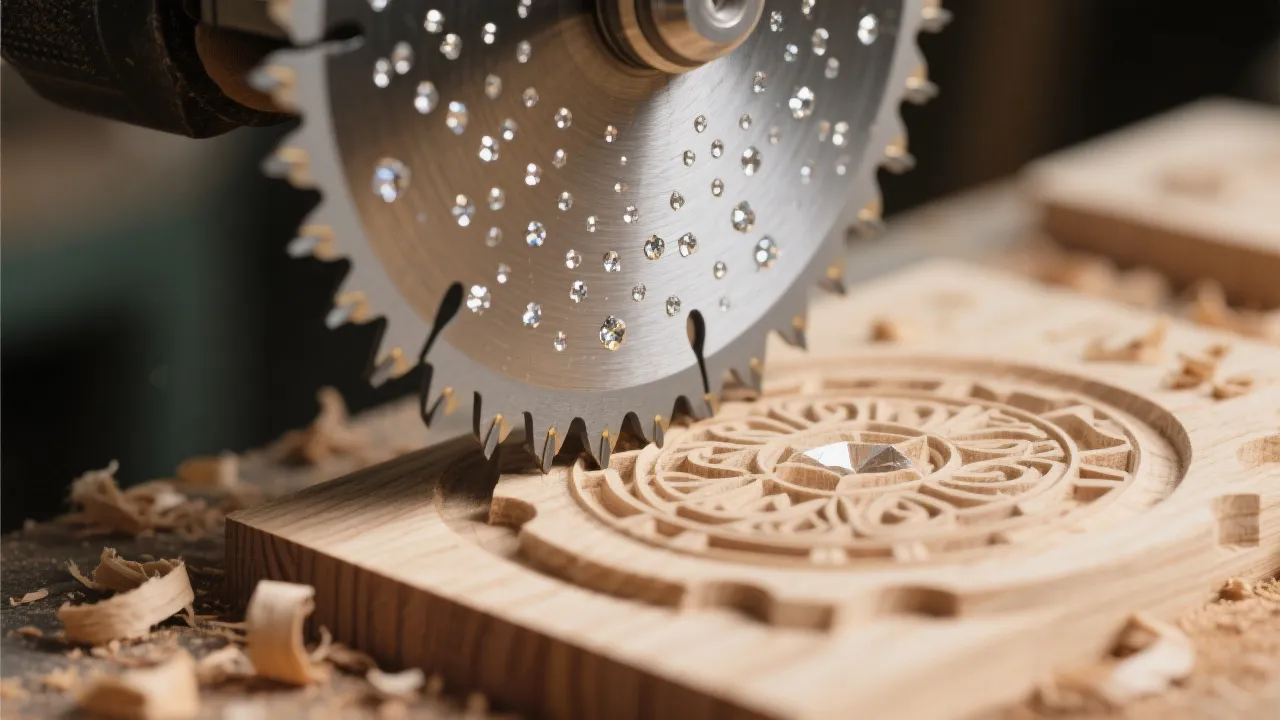
For granite, quartz, and engineered stone, stability matters as much as sharpness. A vacuum-brazed blade tends to maintain a more consistent cutting edge distribution. That reduces random “snagging” that can trigger micro-chips along the cut line, helping operators keep a cleaner kerf and reduce secondary edge finishing.
Shops also notice a human factor: when the blade keeps cutting predictably, operators apply less force to “push through.” This can lower fatigue and improve cut repeatability across shifts.
2) Metal cutting: fewer sudden performance drops under heat
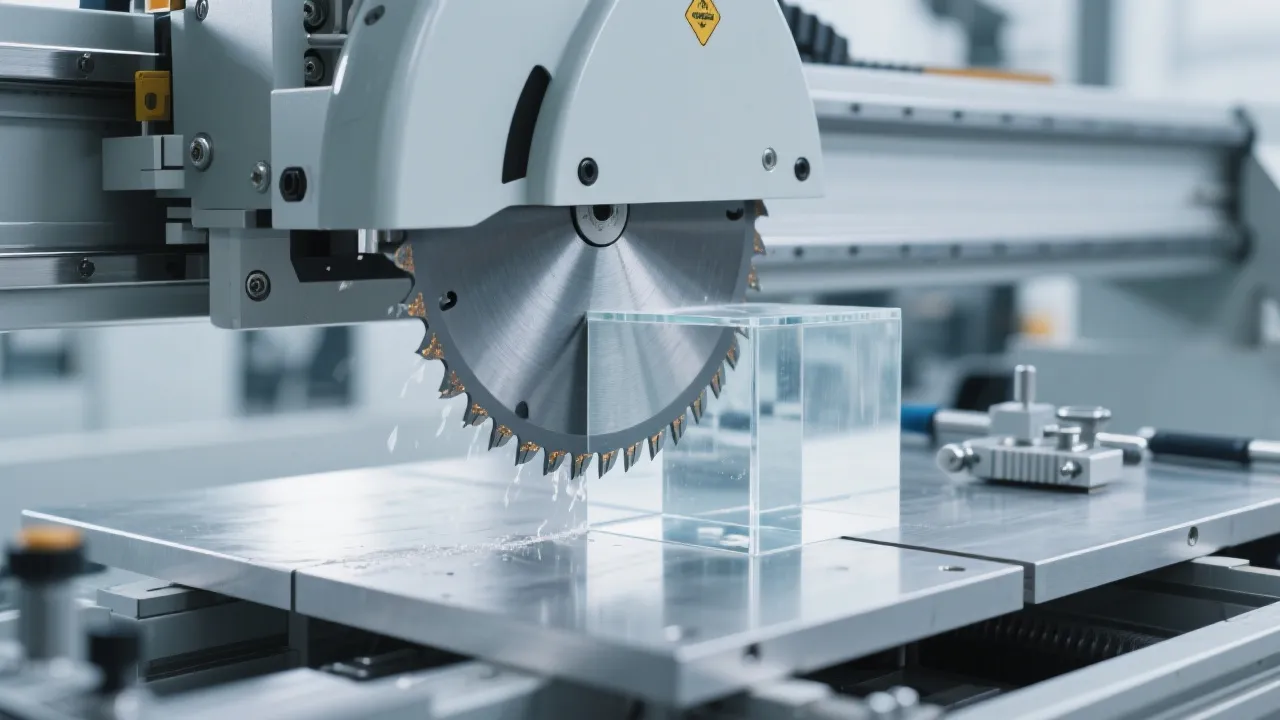
In stainless steel or thick-walled sections, heat buildup can turn minor bond weaknesses into rapid diamond loss. Vacuum brazing’s oxygen-free wetting and stronger interface can help the blade keep its cutting points engaged longer, which supports more consistent feed rates and reduces “stop-and-cool” interruptions.
For teams focused on dust control, a stable, sharp blade typically generates fewer ultra-fine particles caused by rubbing (rather than cutting). While dust management still depends on extraction and wet cutting, improving cutting efficiency is a meaningful part of the system approach.
3) Mixed materials: when the substrate and bonding really get tested
Renovation and demolition environments rarely offer perfect consistency—embedded fasteners, varying hardness, unexpected voids. A high-manganese steel body combined with vacuum-brazed diamonds can improve impact tolerance and reduce premature segment failure when conditions change mid-cut.
Technical indicators buyers can request (without getting lost in jargon)
For procurement teams and workshop owners, it helps to ask for indicators that correlate with performance. In vacuum-brazed blades, common quality signals include:
Vacuum furnace record: stable vacuum level (typ. 10-3–10-5 mbar) and controlled temperature ramp.
Diamond exposure ratio: sufficient protrusion for cutting, but with enough embedment for retention.
Shear/retention testing references: many manufacturers use internal pull-off or shear benchmarks to validate bonding stability.
Quality management certification: suppliers commonly operate under ISO 9001 systems for process consistency.
UHD positions vacuum-brazed technology as a practical route to longer diamond saw blade life and cutting stability—especially in applications where downtime and edge correction cost more than the tool itself.
Maintenance and operation tips to extend blade life (often overlooked)
Keep the bond cool, keep the cut stable
Even the best bond suffers under misuse. Practical steps that tend to yield immediate improvements:
Match RPM to diameter: avoid overspeeding; excessive surface speed drives heat and accelerates wear.
Use steady feed: inconsistent pushing causes chatter, which can fracture diamonds or destabilize the kerf.
Support dust control: use extraction or wet cutting where appropriate; reduced rubbing helps minimize fine dust generation.
Dress when needed: if glazing occurs in stone, a quick dressing pass can restore exposure of cutting points.
Respect material transitions: slow down when crossing layers or embedded metal to avoid impact spikes.
The goal is simple: keep the blade cutting (chips) rather than rubbing (heat). That is where vacuum-brazed blades show their advantage most clearly.
A quiet shift in shop economics: less burr, less dust, less effort
Vacuum brazing is not only about “stronger bonding” in a technical sense. When a blade holds its diamonds reliably, the cut tends to stay straighter, burr growth slows, and operators spend less time compensating with pressure or multiple passes. Those small gains stack up—especially in high-mix production where consistency is the fastest path to predictable output.
For readers comparing methods and trying to decide what to test next, learn more about efficient cutting solutions, please visit our technical column.
Explore UHD Vacuum-Brazed Diamond Saw Blades for High-Load Cutting
See application notes for metal & stone, recommended parameters, and selection tips designed for stable cutting, longer blade life, and cleaner kerfs.
Note: Performance varies by material hardness, machine rigidity, cooling, and operator technique. Data ranges above reflect common field observations and typical process parameters used in industrial vacuum brazing.




.png?x-oss-process=image/resize,h_1000,m_lfit/format,webp)
.png?x-oss-process=image/resize,h_1000,m_lfit/format,webp)