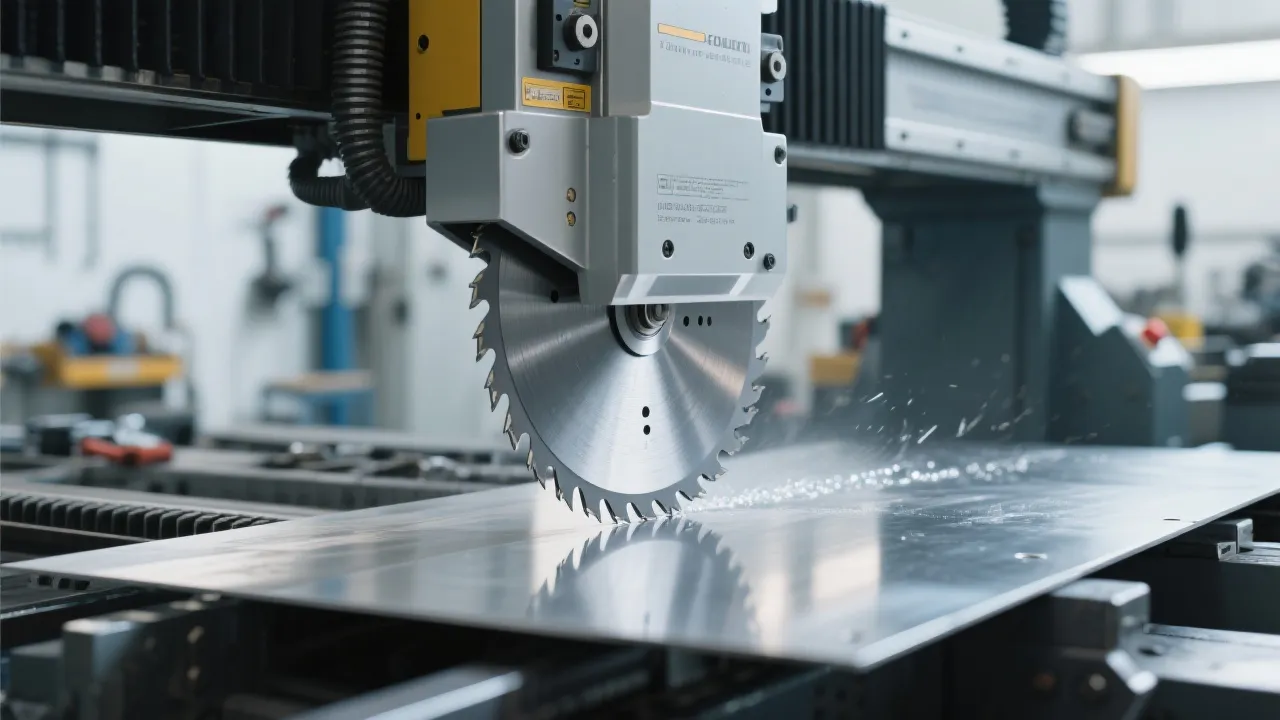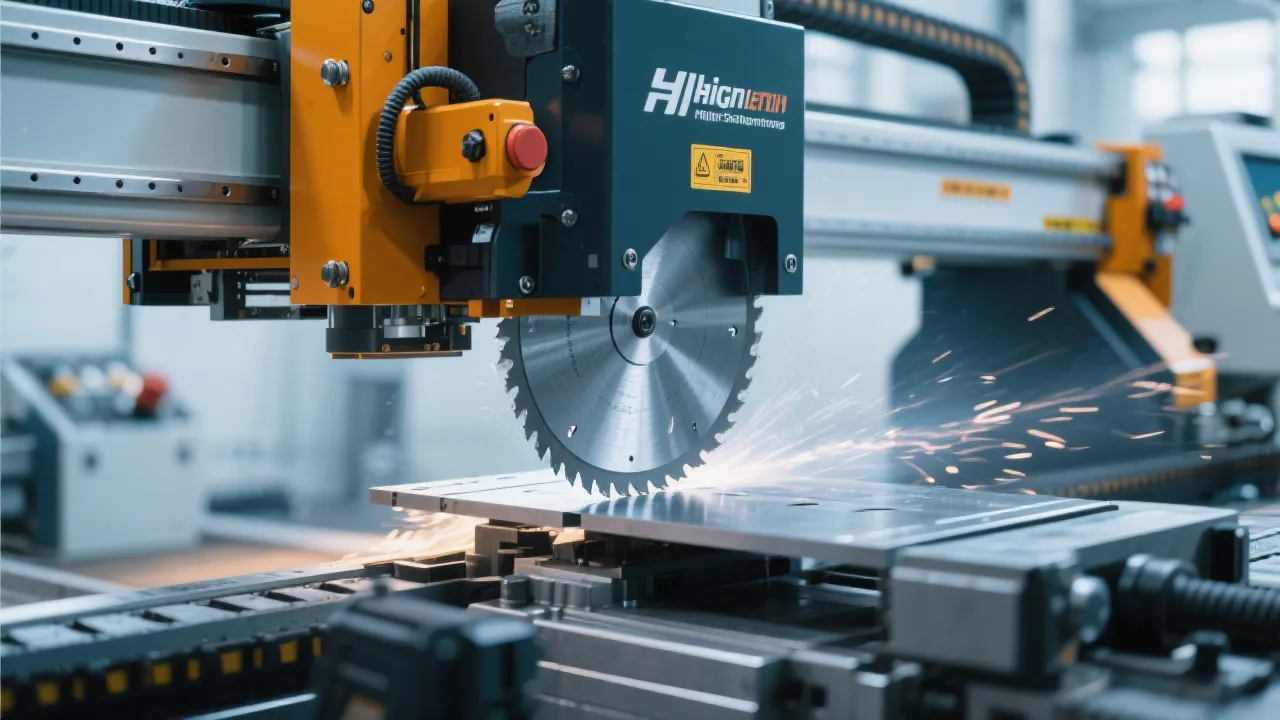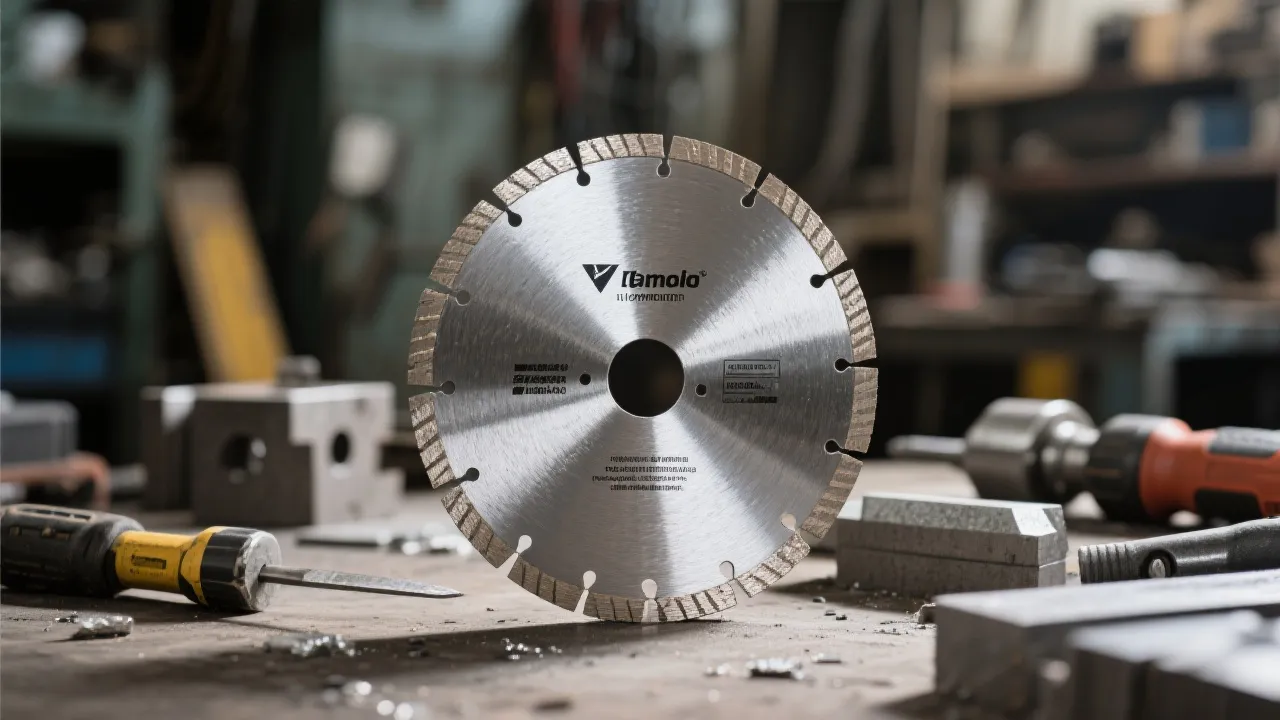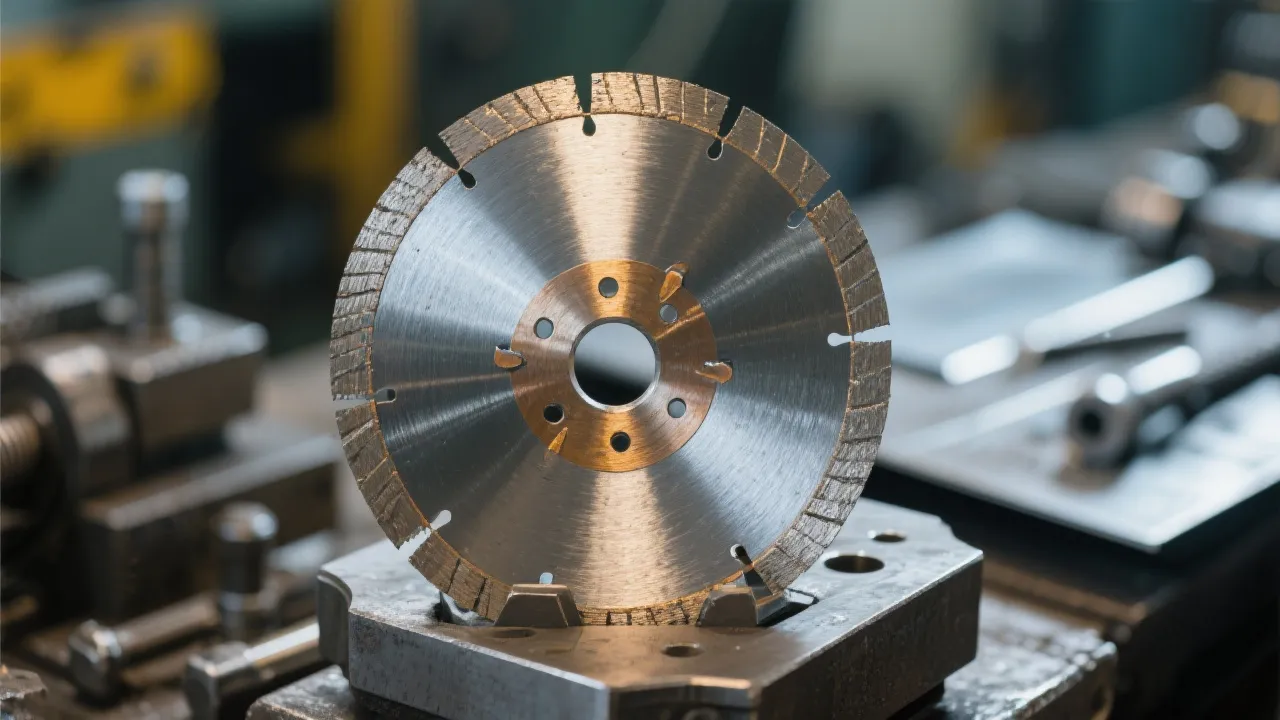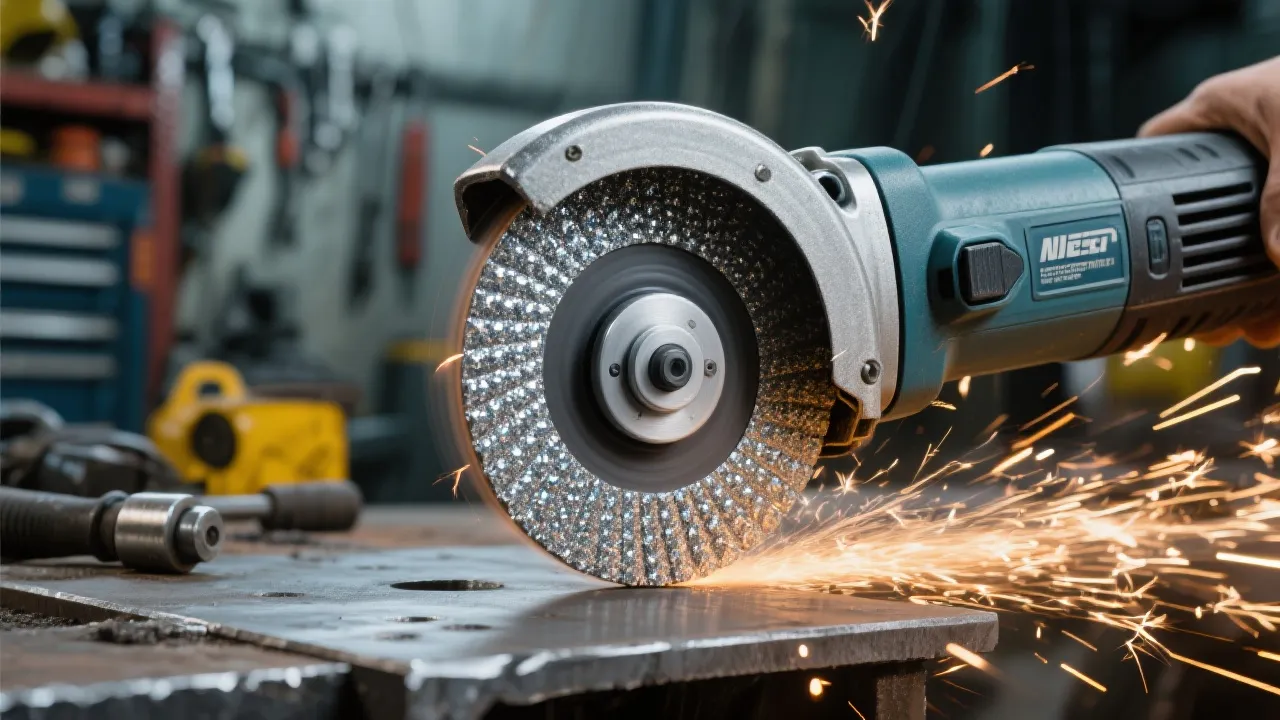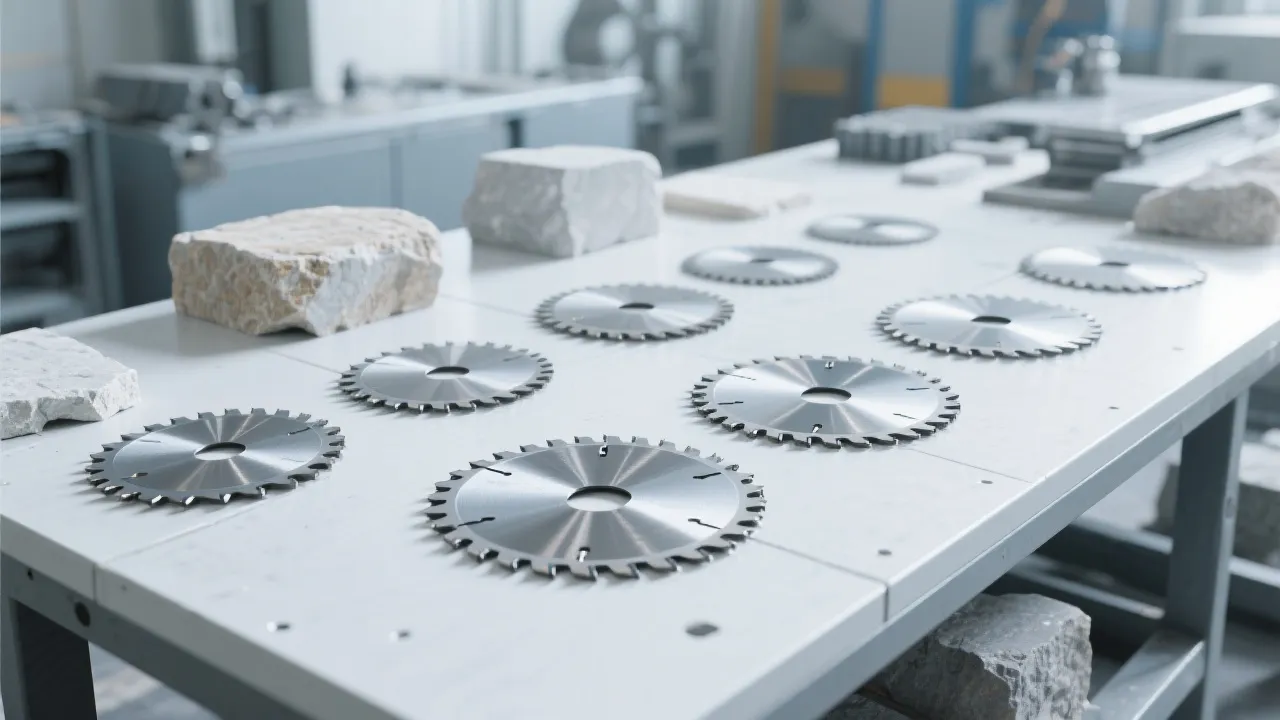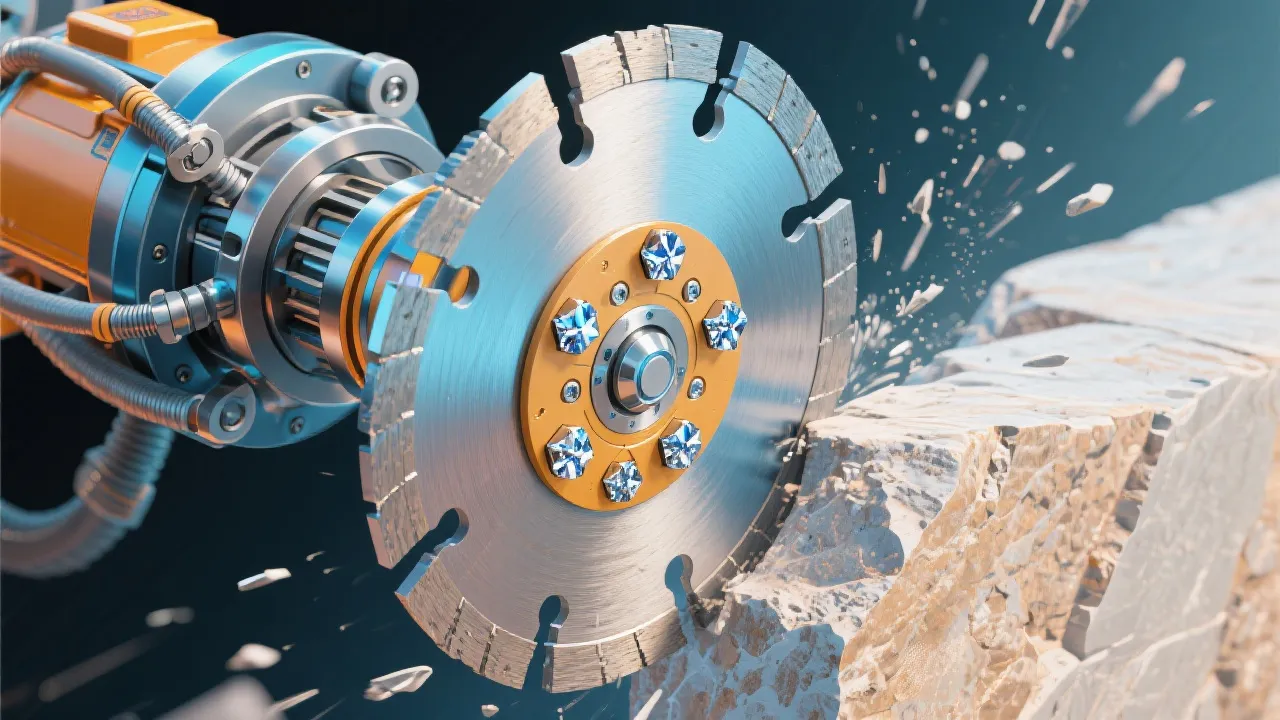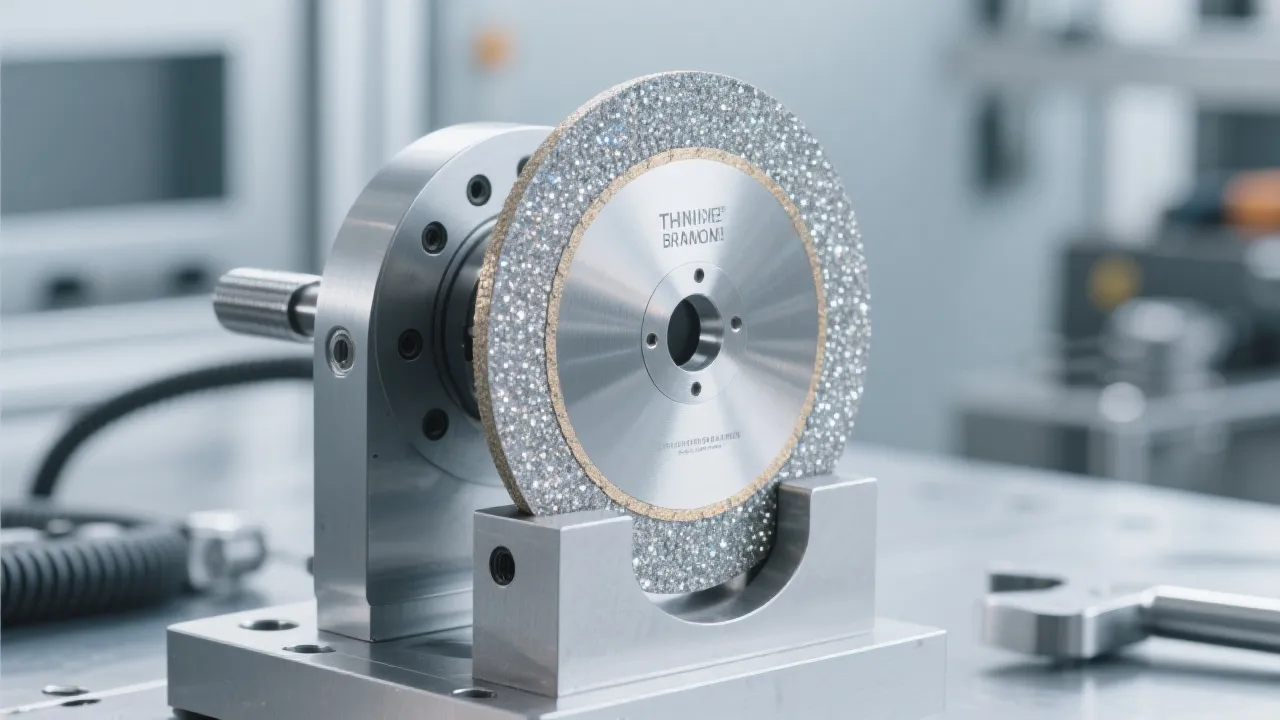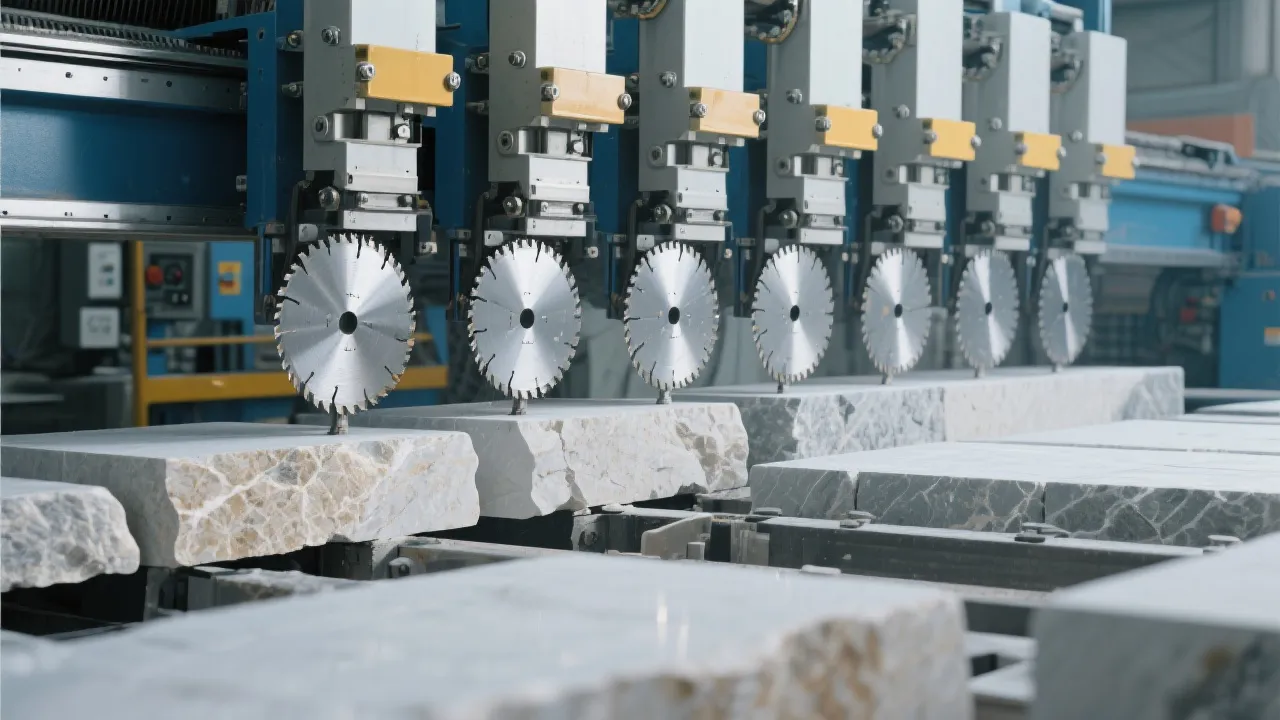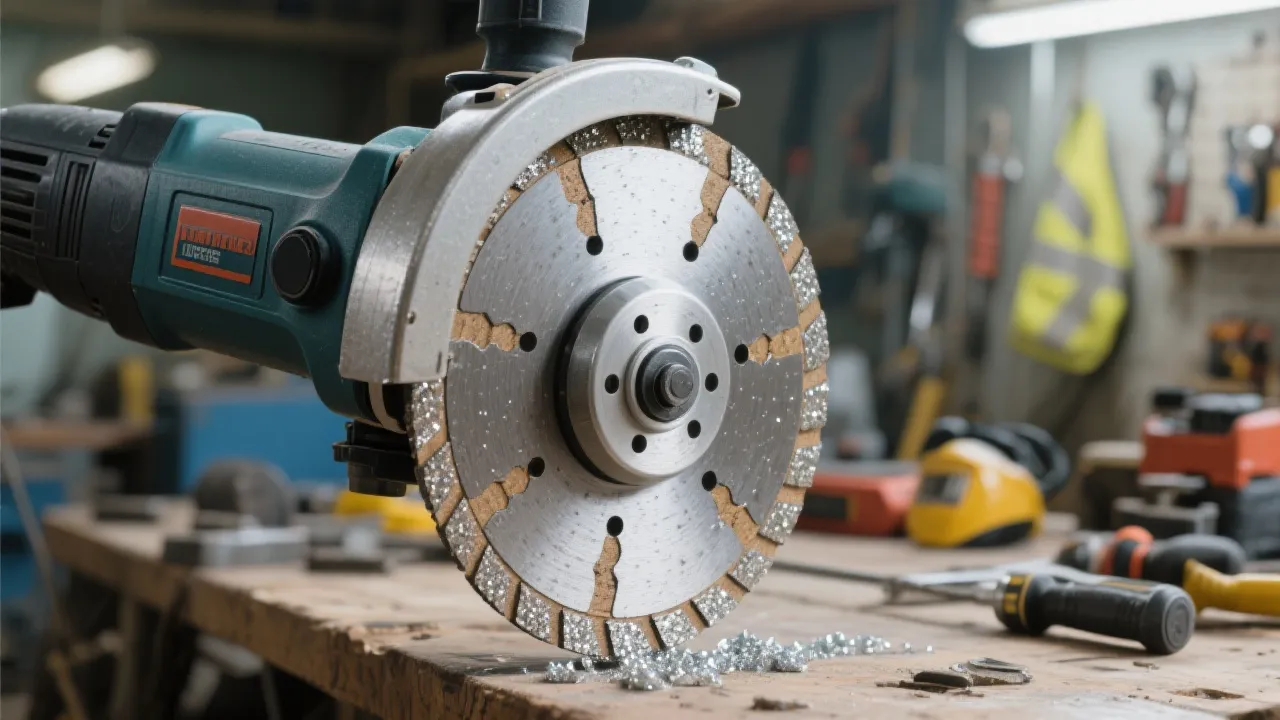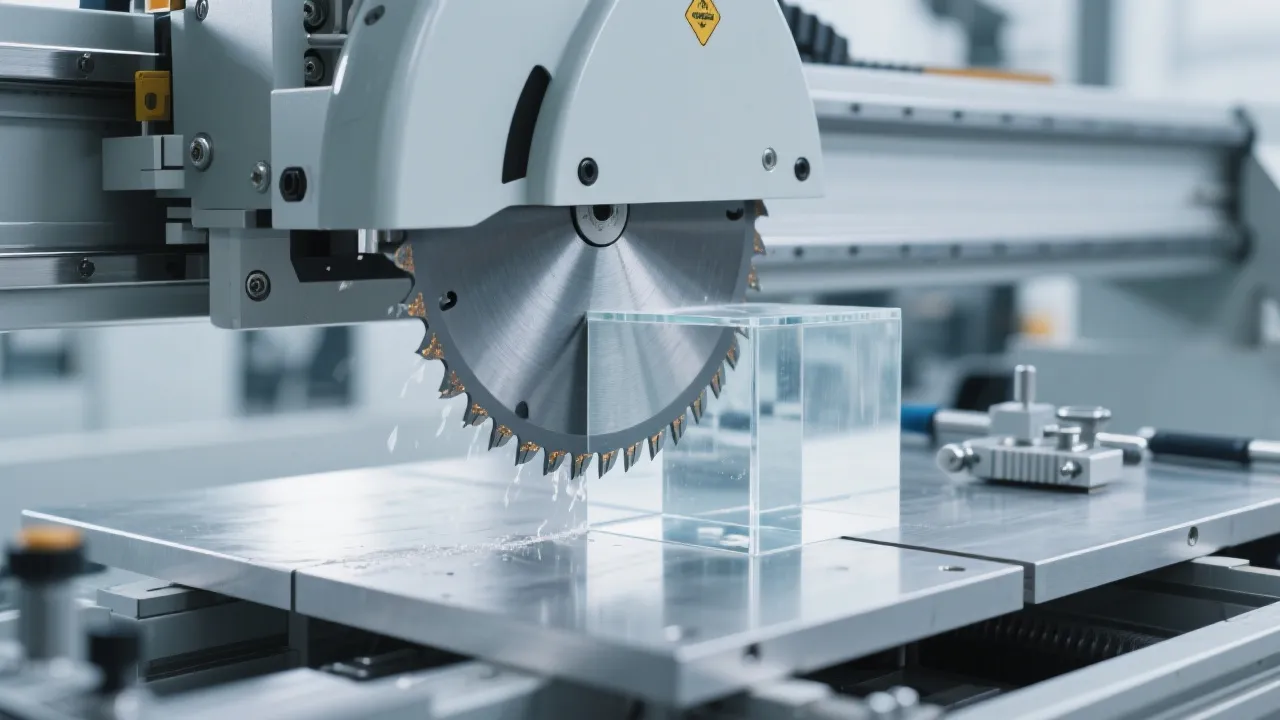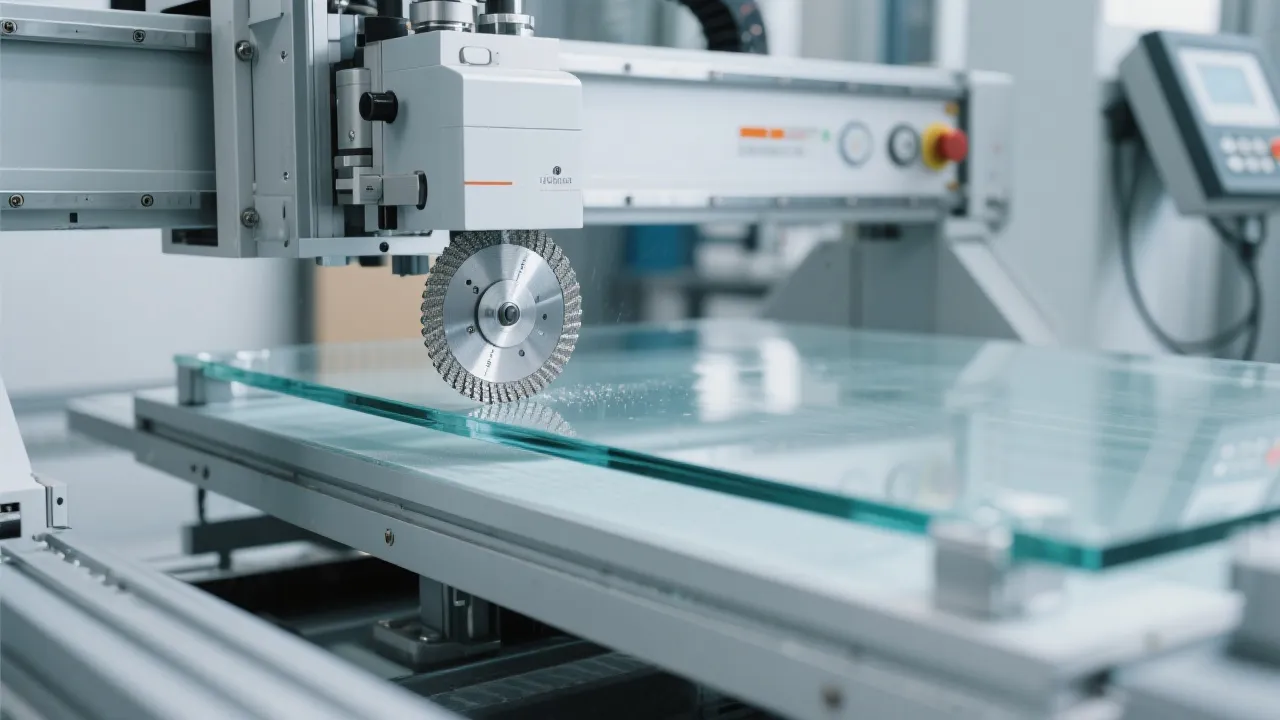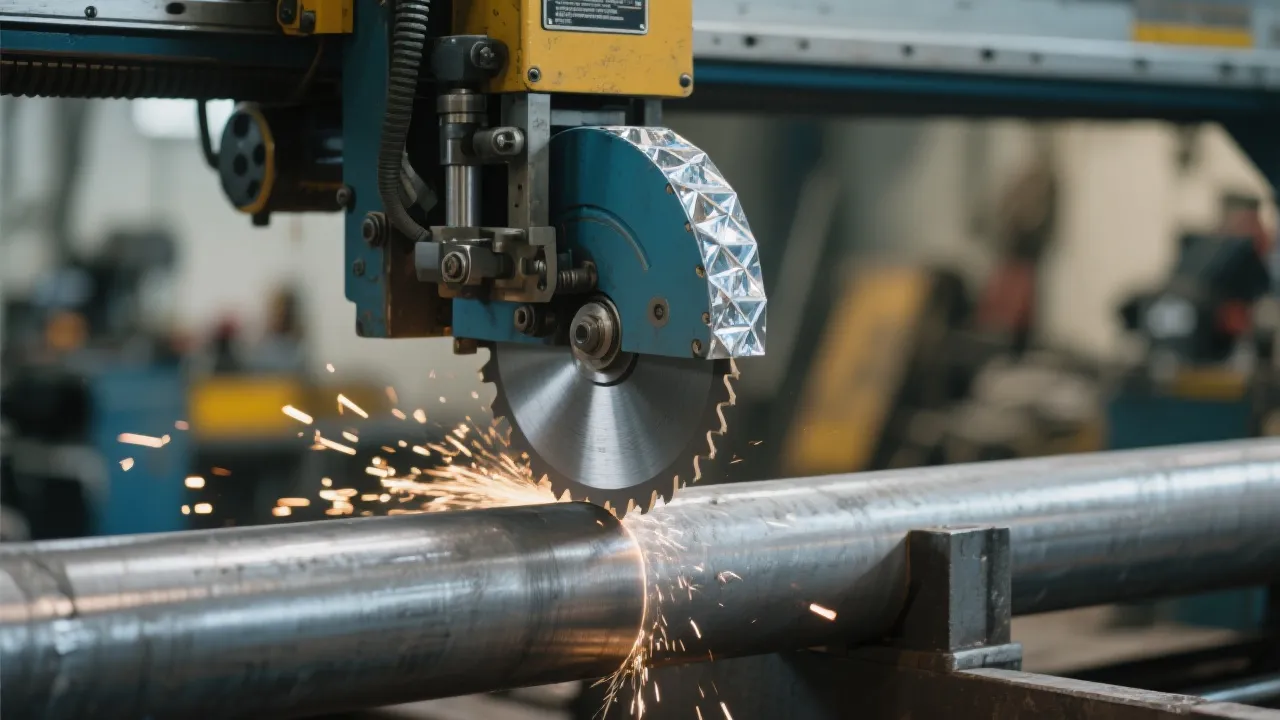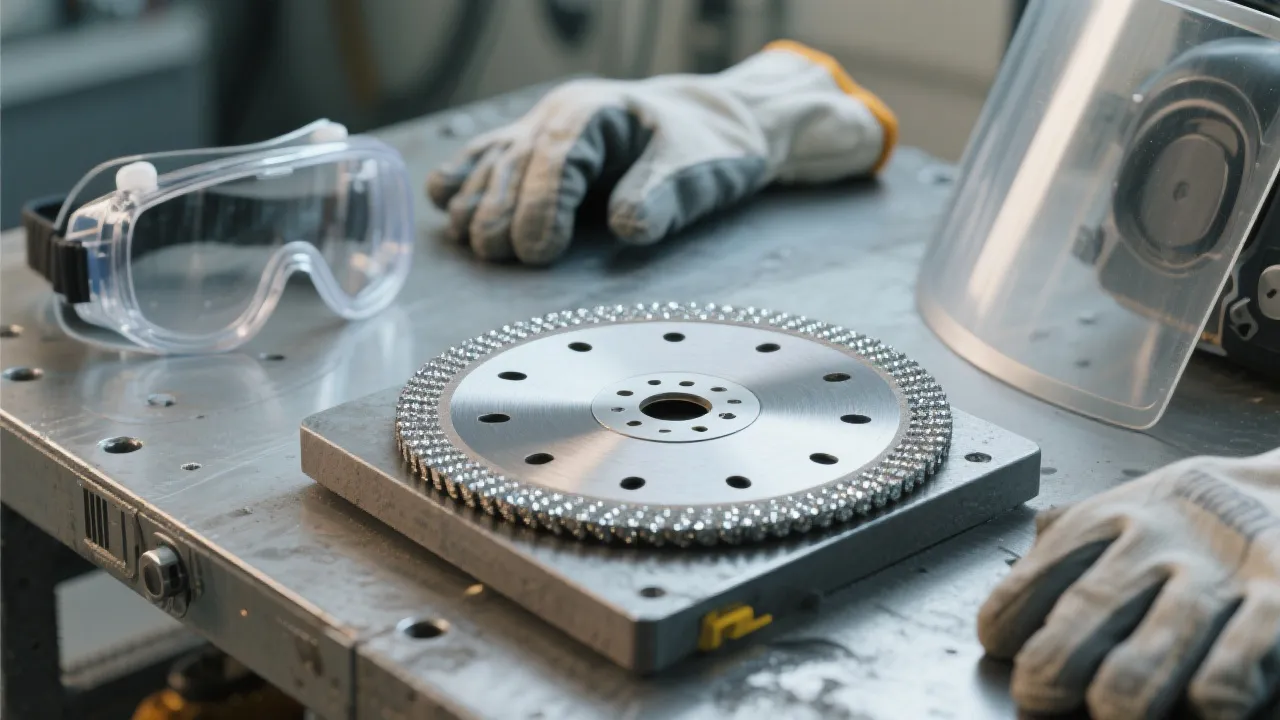
In construction and industrial cutting, “good enough” blades rarely survive real-world variables: uneven feed pressure, rebar surprises, vibration, heat spikes, and the daily demand to keep production moving. Increasingly, professional crews are standardizing on a specific technical combination—high-manganese steel cores paired with vacuum brazed diamond segments—because it tends to deliver the kind of stability and cutting continuity that reduces rework, downtime, and on-site risk.
Common complaints from foremen and equipment managers tend to cluster around: edge chipping on brittle materials, rapid dulling on abrasive substrates, excessive dust/heat when feed rate fluctuates, and frequent blade changes that interrupt workflow. These aren’t just cost issues—they affect cut accuracy, operator safety, and schedule certainty.
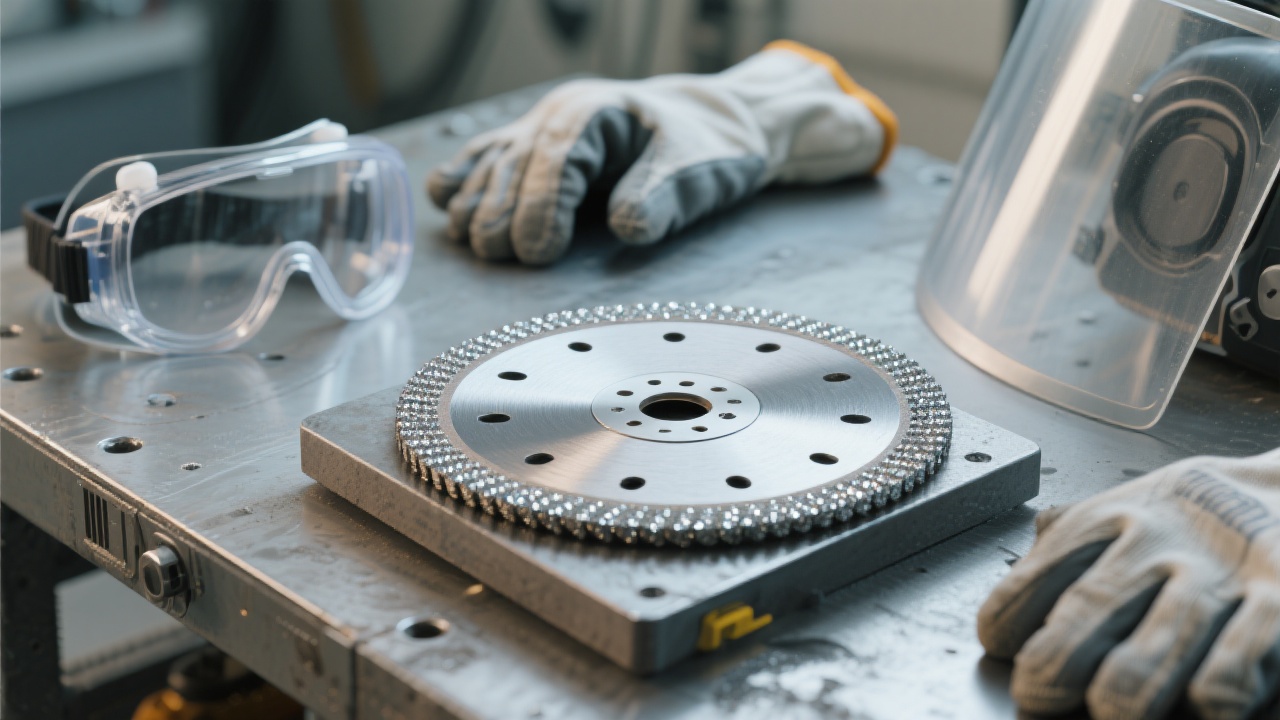
Many buyers compare diamond saw blades by grit size or segment shape, but professional cutting performance is often decided by two less “visible” engineering decisions: the steel core’s toughness under shock load and how securely diamonds are bonded to that core. When either part is weak, the job site exposes it quickly—through wobble, premature wear, segment loss, or inconsistent kerf.
UHD positions this combination—high-manganese steel base + vacuum brazing—as a practical answer to site reality: unpredictable impact, intermittent cooling, and the need for controlled, repeatable cuts across mixed materials.
High-manganese steel is valued in wear and impact applications because it can maintain toughness when subjected to repeated shocks. On a cutting site, this translates into a core that is less likely to deform or lose stability when the operator hits a hard inclusion, changes angle slightly, or runs a longer cut where heat and vibration accumulate.
In field terms: crews care less about lab numbers and more about whether a blade stays predictable through the day. A tougher core can mean fewer “mystery issues” like sudden vibration or a cut that starts drifting halfway through a run.
Vacuum brazing is often chosen for demanding cutting because it creates a strong metallurgical bond between the diamond and the substrate. Unlike surface-level attachment that can fail under thermal cycling, vacuum brazing is designed to keep diamonds anchored when the blade sees repeated heat-up/cool-down cycles, variable feed rates, and abrasive debris.
In many job-site comparisons, crews report vacuum brazed diamond blades can deliver ~20–50% longer effective cutting life versus standard electroplated styles in abrasive applications, and can maintain a more consistent cut rate when the operator alternates between steady feed and short stop/start motions. Actual results depend on material, RPM, coolant/airflow, and operator technique.
The practical difference is confidence: fewer diamonds shedding prematurely means fewer sudden slowdowns, fewer overheating events, and less time spent “forcing” a blade that has lost its bite.
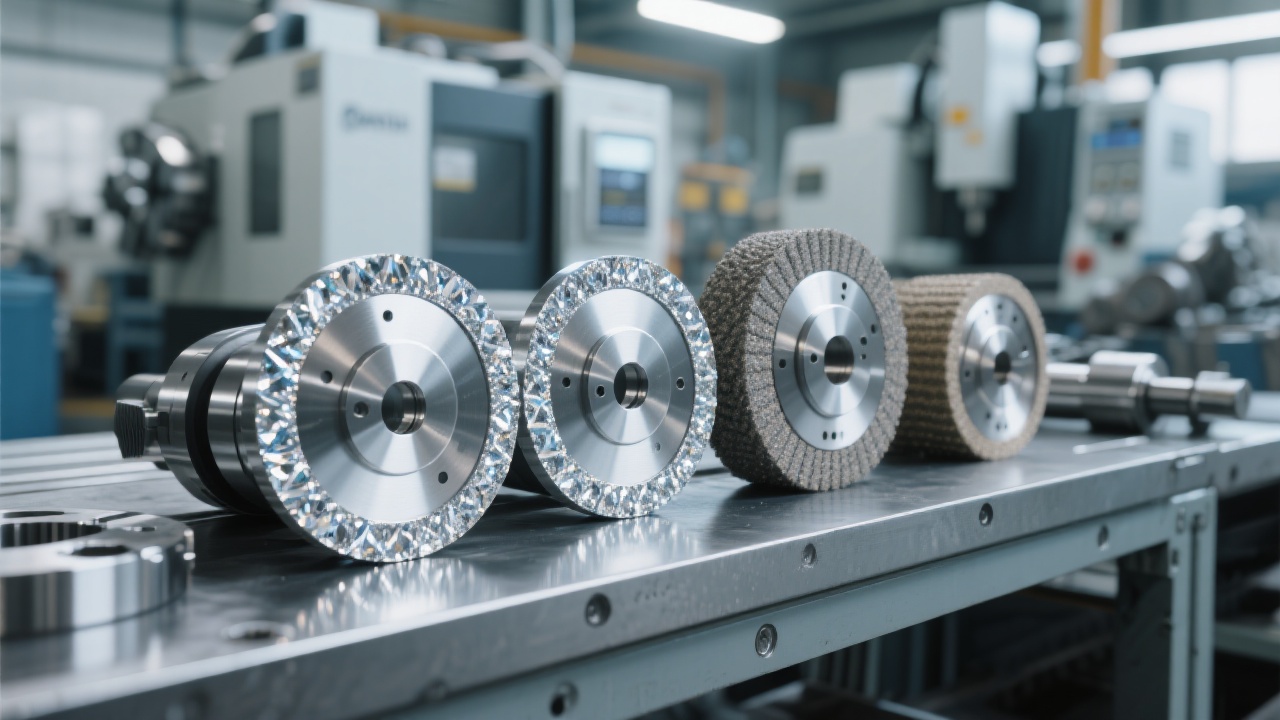
Professional teams typically cut a mix: concrete, masonry, stone, and sometimes metal-adjacent materials. Performance isn’t just “fast or slow”—it’s about edge integrity, heat management, and how stable the blade feels as conditions change.
| Scenario | What Typically Goes Wrong | Why High-Mn + Vacuum Brazed Helps | Field-Style Outcome |
|---|---|---|---|
| Abrasive stone / engineered stone trimming | Glazing, rapid dulling, edge chipping | Stronger diamond retention + tougher core stability under vibration | More consistent feed without forcing; cleaner edge profile |
| Rebar-adjacent concrete cuts | Shock load, kickback risk, segment damage | High-manganese impact tolerance + reliable bond under heat spikes | Straighter tracking and fewer “surprise stalls” |
| Stainless steel (thin sections / site fit-up) | Heat discoloration, burrs, rapid loss of bite if technique is off | Stable core + secure diamond exposure helps maintain controlled contact | More controllable cutting with less operator “overpressure” |
The key is not promising a single blade for every job, but selecting a build that stays stable across the most common disruptions—impact, vibration, and heat cycling. That’s where high-manganese cores and vacuum brazing tend to earn repeat orders.
On a refurbishment project, a contractor had to alternate between stone threshold trimming and short concrete relief cuts near existing reinforcement. The crew’s earlier setup produced a familiar pattern: acceptable speed early on, then rising vibration, more dust, and a tendency to “wander” near the end of longer passes.
After switching to a blade construction focused on core toughness and diamond retention, the crew noted two operational changes that mattered: the blade stayed calmer under intermittent load, and the cut felt more predictable as the day progressed—meaning fewer corrective passes and less temptation to increase pressure to compensate for a dulling edge.
This is exactly how experienced buyers evaluate tooling: not by the first minute of cutting, but by whether performance holds when the site gets messy.
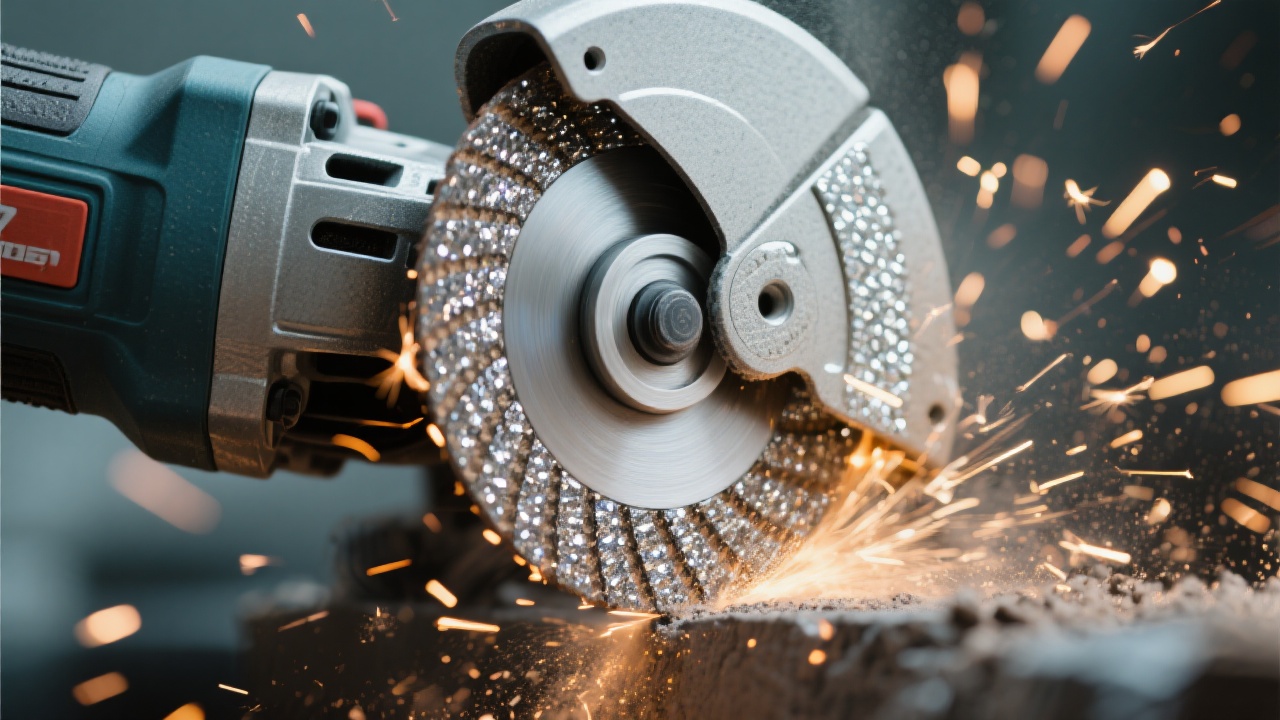
Even the best blade design can be undermined by misalignment, incorrect RPM, or poor flange condition. Professional teams often standardize a setup routine so results are repeatable across operators and shifts.
Tooling life is not just “hours used.” It’s a combination of stability, cut quality, and safety. Many crews use simple indicators to decide when to rotate, redress, or retire a blade.
If you see: rising vibration + louder tone
Check: flange condition, shaft runout, core heat, mounting torque
If you see: slower cutting despite higher pressure
Do: reduce force, improve cooling/dust extraction, verify RPM
If you see: irregular kerf or drift
Check: alignment, blade damage, workpiece stability, operator entry angle
For many supervisors, the real KPI is avoiding unplanned stoppages. A blade that stays predictable reduces the temptation to push harder—one of the most common root causes behind overheating and premature failure.
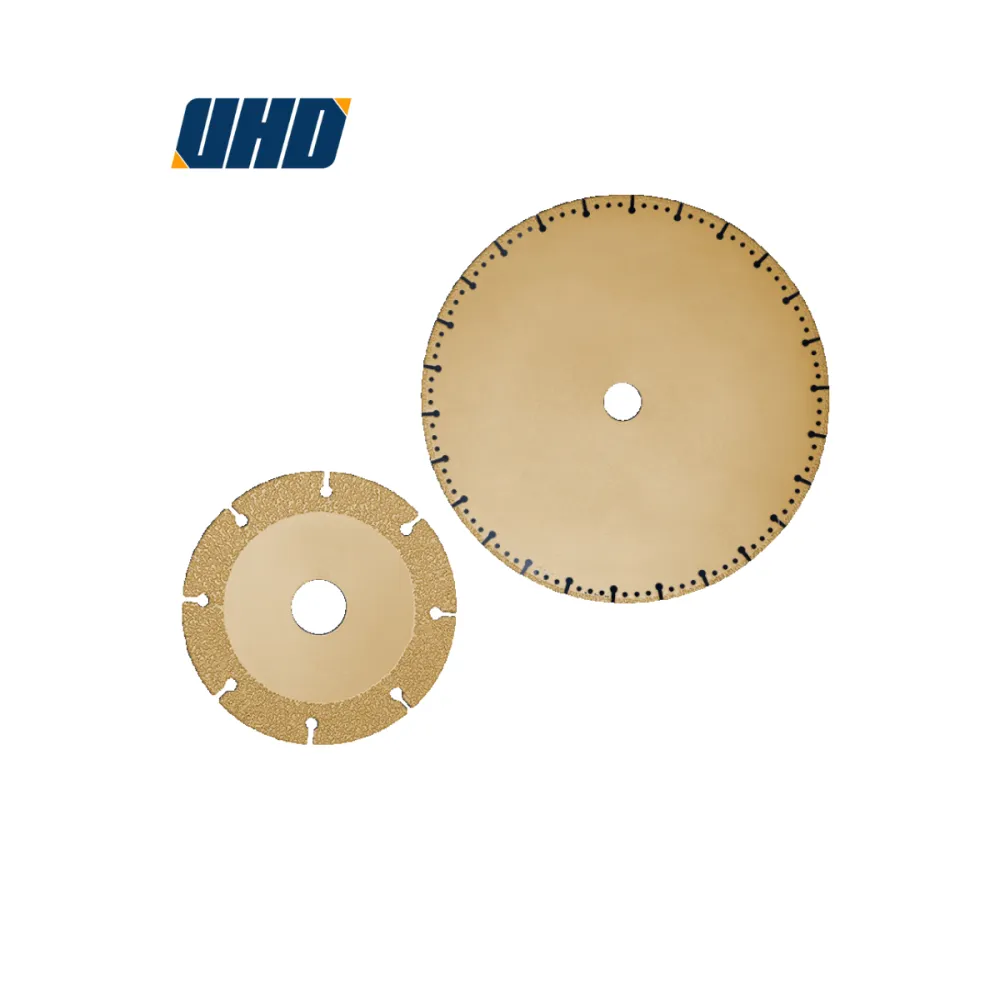
If your team wants more consistent cutting results across operators and shifts, a clear setup routine helps. This checklist is designed for crews using high-manganese steel core and vacuum brazed diamond saw blades, with practical pre-start checks and tuning steps that reduce vibration, overheating, and early wear.
Get the “Diamond Saw Blade Installation & Tuning Checklist” PDFDesigned for professional construction and industrial cutting workflows. No pricing—just practical steps crews can apply immediately.


.png?x-oss-process=image/resize,h_1000,m_lfit/format,webp)
.png?x-oss-process=image/resize,h_1000,m_lfit/format,webp)