How to Use and Maintain Vacuum Brazed Diamond Cutting Abrasives for Higher Cutting Efficiency
17 06,2026
UHD Ultrahard Tools Co., Ltd
Operating Instructions
UHD Ultrahard Tools Co., Ltd provides a practical guide to using and maintaining vacuum brazed diamond cutting abrasives—covering installation, parameter matching, daily care, and efficiency optimization to support sampling, trial runs, and stable batch purchasing.

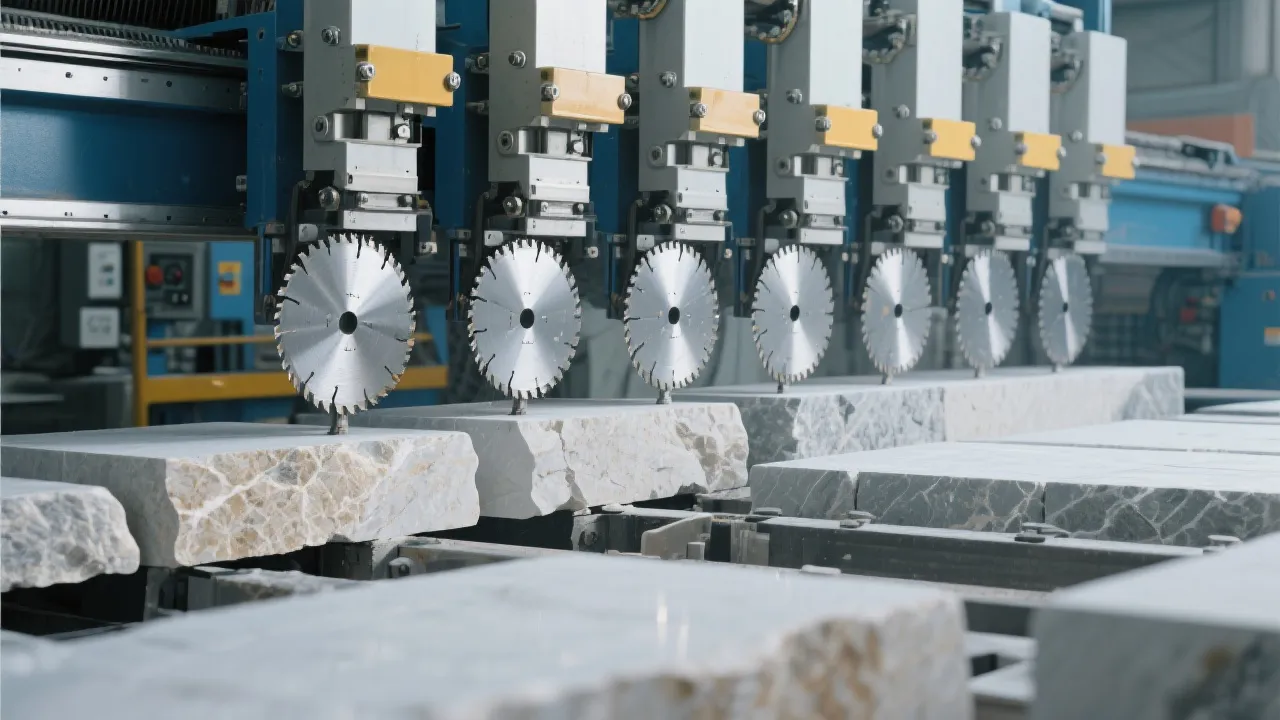
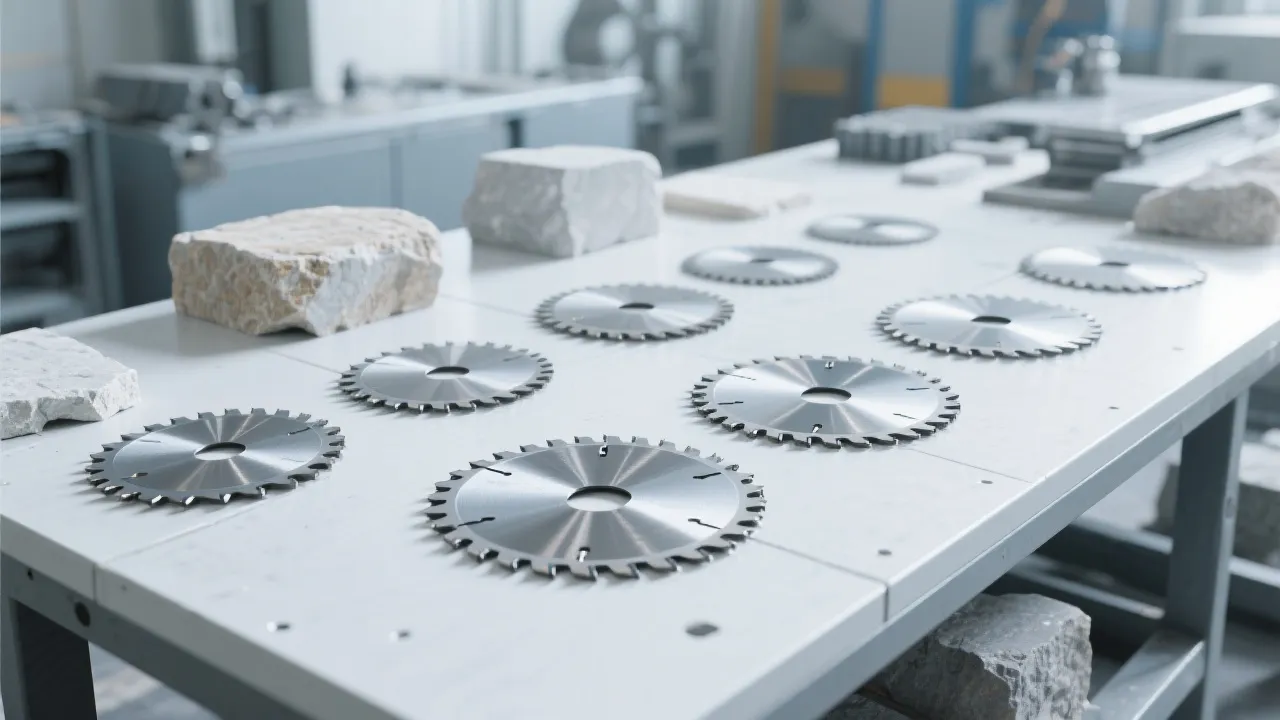
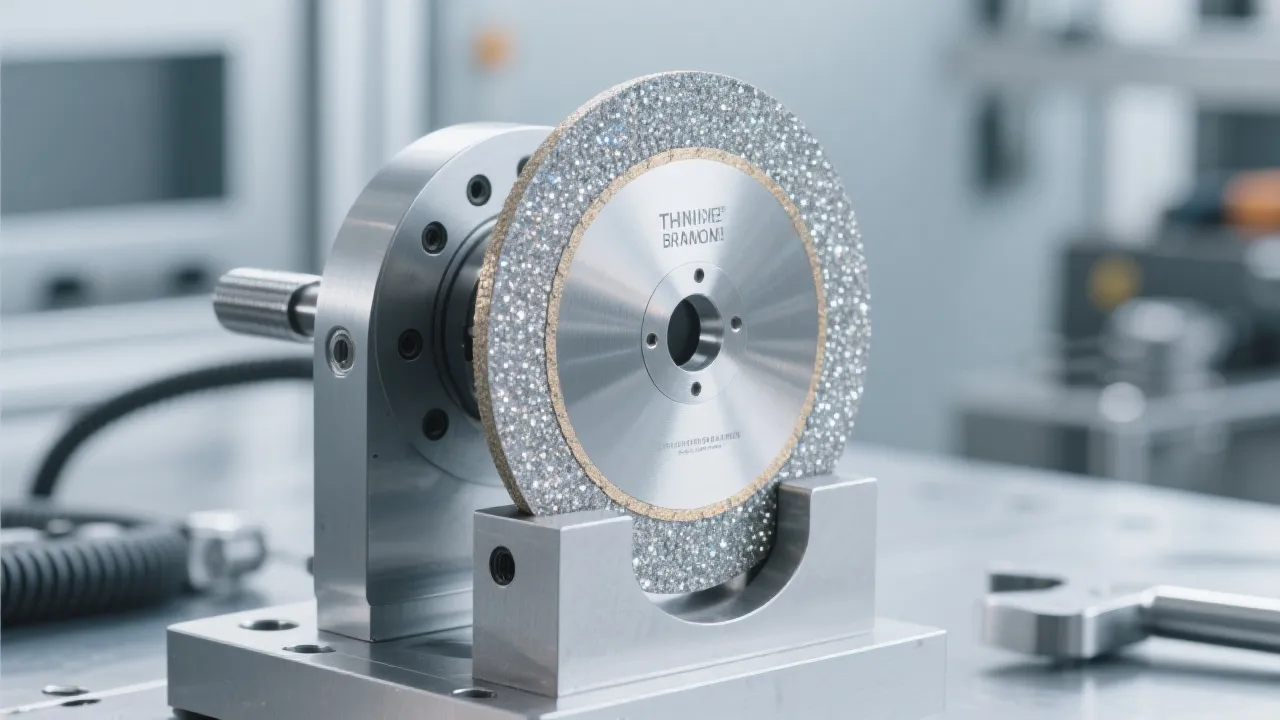
Vacuum brazed diamond cutting abrasives are widely used in metal and stone processing where consistent cutting performance and repeatable results matter. This page provides a practical, shop-floor oriented usage and maintenance guide—covering installation, parameter matching (speed/feed/cooling), daily care, wear evaluation, and efficiency optimization.
Prepared by: UHD Ultrahard Tools Co., Ltd (UHD) — a high-tech enterprise focused on ultrahard tooling R&D, manufacturing, and B2B supply for industrial users.
1) Before You Start: Confirm Tool–Machine–Material Fit
Quick pre-check (recommended)
- Verify the abrasive type/shape is suitable for your process (cutting vs. grinding) and your target material (metal or stone).
- Confirm the machine interface matches (mounting, arbor size, threads, flange seating, direction of rotation).
- Ensure the machine power and rigidity are adequate; excessive vibration will reduce stability and accelerate wear.
- Check whether your operation is intended dry or wet (coolant available and properly routed).
Note: Parameter matching is the core of stable cutting. If the abrasive is correct but parameters are not, results may look inconsistent during sampling or trial runs.
2) Installation Checklist (Safety + Repeatability)
-
Inspect the abrasive before mounting: check for visible damage, deformation, or contamination on the working surface.
-
Clean contact surfaces: ensure the flange/arbor and mating surfaces are clean and free of burrs to prevent runout.
-
Mount in the correct rotation direction: follow any direction marking on the tool body (if present).
-
Tighten correctly: secure according to your machine/tooling standards; avoid over-tightening that can cause stress or distortion.
-
Run-in at low load: start with a short, light contact pass to confirm stability before full production cutting.
3) Parameter Matching: Speed, Feed, and Cooling
To improve cutting efficiency without sacrificing stability, treat the process as a controlled system: speed, feed, and cooling must be matched to your material and machine condition. UHD recommends recording parameters during trials so results can be repeated in batch production.
| Parameter |
What to watch |
If efficiency is low |
If wear or heat rises |
| Spindle speed / surface speed |
Stability, vibration, surface finish, heat trend |
Increase gradually while monitoring vibration and cut quality |
Reduce slightly; verify coolant delivery or switch to wet cutting when possible |
| Feed rate / downforce |
Chip removal, cutting sound, overload risk |
Increase in small steps after stable run-in; keep cut consistent |
Decrease feed or use staged passes to lower thermal and mechanical load |
| Cooling / lubrication |
Temperature, dust control, debris removal |
Improve debris evacuation; ensure coolant reaches the contact zone |
Increase flow and targeting; pause briefly to manage heat in demanding cuts |
| Process stability |
Runout, clamping rigidity, consistent workholding |
Check mounting and workholding; remove vibration sources |
Re-check alignment; consider reducing aggressive passes until stable |
Practical trial-run approach (for sampling)
- Start conservative: low load + short run-in pass.
- Change only one variable at a time (speed or feed or cooling) and record the outcome.
- Lock the best-performing parameter set and repeat to verify consistency before batch purchasing.
4) Daily Care: Cleaning, Inspection, and Storage
After each shift (recommended)
- Remove debris: keep the working surface free of adhered chips/slurry to maintain cutting action.
- Check mounting interfaces: inspect flange/arbor seating areas for contamination that can introduce runout.
- Inspect for abnormal wear: look for uneven contact patterns that often indicate misalignment, vibration, or parameter mismatch.
- Store properly: keep tools dry, protected from impact, and separated to avoid edge damage during handling.
Common avoidable issues
- Running with excessive vibration (often caused by poor clamping, runout, or unstable workholding).
- Using aggressive load without confirming cooling and debris evacuation.
- Skipping the run-in step after a fresh installation or parameter change.
5) Wear Evaluation: When to Adjust Parameters vs. Replace
Wear evaluation helps you decide whether performance issues come from the tool condition or from the cutting setup. In production environments, a simple and repeatable inspection routine often improves stability more than frequent tool changes.
- Uneven wear pattern: typically points to runout, misalignment, or vibration—adjust the setup first.
- Heat-related symptoms: review cooling delivery and reduce aggressiveness; confirm debris removal.
- Gradual efficiency drop: re-optimize speed/feed within a controlled range and validate with a repeat trial cut.
- Visible damage or deformation: stop and replace; inspect the machine interface and clamping method to prevent recurrence.
6) Cutting Efficiency Optimization (Practical Steps)
-
Stabilize first: confirm mounting, workholding, and low-vibration operation.
-
Run-in consistently: repeat the same short run-in method after tool changes or major parameter shifts.
-
Match parameters to the material: adjust speed and feed in small increments; avoid multiple changes at once.
-
Improve cooling and evacuation: ensure coolant (or airflow/dust extraction) reaches the cutting zone and removes debris effectively.
-
Document what works: record the final parameter set for future repeatability—especially important for trial runs transitioning into batch procurement.
7) Who This Guide Is For (Typical B2B Use)
Metal processing teams evaluating stable cutting performance for repeated production runs.
Focus: parameter matching, vibration control, and consistent trial-to-batch results.
Stone processing teams seeking predictable cutting behavior and manageable daily maintenance.
Focus: cooling/evacuation, cleanliness, and wear pattern checks to maintain repeatability.
Work With UHD for Sampling and Repeatable Procurement
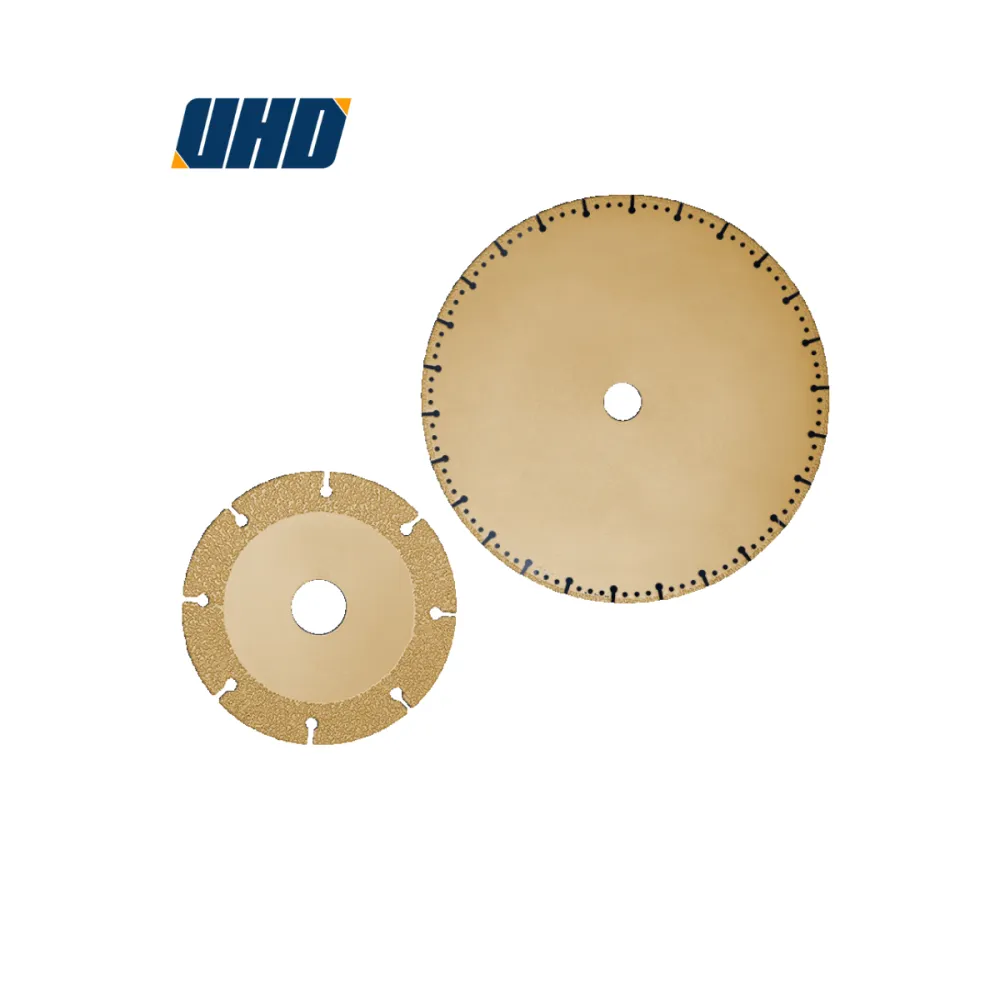
UHD Ultrahard Tools Co., Ltd supports B2B buyers with vacuum brazed diamond cutting abrasives and practical technical communication for sampling, trial cutting, and repeatable batch purchasing. If you share your application scenario (material type, machine model, process goal, dry/wet cutting, and current parameters), our team can help you structure a clearer trial plan and evaluation checklist.
Information to prepare for faster alignment
- Workpiece material and hardness/grade (if known), and whether the cut is intermittent or continuous
- Machine type, spindle speed range, and fixture/workholding method
- Current speed/feed/cooling settings and the main issue (efficiency, heat, edge quality, tool life stability)
- Target output requirement and trial acceptance criteria (repeatability, finish, throughput)


.png?x-oss-process=image/resize,h_1000,m_lfit/format,webp)

.png?x-oss-process=image/resize,h_1000,m_lfit/format,webp)