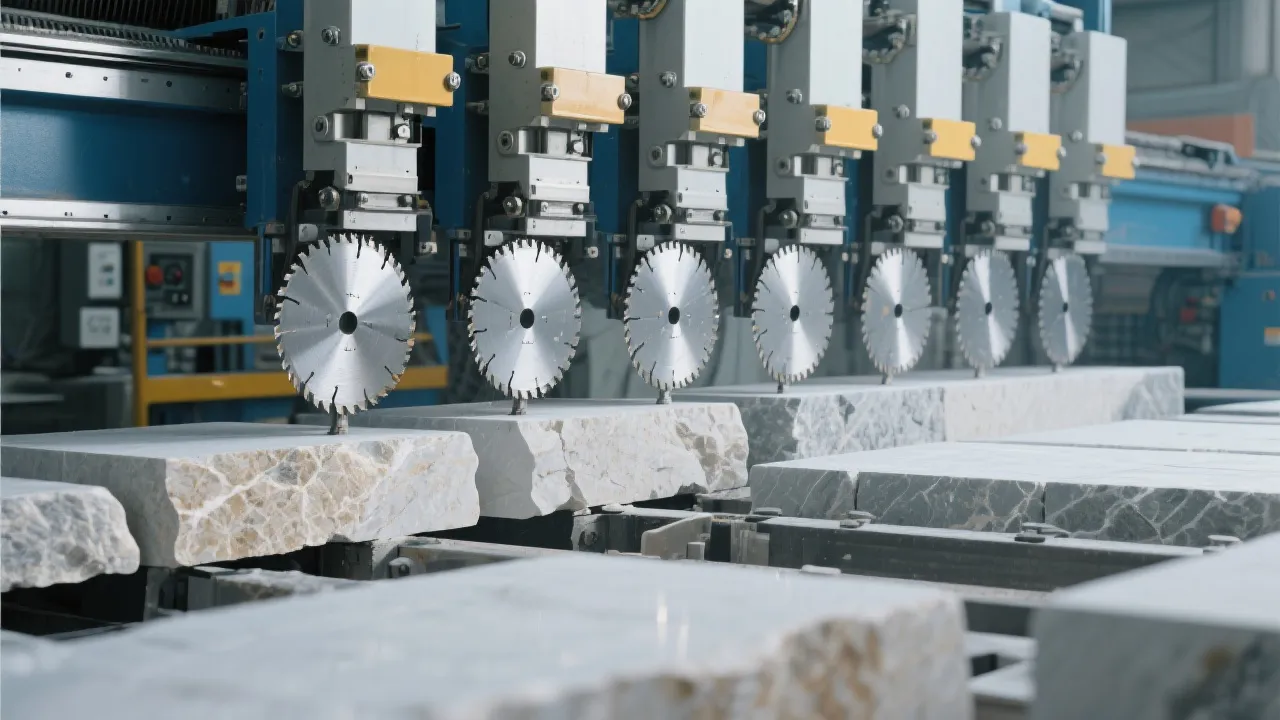
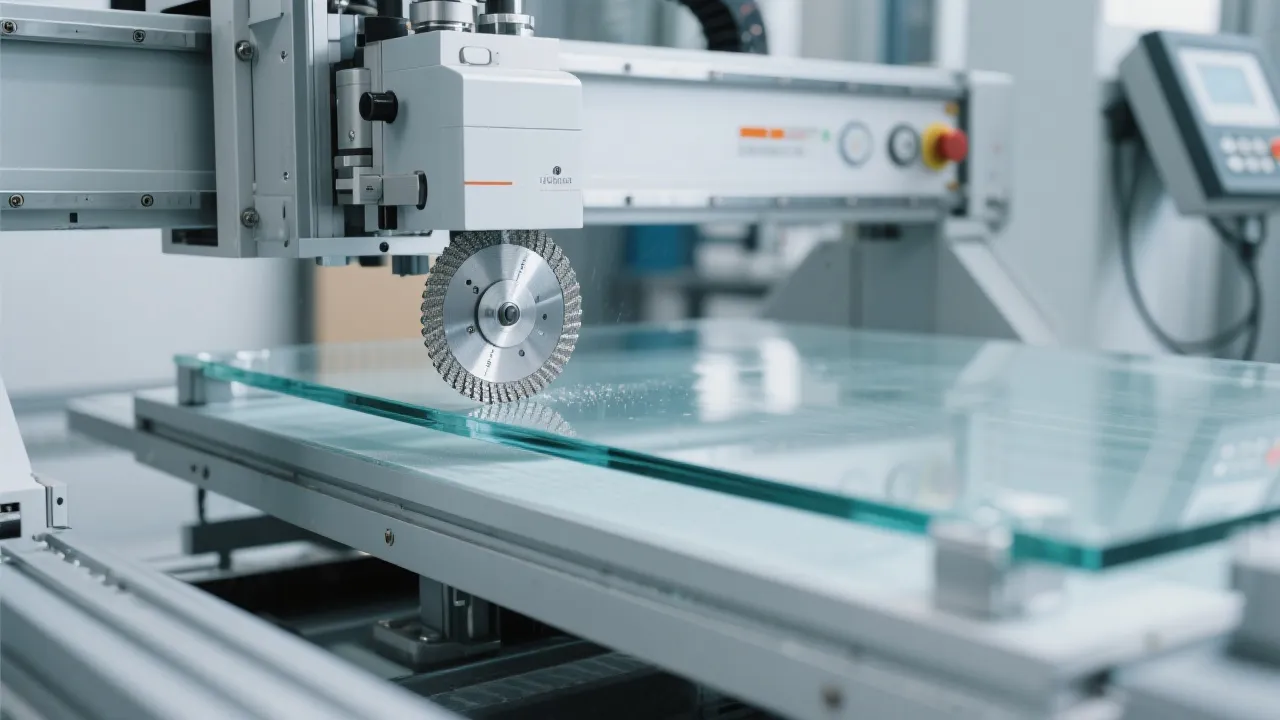
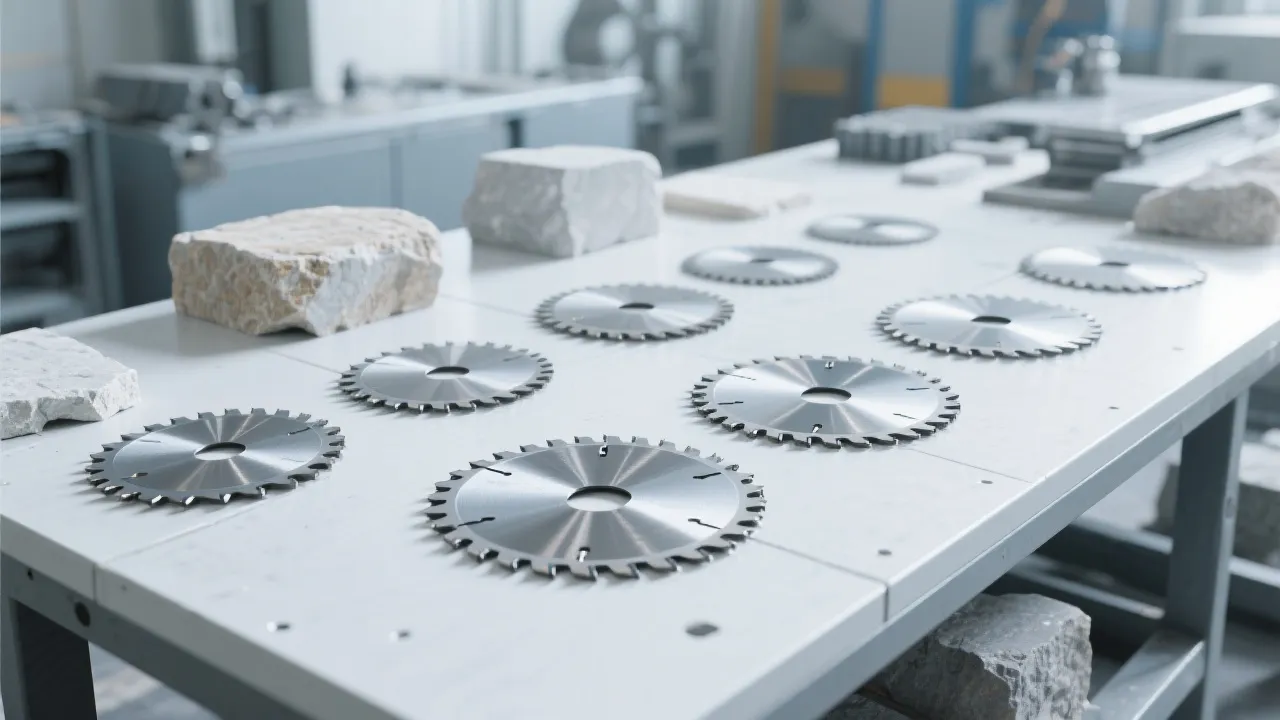
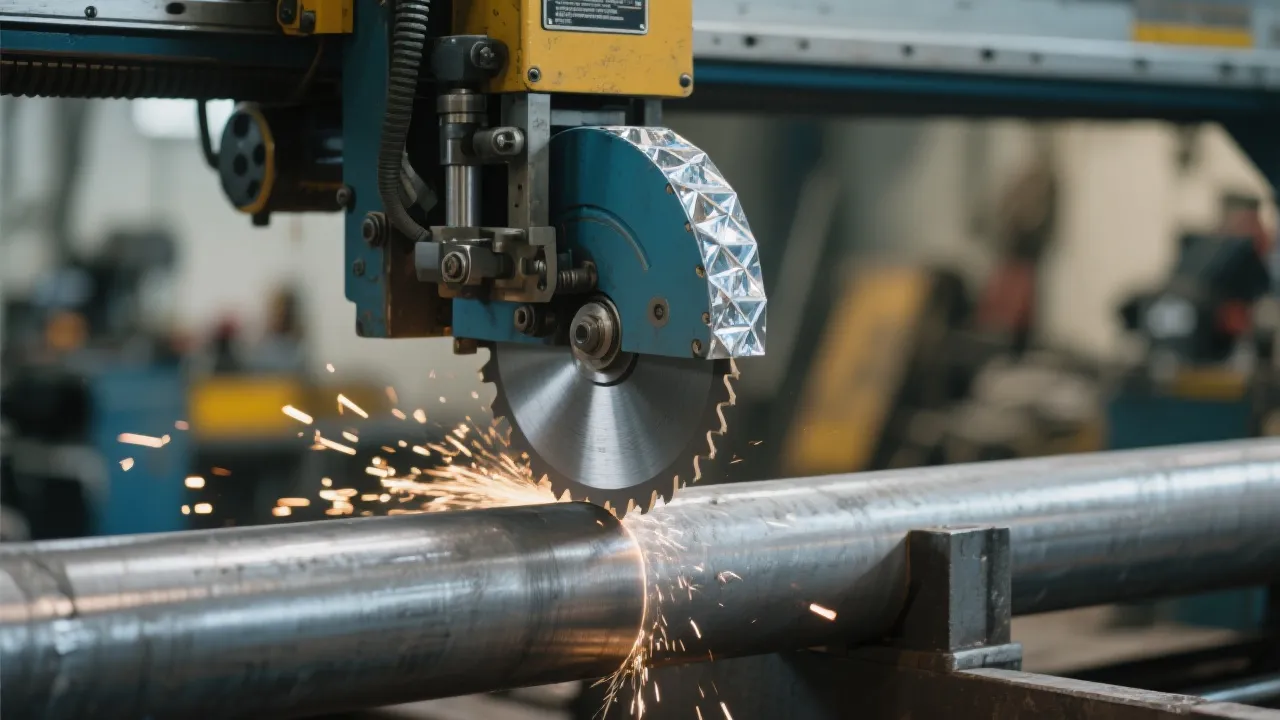
Vacuum brazed diamond cutting abrasives are a category of ultrahard material tools designed for high-efficiency cutting and grinding where conventional abrasives may wear quickly or lose sharpness. This page explains the core definition, structural characteristics, typical industrial use cases, and clear application boundaries—so buyers and engineers can evaluate fit for metal and stone processing.
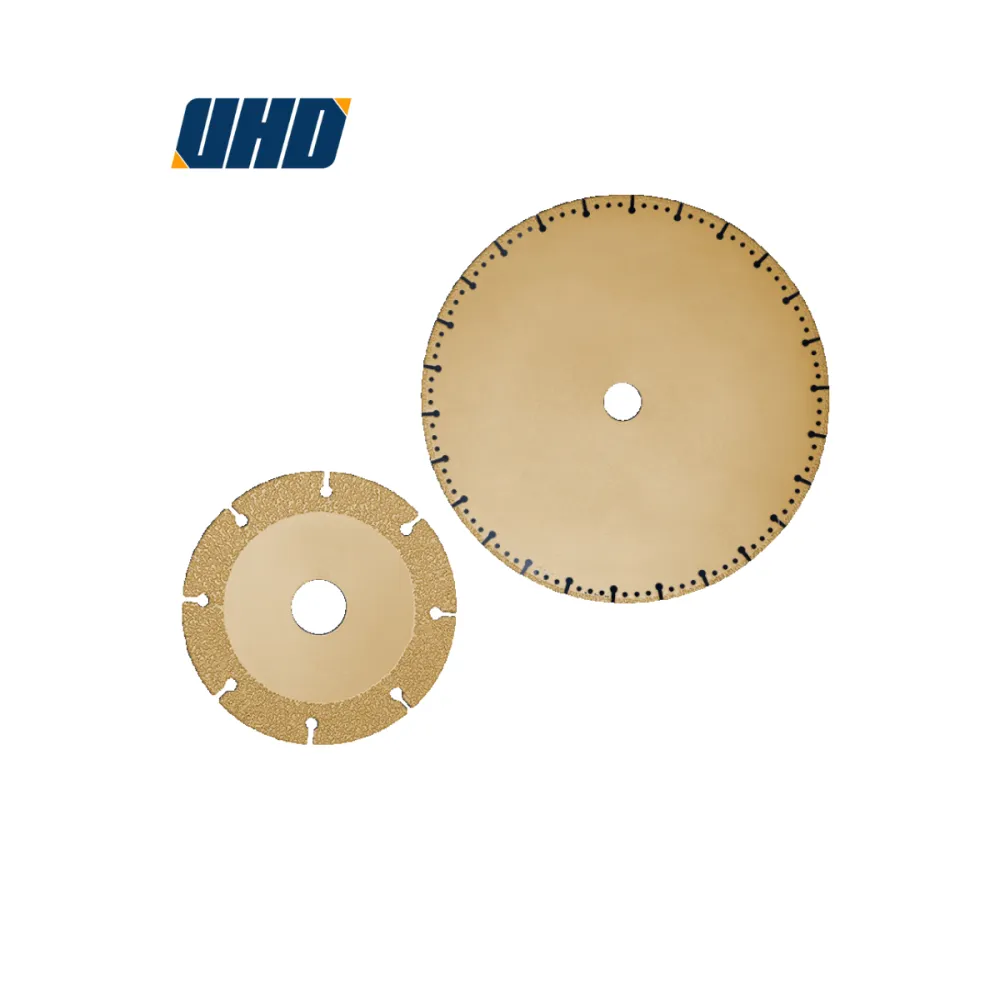
As an ultrahard tools manufacturer, UHD Ultrahard Tools Co., Ltd develops and supplies vacuum brazed diamond abrasives including vacuum brazed diamond grinding wheels with customizable sizes to match specific processes and drawings.
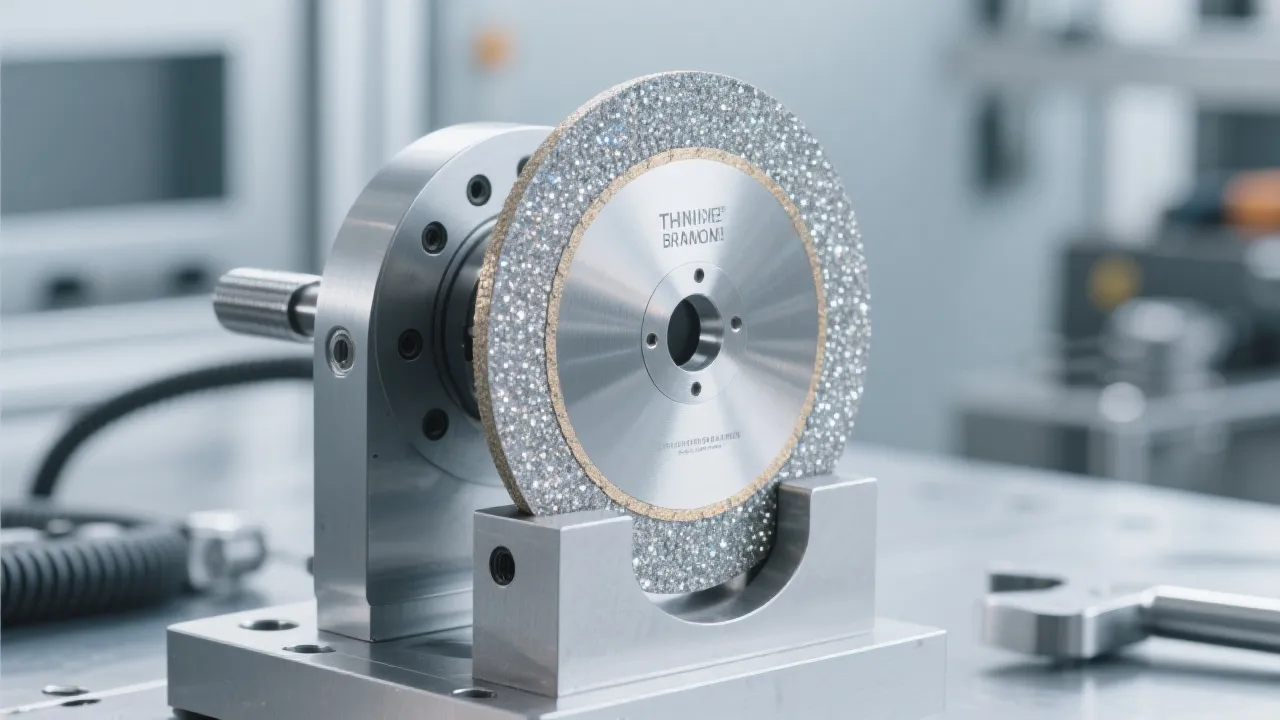
A vacuum brazed diamond cutting abrasive is an abrasive tool in which diamond grit is fixed to a metal base via a vacuum brazing process. In practical terms, the brazed layer is intended to hold diamond particles firmly so the tool can maintain cutting/grinding ability under demanding conditions.
Key idea: vacuum brazing focuses on strong grit retention and consistent working edges, supporting sharp grinding and stable performance during processing.
Diamond particles act as the working cutting points. For many industrial tasks, this helps deliver high grinding efficiency and stable stock removal.
The brazed bond is designed to resist grit shedding and support durability. UHD’s vacuum brazed process is used to target sharp grinding and long tool life.
The base determines mounting compatibility and geometry. For production needs, wheel dimensions can be customized to drawings to fit machines and process parameters.
Vacuum brazed diamond cutting abrasives are commonly evaluated where high-efficiency grinding/cutting and long service life are priorities. UHD’s vacuum brazed diamond grinding wheel is suitable for processing materials including: ductile iron, gray iron, ceramics, and rubber.
Application boundary note: final suitability depends on machine type, wheel geometry, operating parameters, and the specific workpiece material. If you share your material, process goal, and drawing/size requirement, UHD can help confirm an appropriate vacuum brazed diamond grinding wheel specification.
| Evaluation point | Vacuum brazed diamond cutting abrasive | Conventional abrasive (general) |
|---|---|---|
| Abrasive medium | Diamond grit (ultrahard) | Often non-diamond abrasives (varies) |
| Bonding approach | Vacuum brazed bonding designed for grit retention | Common bonds include resin/vitrified/metal (varies) |
| Performance focus | Sharp grinding, durability, long service life (application-dependent) | Balanced cost/performance for general tasks (application-dependent) |
| Procurement considerations | Best evaluated by material, process target, and wheel geometry; often chosen to reduce changeovers | Common, widely compatible; selection depends on task/material |
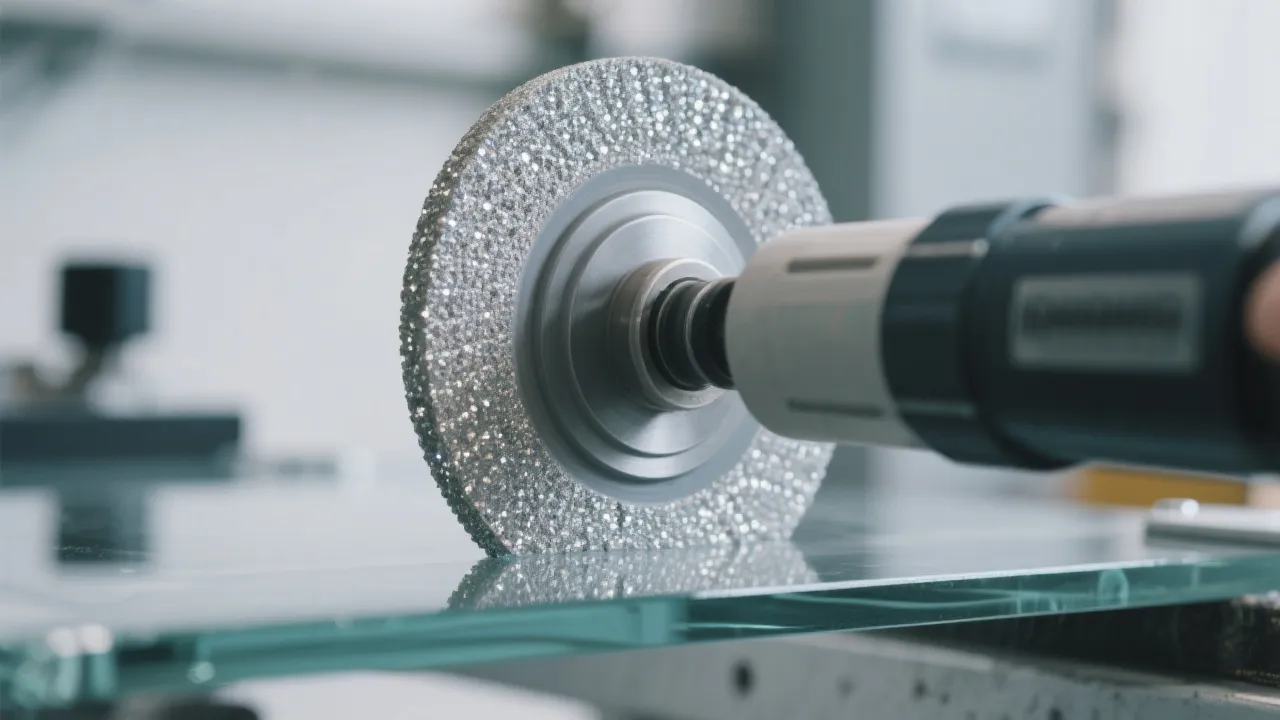
UHD’s vacuum brazed diamond grinding wheel (also referred to as a brazed diamond wheel) is positioned for industrial grinding where wear resistance and service life matter. It is manufactured using a vacuum brazed layup process with selected diamond raw materials to support sharp grinding and stable use.
Workpiece material
e.g., ductile iron / gray iron / ceramic / rubber
Process type
grinding or cutting step, target surface & removal rate
Machine & mounting
spindle, speed range, installation constraints
Wheel drawing/size
OD, ID, thickness, profile, tolerance requirements
UHD Ultrahard Tools Co., Ltd follows a quality-focused approach and continuously improves product performance using production management and customer feedback. UHD also collaborates with academic institutions (including Henan University of Technology) to support ongoing R&D in ultrahard material tooling.
For international B2B buyers, UHD maintains a dedicated foreign trade service workflow to support communication, specification confirmation, and order coordination across markets.
If you are evaluating vacuum brazed diamond cutting abrasives for metal or stone processing, share your material, operating conditions, and drawing requirements. UHD can align a vacuum brazed diamond grinding wheel specification with your process goals and production constraints—without over-specifying cost or under-specifying durability.
Note: Tool performance varies by machine setup and process parameters. Selection should be validated with your specific material and operating conditions.
.png?x-oss-process=image/resize,h_1000,m_lfit/format,webp)


.png?x-oss-process=image/resize,h_1000,m_lfit/format,webp)