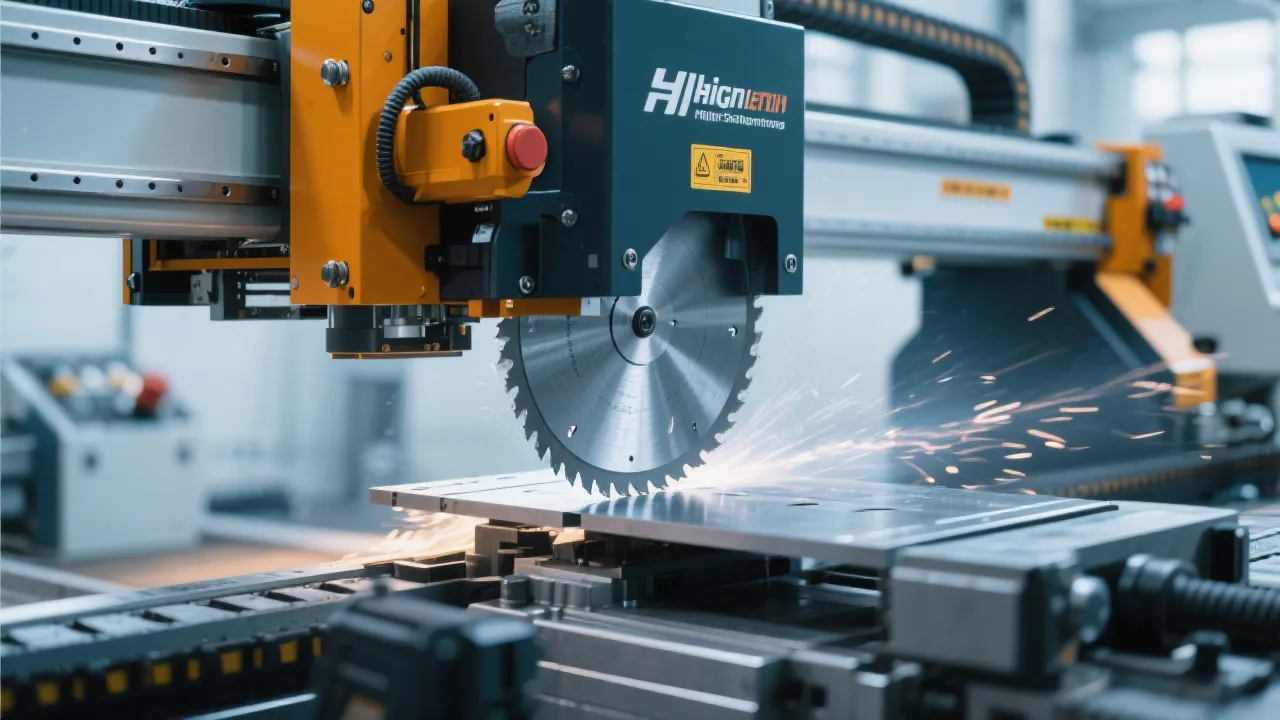
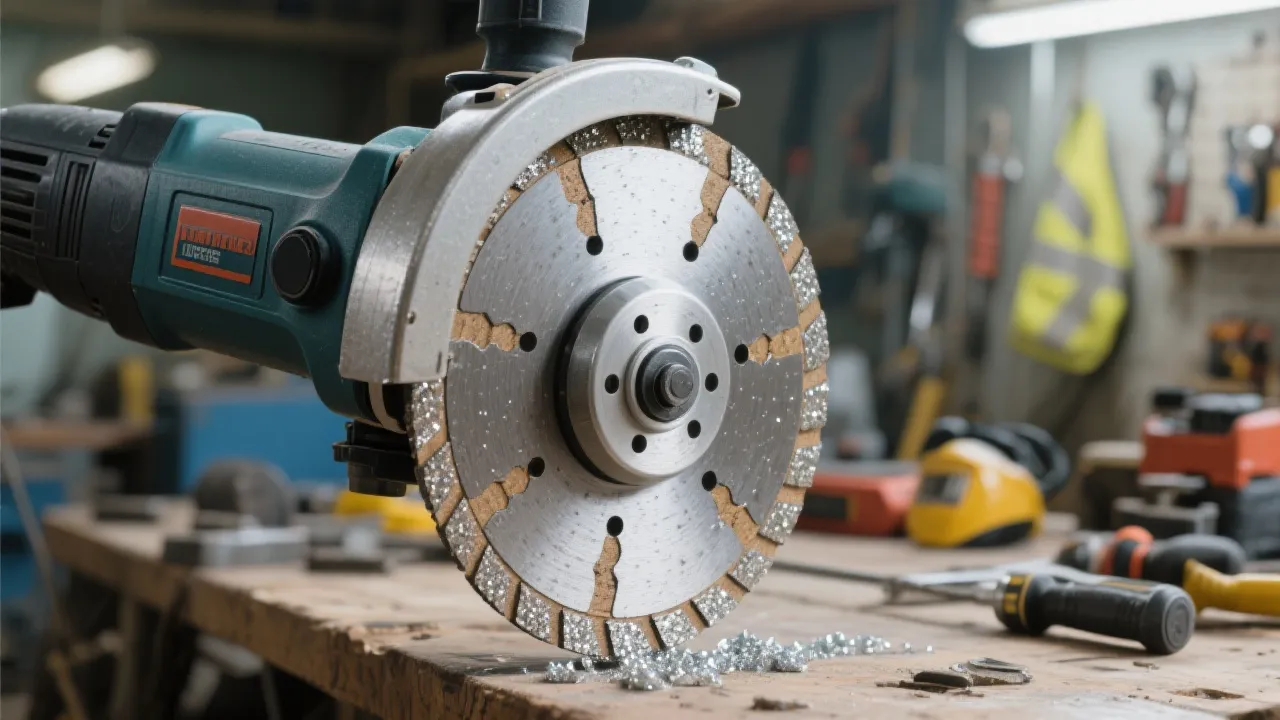
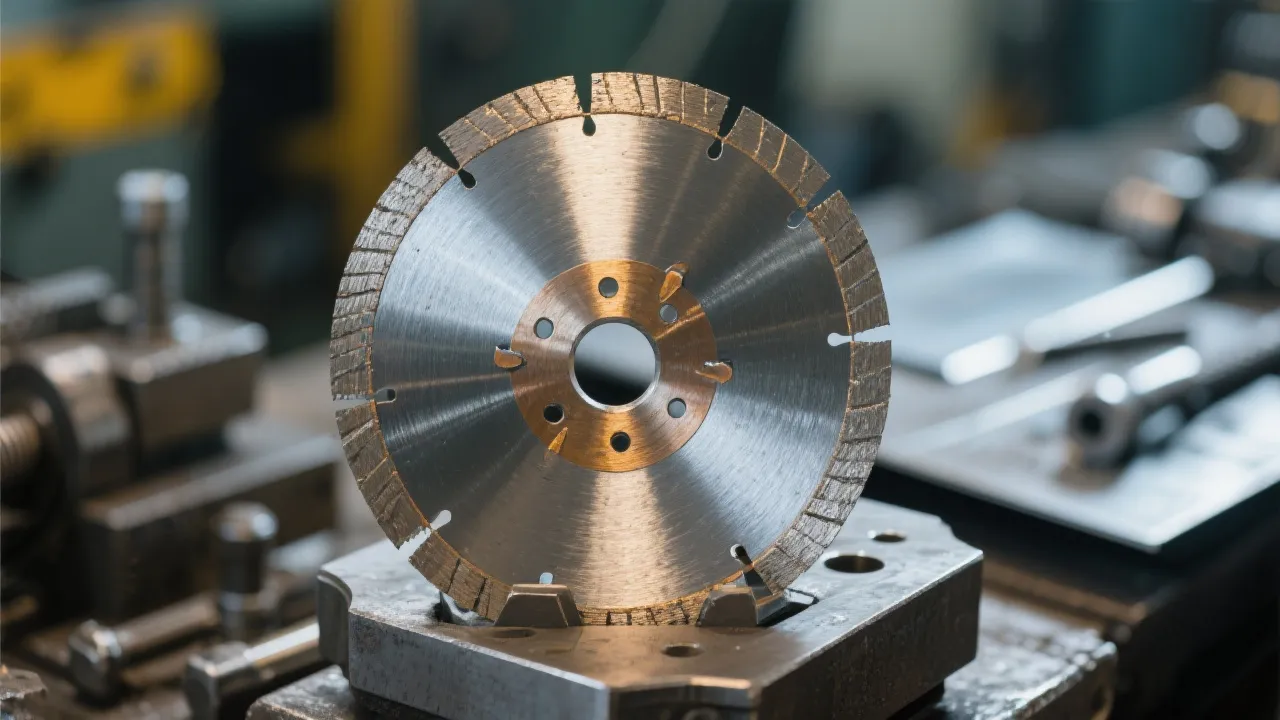
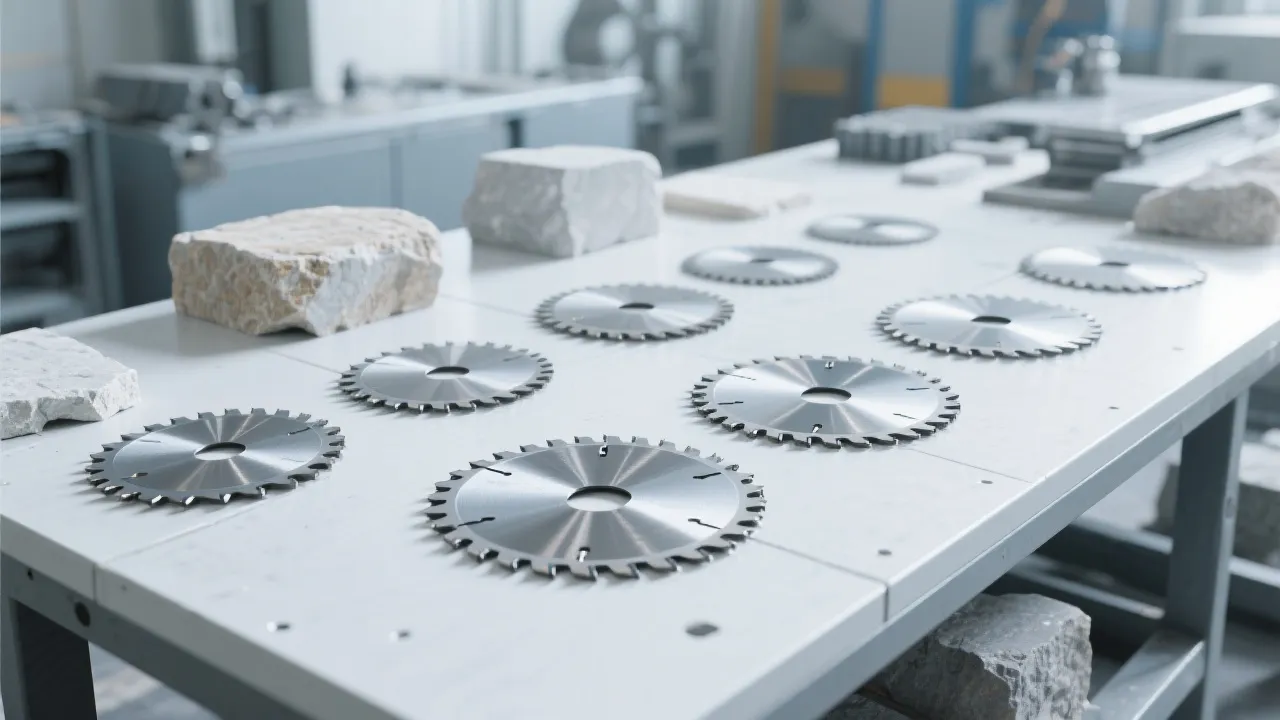
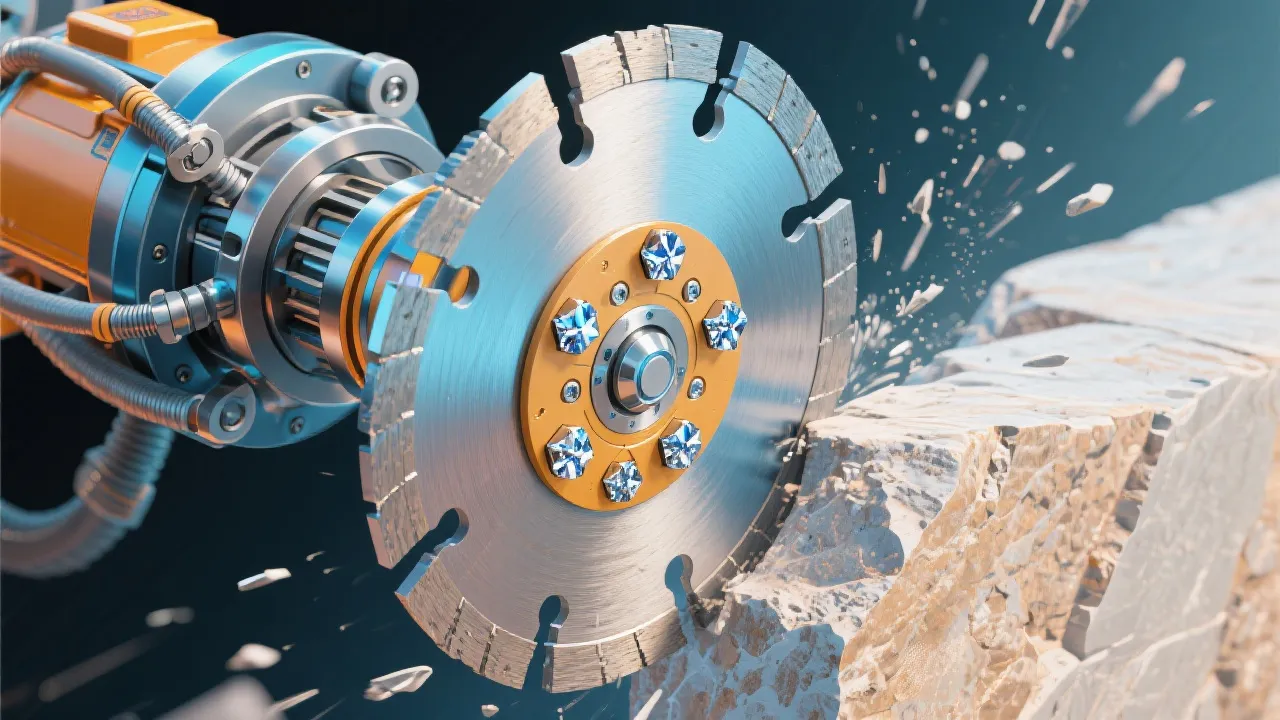
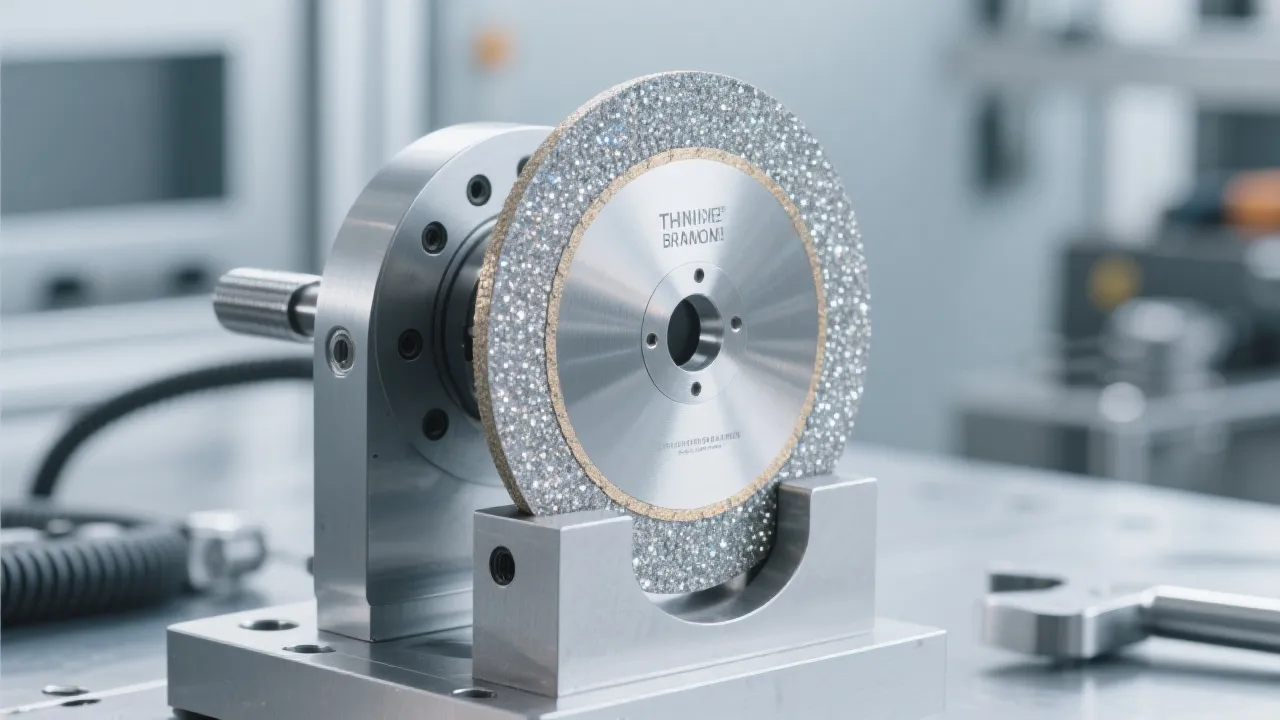
Vacuum brazed diamond abrasives are widely used in industrial cutting and machining because they can deliver aggressive cutting action with stable grit exposure. In real production, however, cutting efficiency and processing stability depend less on the tool alone and more on how well material matching, process parameters, heat dissipation control, and maintenance routines are managed.
This application guide from UHD Ultrahard Tools Co., Ltd (UHD) summarizes practical operating points for process engineers, manufacturing technicians, and procurement teams evaluating vacuum brazed diamond abrasive solutions for consistent results.
Stable processing begins with a clear definition of the workpiece material and the intended operation (cutting, grinding, edge shaping, deburring, or surface preparation). Vacuum brazed diamond abrasives are typically selected when you need strong cutting ability and reliable grit retention, but the best-performing configuration still depends on the application boundary conditions.
If you are sourcing customized vacuum brazed diamond abrasives, provide UHD with the workpiece material, operation type, machine model, and expected throughput so the abrasive specification can be aligned with the process window rather than guessed.
Cutting efficiency is primarily influenced by whether the abrasive grains can engage the workpiece effectively without overheating or inducing chatter. Instead of relying on a single “best” setting, establish a controlled parameter selection routine and adjust based on measurable feedback.
| Parameter | What it impacts | Practical adjustment logic |
|---|---|---|
| Spindle speed / surface speed | Chip formation, heat generation, cut aggressiveness | If heat rises quickly or burn marks appear, lower speed and improve cooling; if removal is too slow with stable temperature, increase speed gradually. |
| Feed rate / traverse speed | Material removal rate and stability under load | Too low feed may cause rubbing and heat; too high may cause vibration or edge damage. Increase/decrease in small steps while monitoring sound and surface quality. |
| Depth of cut / contact pressure | Grit engagement, tool load, risk of chatter | Start conservatively to confirm rigidity; increase only if the fixture and spindle can hold stable contact without excessive vibration. |
| Contact path / overlap strategy | Uniformity of removal and local overheating | Avoid concentrating contact on a single band; use consistent overlap and keep the tool moving to distribute heat and wear. |
| Machine rigidity & runout | Processing stability and tool life | If chatter persists, check spindle bearings, wheel/fixture balance, alignment, and runout before changing abrasive specifications. |
For most instability issues, treat parameter selection as a controlled loop: set → cut → observe heat/sound/surface → adjust one variable at a time. This helps you separate tool-related factors from machine/fixturing factors.
Heat is one of the most common drivers of inconsistent performance in industrial cutting and machining. Effective cooling improves processing stability by reducing thermal damage risk, limiting thermal expansion effects, and keeping cutting action consistent.
Vacuum brazed diamond abrasives are designed to retain abrasive grains securely. To sustain cutting efficiency over time, focus on correct handling, stable mounting, and preventive maintenance that supports repeatable contact conditions.
When stability issues appear, avoid changing multiple variables at once. A disciplined approach—one adjustment per trial—shortens troubleshooting time and reduces scrap risk.
Improving cutting efficiency while controlling heat and vibration in rigid setups, especially where consistency across parts matters.
Stabilizing removal rate and surface quality by aligning cooling, contact path, and parameter windows with abrasive behavior.
Supporting procurement decisions with clearer input requirements and performance checks during trials and pilot runs.
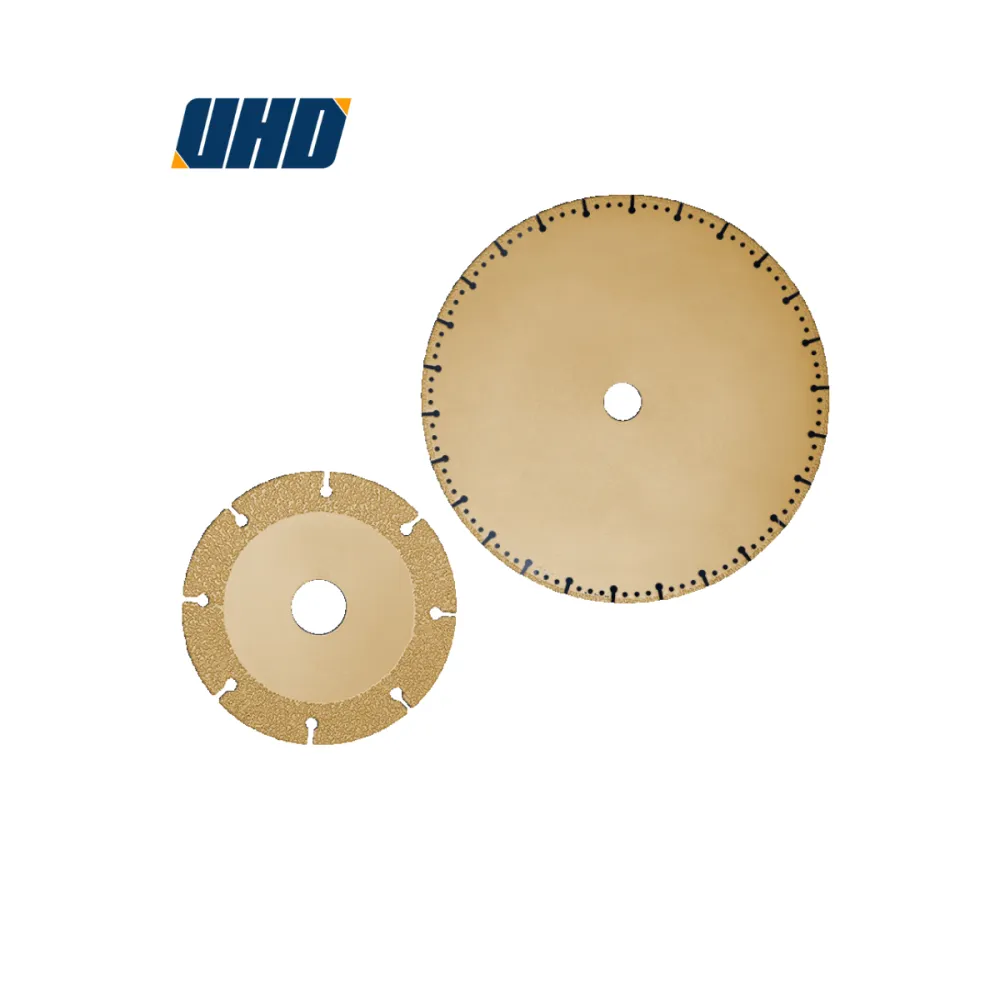
UHD Ultrahard Tools Co., Ltd focuses on R&D, manufacturing, and B2B supply of ultrahard material tools, including vacuum brazed diamond abrasives. With an application-oriented mindset, UHD supports industrial users by aligning abrasive configuration with real machining conditions and by communicating clearly on process parameters and usage practices.
By treating material matching, process parameters, heat dissipation control, and maintenance as one integrated system, you can improve cutting efficiency while maintaining processing stability—especially in high-repeat industrial production.

.png?x-oss-process=image/resize,h_1000,m_lfit/format,webp)
.png?x-oss-process=image/resize,h_1000,m_lfit/format,webp)