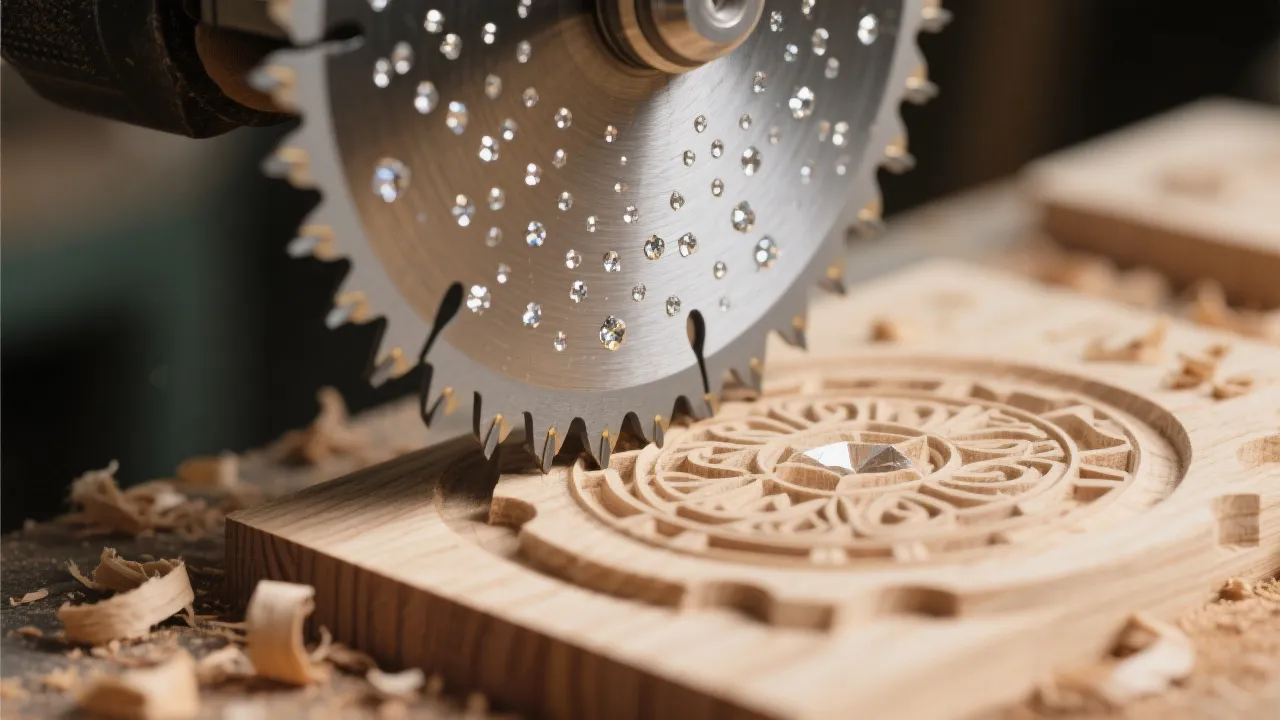
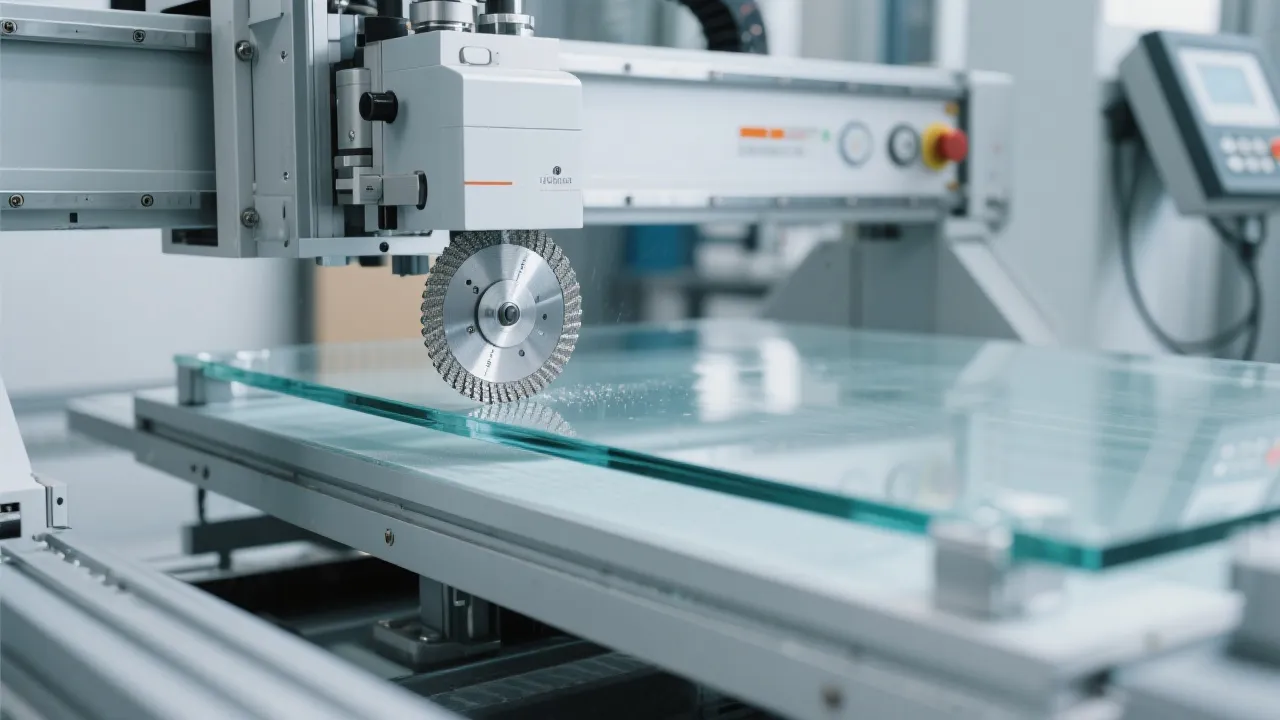
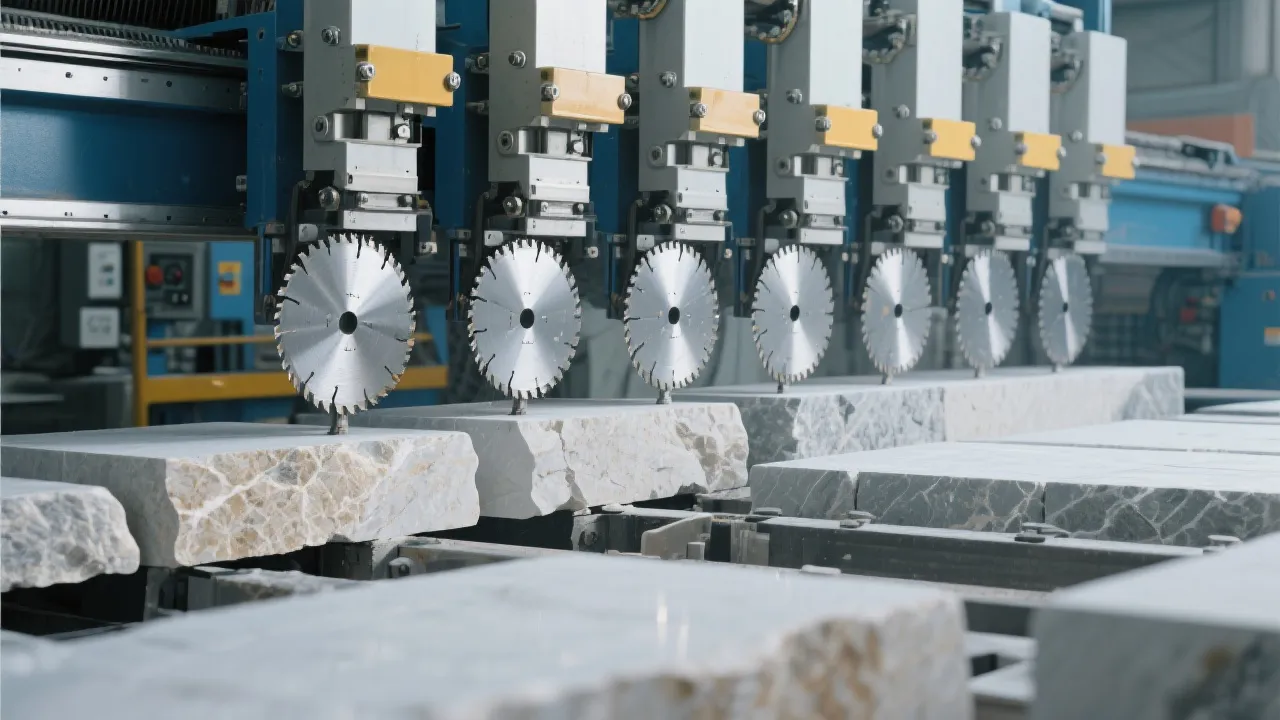
Vacuum brazed diamond abrasive is widely discussed in metalworking and stone-processing circles, yet it is also one of the most frequently misunderstood abrasive categories in industrial purchasing. This page from UHD Ultrahard Tools Co., Ltd clarifies what “true vacuum brazing” means, how the structure drives real cutting/grinding behavior, where the performance advantages are most relevant, and—equally important—where vacuum brazed diamond abrasives are likely to be misapplied.
For
Industrial procurement teams, process engineers, and B2B distributors who need correct selection criteria and boundary conditions.
Page focus
Definition, structural features, performance advantages, application limits, and common misuse scenarios.
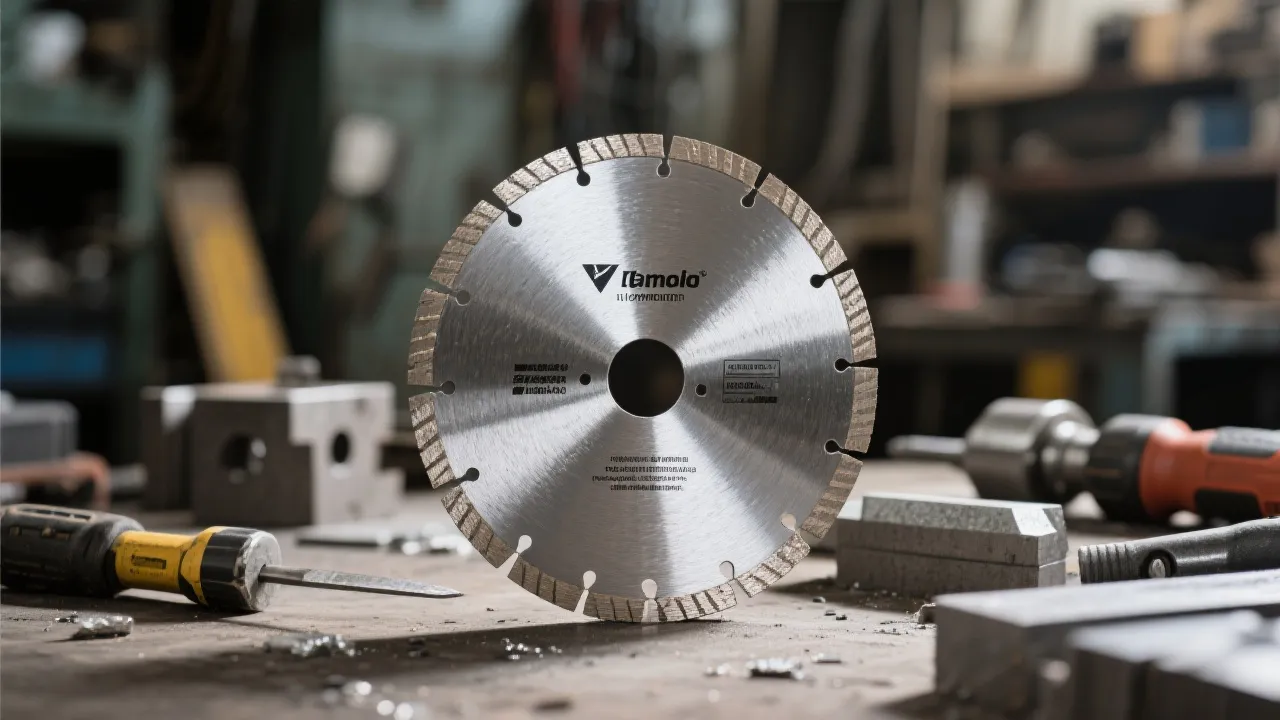
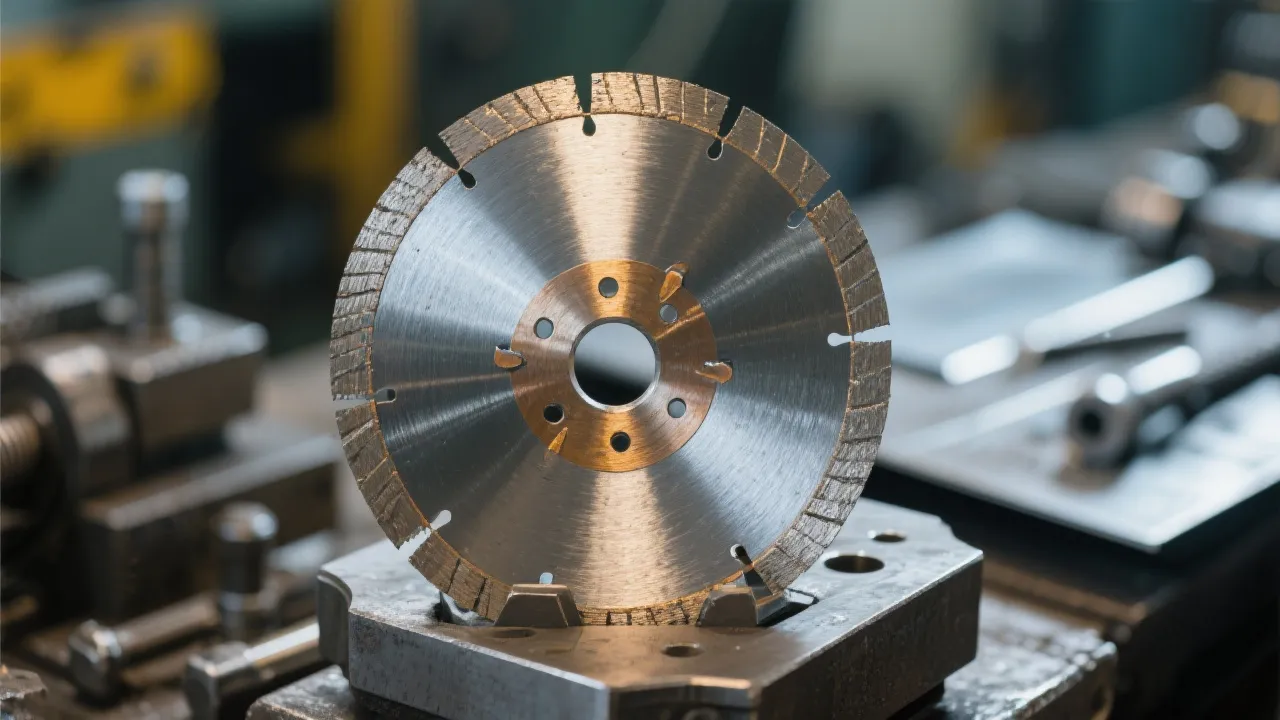
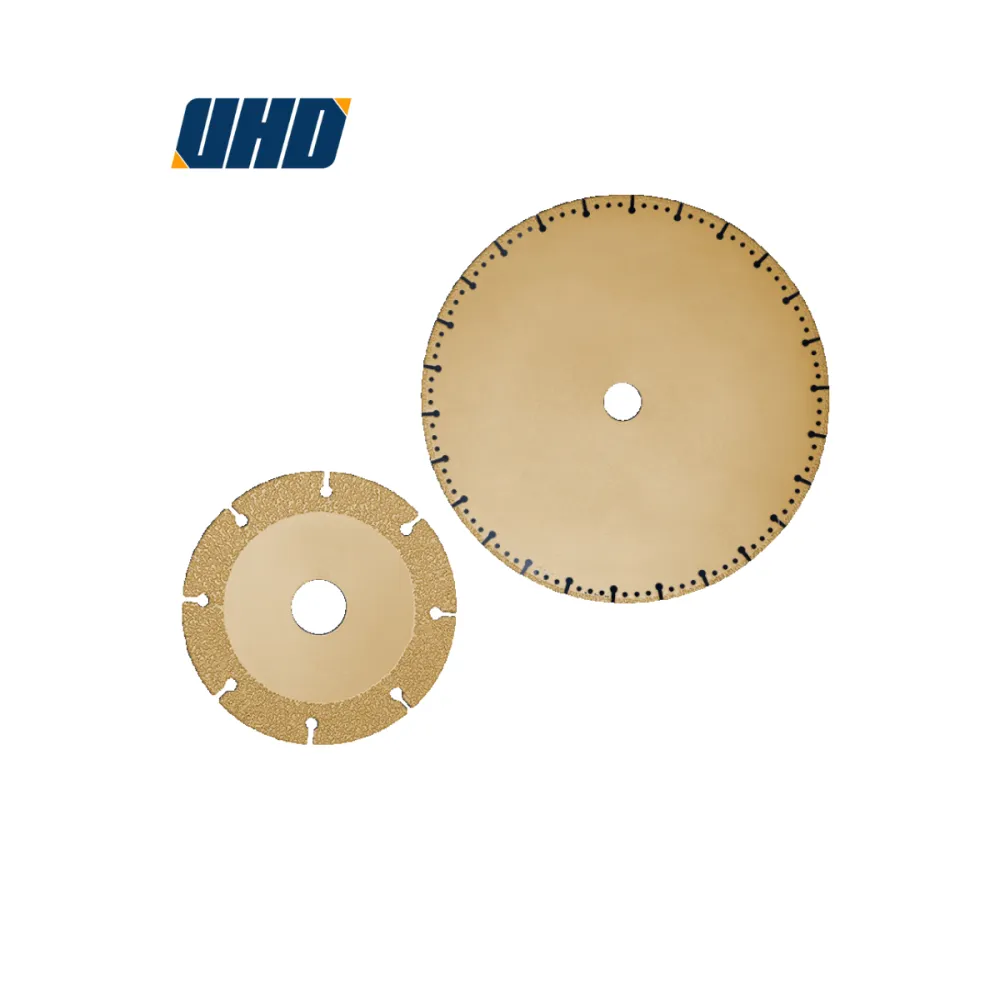
A vacuum brazed diamond abrasive is an abrasive tool or abrasive-bearing component where diamond grits are metallurgically bonded to a substrate (such as steel) by a brazing alloy under a controlled vacuum environment. The vacuum atmosphere is used to reduce oxidation and improve wetting/flow of the brazing alloy, enabling a reliable bond between diamond–braze–substrate.
In practical terms: vacuum brazing is intended to hold diamond grits firmly and expose them effectively so the tool can cut/grind aggressively when the application matches the design.
Procurement note: “Brazed” is not a synonym for “better in every case.” The value comes from the bond type + grit exposure + correct application window.
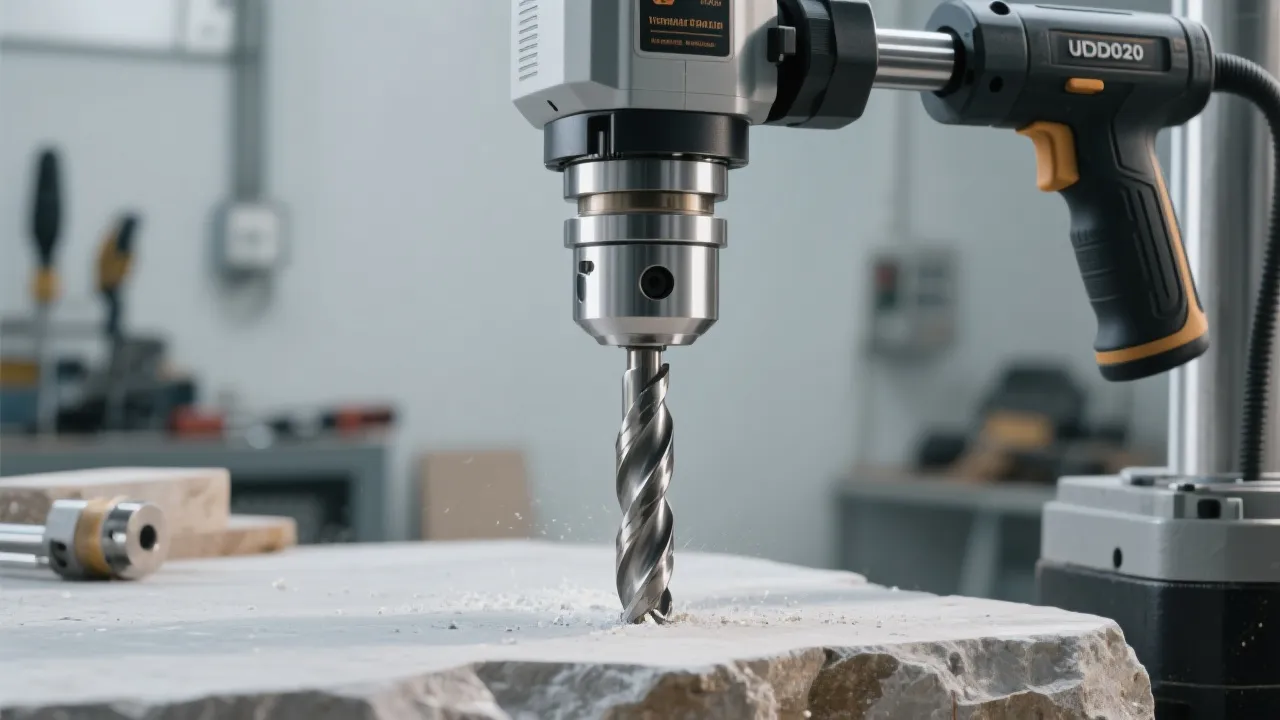
Vacuum brazed structures typically present more protrusion of diamond grits compared with many resin/metal bond configurations. Higher exposure can support stronger initial cutting action and larger chip space—useful in applications where loading and heat are concerns.
The brazing alloy creates a firm bond between grit and substrate. When properly designed, it helps reduce premature grit pull-out in appropriate working conditions. However, bond strength alone does not eliminate mismatch issues such as unsuitable material, wrong speed/feed, or insufficient cooling.
Many vacuum brazed diamond abrasives are single-layer (or effectively single working layer). This often yields strong sharpness early on, while the end-of-life behavior can be different from multi-layer tools: once the active grits are worn or damaged, there is limited “new grit” exposure compared to some conventional bonds.
The following advantages are commonly sought by industrial users. Whether you will realize them depends on the workpiece material, process method (dry/wet), and parameter stability.
Selection tip (engineer-friendly)
Treat vacuum brazed diamond abrasive as a process tool, not a universal consumable. Confirm: target surface finish, removal rate, thermal sensitivity of the workpiece, and whether you can maintain the needed RPM/feed/coolant conditions.
Vacuum brazed diamond abrasives are not automatically the best choice for every grinding or cutting task. Common boundary factors include heat management, impact loading, and finish requirements.
Switching from resin/metal bond tools without re-validating parameters can lead to overheating, unexpected scratches, or unstable wear. Fix: run a controlled trial with defined acceptance criteria (removal rate, finish, temperature/cooling limits).
High aggressiveness may not match final surface requirements. Fix: specify the target finish up front and confirm whether the vacuum brazed step is for roughing, semi-finishing, or pre-finishing.
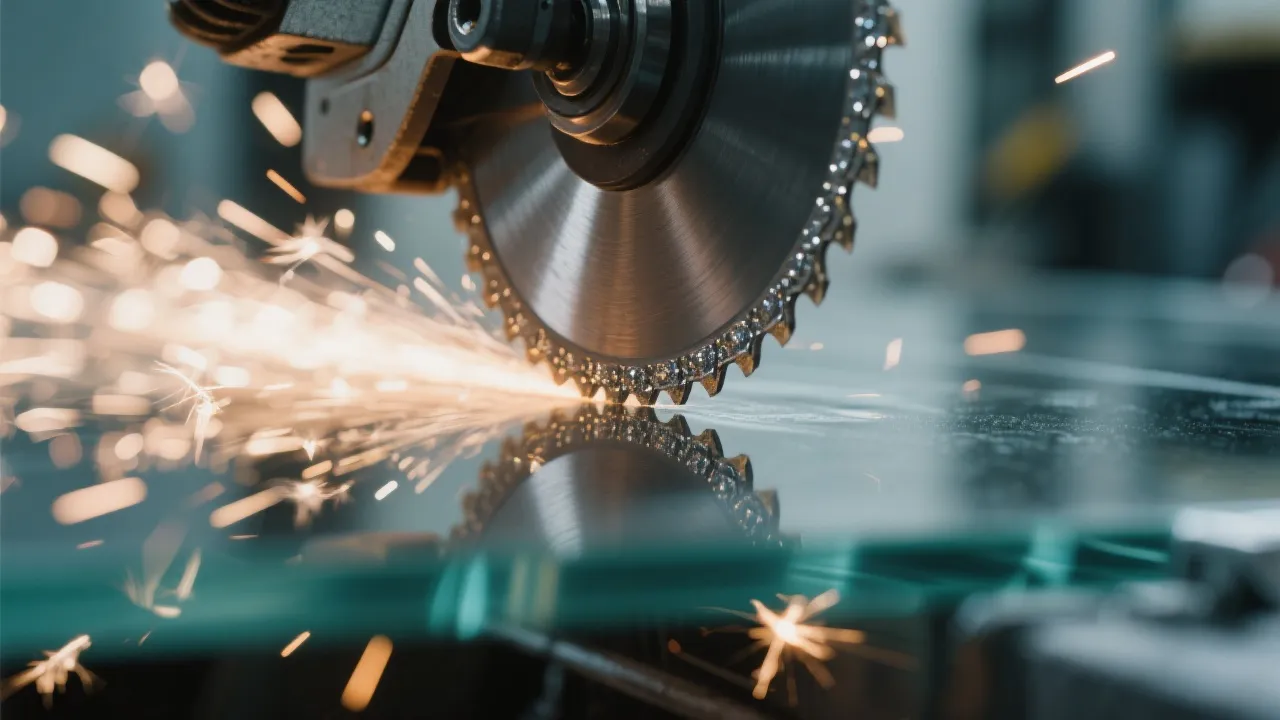
Inconsistent coolant delivery can cause thermal cycling and premature wear. Fix: verify coolant direction/flow, guard design, and swarf evacuation before scaling to production.
To reduce selection mistakes and speed up supplier alignment, prepare a specification package that connects the abrasive structure to your process constraints.
This approach helps procurement and engineering speak the same language—making it easier to determine whether vacuum brazed diamond abrasive is the correct tool type, or if another bond/tool category is more appropriate for the process window.
UHD Ultrahard Tools Co., Ltd develops and supplies ultrahard material tools for industrial applications, including vacuum brazed diamond abrasive solutions used in metal processing and stone processing scenarios. Guided by a quality-first mindset and an innovation-driven R&D approach, UHD supports B2B buyers and distributors with product-oriented selection communication and application-boundary clarification—so the chosen abrasive matches the real process conditions.
Best-fit outcomes
What to share for evaluation
Workpiece material & drawings/photos (if available), current tool type, process method (dry/wet), machine limits, and the primary pain point (loading, finish, thermal damage, efficiency).
Note: Selection and usage should follow your site safety rules and machine/tooling operating guidelines. This page provides technical selection logic and typical boundaries rather than a one-size-fits-all prescription.
.png?x-oss-process=image/resize,h_1000,m_lfit/format,webp)
.png?x-oss-process=image/resize,h_1000,m_lfit/format,webp)