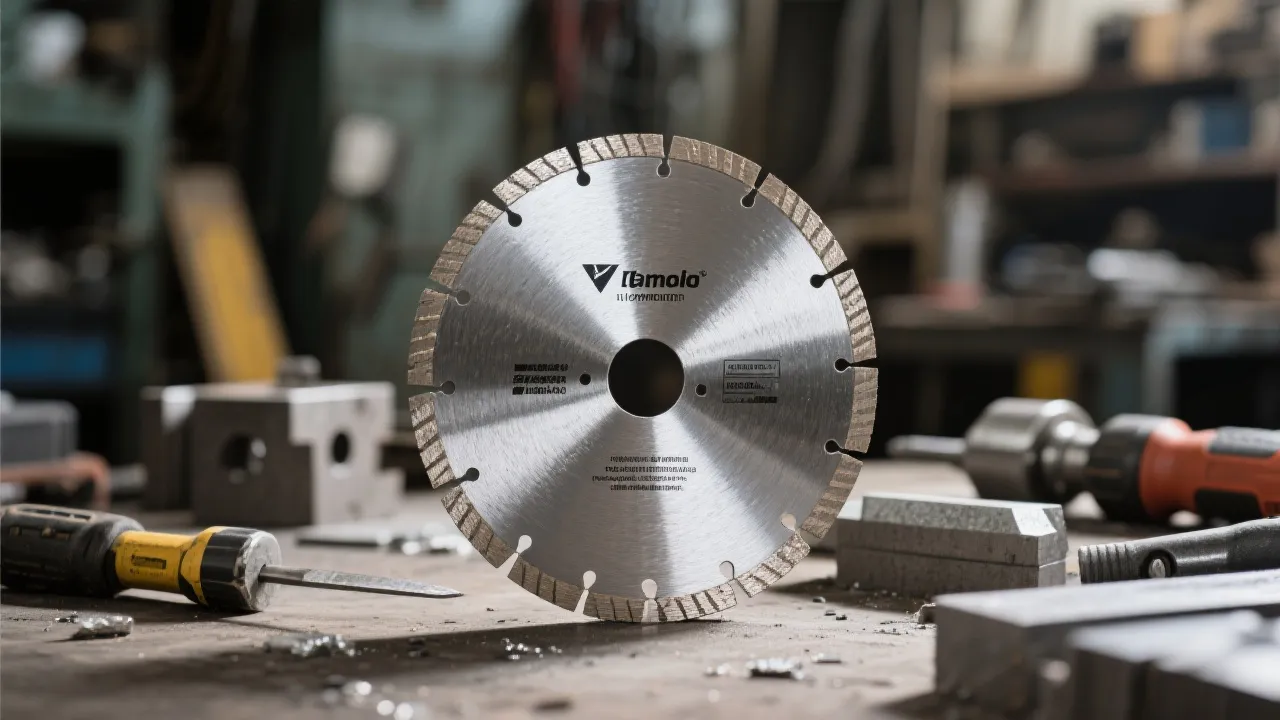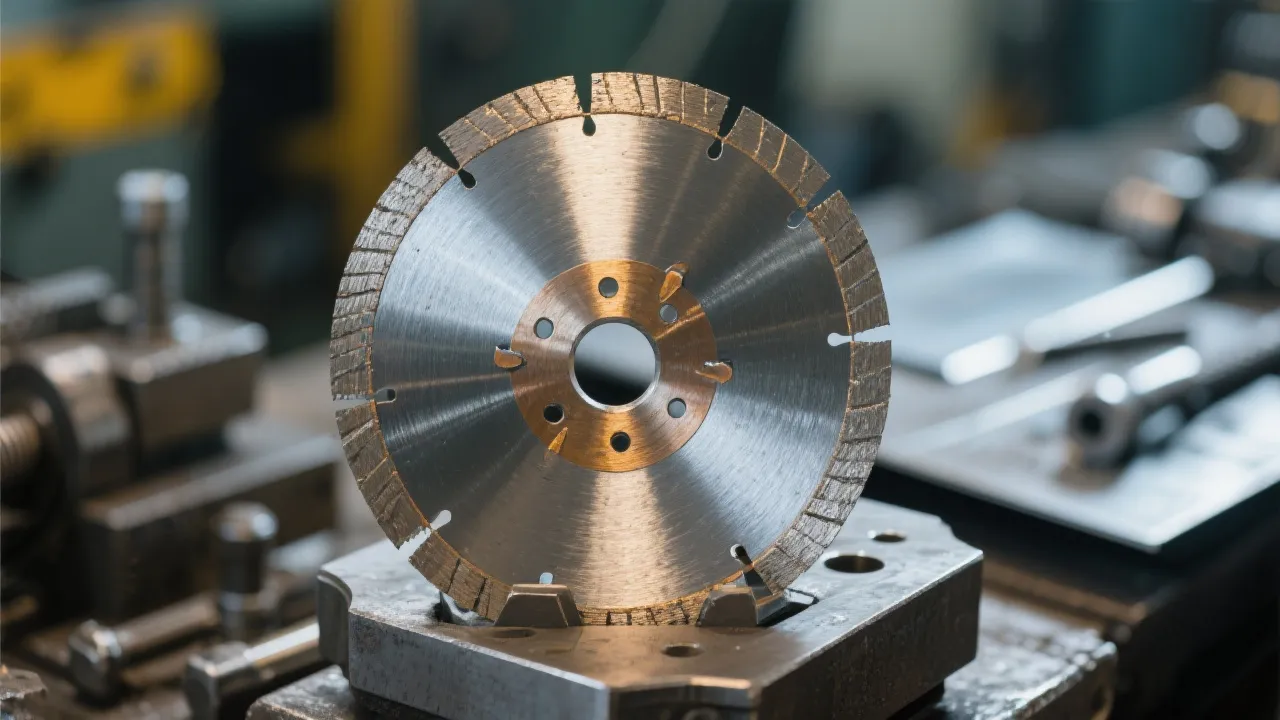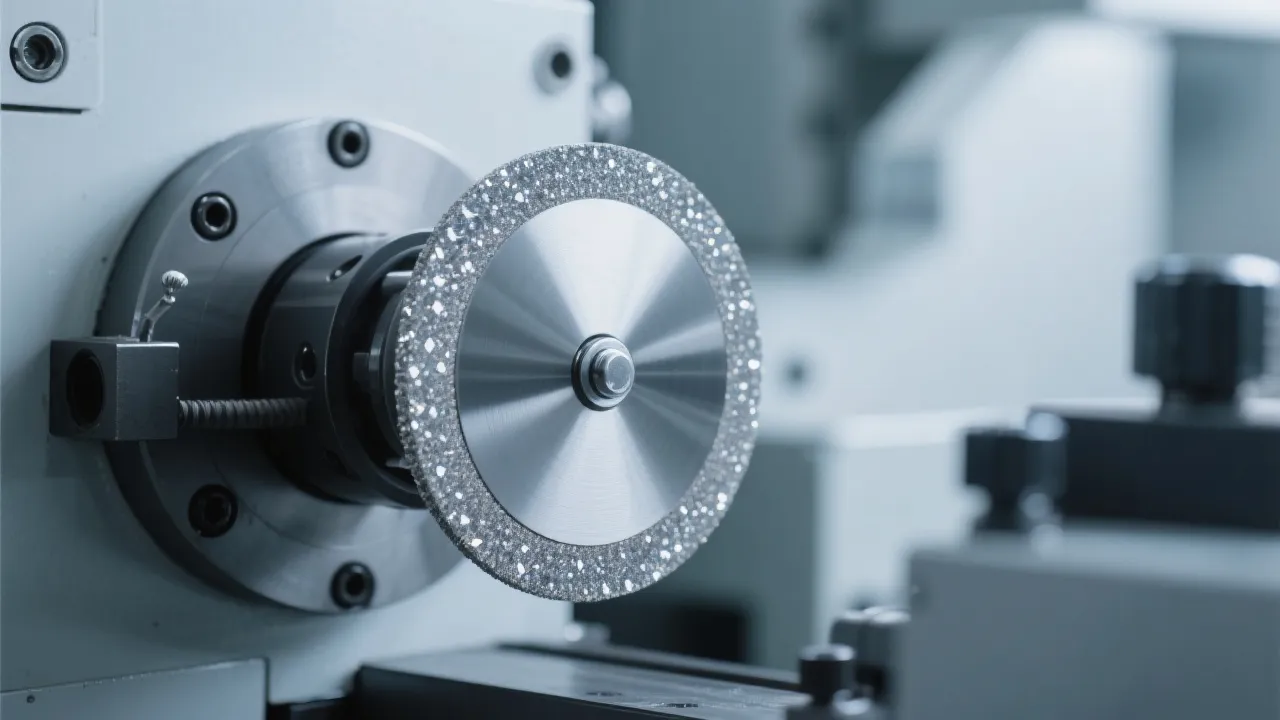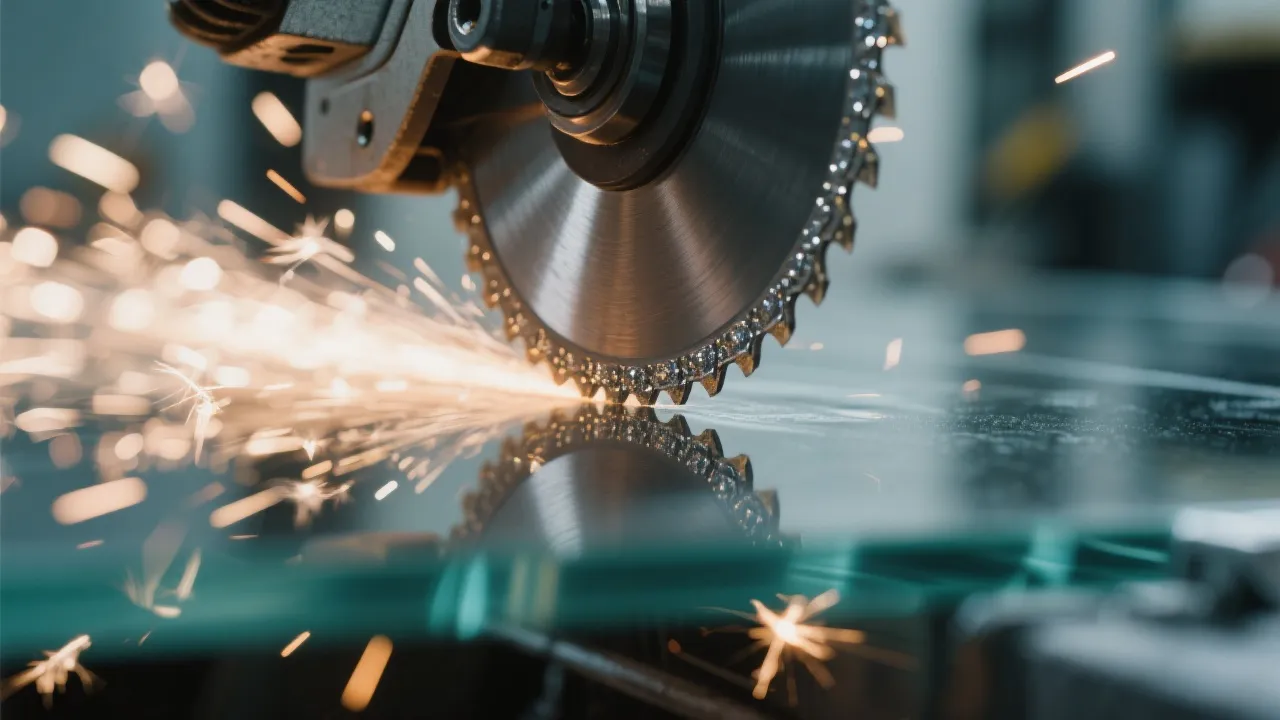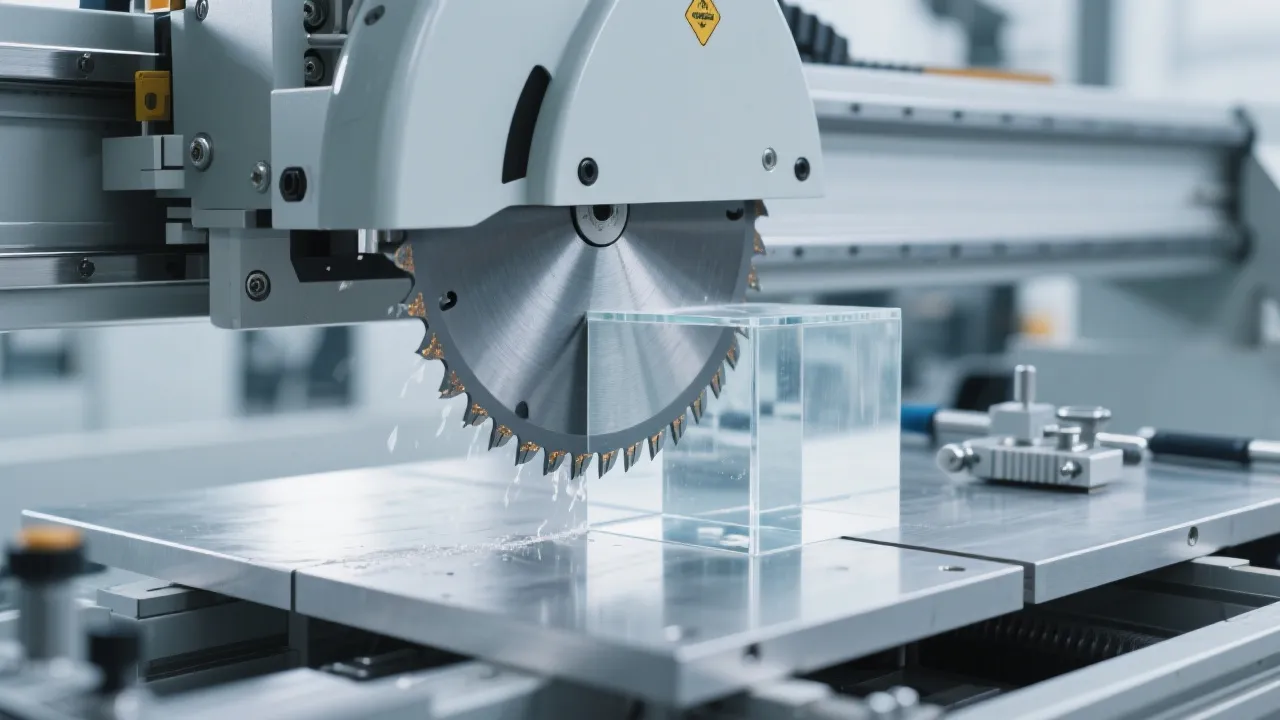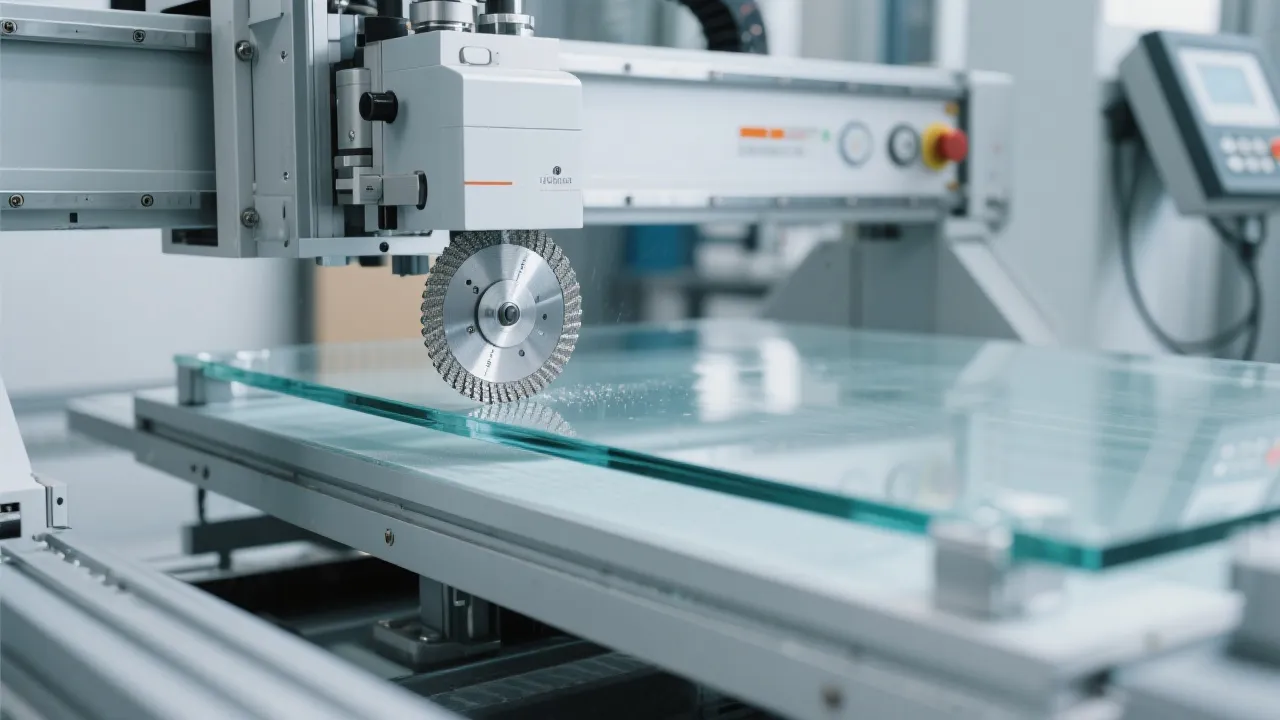
Across construction, stone fabrication, and ceramic manufacturing, the same pressure keeps rising: cut faster, hold tighter tolerances, reduce blade swaps, and avoid costly chipping or overheating. In that context, the latest upgrades in brazed diamond saw blade engineering are not incremental—they are reshaping what “productive cutting” looks like on international job sites.
This article reviews current technology trends and uses the UHD 400mm brazed diamond saw blade as a practical reference point—especially where material choice, brazing process control, vibration suppression, and heat dissipation are engineered as one system.
Compared with conventional segmented blades, brazed designs rely on a metallurgical bond that can hold diamond grits more securely under aggressive loads. In field terms, users often notice three immediate outcomes: sharper initial bite, steadier feed rate, and longer usable life before the blade “glazes.”
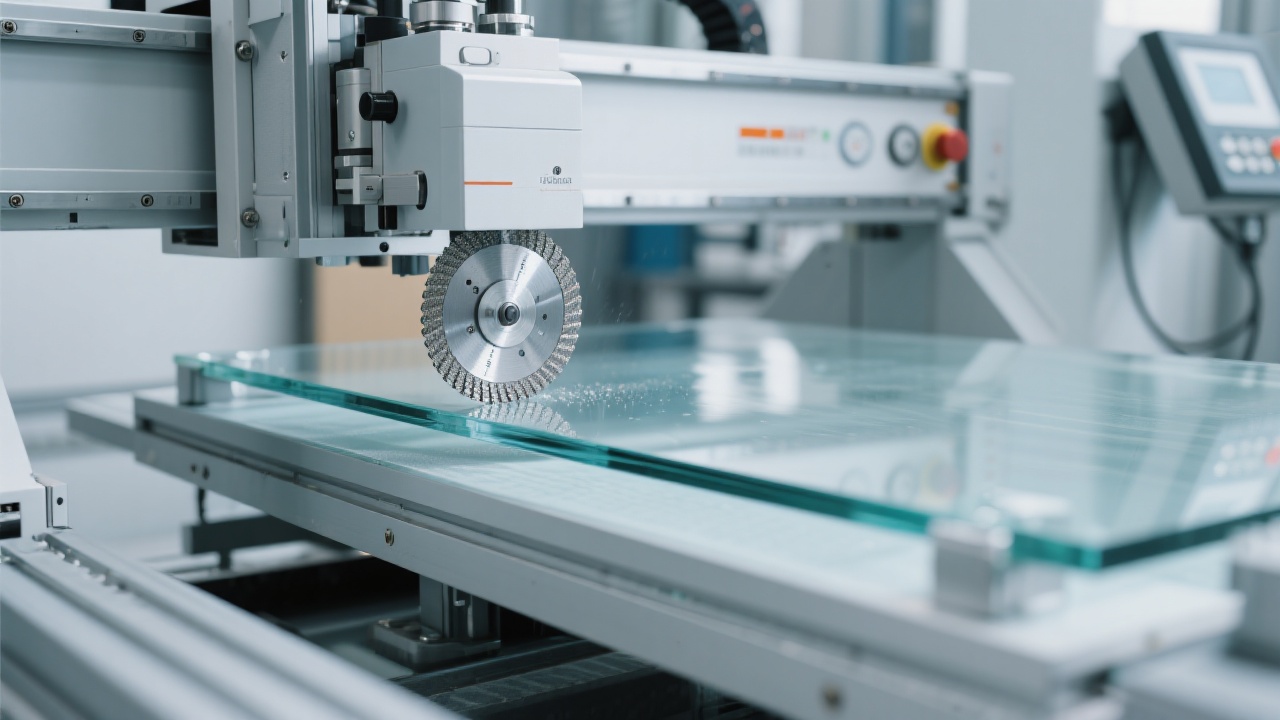
One of the biggest shifts in diamond saw blade technology upgrade is the move away from “one grit fits all.” Manufacturers increasingly match diamond grit size distribution, crystal toughness, and exposure height to specific materials—because ceramic, granite, and cured concrete fail differently under load.
In practical benchmarking across job sites, application-matched diamond selection can deliver 15–30% faster average feed rate on dense stone and 20–45% longer usable cutting life on abrasive concrete mixes, compared with older general-purpose designs (results vary with saw power, coolant, and operator technique).
The brazing layer is no longer treated as a simple joining medium. Advanced brazing focuses on controlled wetting, uniform layer thickness, and microstructure stability—because an inconsistent braze line can create localized hot spots, premature grit pull-out, and “random” performance that frustrates operators.
For industrial-grade diamond cutting, better brazing control typically shows up as:
| Metric | Improved brazed designs |
|---|---|
| Early-life sharpness retention | +10–20% |
| Average cutting speed (dense stone) | +15–30% |
| Blade life (abrasive concrete) | +20–45% |
| Edge chipping rate (ceramic) | −10–25% |
Data ranges reflect common job-site comparisons; outcomes depend on saw stability, coolant use, and operator feed technique.
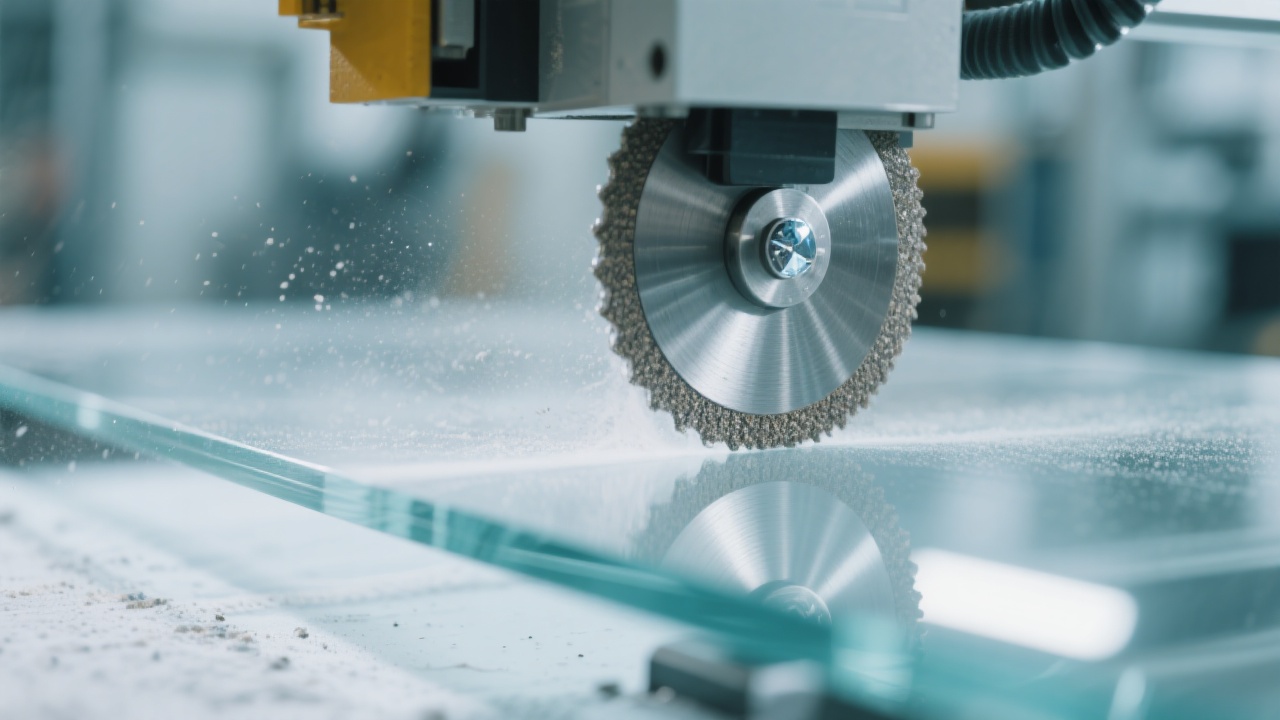
Vibration used to be discussed mainly as a comfort or noise issue. Today, in high-throughput cutting lines, it is recognized as a direct driver of kerf inconsistency, surface damage, and premature tool wear. That’s why modern blade bodies increasingly incorporate stabilizing structures designed to damp oscillation at working RPM.
On many 400mm class blades, improved stabilization can cut the practical “operator compensation” needed to keep a straight line—often translating to lower rework rates in stone shops and more consistent joint fit on construction sites.
Heat is the quiet limiter of cutting speed. Once the cutting zone overheats, diamonds can dull faster, the brazing layer can weaken, and the material itself may discolor or micro-crack—especially in ceramic. Newer heat dissipation designs focus on airflow channels, optimized gullets, and blade-body features that reduce heat accumulation during long runs.
In real-world workshops, stronger thermal control often matters more than peak speed. Users typically value the ability to maintain a steady feed rate over a full shift without seeing cut quality collapse after the first hour.
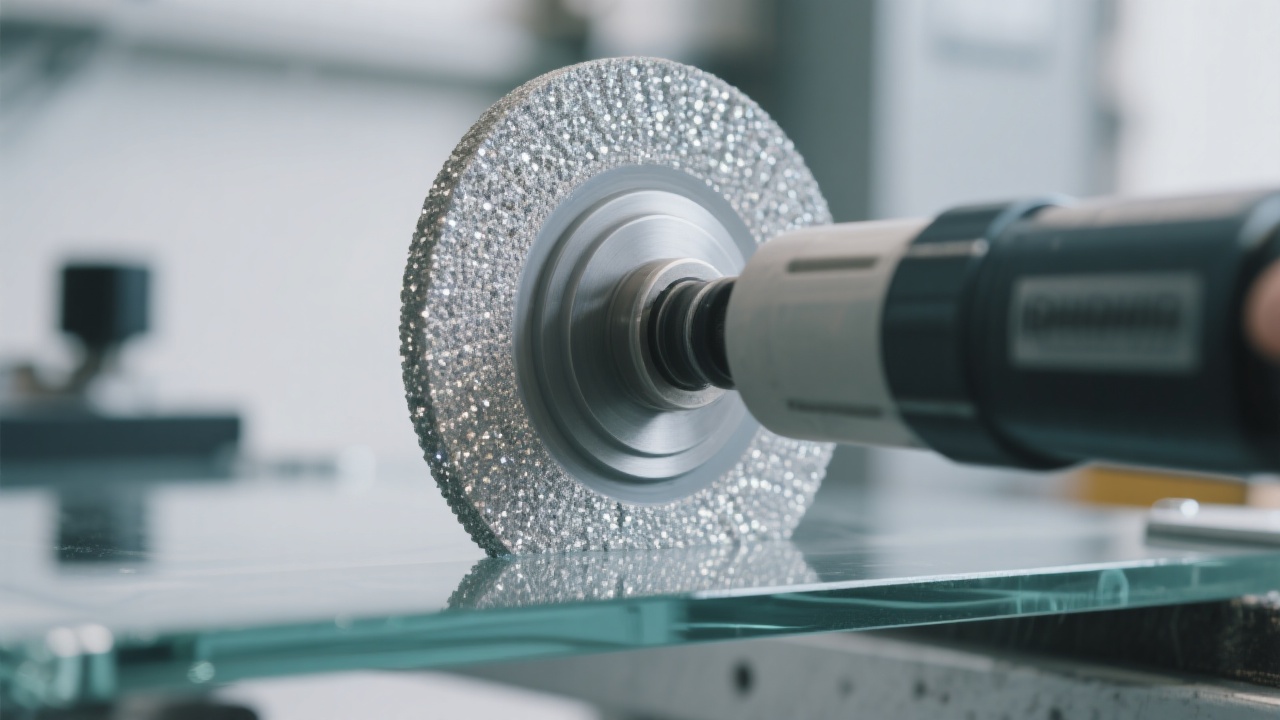
UHD’s approach follows the direction many high-performing global suppliers are moving toward: treating the blade as a system where diamond selection, brazing integrity, stabilization, and thermal behavior support one another. For buyers dealing with mixed materials—such as reinforced concrete today and hard stone tomorrow—this system thinking is often what separates a “good on paper” blade from one that keeps production stable.
In B2B procurement, the most valuable upgrade is not a single feature—it’s predictability. When a blade performs consistently across batches, teams can standardize operating parameters, reduce training time, and forecast consumption more accurately. In international projects where labor profiles and site conditions vary, that predictability becomes a measurable efficiency advantage.
Stone processing shops cutting dense granite often report that upgraded brazed blades help keep edge quality stable at higher throughput—reducing secondary grinding time. Construction teams cutting cured concrete frequently see more value in the longer “stable window” before performance drops, which can reduce blade changes per shift and improve schedule reliability.
Many are used in both modes, but performance depends on blade design, the material being cut, and the duration of continuous cutting. For long, high-load runs—especially on dense stone or reinforced concrete—wet cutting typically helps stabilize temperature and extend tool life.
Common causes include excessive vibration, mismatch of diamond grit size to the ceramic body, and overheating at the entry/exit. Upgraded stabilization and heat dissipation, combined with correct feed rate and RPM, usually reduce chipping substantially.
Ask for typical operating parameters, batch consistency controls, and application references in similar materials. For global sourcing, consistency and repeatability often matter more than a single best-case performance number.
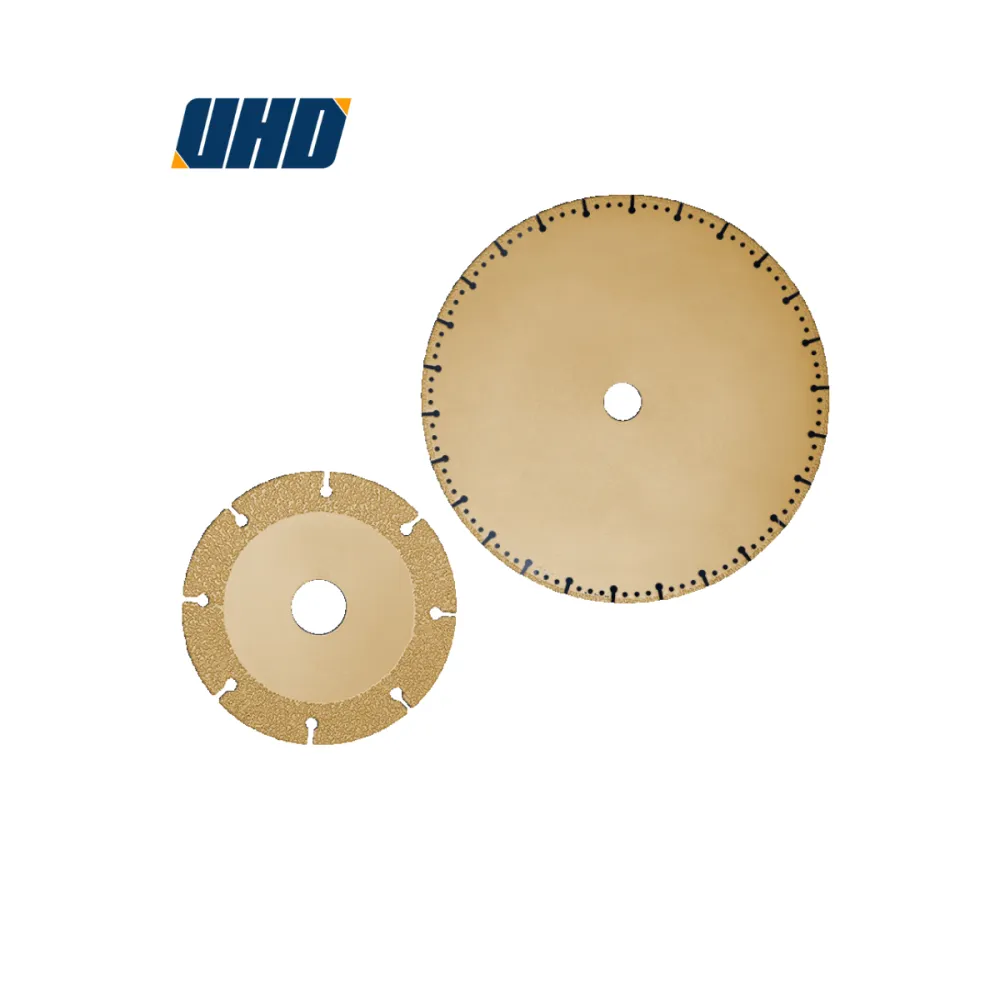
If your team is evaluating a UHD brazed diamond saw blade for concrete, stone, or ceramic, UHD can support selection with application guidance, parameter recommendations, and technical documentation—so you can validate performance faster and reduce trial-and-error on site.
Request UHD 400mm Brazed Diamond Saw Blade Technical Support & RecommendationTip: sharing your material type, saw model, RPM range, and cutting mode (wet/dry) helps UHD suggest a closer-fit specification.
.png?x-oss-process=image/resize,h_1000,m_lfit/format,webp)


.png?x-oss-process=image/resize,h_1000,m_lfit/format,webp)