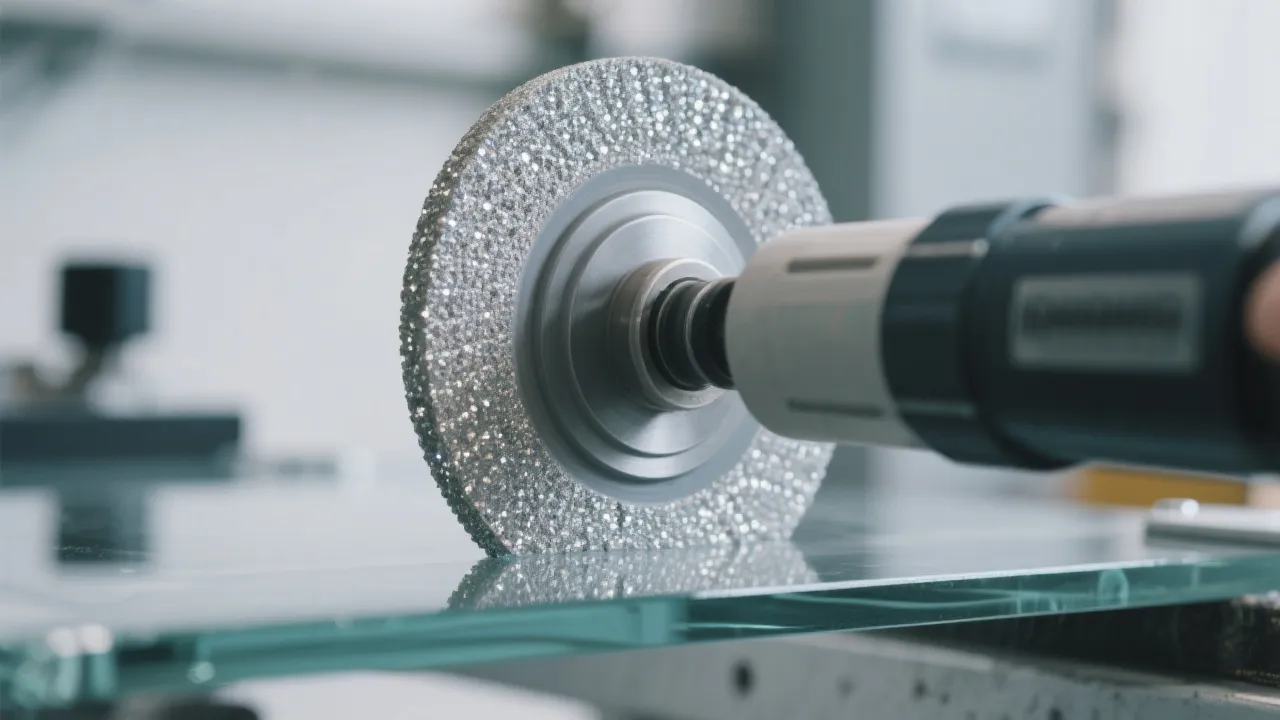
Ultrahard Material Tooling Solutions: Case Breakdowns for Metalworking and Stone Processing
16 06,2026
UHD Ultrahard Tools Co., Ltd
Case Breakdown
UHD Ultrahard Tools Co., Ltd breaks down typical application cases of ultrahard material tools in metalworking and stone processing, explaining tool selection under different process conditions, observed results, and solution adjustment logic—supporting evaluation-stage buyers with practical decision references.

Evaluation-stage buyers often need more than a catalog—they need decision references tied to real process conditions. This page provides case-style breakdowns of ultrahard material tool selection for metalworking and stone processing, including the logic behind tool matching, what was observed during use, and how solutions are typically adjusted.
Provider: UHD Ultrahard Tools Co., Ltd (UHD) — R&D, manufacturing, and B2B supply of ultrahard material tools, including diamond tools, abrasives, and custom vacuum-brazed diamond abrasives. Support includes application-based product matching and customized delivery aligned to process requirements.
How to Read These Case Breakdowns
- Process conditions: material type, machining/cutting/grinding stage, stability constraints, and quality targets.
- Selection rationale: why a specific ultrahard tool family is preferred under those conditions.
- Observed outcomes: what operators typically evaluate (finish, consistency, wear behavior, thermal effects) without promising absolute results.
- Adjustment logic: how to iterate—tool spec, process parameters, or delivery format—based on what is observed on-site.
Case Breakdowns: Metalworking
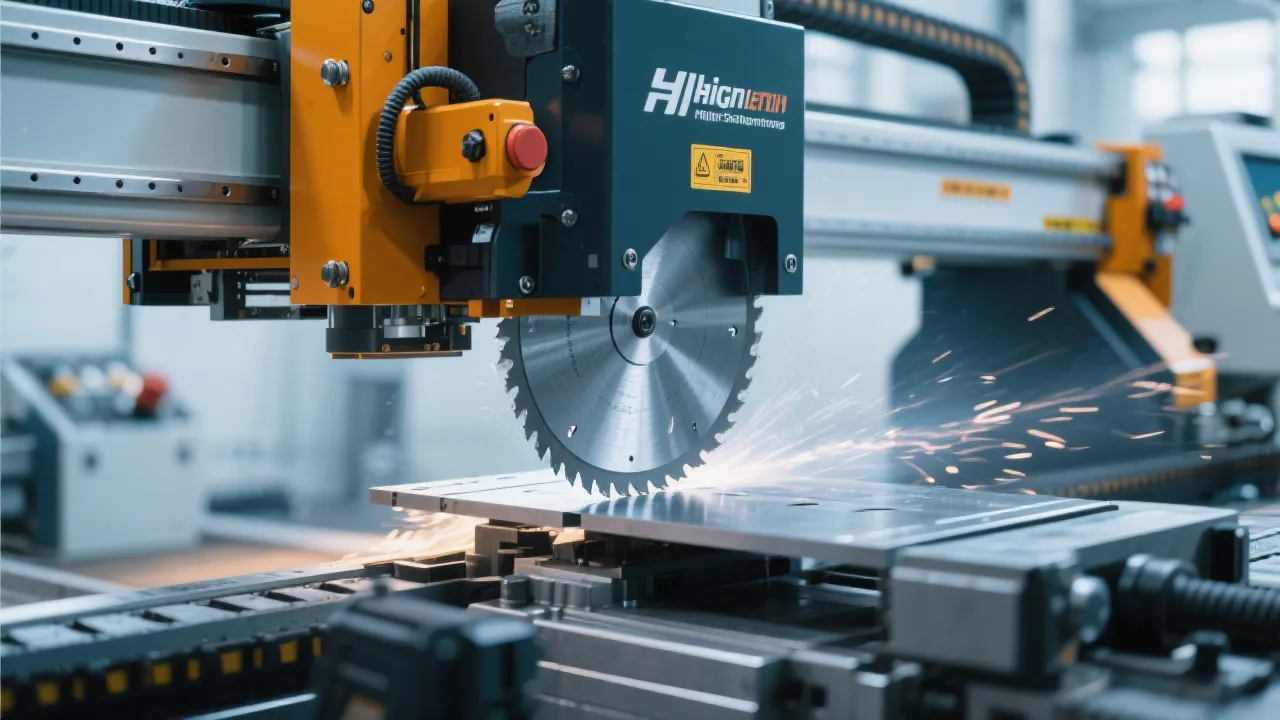
Case 1 — When tool life and consistency become the decision driver
| Evaluation item |
What to document / decide |
| Process conditions |
Metalworking operations where cost is driven by changeover frequency and stability (e.g., long runs, repetitive geometry, or variable heat input).
|
| Selection rationale |
Consider an ultrahard material tool approach when the process penalizes rapid edge wear or unstable performance. Match tool type and structure to the dominant failure mode observed (abrasive wear vs. thermal effects vs. chipping).
|
| Observed outcomes |
Buyers typically track: wear pattern uniformity, surface stability over time, and whether the tool behavior remains predictable across batches.
|
| Adjustment logic |
If wear is too fast, evaluate tool grade/spec options and cooling strategy; if chipping appears, review rigidity, engagement, and the tool’s edge/structure suitability. UHD can support re-matching based on the documented failure mode.
|
Buyer note: For evaluation, collect photos of wear/chipping and record basic process settings. This speeds up tool selection refinement without relying on assumptions.
Case 2 — When finish quality is prioritized under tight process windows
In some metalworking scenarios, the decision is driven by finish consistency and minimizing secondary operations rather than maximizing removal rate.
- Selection rationale: choose an ultrahard tooling option aligned to the required finish and the workpiece’s surface sensitivity.
- Observed outcomes: check for stable finish across the run and reduced variability between operators or shifts.
- Adjustment logic: if finish fluctuates, validate tool-workpiece compatibility and review whether the current tool type is optimized for the stage (roughing vs. finishing).
Case Breakdowns: Stone Processing
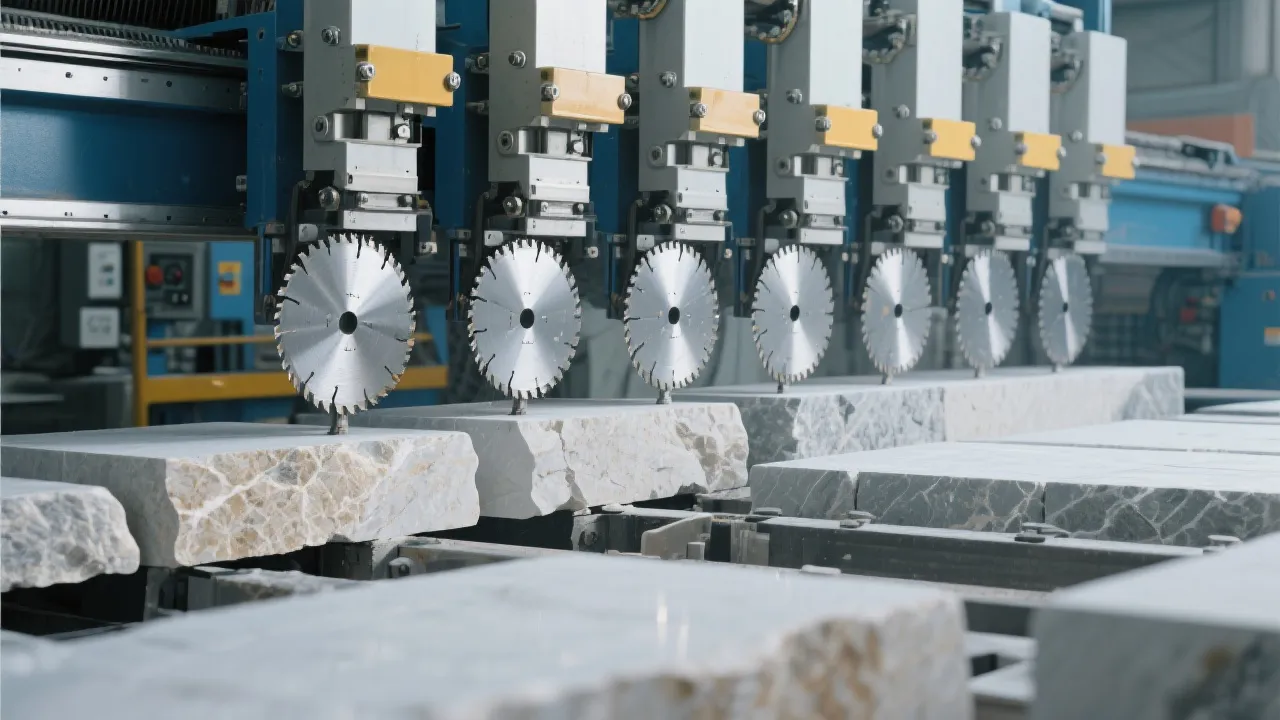
Case 3 — Cutting or grinding with attention to edge quality and stability
| Evaluation item |
What to document / decide |
| Process conditions |
Stone processing where edge integrity, chipping control, and stable cutting/grinding behavior matter—especially when material variability is present.
|
| Selection rationale |
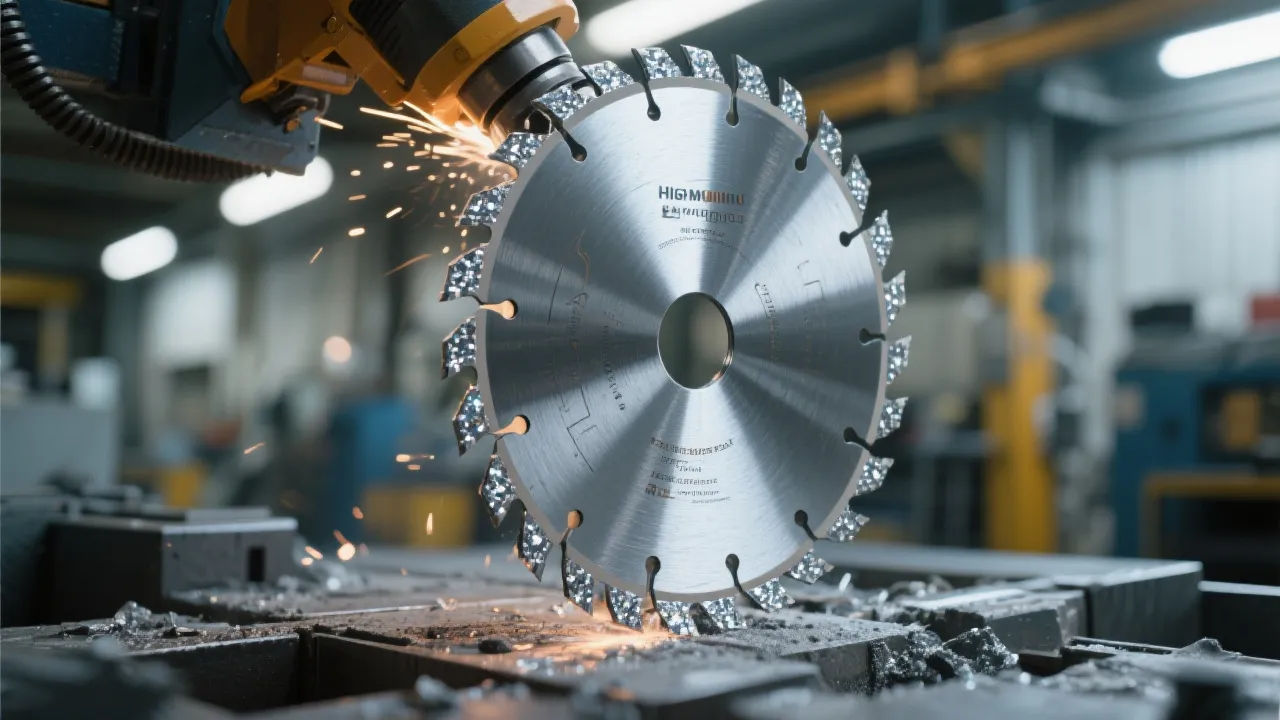
Use diamond tools or abrasives matched to stone hardness and the required operation stage. For specialized performance needs, consider custom vacuum-brazed diamond abrasives as part of a tailored solution.
|
| Observed outcomes |
Buyers typically assess: cutting/grinding stability, edge condition, and the repeatability of results across similar slabs or batches.
|
| Adjustment logic |
If edge chipping increases, re-check tool selection vs. operation stage and machine stability; if performance varies between batches, align tooling and process settings to the stone’s variability. UHD supports iteration by aligning tool spec and delivery format with field feedback.
|
Case 4 — When customization is needed to fit a specific process constraint
Some applications require a tighter fit to a particular machine setup, part profile, or operating method. In these situations, buyers often evaluate a customized ultrahard tooling solution rather than a standard off-the-shelf option.
- Typical trigger: standard tools cannot balance stability, edge quality, and throughput within the same process window.
- What to provide: application description, target operation, current tool type, and the issue you want to solve (wear pattern, chipping, finish variation).
- What “adjustment” means: iterating tool configuration and delivery requirements to align with the observed site conditions—without assuming a one-size-fits-all result.
Solution Adjustment Logic (Practical Checklist)
- Define the operation stage: cutting, grinding, roughing, finishing—avoid mixing targets across stages.
- Record process conditions: material type, stability constraints, and what “good” looks like for your line (finish, edge, consistency).
- Observe and label the failure mode: rapid wear, chipping, thermal marks, inconsistent behavior.
- Adjust with a single-variable mindset: align tool type/spec first, then validate process settings; avoid multiple simultaneous changes that blur conclusions.
- Close the loop: share outcomes and visuals so the next tool matching step is evidence-based.
UHD’s role in evaluation is to match ultrahard material tools to application requirements and support iteration based on observed outcomes—especially for metalworking and stone processing scenarios where process windows are tight.
What UHD Can Support During Evaluation
- Application-based tool matching across diamond tools, abrasives, and custom vacuum-brazed diamond abrasives.
- R&D-backed discussion focused on tool selection rationale and adjustment paths (UHD cooperates with academic research platforms to support ultrahard tooling development).
- B2B delivery coordination for industrial buyers, aligned to the process requirement and product positioning.
- International trade support via established B2B service workflows for global buyers.
Information to Share for Faster Tool Selection
To evaluate an ultrahard tooling solution efficiently, prepare the following:
| Category |
Examples |
| Application |
Metalworking or stone processing; cutting/grinding stage; desired finish/edge requirement |
| Material |
Workpiece/stone type; any known variability between batches |
| Current tooling |
Tool family used; what works; what fails (wear, chipping, instability) |
| Evidence |
Photos of wear patterns; notes on the conditions when issues appear |
UHD uses this information to propose tool options and an adjustment path aligned with your process conditions, supporting objective solution evaluation without overstated claims.


.png?x-oss-process=image/resize,h_1000,m_lfit/format,webp)
.png?x-oss-process=image/resize,h_1000,m_lfit/format,webp)