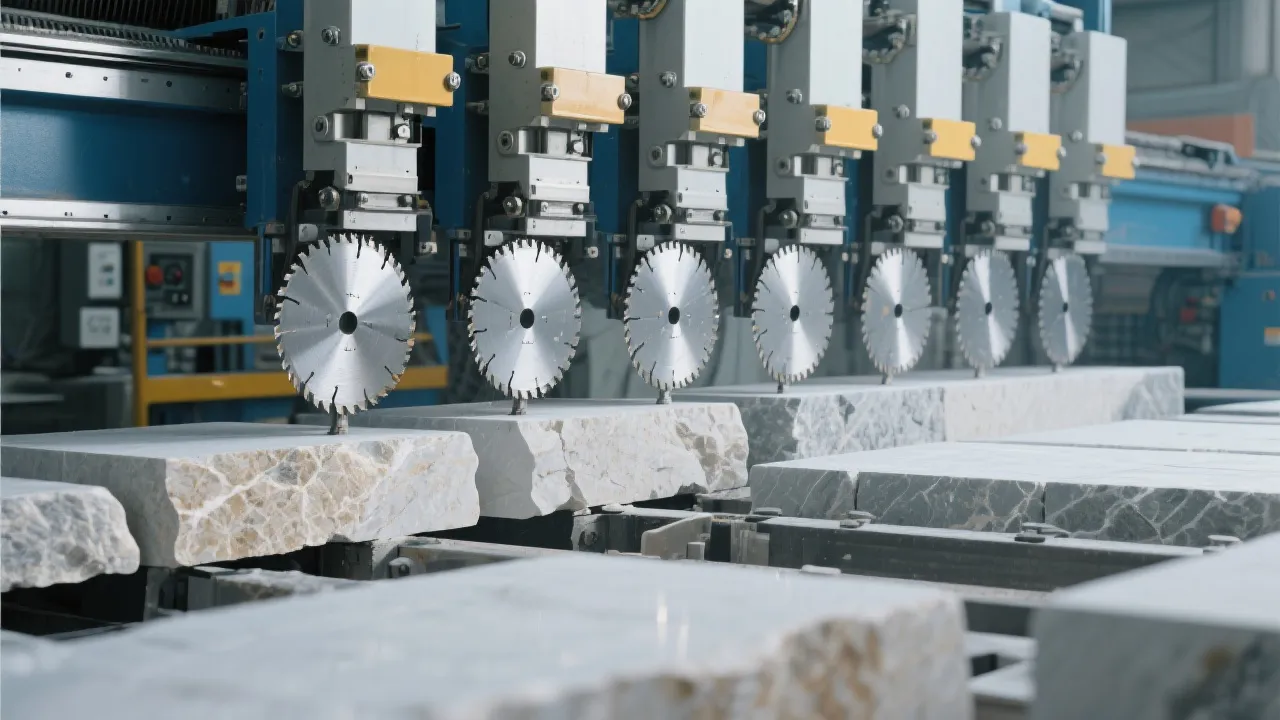
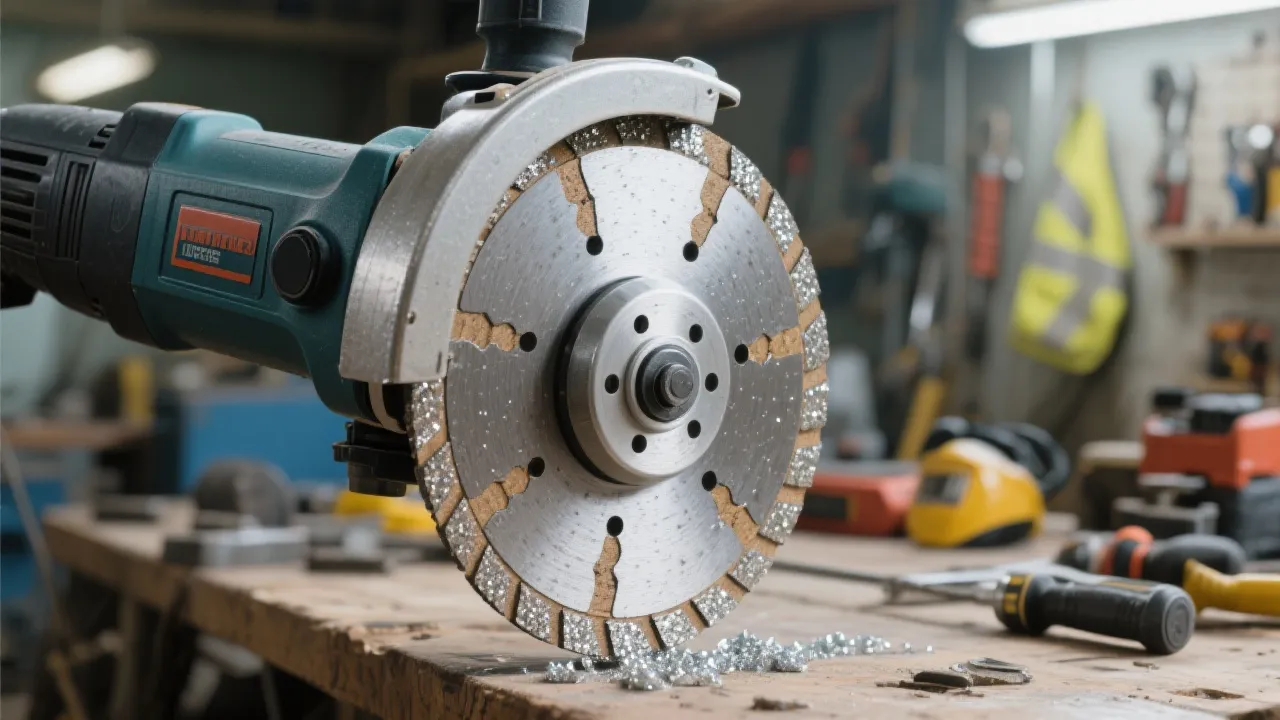
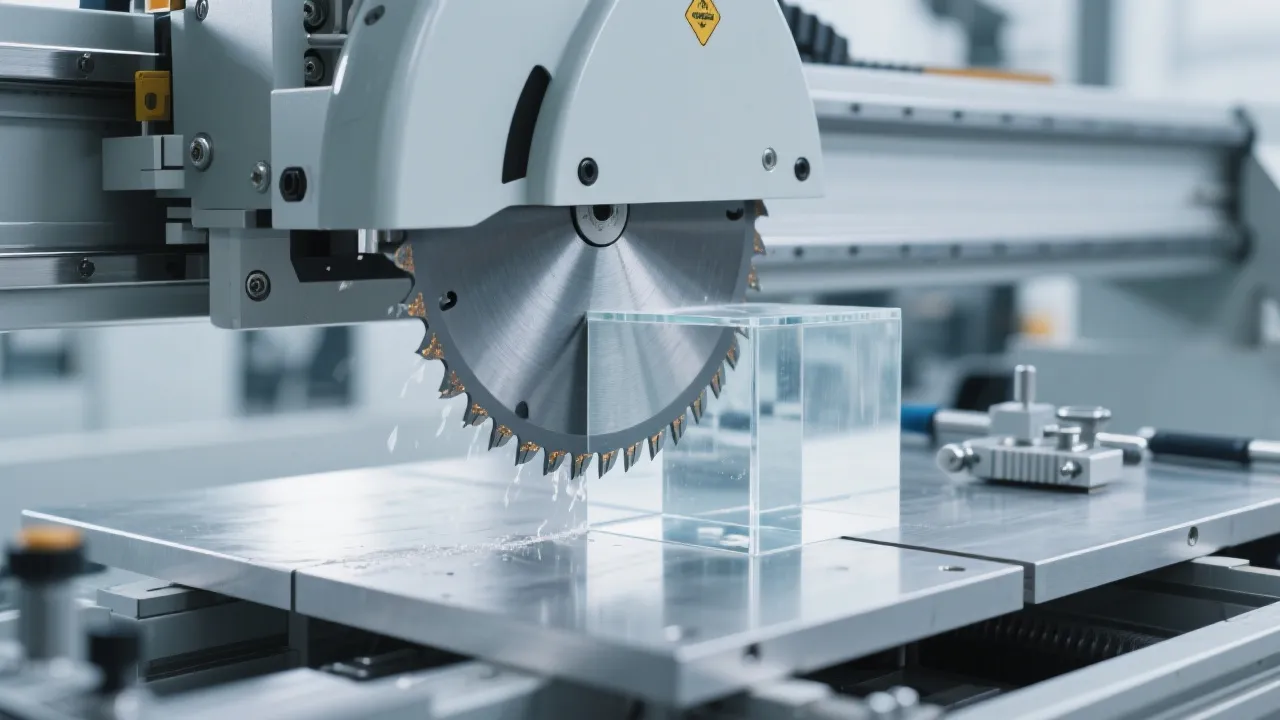
Selecting ultrahard material tools for metalworking is less about “the hardest tool” and more about matching the process mechanism, the workpiece material condition, and the required surface/edge outcome. This guide from UHD Ultrahard Tools Co., Ltd (UHD) summarizes practical selection logic for industrial buyers and process engineers evaluating diamond tools, abrasive tools, and vacuum brazed diamond cutting abrasives.
Scope note: This page focuses on selection criteria and usage boundaries for metalworking scenarios. Final tool choice should be validated with your machining parameters, coolant strategy, and fixture rigidity.
In metalworking, “ultrahard” tools are typically chosen for tasks where conventional tooling struggles with wear rate, edge stability, or consistent finishing. Before selecting a tool type, define the operation category:
Priorities: cutting efficiency, chip evacuation, thermal control, edge integrity, and stability under intermittent contact.
Priorities: controlled material removal, stable finish, low vibration, and predictable tool wear over batches.
Priorities: shape accuracy, uniform contact, controlled heat generation, and minimal burr formation.
UHD’s portfolio includes diamond tools, abrasive tools, and vacuum brazed diamond cutting abrasives. Use the matrix below to shortlist based on the dominant requirement of the process.
| Metalworking need | Best starting point | Why it fits (selection logic) | What to validate |
|---|---|---|---|
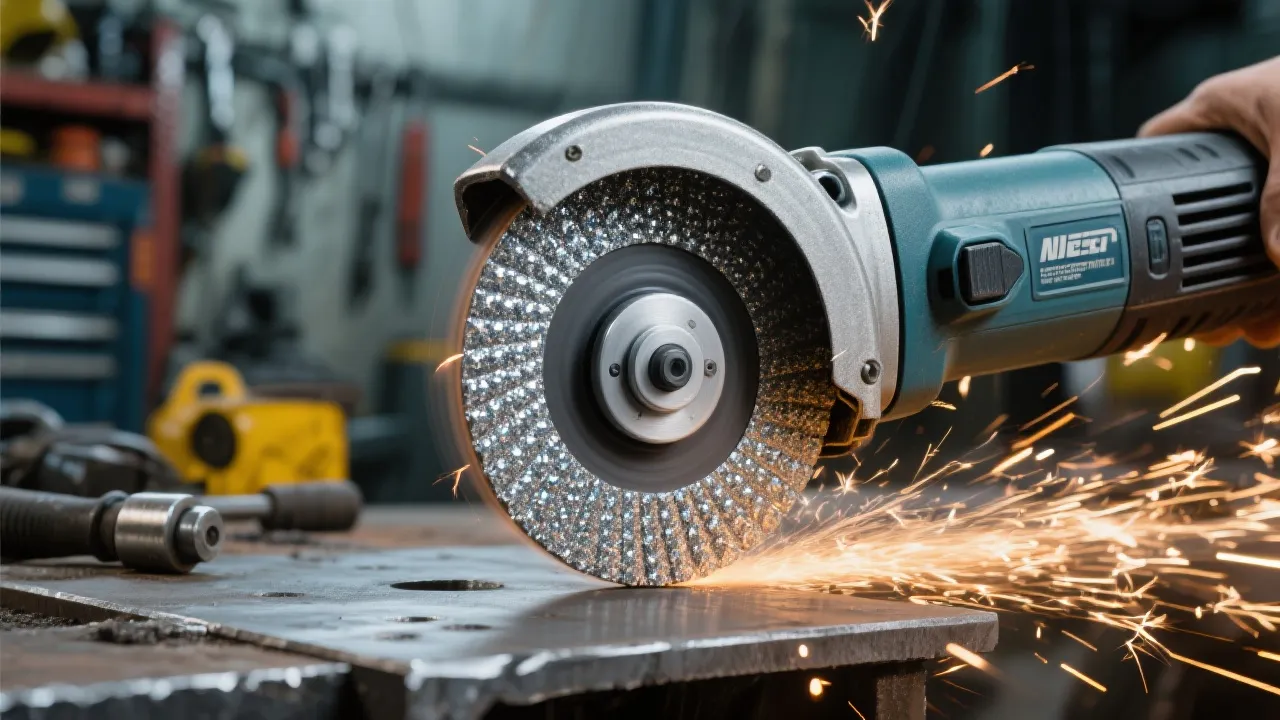
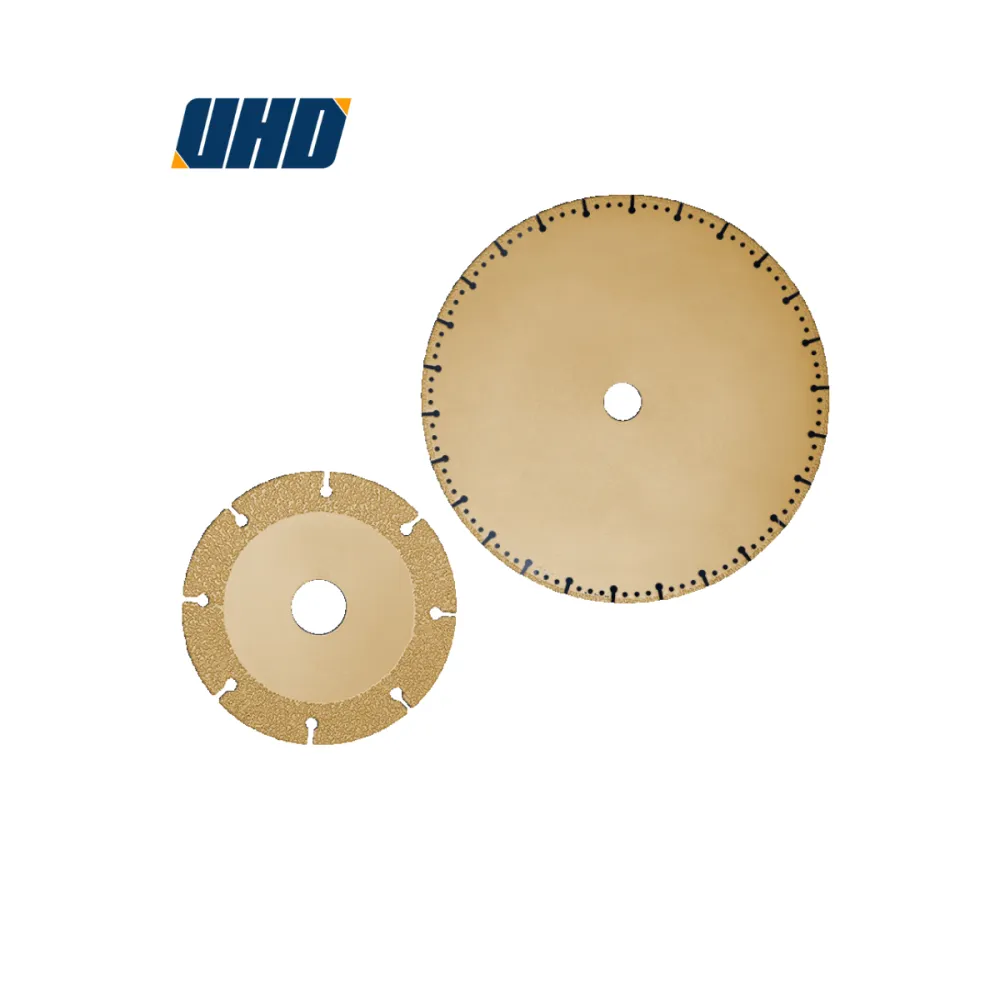
| Aggressive cutting / fast removal | Vacuum brazed diamond cutting abrasives | Exposed abrasive structure supports high cutting action and stable performance in demanding contact conditions. | Heat management, spindle power, fixture rigidity, and whether coolant is available/allowed. |
| Controlled grinding / consistent finish | Abrasive tools | Abrasive tools are typically selected when you need stable surface conditioning and predictable removal rate over a production run. | Target Ra/finish, contact area, vibration risk, and dressing/maintenance strategy (if applicable). |
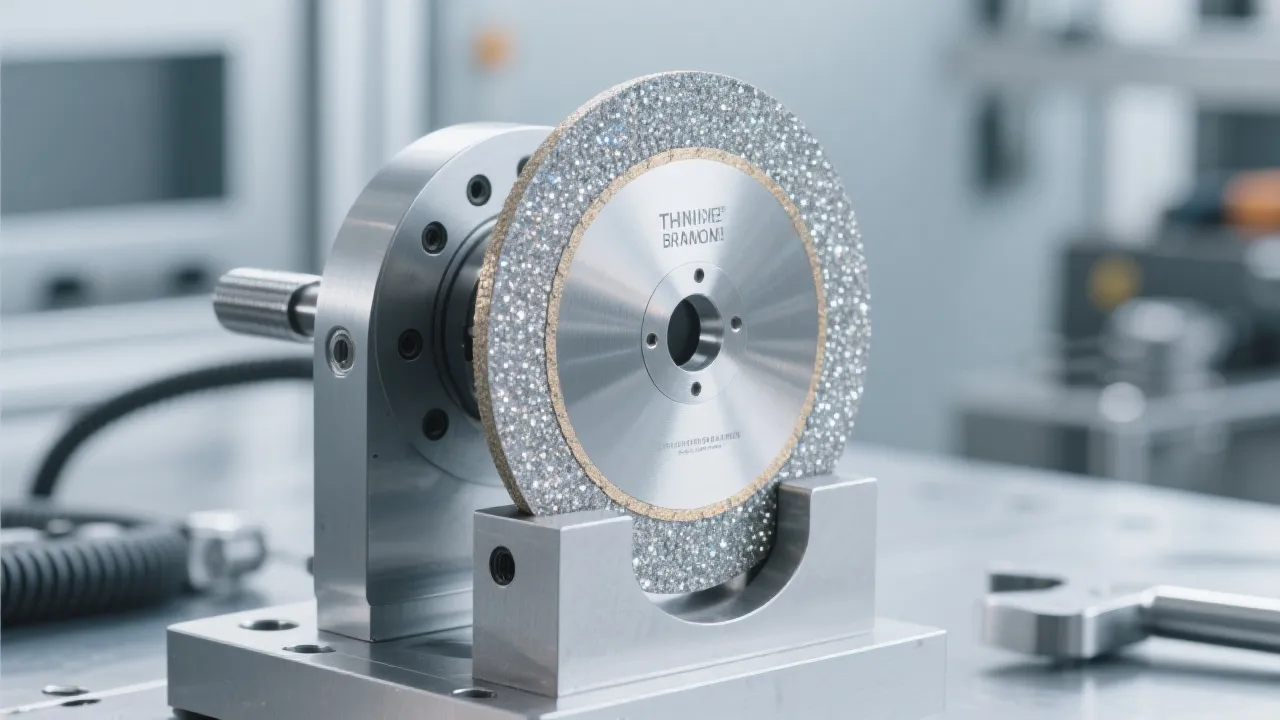
| Precision edge work / profile retention | Diamond tools | Diamond tools are commonly used where wear resistance and edge stability are key to maintaining geometry and repeatability. | Workpiece material characteristics, thermal sensitivity, and whether the process is continuous or interrupted. |
Practical tip: If your bottleneck is tool life, focus on wear mechanisms and heat. If the bottleneck is finish consistency, focus on contact stability and vibration control. If the bottleneck is throughput, focus on removal rate and power matching.
Ultrahard tools can deliver strong performance, but they are not universal. In industrial procurement, many “tool failures” are actually mismatch issues. Use the checklist below to clarify boundaries early.
If the process tends to build heat quickly (large contact area, high pressure, poor heat dissipation), validate whether your setup needs coolant, altered parameters, or a different tool structure to avoid thermal damage to the tool and the workpiece surface.
Ultrahard tools can be sensitive to vibration. If you see chatter, premature edge wear, or inconsistent finish, reassess fixture rigidity, runout, and whether the chosen tool family suits intermittent contact.
Don’t evaluate a cutting-focused tool by finishing-only standards (or the opposite). Define whether the priority is removal rate, profile accuracy, or surface conditioning, then select accordingly.
UHD Ultrahard Tools Co., Ltd (UHD) is a high-tech manufacturer specializing in R&D, production, and sales of ultrahard material tools. UHD’s offering covers diamond tools, abrasive tools, and custom vacuum brazed diamond cutting abrasives for industrial applications, supported by a B2B-oriented export service system.
Tools are positioned to meet specific process requirements—helpful when you need a clear fit rationale rather than generic recommendations.
UHD cooperates with universities such as Henan University of Technology to strengthen development of ultrahard material tooling.
A mature international B2B service workflow supports communication, documentation, and quality alignment for different markets.
With these inputs, UHD can support a more efficient tool family match and help you proceed to technical clarification and shortlisting—without overpromising results that depend on your specific parameters.
UHD’s principle—“Quality builds the brand”—is reflected in disciplined tool positioning and scenario-based selection logic. If you are comparing diamond tools, abrasive tools, and vacuum brazed diamond cutting abrasives for metalworking, this page can serve as a baseline for internal evaluation and RFQ preparation.

.png?x-oss-process=image/resize,h_1000,m_lfit/format,webp)

.png?x-oss-process=image/resize,h_1000,m_lfit/format,webp)