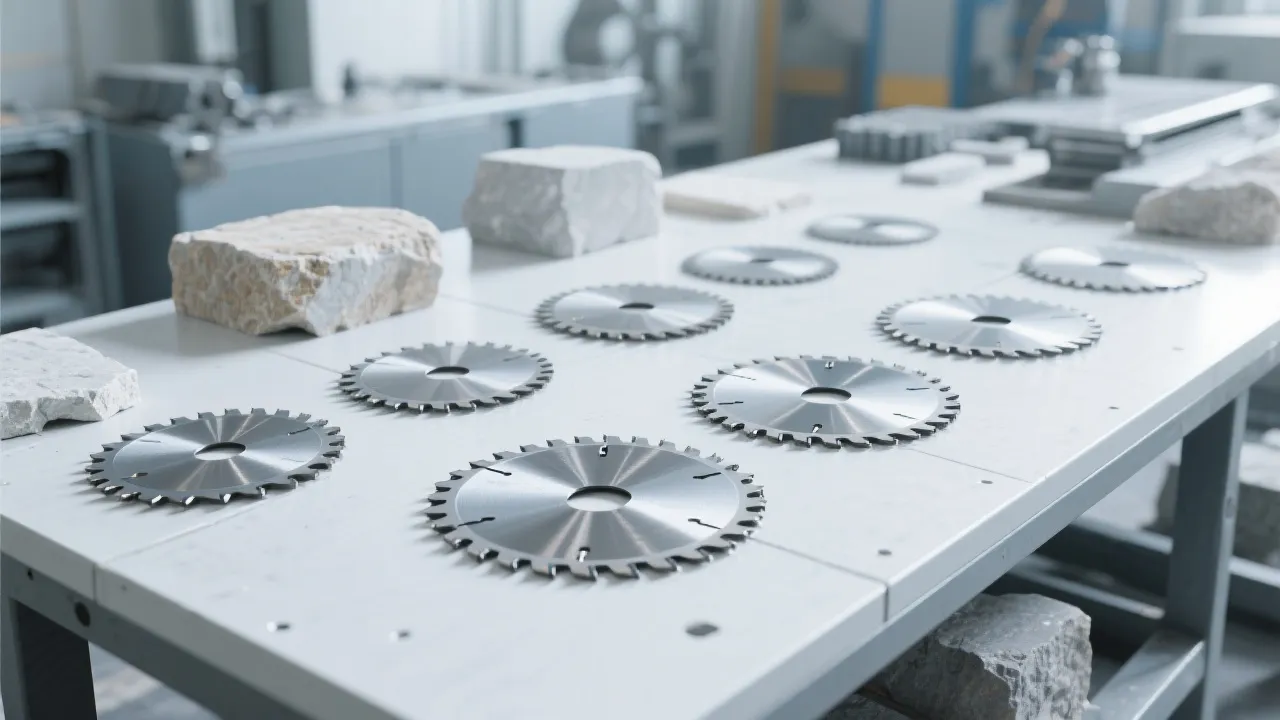
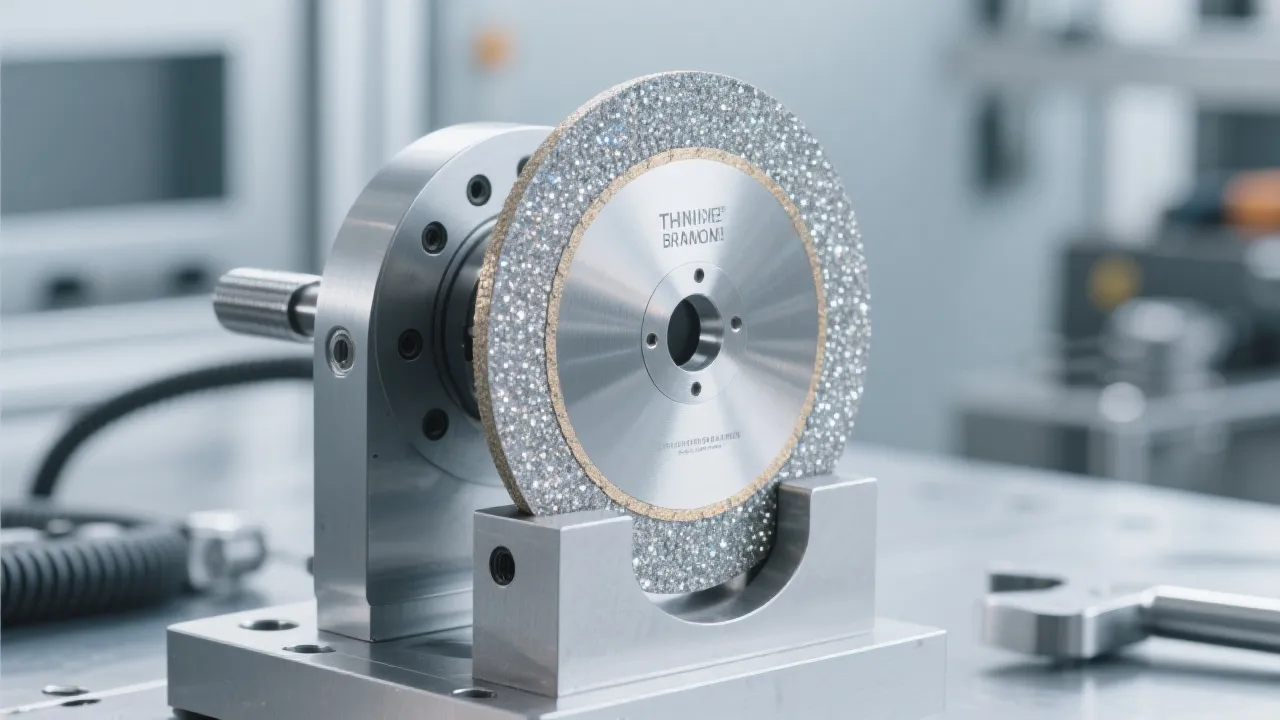
Why Ultrahard Material Tools Are Becoming Essential in Industrial Machining: Pain Points and Selection Pitfalls
20 06,2026
UHD Ultrahard Tools Co., Ltd
UHD Ultrahard Tools Co., Ltd explains why ultrahard material tools are increasingly critical in industrial machining, highlighting common cutting, grinding, and finishing pain points and correcting frequent selection mistakes that impact tool life, efficiency, surface quality, and process stability.

In industrial machining, the “right tool” is rarely defined by a single attribute such as hardness or price. Cutting, grinding, and finishing operations often fail for more practical reasons—heat, vibration, inconsistent stock, brittle materials, inadequate coolant strategy, or a mismatch between bond design and the actual contact conditions.
This page from UHD Ultrahard Tools Co., Ltd explains why ultrahard material tools are becoming increasingly essential for industrial buyers and production teams, and outlines common industrial machining pain points plus the most frequent tool selection mistakes that undermine tool life, machining efficiency, surface quality, and process stability.
Why ultrahard material tools matter more than ever
Modern production environments demand tighter tolerances, higher throughput, and consistent finishes across varied batches. These requirements increase the penalty of tool mismatch: even small selection errors can amplify scrap risk, downtime, and rework.
Ultrahard material tools—including diamond and related superabrasive solutions—are valued because they can support stable machining under demanding wear and thermal conditions, provided the tool design is selected to match the real process.
Typical drivers in industrial shops
- Hard-to-machine materials and abrasive workpieces that accelerate wear
- Higher spindle speeds and longer continuous cycles that raise heat load
- Quality targets where surface integrity and consistency matter as much as removal rate
- Need for repeatable processes across operators, shifts, and production lines
Industrial machining pain points: what commonly goes wrong
1) Cutting: premature wear, edge chipping, and unstable cutting
- Heat concentration: insufficient heat dissipation leads to fast wear and micro-fracture.
- Vibration & runout: increases chipping risk and makes edge performance inconsistent.
- Material variation: hardness changes, inclusions, or interrupted cuts reduce predictability.
2) Grinding: glazing, burning, and poor dimensional control
- Wheel glazing / loading: abrasive grains stop cutting effectively, raising forces and heat.
- Thermal damage: burn marks or surface integrity issues occur when heat isn’t managed.
- Inconsistent dressing strategy: changes cutting ability and finish over time.
3) Finishing: unstable surface quality and rework
- Surface inconsistency: micro-chatter or uneven contact leads to visible defects.
- Over-aggressive parameters: damages surface integrity even if the tool is “hard enough.”
- Mismatch of tool structure to contact area: causes uneven wear and unpredictable results.
In many shops, the biggest cost is not the tool itself—it’s the instability: stoppages, scrap, and frequent adjustments that reduce overall equipment effectiveness.
Frequent selection mistakes (and why they happen)
| Common mistake |
What it leads to |
What to check instead |
| Choosing only by price |
Shorter tool life, more downtime, unstable quality |
Total process cost: changeover time, scrap/rework risk, and repeatability requirements |
| Choosing only by “hardness” |
Chipping, brittle failure, sensitivity to vibration |
Balance of wear resistance and toughness; actual cutting/grinding forces and stability |
| Ignoring heat & coolant reality |
Burning, accelerated wear, inconsistent finishing |
Coolant delivery method, flow, filtration, and whether dry machining is intended |
| Overlooking contact conditions |
Unexpected loading, glazing, or uneven wear |
Contact area, pressure, intermittent vs continuous contact, and stock removal targets |
| One tool for every operation |
Compromised efficiency and surface quality across steps |
Separate tool design choices for roughing vs finishing; define the primary KPI per operation |
A practical selection framework for more stable processes
Step-by-step inputs to define before choosing a tool
- Workpiece reality: material type, abrasive characteristics, and batch variation.
- Operation goal: removal rate vs surface quality vs dimensional control (pick the primary KPI).
- Machine capability: spindle speed/torque window, rigidity, runout, and fixture stability.
- Thermal strategy: coolant type/delivery, dry/wet constraints, and heat-sensitive steps.
- Contact conditions: continuous or intermittent contact, pressure, and contact area geometry.
- Quality checkpoints: required finish, tolerance, and acceptable surface integrity.
How this framework reduces selection pitfalls
- Creates a shared language between purchasing, process engineering, and production
- Prevents over-specifying one parameter (e.g., hardness) while ignoring stability drivers
- Improves repeatability, making tool performance easier to evaluate and compare
Where UHD fits: ultrahard tooling expertise for B2B manufacturing
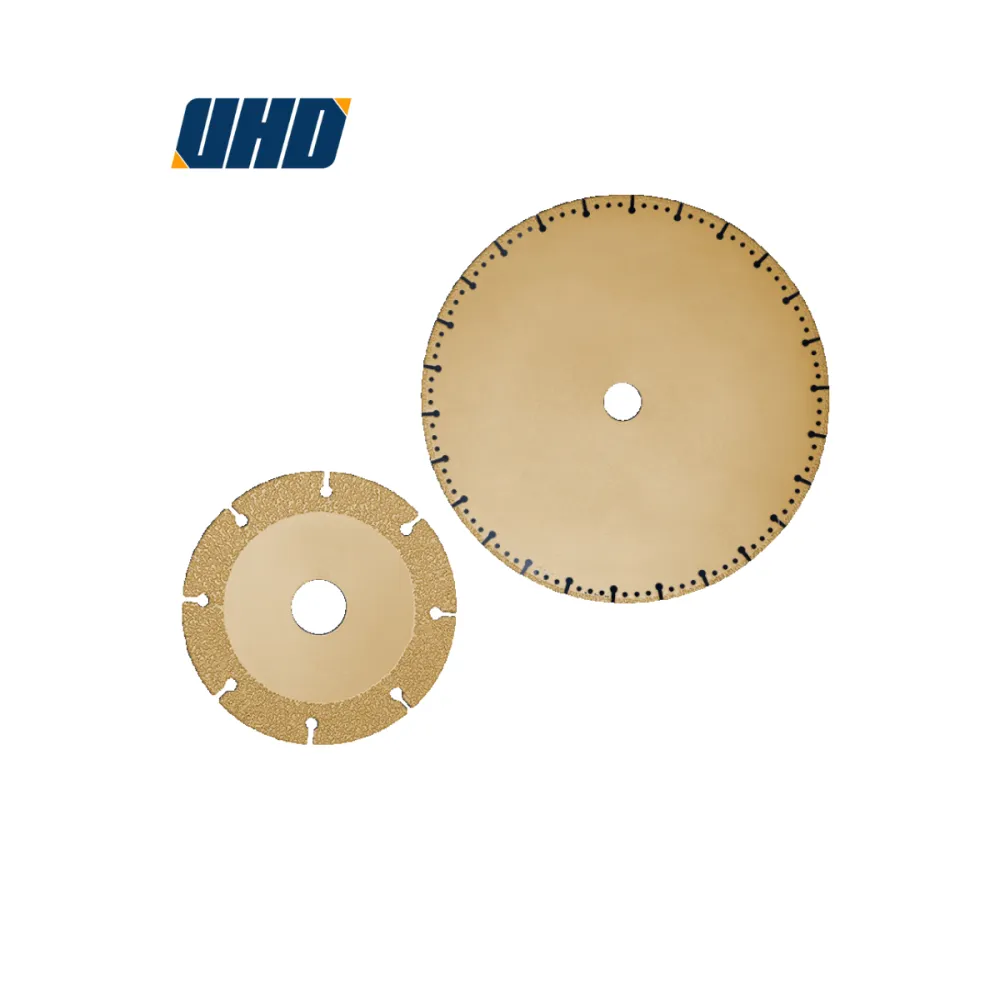
UHD Ultrahard Tools Co., Ltd focuses on R&D, manufacturing, and B2B supply of ultrahard material tools and related solutions for industrial machining. The company’s portfolio includes diamond tools, abrasives & grinding tools, and custom vacuum-brazed diamond abrasives, supporting common processes in metalworking and stone-processing environments.
What you can expect in a technical conversation
- Clarification of your machining pain points (wear, burn, chipping, finish variation, instability)
- Alignment on process targets: tool life, efficiency, surface quality, and process stability
- Tool positioning based on application fit—not generic one-size-fits-all claims
Quality-first positioning
UHD’s brand philosophy—“Quality builds the brand”—is reflected in a practical approach: match tool design to the process conditions and verify performance through stable, repeatable parameters.
For industrial buyers: a quick checklist before requesting a quote
- Process: cutting / grinding / finishing (and which step is most critical)
- Workpiece: material type and key challenges (abrasive wear, chipping, burning, etc.)
- Machine: speed range, rigidity constraints, and any runout/vibration notes
- Coolant: dry/wet, delivery limitations, filtration considerations
- Targets: desired surface quality, tolerance priorities, and stability expectations
Providing these inputs upfront helps reduce selection mistakes and supports a more reliable recommendation path for ultrahard material tools in industrial machining.
If your current process suffers from inconsistent tool life, unstable finishes, or frequent parameter adjustments, reviewing pain points through a structured selection approach is often the fastest way to improve process stability—without guessing based on price or hardness alone.


.png?x-oss-process=image/resize,h_1000,m_lfit/format,webp)
.png?x-oss-process=image/resize,h_1000,m_lfit/format,webp)