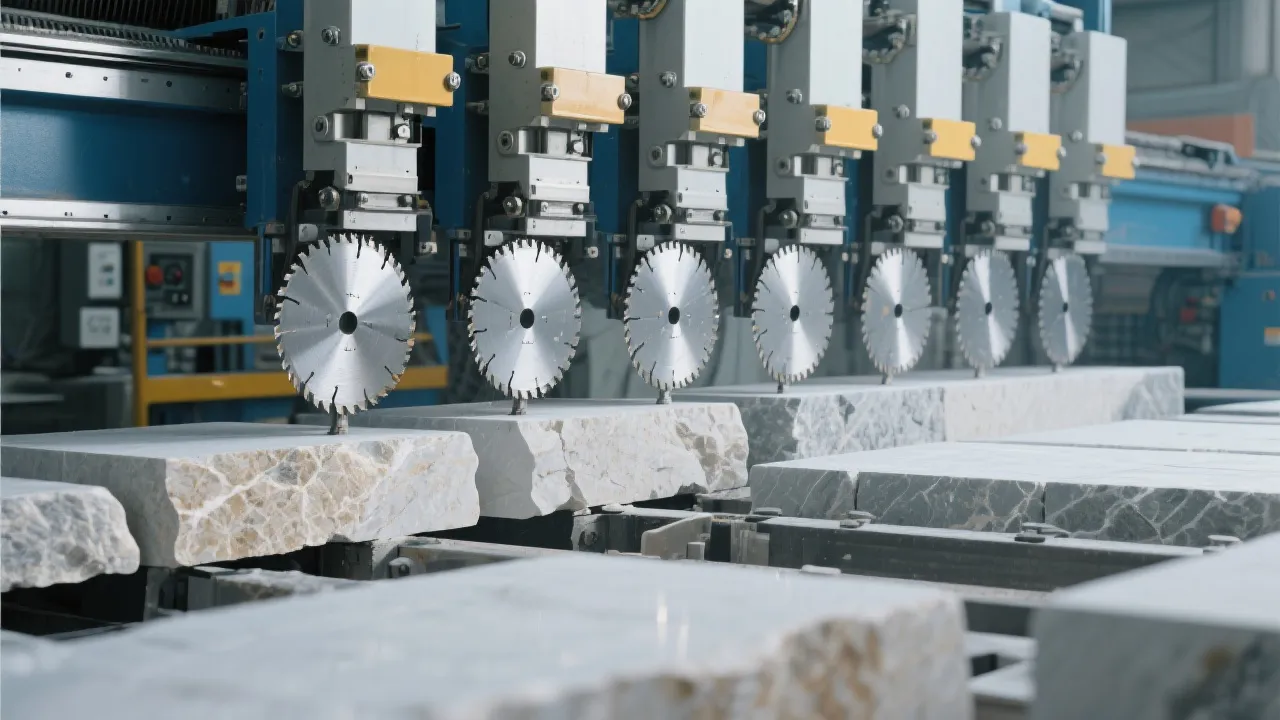
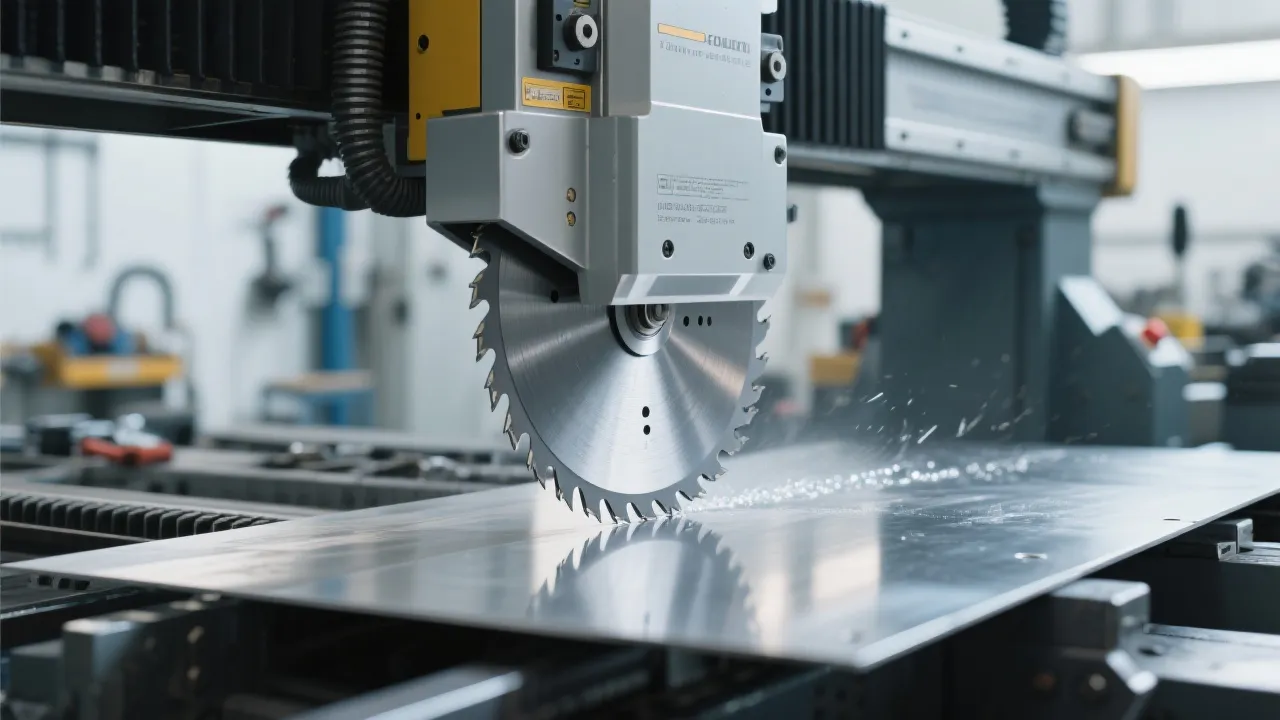
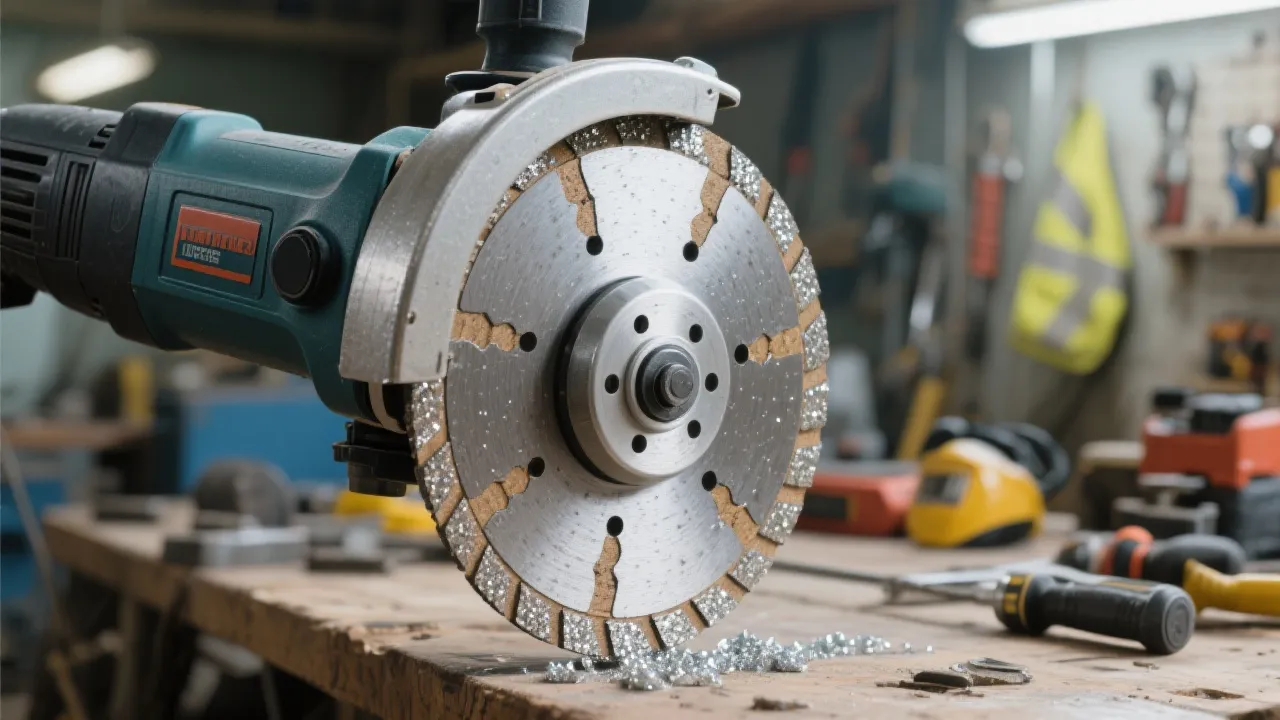
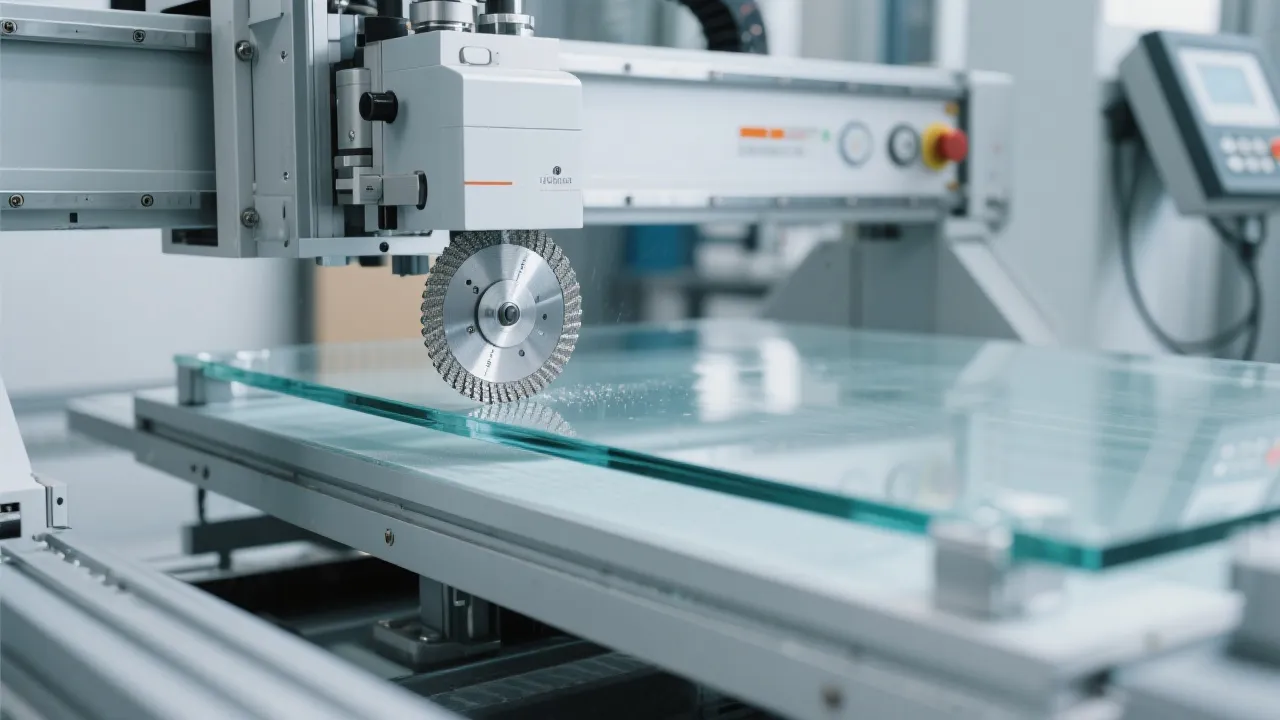
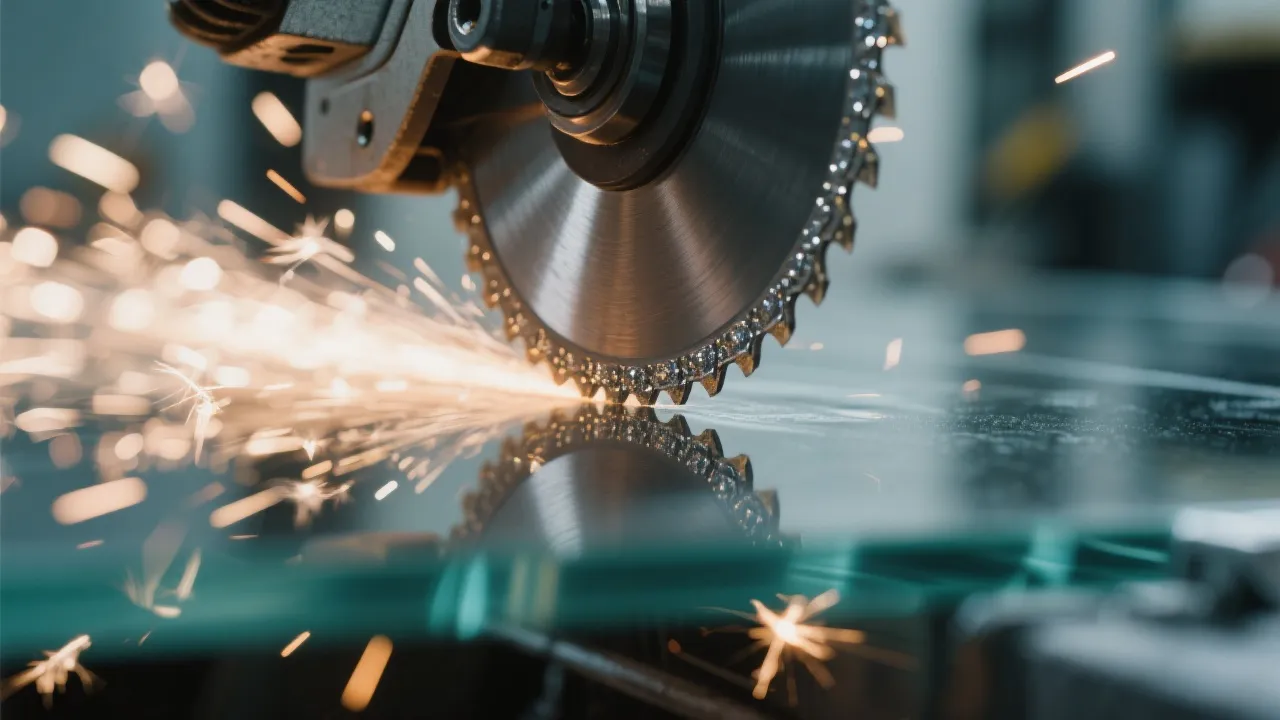
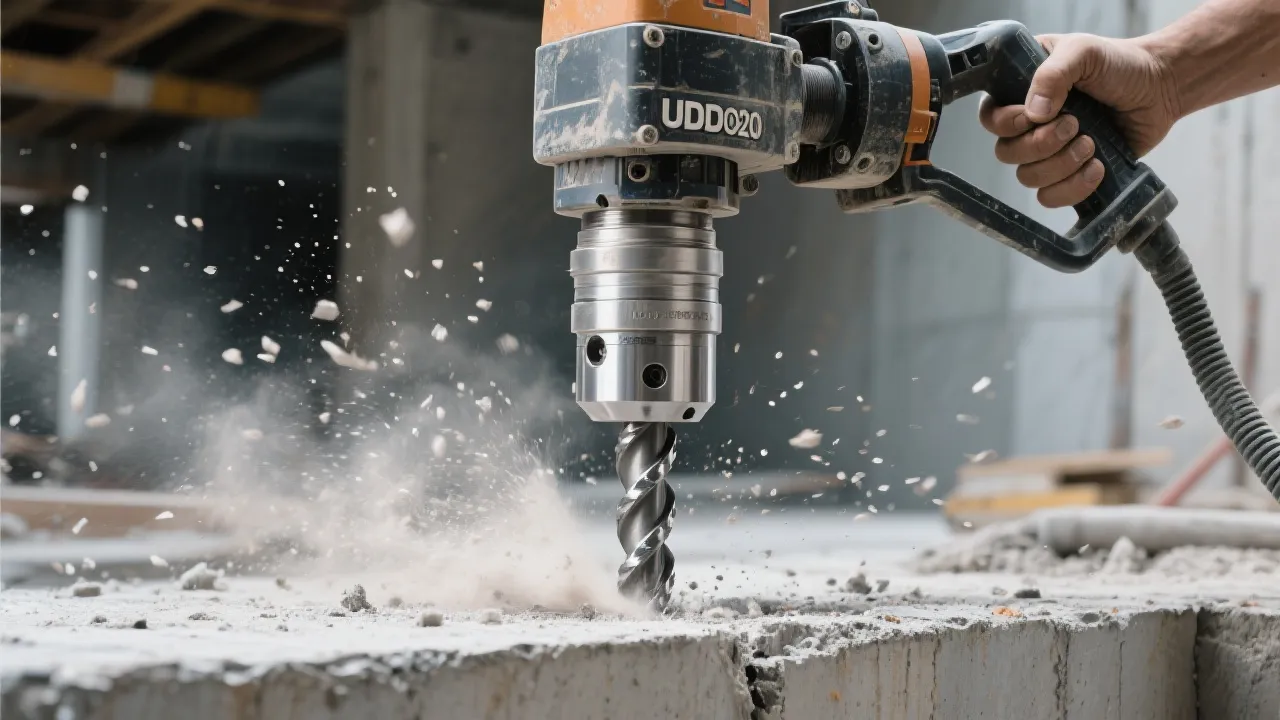
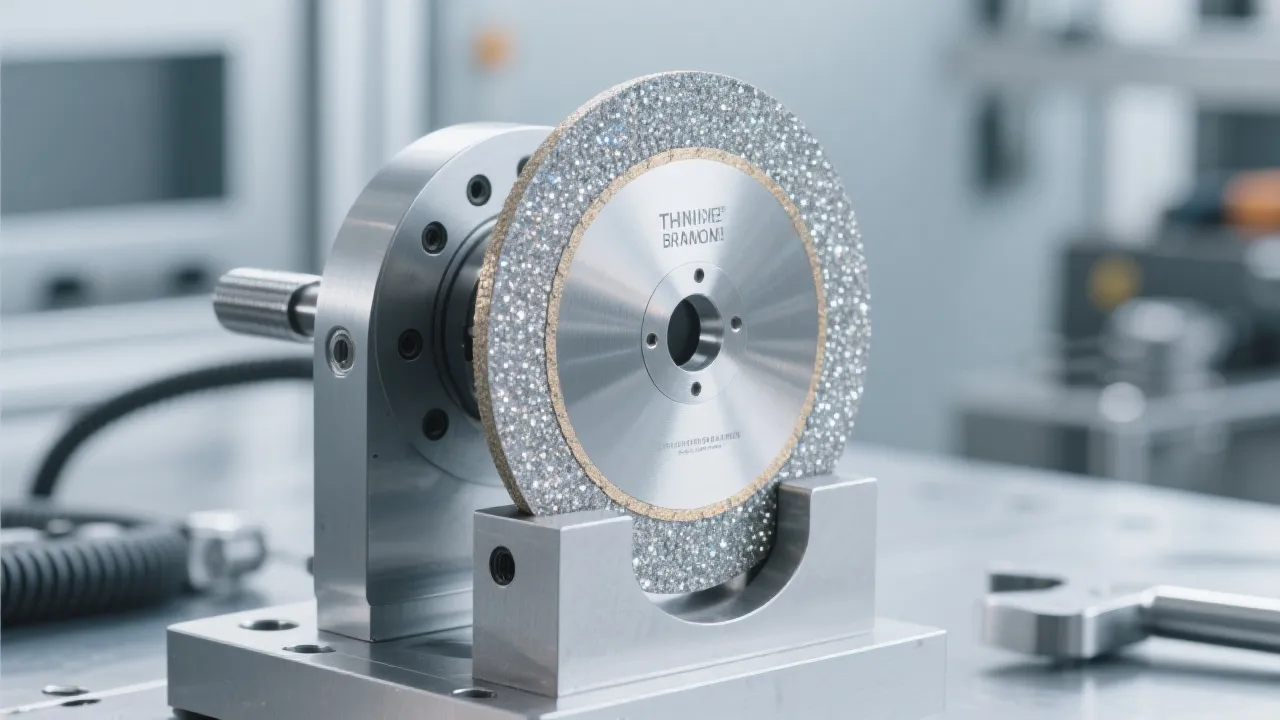
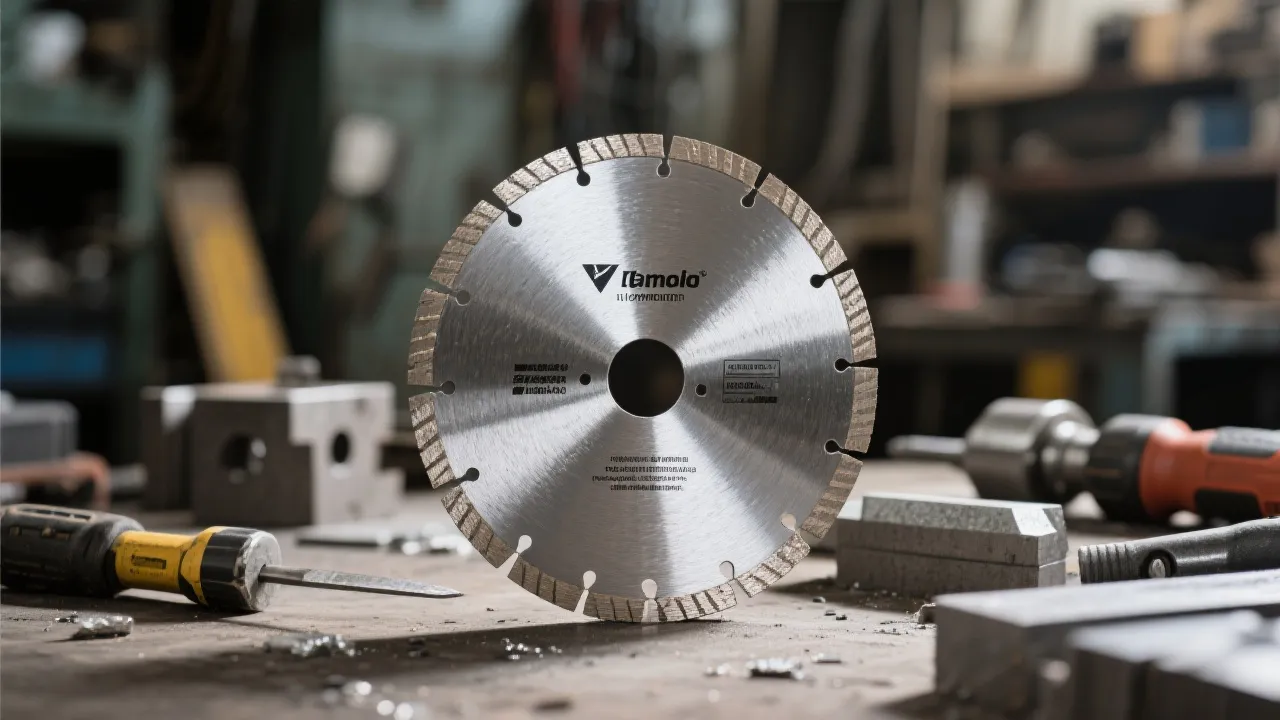
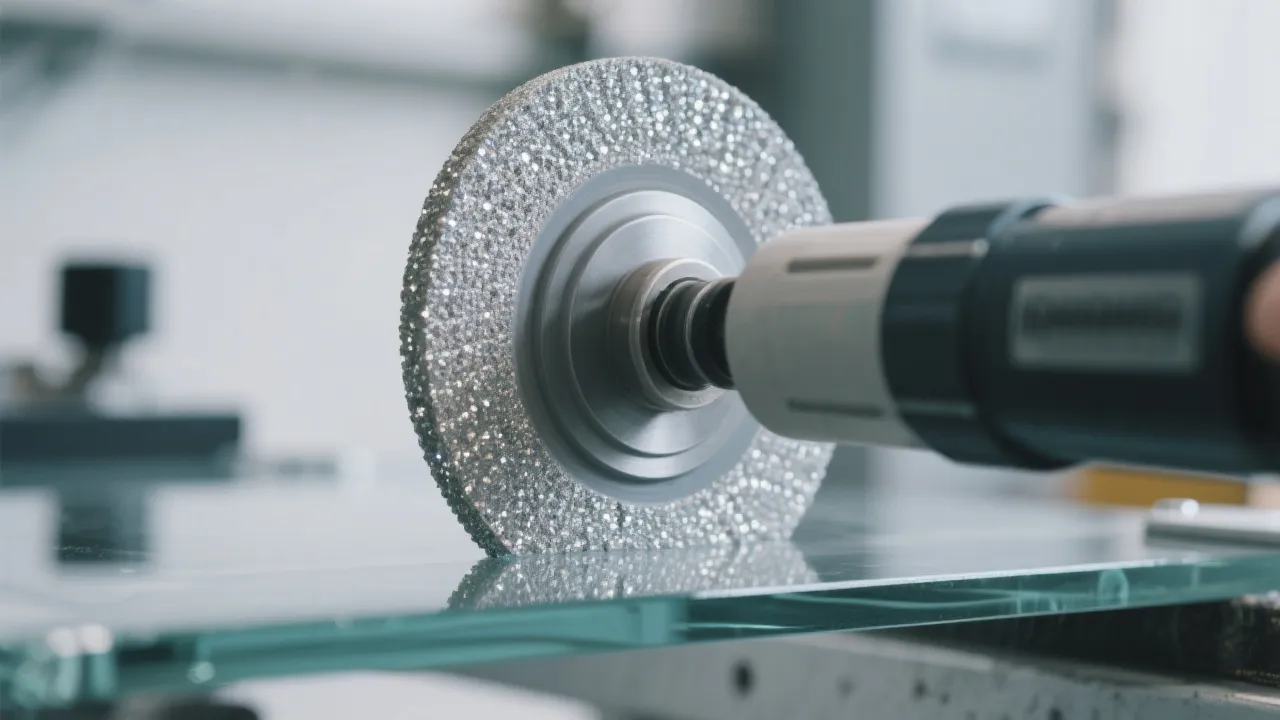
Ultrahard material tools are engineered for demanding industrial processing where conventional tooling struggles with wear, heat, and consistency. This page clarifies the core categories—diamond tools, abrasives & grinding tools, and vacuum-brazed diamond cutting abrasives—and explains how they differ in structure, performance boundaries, and typical use cases across metalworking and stone processing.
Written for manufacturers, distributors, and procurement teams building selection criteria and sourcing specifications. Brand reference: UHD Ultrahard Tools Co., Ltd (UHD)—R&D, manufacturing, and B2B supply of ultrahard material tools.
Ultrahard material tools generally refer to tools and consumables that use ultrahard cutting or grinding media (most commonly diamond-based structures) to remove material efficiently while maintaining stable geometry under heavy wear conditions.
In procurement terms, this is a tooling family used to control tool life, surface finish, dimensional stability, and process efficiency—but the best choice depends on the workpiece material, the process (cutting vs. grinding), and the required edge/abrasive structure.
Common decision inputs
Tools that incorporate diamond as the working medium for cutting or grinding—selected when high wear resistance and stable processing are needed in tough materials and long production runs.
A broader class of grinding consumables and abrasive tools used for stock removal, shaping, and finishing—often chosen for flexibility across operations and cost/throughput balancing.
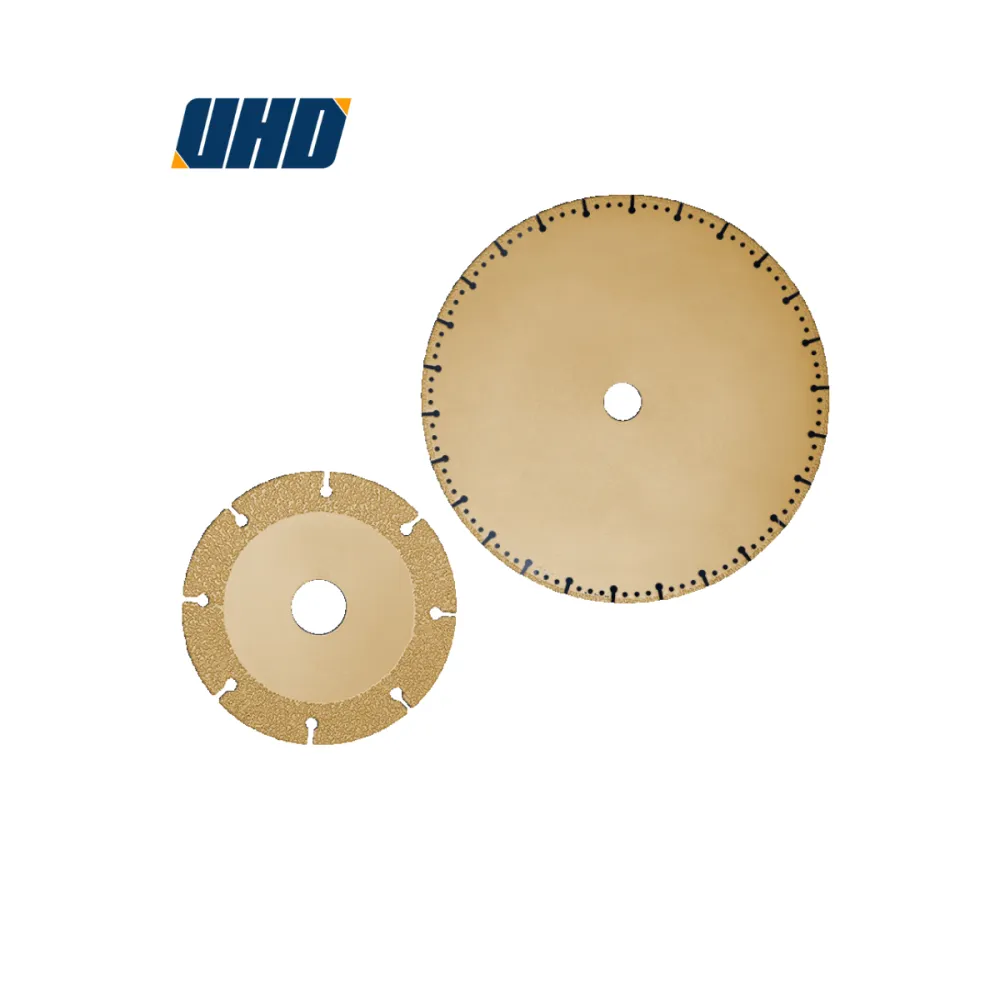
Diamond grit is brazed onto a substrate under vacuum to form an exposed, aggressive cutting/grinding layer—commonly used when fast cutting and strong grit retention are priorities.
Note: final selection should be validated against the specific workpiece, machine parameters, and target finish. Avoid “one-size-fits-all” assumptions in industrial tooling.
Procurement tip: define your target (removal rate vs. surface finish), machine limits, and whether the operation is continuous production or intermittent job work.
Process tip: match tool category to the operation step—rough cutting, profiling, intermediate grinding, or final finishing—to avoid under- or over-specifying the tool.
A good specification reduces total cost of ownership: fewer tool changes, more stable quality, and clearer acceptance criteria across plants and distributors.
UHD Ultrahard Tools Co., Ltd (UHD) focuses on the R&D, manufacturing, and sales of ultrahard material tools for industrial markets, with product coverage including diamond tools, abrasives & grinding tools, and custom vacuum-brazed diamond cutting abrasives.
UHD follows a quality-first approach and works with academic research resources (including cooperation with Henan University of Technology) to support ongoing development and application-oriented tooling improvements.
If you’re building a sourcing shortlist, prepare: workpiece type, process description, machine model (or key parameters), desired tool dimensions, and target finish/removal expectations. This enables faster matching to the most suitable ultrahard material tool category.
Is “diamond tools” the same as “abrasives & grinding tools”?
They overlap in real-world usage, but the terms emphasize different angles: “diamond tools” highlights the working medium, while “abrasives & grinding tools” describes the operation and consumable category used across grinding and finishing steps.
When does vacuum brazing matter?
Vacuum brazing is relevant when you need a diamond abrasive layer with strong grit retention and high exposure for cutting/grinding. Suitability still depends on your workpiece, machine parameters, and the required tool geometry.
What information is essential for quoting and technical matching?
Application (metalworking or stone processing), process step, tool format/dimensions, machine limits, and the quality target (finish, tolerance, consistency). Clear inputs help avoid mis-selection and reduce trial cycles.
UHD supports B2B buyers with category clarification (diamond tools, abrasives & grinding tools, vacuum-brazed diamond cutting abrasives) and application-oriented specification alignment for metalworking and stone processing.
Recommended to include:


.png?x-oss-process=image/resize,h_1000,m_lfit/format,webp)
.png?x-oss-process=image/resize,h_1000,m_lfit/format,webp)