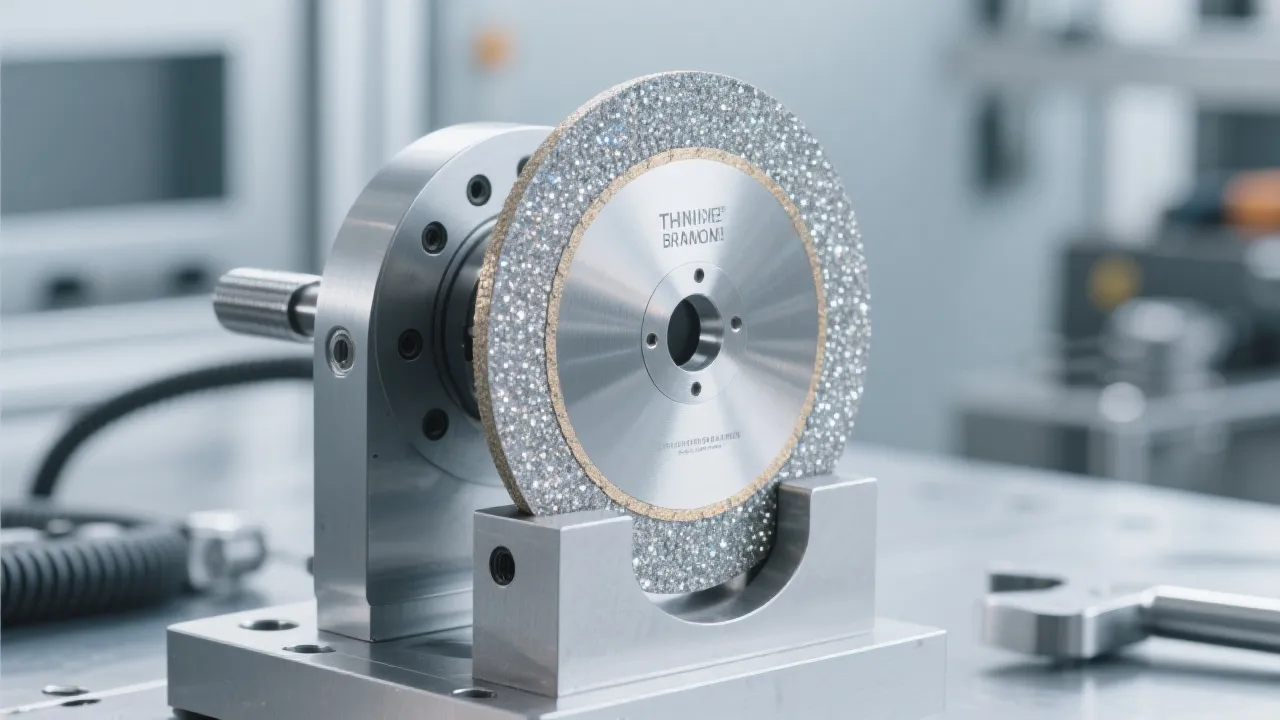
Ultrahard material tools are engineered for demanding cutting, grinding, and surface preparation tasks where conventional abrasives struggle to maintain edge sharpness, wear resistance, or process stability. This page from UHD Ultrahard Tools Co., Ltd explains the main categories—diamond tools, abrasives & grinding wheels, and vacuum brazing—with clear application boundaries and typical use cases in metalworking and stone processing.
For industrial buyers: align tool category to material type, cycle time, and replacement frequency discussions.
For engineers: map process boundaries—heat, dust, edge retention, and grit/bond behavior—to the right tool structure.
In industrial practice, “ultrahard” usually refers to tool systems built with superabrasives (especially diamond) and engineered bonds/structures to deliver controlled stock removal, stable geometry, and long service life. The most common families include:
Practical boundary tip: tool selection should start from workpiece material, target removal rate, and finish requirement, then confirm whether the process benefits from a resin/metal bond or a vacuum brazed structure.
| Tool category | How it works (simplified) | Typical scenarios | Key boundaries to validate |
|---|---|---|---|
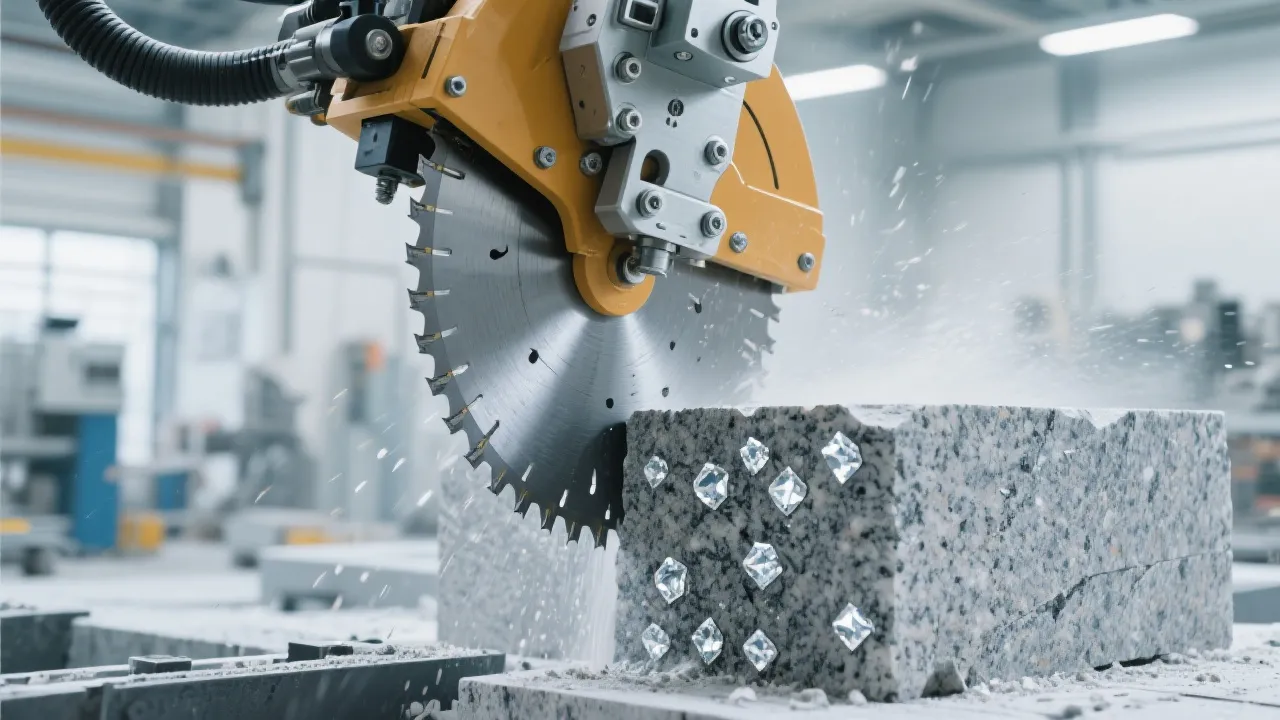
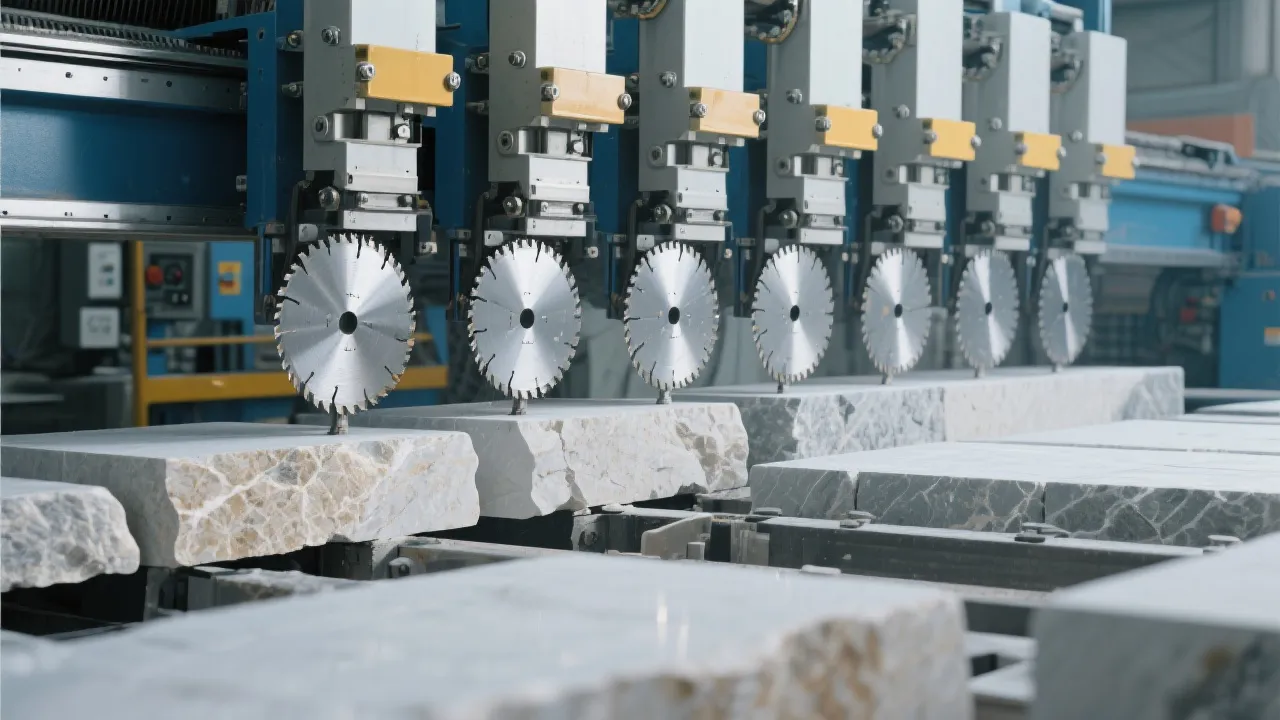
| Diamond tools | Diamond grains perform cutting/micro-cutting; bond and geometry control wear and finish. | General cutting/grinding for tough-to-machine materials; also widely used in stone processing. | Material compatibility, desired finish, heat management, and edge/chip control. |
| Abrasives & grinding wheels | Abrasive grains + bond act as a controlled “cutting surface” for shaping/finishing. | Surface preparation, deburring, profiling, and finishing in metalworking and stone processing. | Wheel loading/glazing risk, stability under pressure, and dust/thermal considerations. |
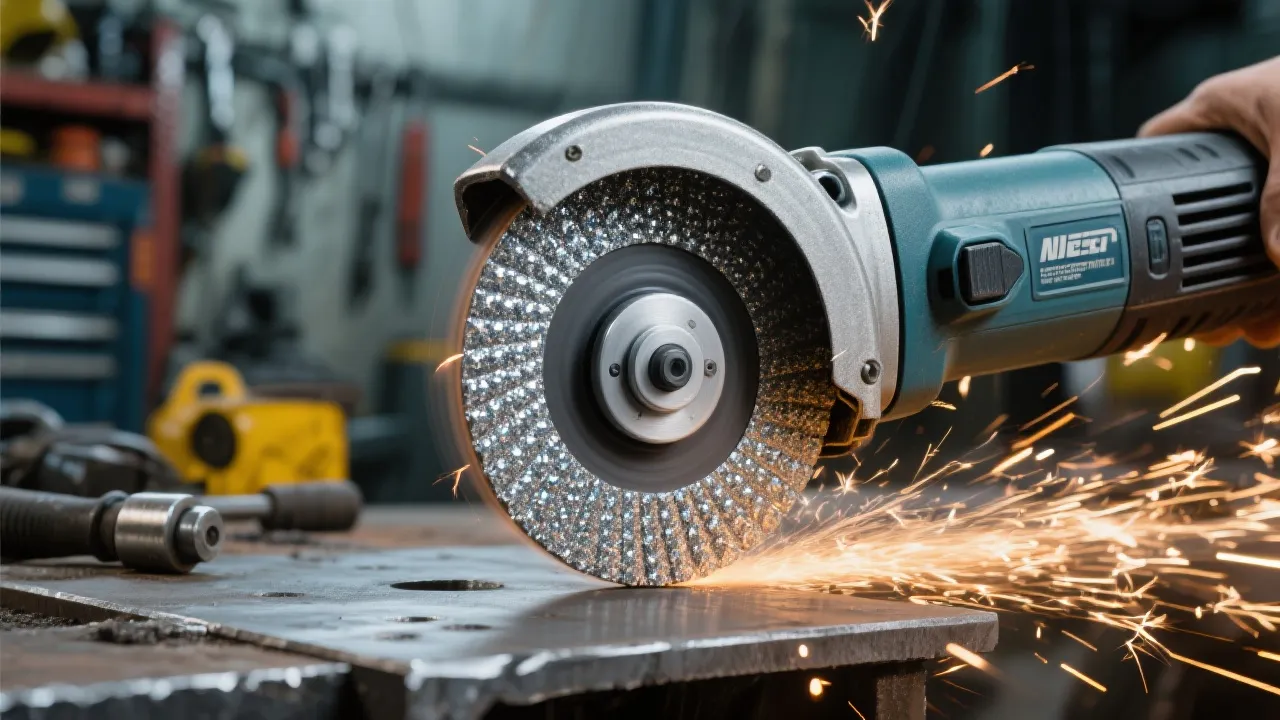
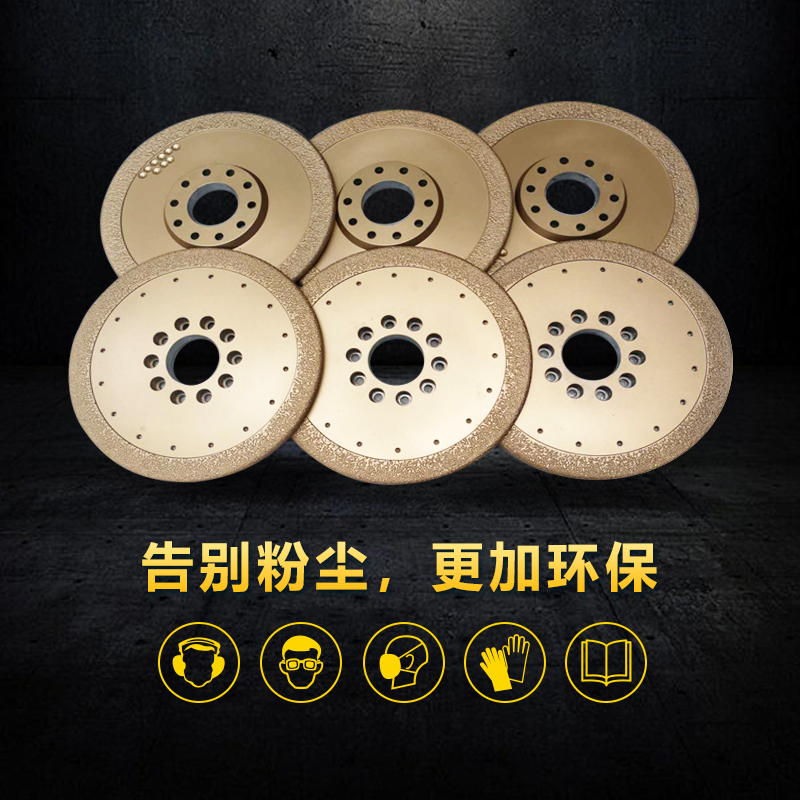
| Vacuum brazed tools (e.g., vacuum brazed diamond grinding wheels) | Diamond is brazed onto the tool body for strong retention and sharp, aggressive grinding. | When high grinding efficiency and wear resistance are needed across varied materials. | Confirm workpiece hardness/structure, required aggressiveness vs. finish, and machine power/speed limits. |
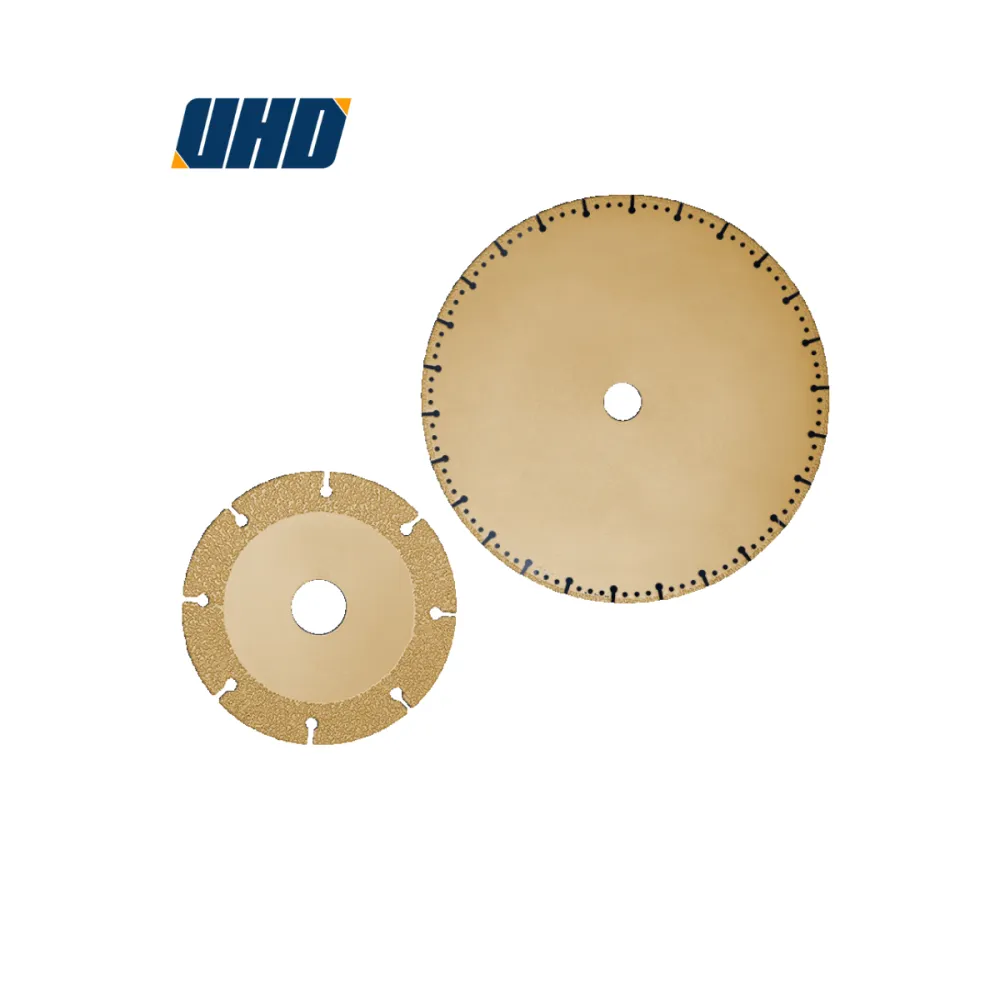
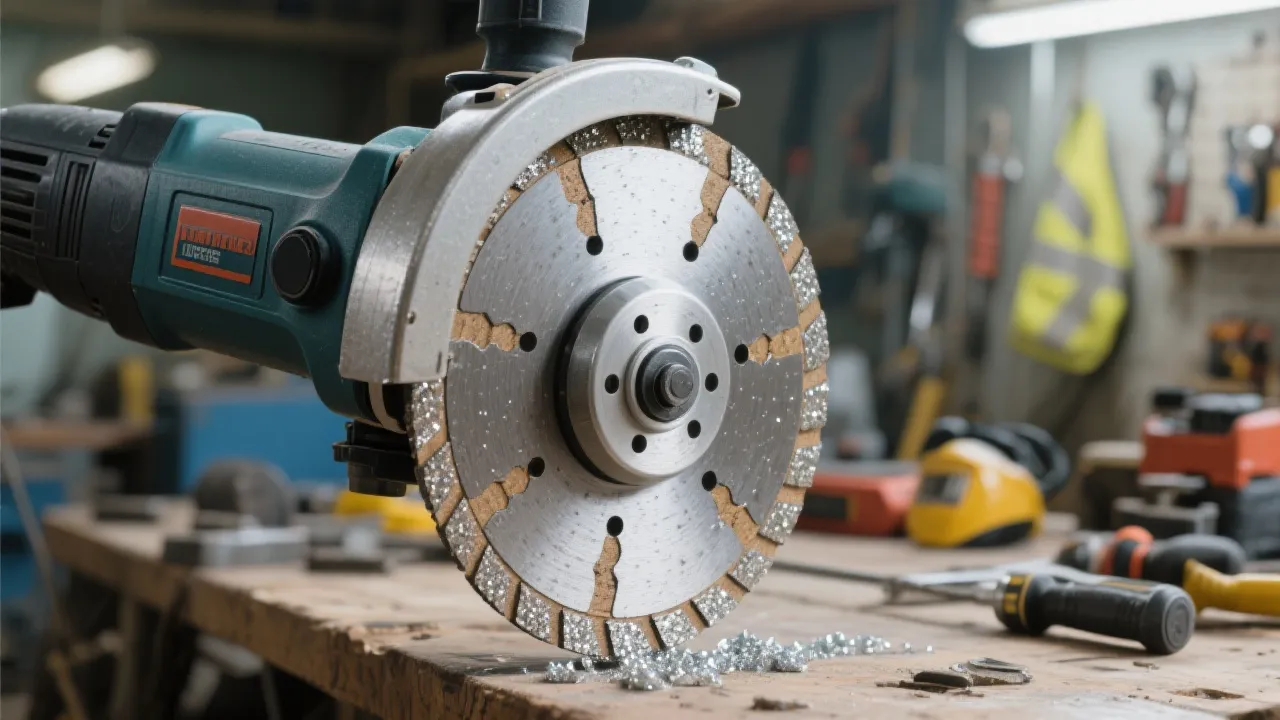
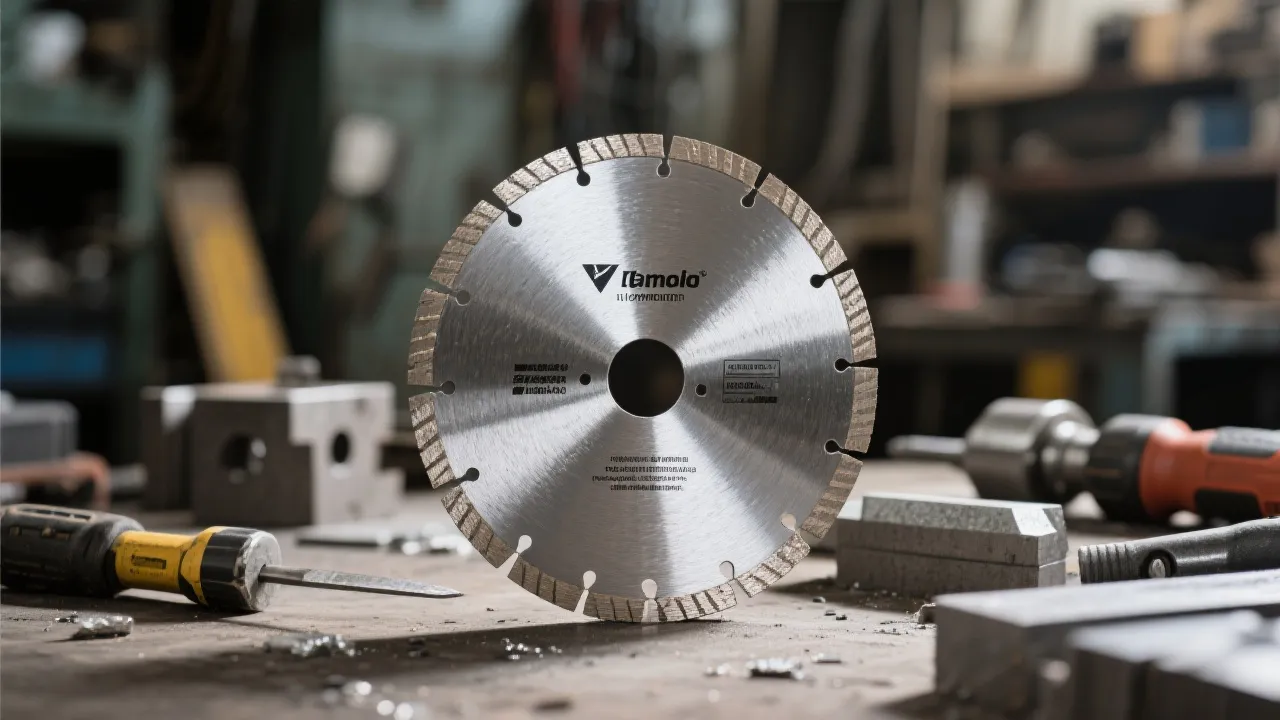
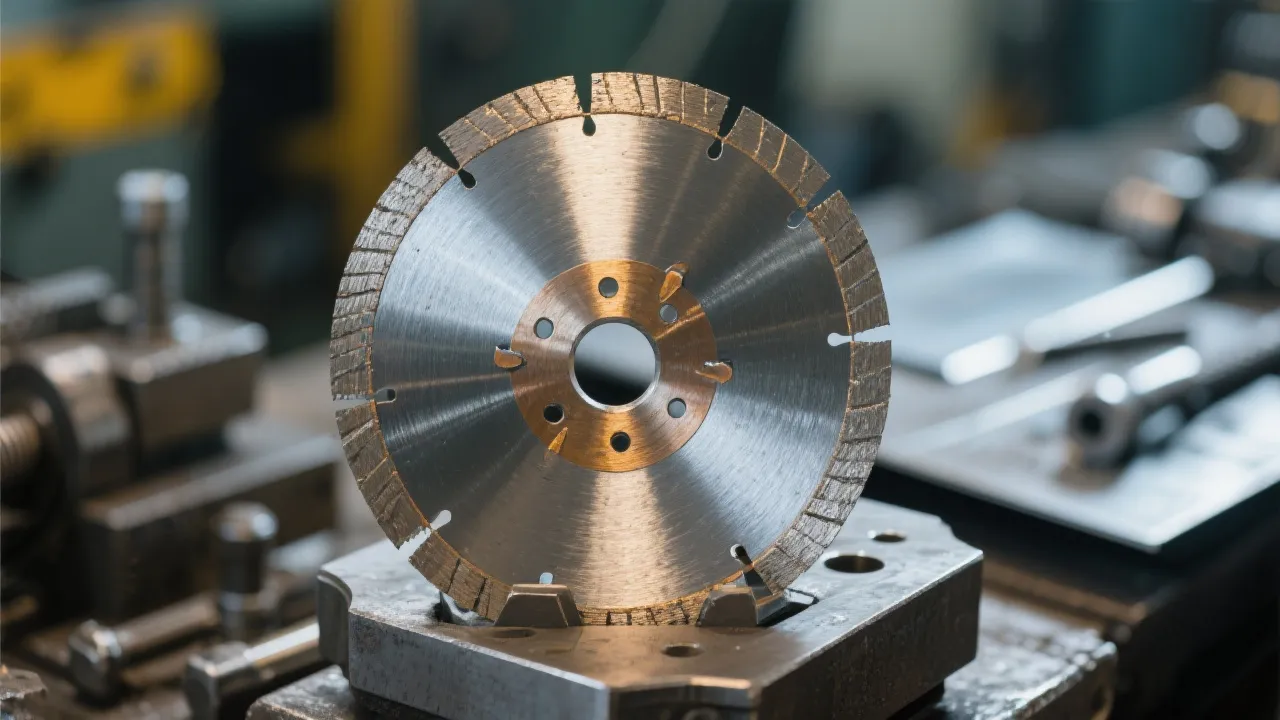
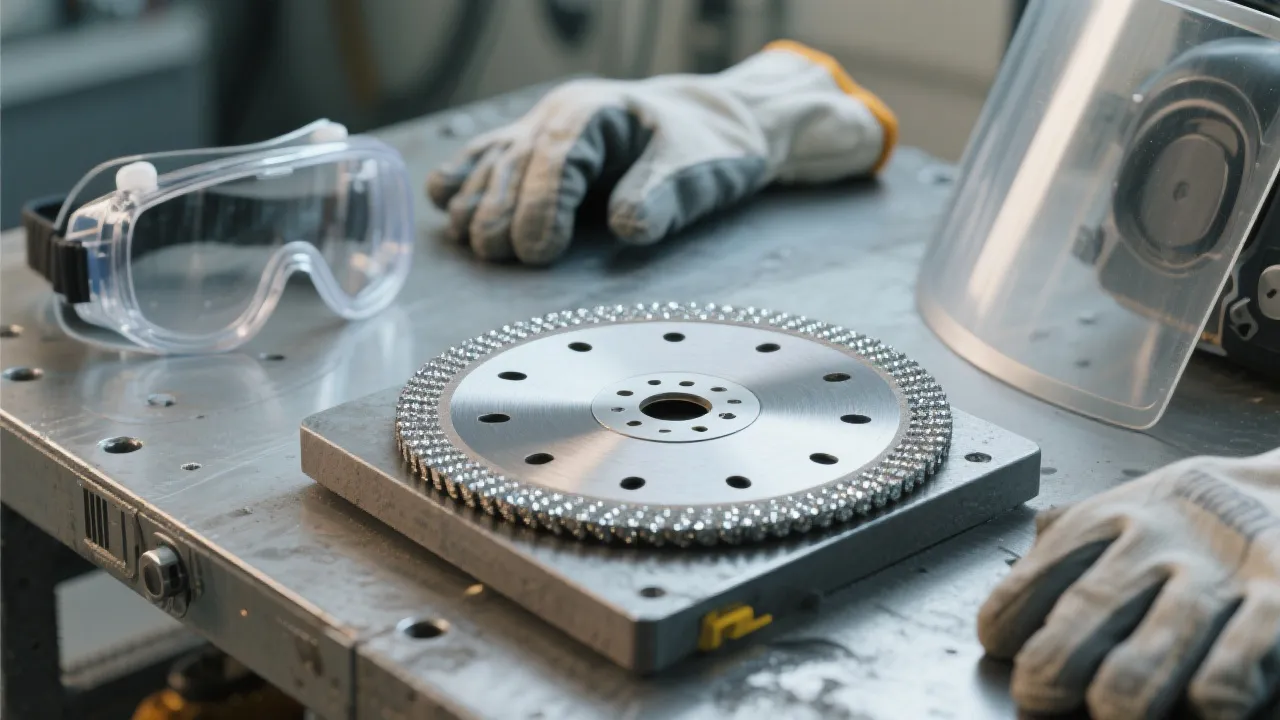
UHD’s vacuum brazed diamond grinding wheel (also referred to as a brazed diamond grinding wheel) is designed as a high-efficiency, wear-resistant industrial grinding tool. It uses a vacuum brazing lay-up process with selected diamond raw materials to support sharp grinding performance and stable grain retention.
Use-case fit: metalworking, stone processing, automotive manufacturing, and aerospace manufacturing processes where diamond grinding performance and durability are priorities.
To speed up tool matching and avoid out-of-boundary applications, align on the following inputs when discussing abrasives & grinding wheels or vacuum brazed diamond grinding wheels:
As a high-tech enterprise focused on R&D, manufacturing, and sales of ultrahard material tools, UHD Ultrahard Tools Co., Ltd provides B2B customers with product positioning aligned to specific process requirements—especially across diamond tools, abrasives & grinding wheels, and vacuum brazed solutions.
If you are comparing diamond tools vs. abrasives & grinding wheels vs. a vacuum brazed option for metalworking or stone processing, preparing your workpiece details and wheel drawing will help shorten the selection cycle and keep the solution within the correct application boundary.


.png?x-oss-process=image/resize,h_1000,m_lfit/format,webp)
.png?x-oss-process=image/resize,h_1000,m_lfit/format,webp)