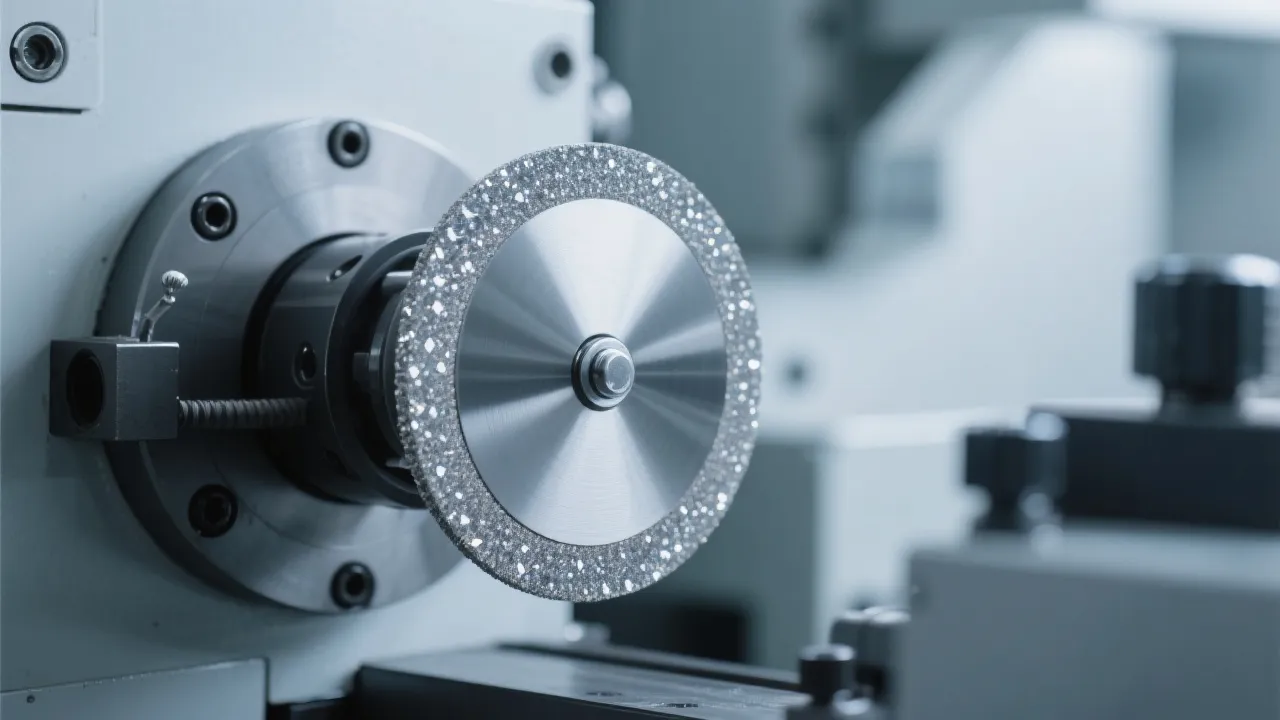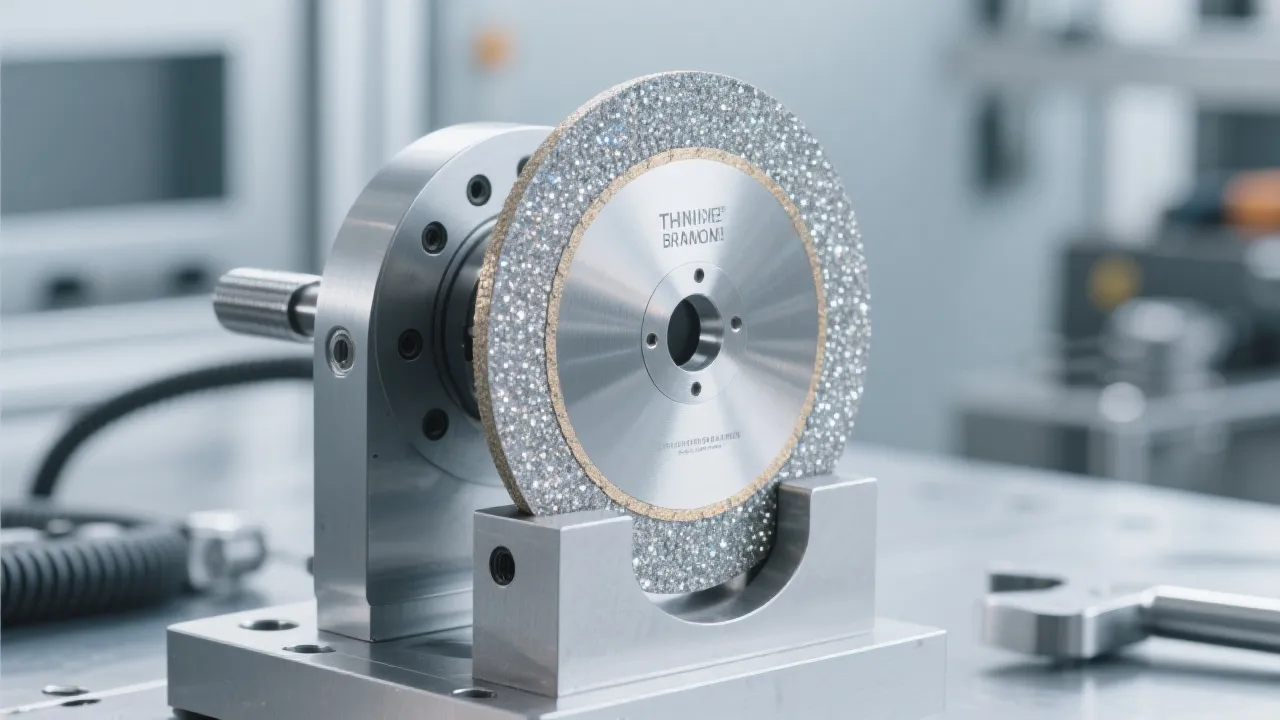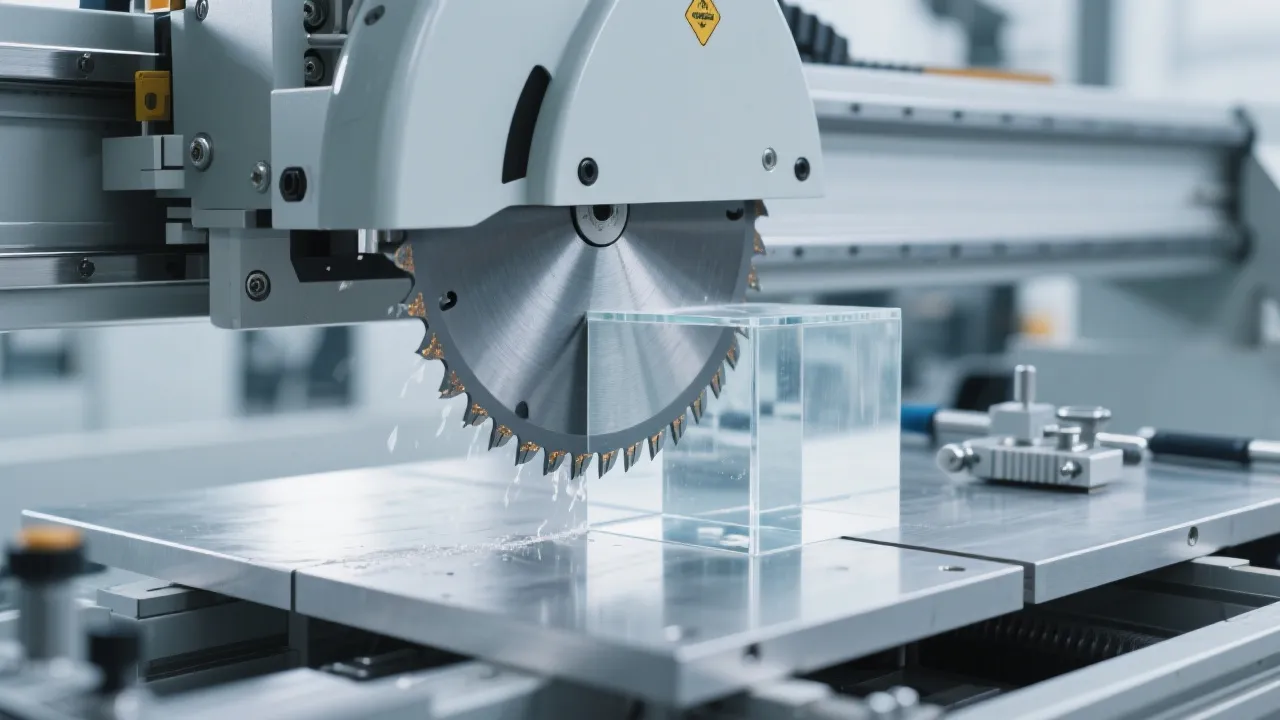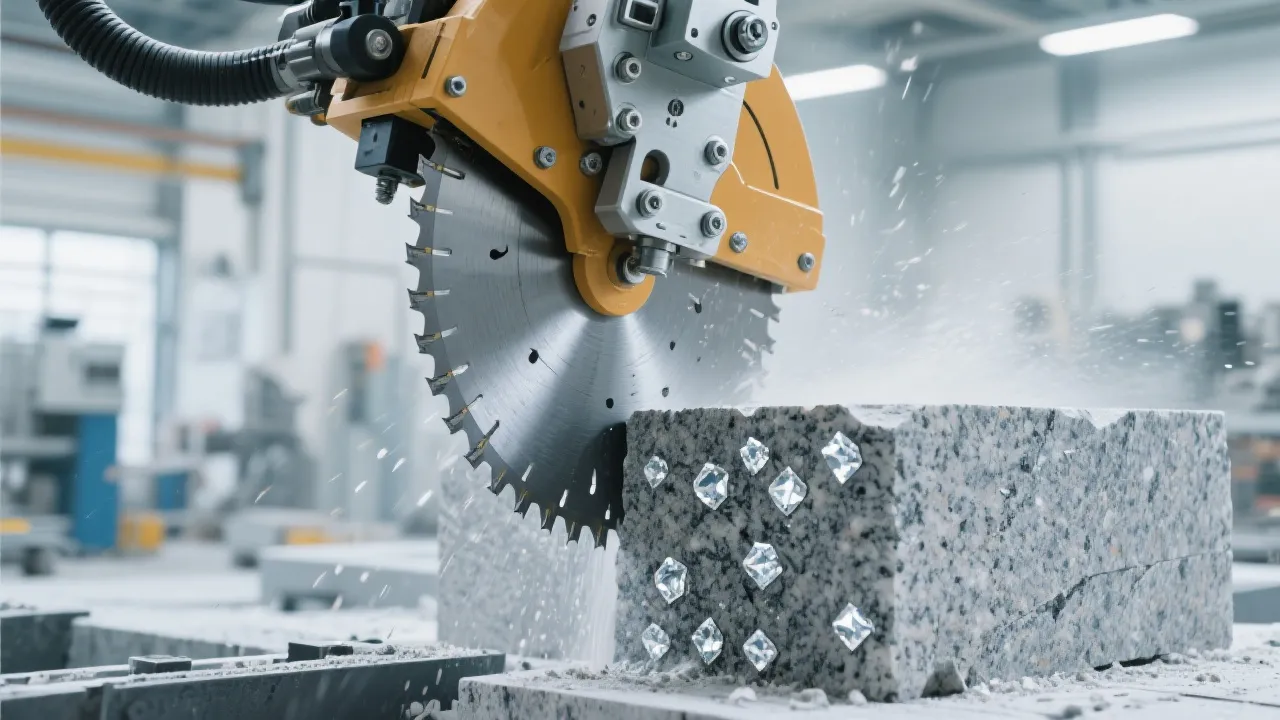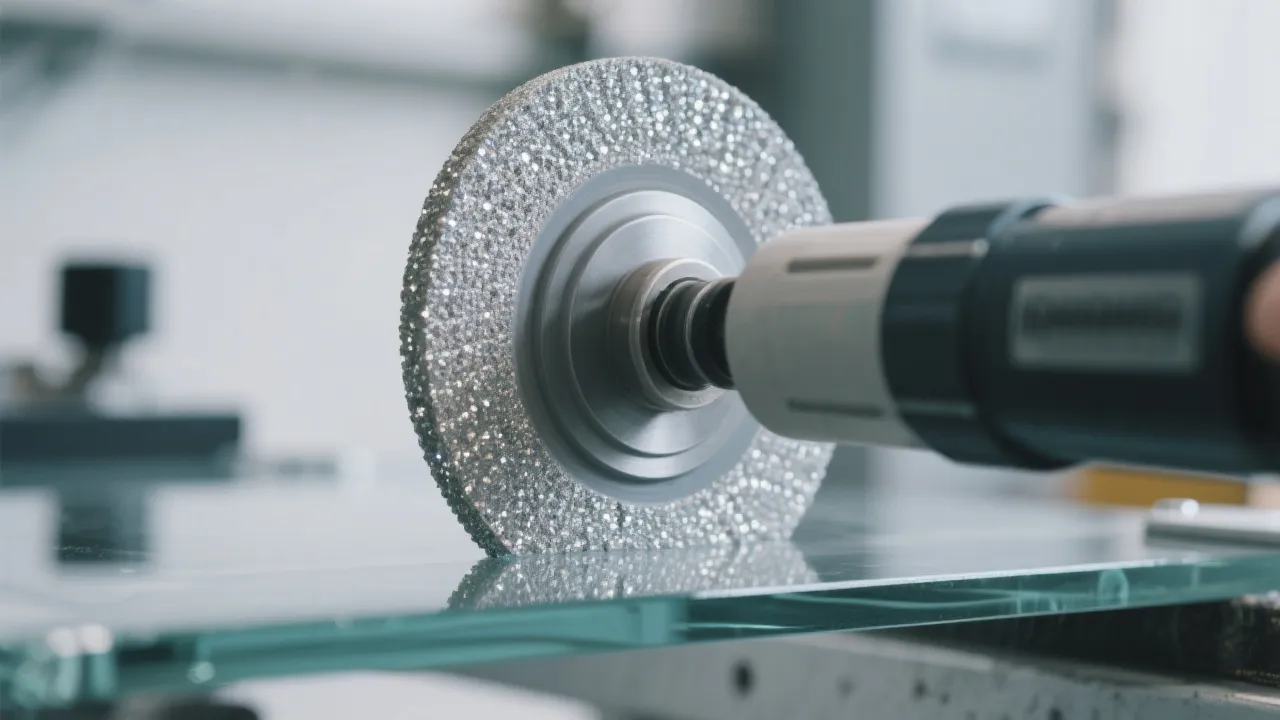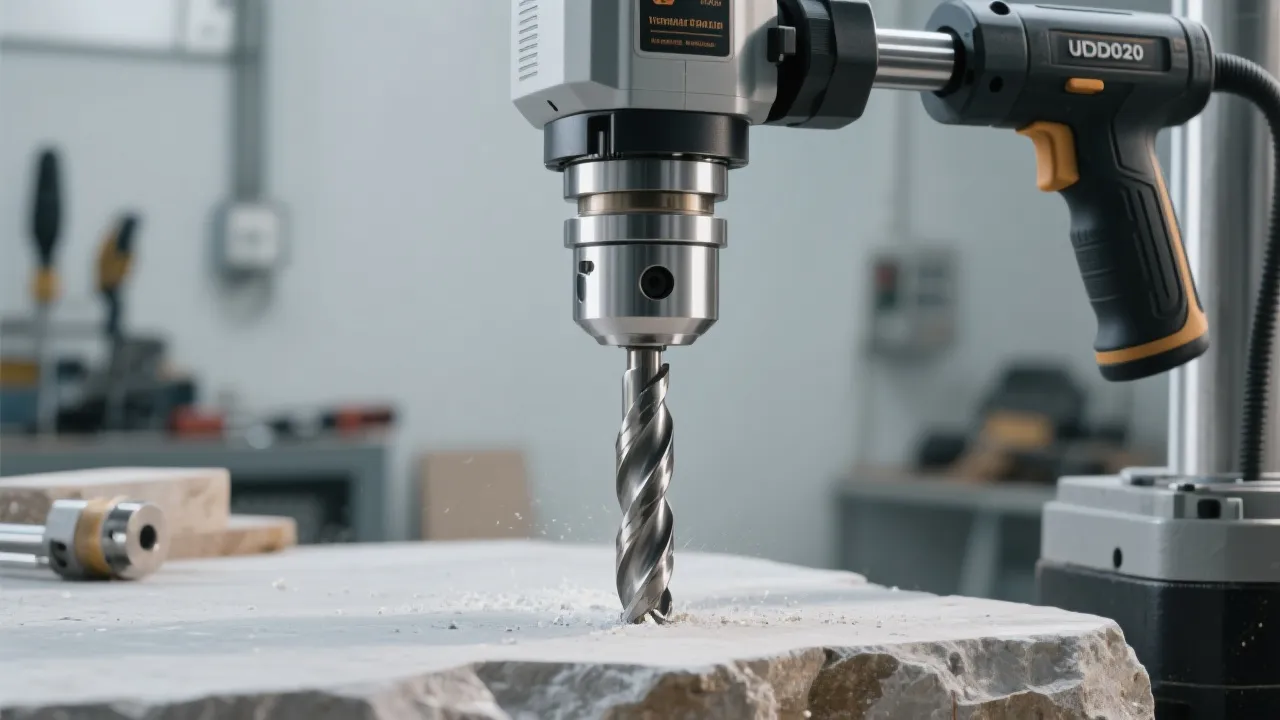
In industrial grinding and cutting, diamond tools rarely fail for “one single reason.” Most premature failures come from a chain reaction: micro-cracks in the brazed layer amplify vibration, heat rises due to insufficient coolant, diamonds glaze (diamond bluntness), and the bond or matrix loses its ability to hold effective cutting edges. This guide explains the most common industrial diamond tool failure modes and practical prevention measures—written for maintenance teams, process engineers, and technical buyers who need stable, repeatable performance.
| Observed Symptom | Most Likely Root Cause | Quick Verification |
|---|---|---|
| Diamonds “fall off” or strip in patches | Brazed layer cracking / poor wetting | Check fracture lines at bond edge; inspect diamond pull-out surface |
| Cutting slows, force rises, burn marks appear | Diamond dulling (glazing) + insufficient cooling | Compare power draw; look for polished diamond facets and discoloration |
| Tool “shapes itself” too fast, profile collapses | Excessive matrix/body wear | Measure diameter loss vs. expected; assess abrasive slurry and load |
| Chatter, uneven scratches, edge chipping | Installation error / misalignment / runout | Measure spindle runout; check flange cleanliness and clamping torque |
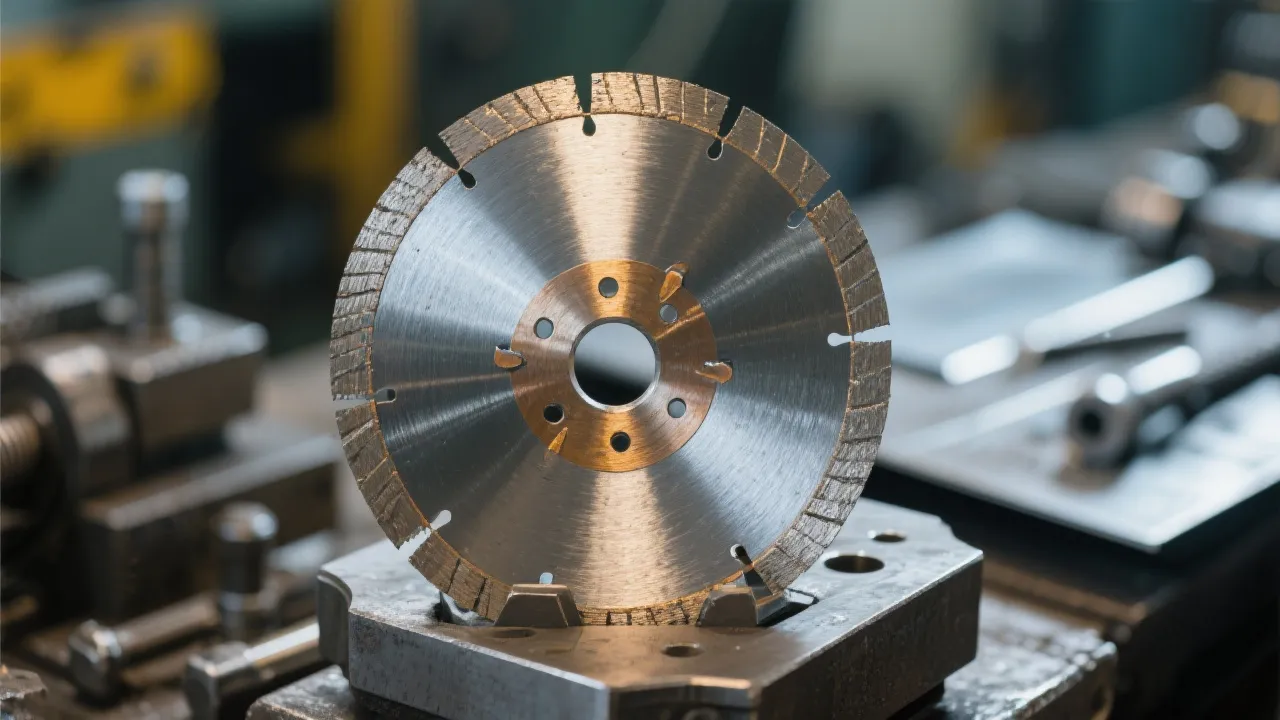
For brazed diamond tools, the brazed layer is more than a “glue.” It is a structural interface that must tolerate cyclic mechanical loads and thermal gradients. Cracks typically start as micro-defects—local voids, incomplete wetting, contamination, or uneven alloy thickness—and then propagate under vibration and repeated heating/cooling.
Common contributors include abrupt parameter changes (feed spikes), intermittent contact (impact loading), and high localized temperatures at the cutting zone. Once the crack network forms, it reduces load-sharing across diamonds; the tool transitions from controlled cutting to random pull-out and accelerated wear.
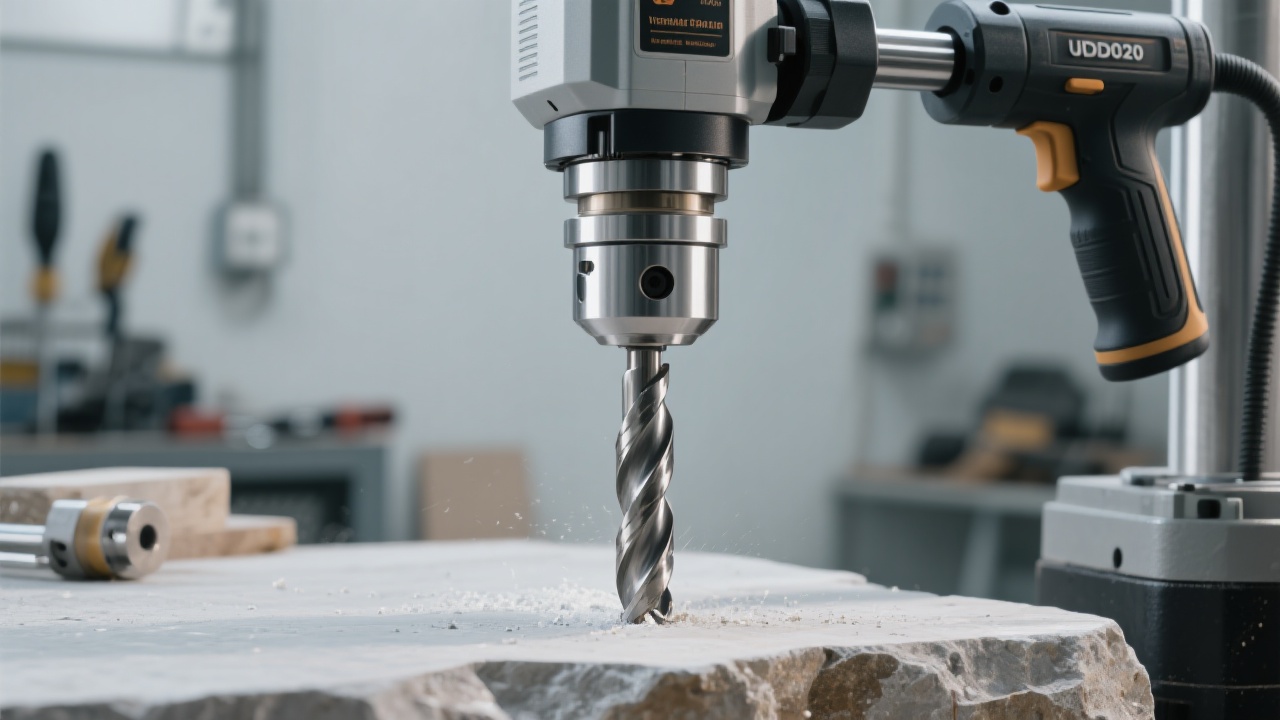
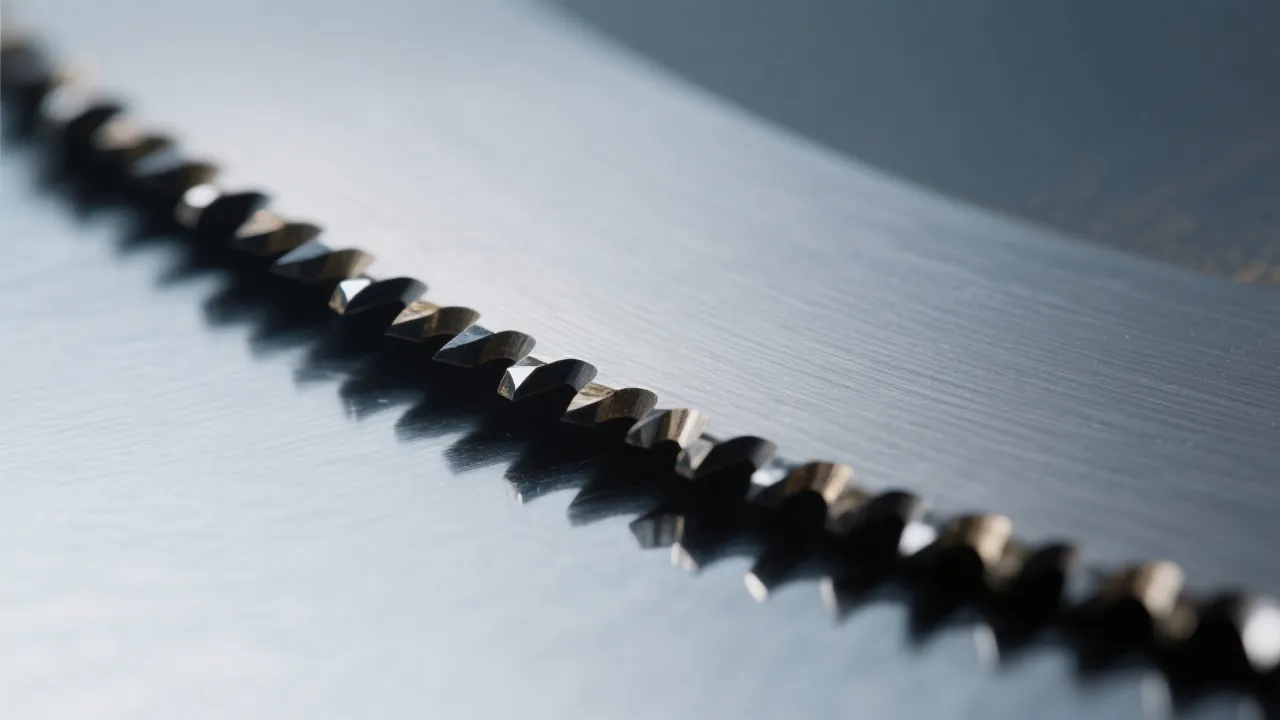
Diamond dulling happens when cutting points lose sharp micro-edges and become polished flats. This often looks like “the tool is still intact,” yet removal rate collapses. The physics is straightforward: dull diamond increases friction, friction increases heat, and heat accelerates bond degradation and workpiece thermal damage.
Glazing is frequently misdiagnosed as “hard material issue,” but it is usually a mismatch between diamond exposure, grit size, bond design, and real process parameters. In many plants, glazing shows up first as a steady increase in amp draw, then as burn marks or a change in surface texture.
A stone-processing line reported “random overheating” with a brazed diamond wheel. Data logs showed a ~15% power increase over two shifts with constant feed. Inspection found polished diamond facets and slight discoloration at the bond edge—consistent with glazing plus coolant under-delivery caused by a partially clogged nozzle. After restoring coolant flow and adjusting feed engagement, power returned to baseline and tool life stabilized.
Many industrial diamond tool failures are not dramatic fractures—they are quiet geometric losses. If the tool body or matrix wears too fast, the cutting profile collapses, contact conditions change, and the process becomes unstable. This is common in highly abrasive environments (silica-rich materials, contaminated coolant, or aggressive slurry).
Over-wear also increases vibration and runout sensitivity. Even when diamonds remain present, the tool can no longer hold tolerance, leading to rework or scrap. From a production perspective, “life” is not only time-to-failure; it is time-to-out-of-spec.
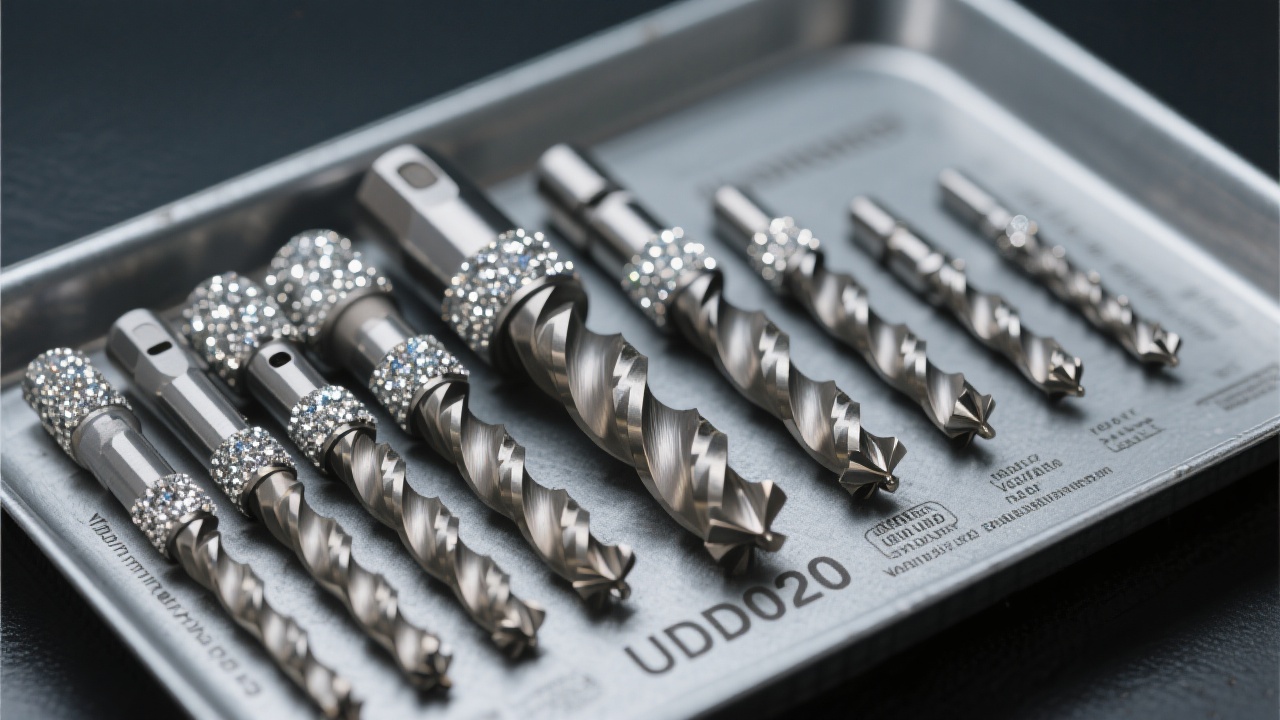
Cooling is not only about temperature—it governs chip evacuation, friction control, and bond integrity. When coolant delivery is insufficient, heat concentrates at the contact zone. That heat can accelerate brazed layer fatigue, increase diamond glazing, and cause thermal damage to the workpiece (micro-cracking, discoloration, phase changes depending on material).
A common misconception is that “coolant exists, so cooling is fine.” In practice, delivery matters: nozzle angle, distance, flow stability, and whether coolant actually reaches the cutting interface under centrifugal effects.
Installation error is one of the fastest ways to destroy a high-quality diamond tool. Typical issues include flange contamination, uneven clamping, incorrect torque, poor seating, or spindle runout. These factors introduce vibration and cyclic loading, which accelerates brazed layer cracking and can cause uneven diamond engagement (leading to localized overheating and premature dulling).
From a troubleshooting standpoint, installation problems are valuable because they are measurable. Runout measurement, flange flatness checks, and contact surface cleanliness can quickly separate “tool defect” from “mounting defect.”
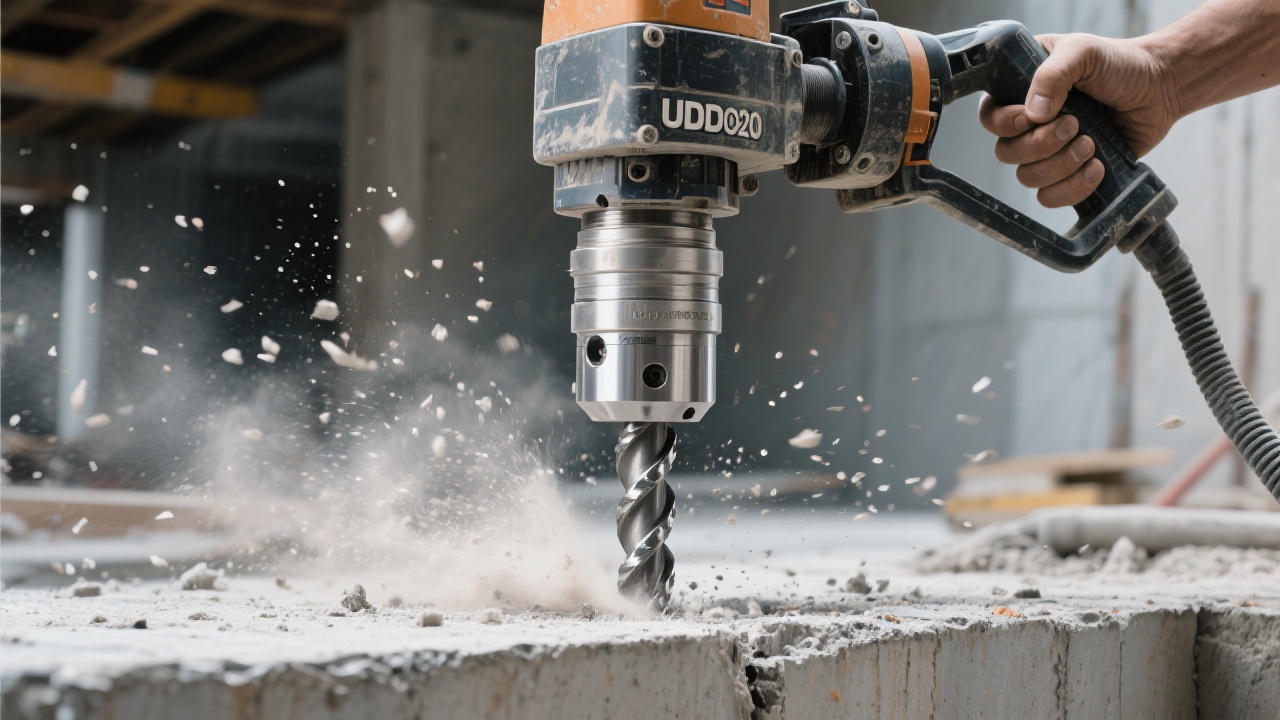
Monitor spindle power/force trends; check for burn marks, chatter, and surface anomalies; verify coolant jet is continuous.
Inspect nozzle clogging and alignment; review filtration performance; measure basic runout after tool changes.
Audit tool wear patterns vs. material lots; document failure photos; standardize “good vs. bad” benchmarks for glazing and bond integrity.
When teams investigate industrial diamond tool failure causes, they often find a shared theme: the process can be optimized, but the tool must also be consistent. UHD focuses on brazed diamond tool reliability by controlling key variables that drive real-world outcomes—bond integrity, diamond exposure consistency, and quality inspection discipline—so production teams can tune parameters with confidence instead of chasing unpredictable tool behavior.
For buyers comparing options, a useful approach is to ask for technical clarity: expected operating window, recommended coolant delivery method, and inspection criteria for glazing and bond condition. That kind of transparency reduces downtime and speeds up root-cause analysis when conditions change.
Share your material, machine type, RPM, coolant setup, and current failure photos. UHD’s technical team can help map symptoms to causes—brazed layer cracking, diamond dulling, excessive body wear, cooling deficits, or installation runout—and recommend corrective actions aligned with your process.
Explore UHD Brazed Diamond Tools & Technical Support.png?x-oss-process=image/resize,h_1000,m_lfit/format,webp)
.png?x-oss-process=image/resize,h_1000,m_lfit/format,webp)