Why Pros Choose High-Manganese Steel Blades with Vacuum-Brazed Diamond Segments

07 03,2026
UHD
Technical knowledge
Professional crews prioritize cutting systems that stay stable under impact, run clean, and keep productivity predictable. This article explains why the combination of a high‑manganese steel core and vacuum‑brazed diamond segments has become a preferred choice on demanding job sites. The high‑manganese steel body acts as a tough, work‑hardening backbone that resists shock loading and edge deformation, helping reduce chipping and blade wobble. Vacuum brazing creates a metallurgical bond between the diamond layer and the steel core, improving diamond retention and maintaining cutting consistency across long runs. Backed by practical jobsite comparisons, the article outlines performance differences in stainless-steel and stone cutting, including typical metrics such as wear rate trends, cut length per unit time, and fewer blade changes per shift. It also includes a pull‑quote style case note from a representative site, plus suggestions for simple comparison visuals (e.g., retention vs. wear charts, stability vs. cut-speed plots). Finally, it provides maintenance essentials and a realistic service‑life prediction logic so teams can close the loop from selection to daily use. Click to get the “Diamond Blade Installation & Tuning Checklist” PDF from UHD.
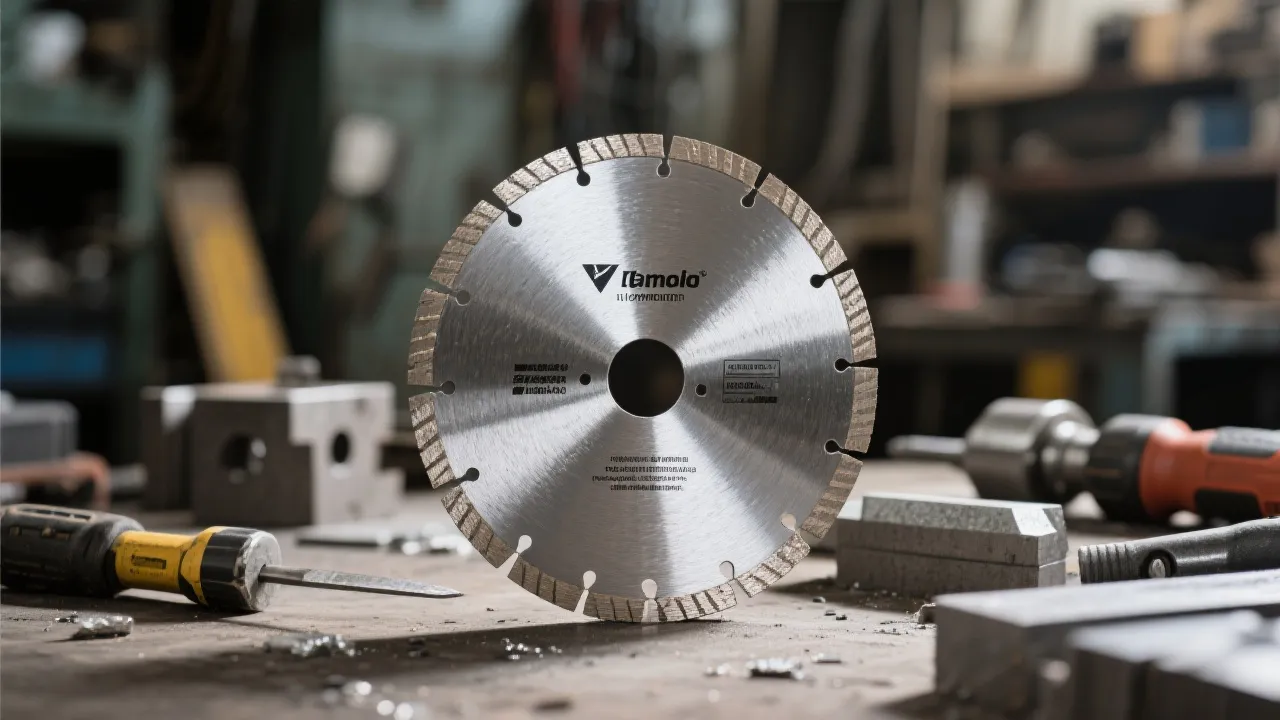
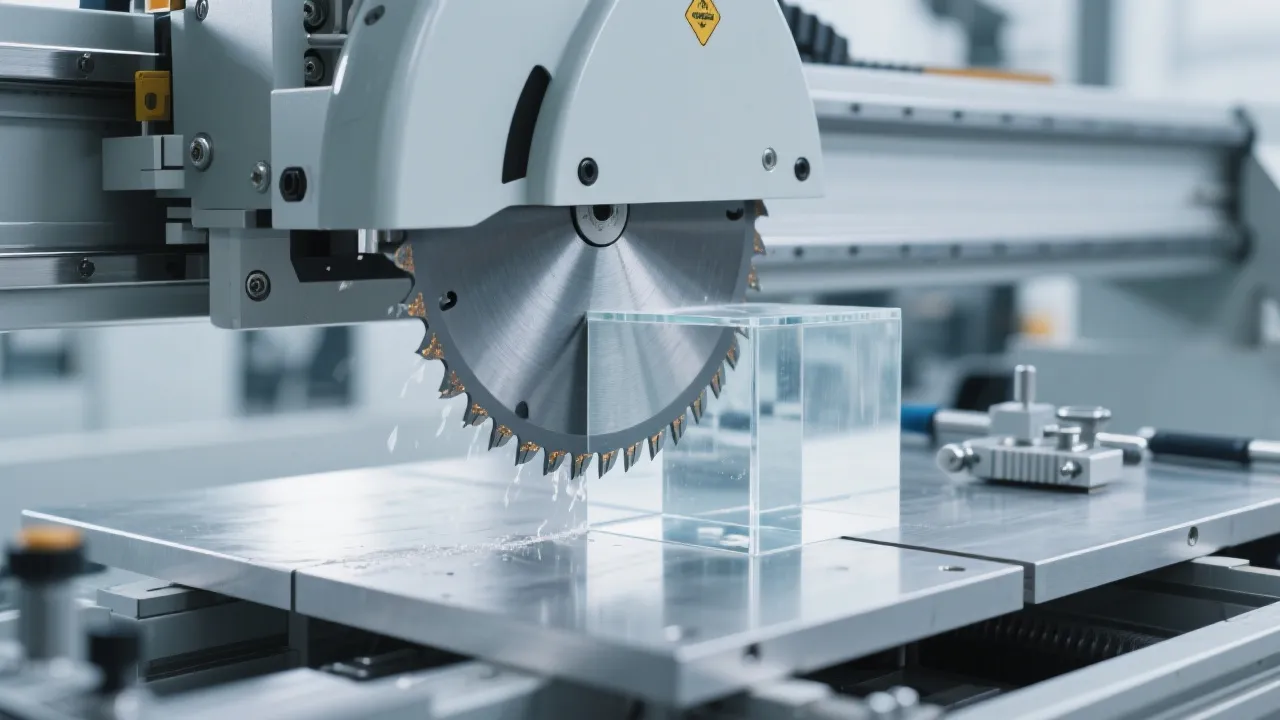
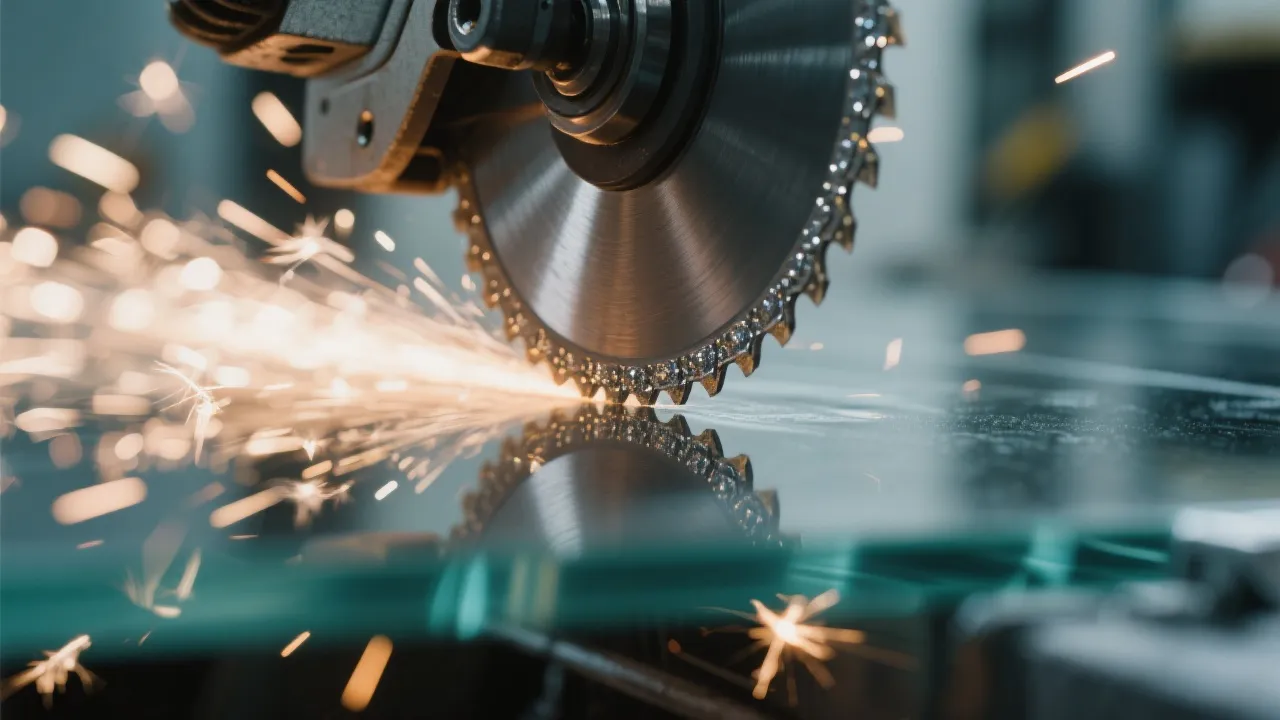
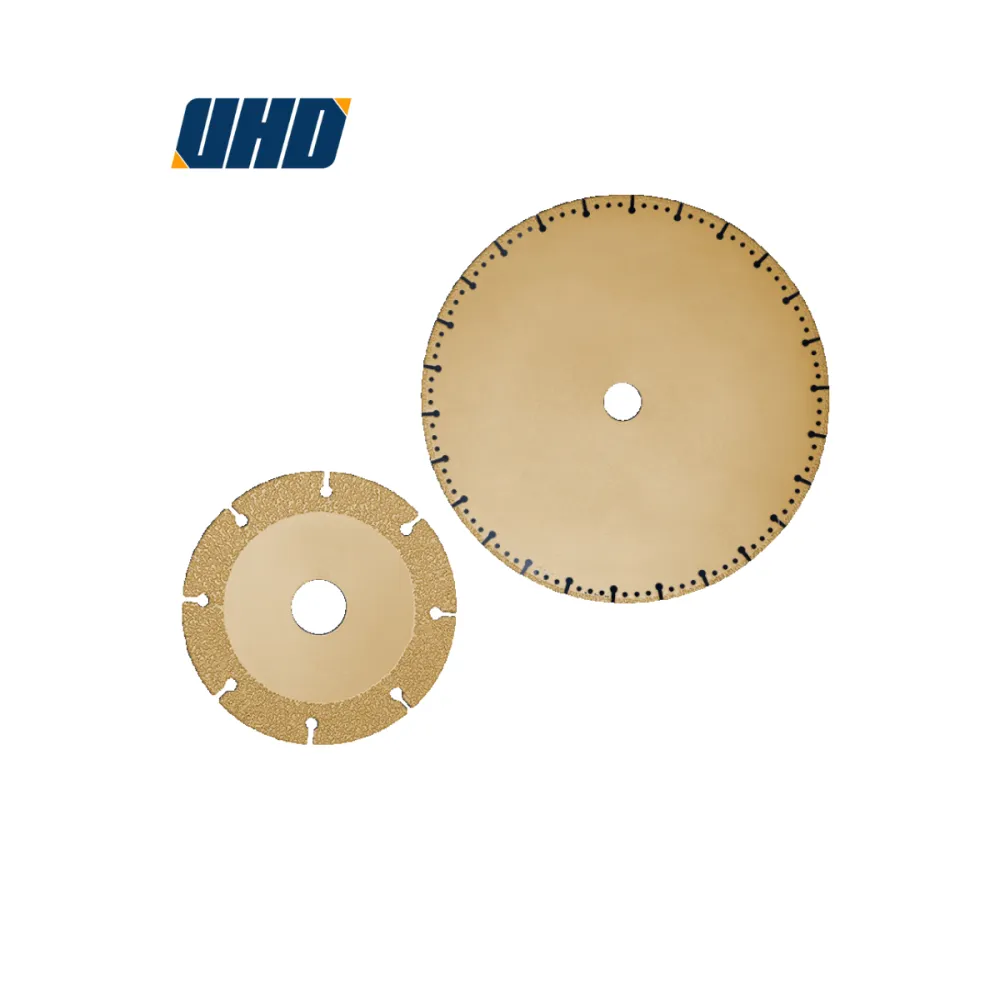
Vacuum brazed diamond blade used by a professional cutting crew on mixed materials

Why Professional Crews Choose High-Manganese Steel Cores + Vacuum Brazed Diamond Blades

On real jobsites, “cutting” is rarely just cutting. It’s vibration, misalignment, mixed materials, on-and-off pressure from operators, and tight timelines. Under those conditions, many blades fail in predictable ways: chipped edges, diamond loss, overheating, dust spikes, and frequent blade changes that quietly inflate project cost.

This is why more professional teams standardize on a specific combination: high-manganese steel core + vacuum brazed diamond layer. UHD has built its product logic around this same engineering direction—because the physics behind it matches how crews actually work.

The jobsite pain points that push teams to upgrade

Most complaints heard from site supervisors are not about “cut speed” alone. They’re about control and consistency:

  • Edge chipping / tooth micro-fracture when the tool meets weld seams, rebar hints, or hard inclusions.
  • High dust and unstable cutting when the blade chatters or glazes, forcing operators to push harder.
  • Frequent blade changes from premature wear, segment loss, or overheating deformation.
  • Quality risk: wandering kerf, burn marks on stainless, and rework.

Field reality: when a blade starts to chatter, the operator compensates with pressure. That raises heat, increases burrs (especially on stainless), and accelerates wear—creating a loop that looks like “slow cutting” but is actually a stability problem.

Vacuum brazed diamond blade used by a professional cutting crew on mixed materials

Why a high-manganese steel core behaves differently under shock and heat

High-manganese steel is not chosen because it sounds “premium.” It’s chosen because it solves the exact abuse pattern of cutting tools: intermittent shock, side load, and thermal cycling. In practical terms, it acts like a tough skeleton that resists cracking and keeps the cutting edge tracking straight.

The anti-impact mechanism crews feel (even if they can’t name it)

A well-treated high-manganese steel core can exhibit work-hardening on the surface under repeated contact stress. That means the surface becomes more wear-resistant while the interior remains tough. This matters when the blade repeatedly meets “hard points” like weld beads, corners, or embedded grit.

Reference numbers used by tool engineers (typical ranges):

  • Impact toughness improvement vs. common medium-carbon steel cores: ~25–45% under comparable thickness and heat treatment.
  • Core deformation risk (warping events) in long continuous cuts: often reduced by ~15–30% when heat is managed and the blade remains stable.
  • Practical outcome: straighter kerf, fewer “grab” moments, and less operator compensation.

For procurement teams, this translates into a measurable metric: fewer stoppages. Many contractors track “tool interruptions per shift.” A core that stays stable can cut interruptions meaningfully—sometimes more than a faster but fragile blade ever could.
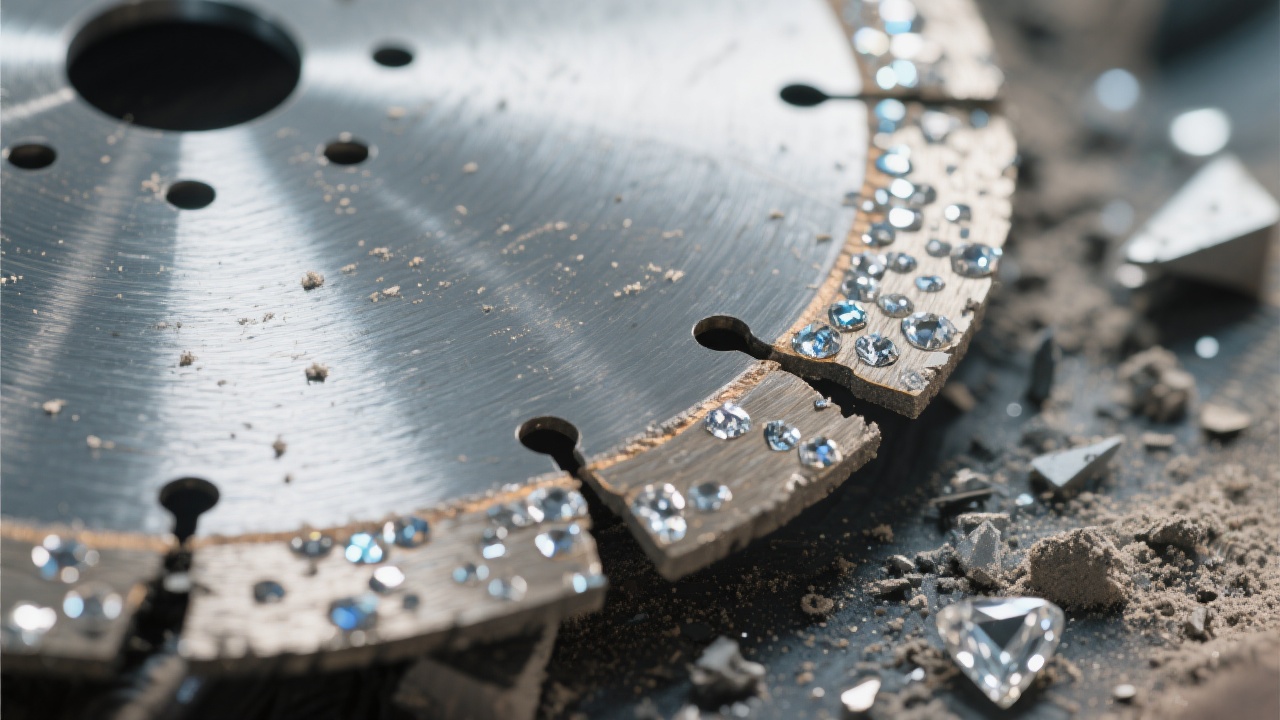
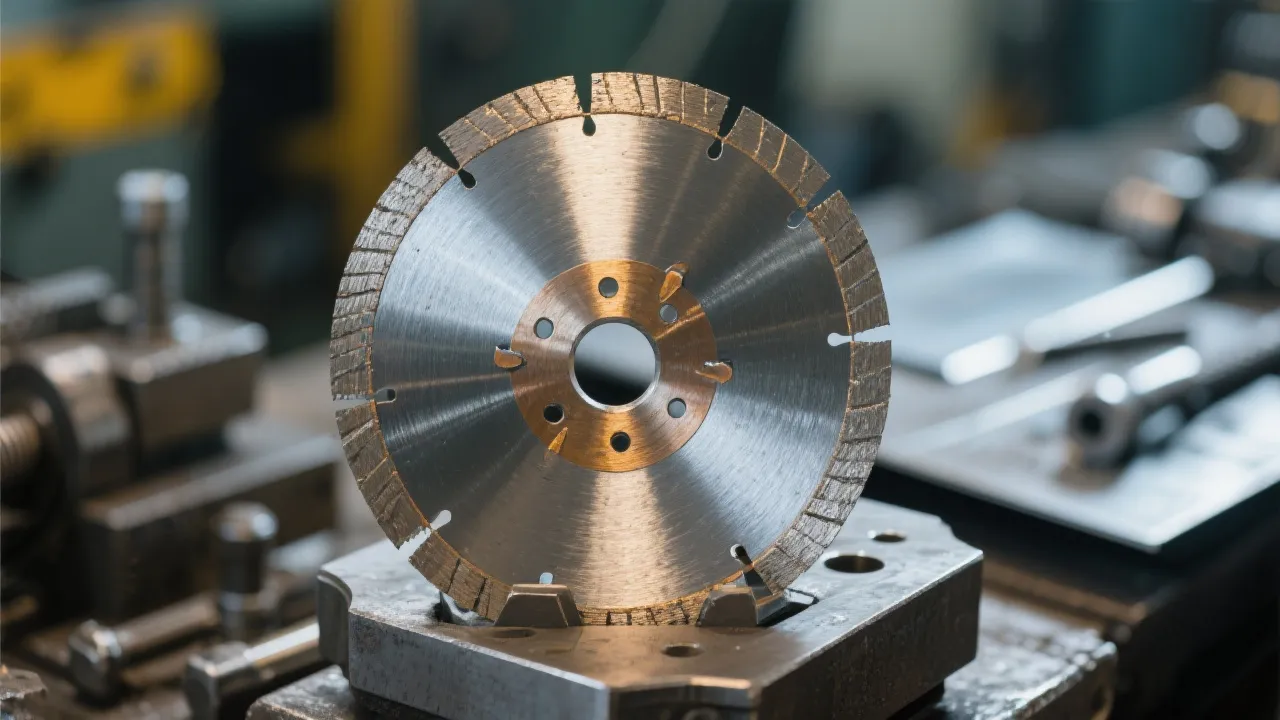
Close-up of high-manganese steel blade core designed for impact resistance and stability

Vacuum brazing: why diamond retention becomes a “metallurgical connection,” not a gamble

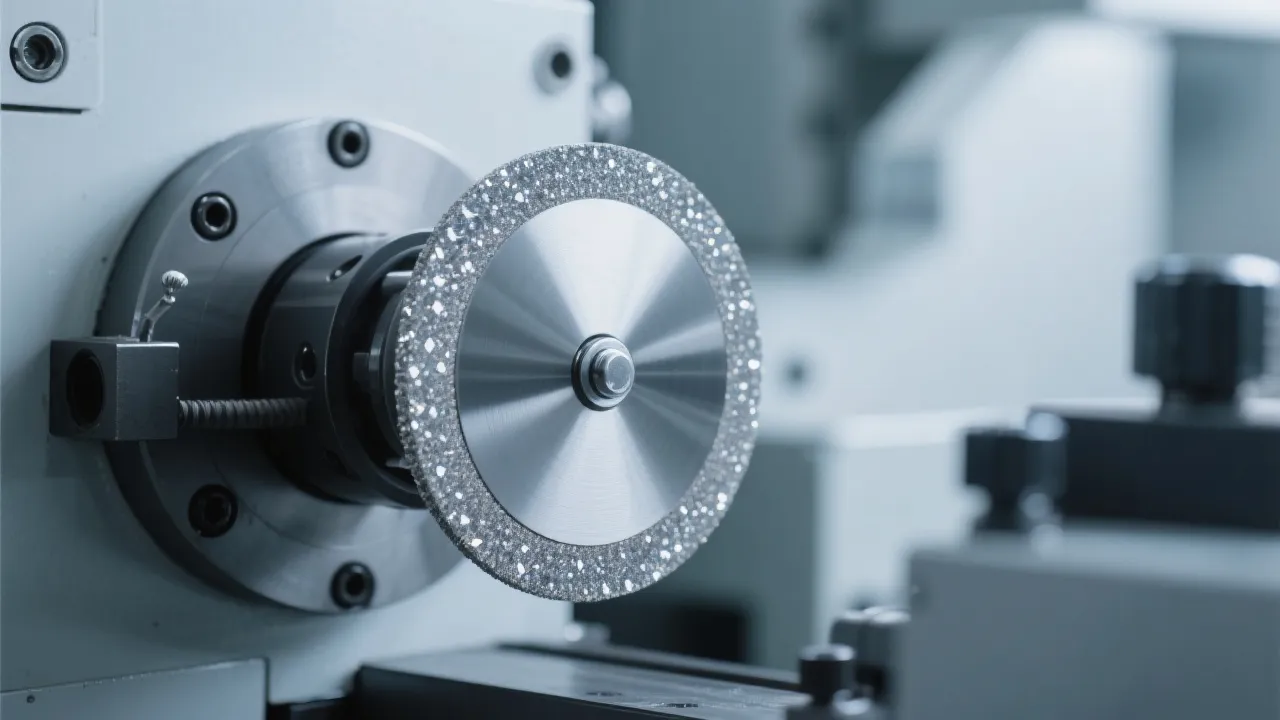
Many blades lose performance not because the diamond is “worn out,” but because the diamond is lost. Vacuum brazing addresses that with a process advantage: it creates a strong bond between diamond and core through a brazing alloy under controlled vacuum conditions—minimizing oxidation and improving wetting and adhesion.

What this means on-site

In daily work, vacuum brazing tends to deliver a more stable cutting feel across varying feed pressure. With better diamond exposure and retention, the blade can maintain cutting efficiency without the sudden “dead zone” that happens when diamonds pull out early.

Data snapshot (typical jobsite results, comparable tool size & operator)

Scenario Standard blade (non-brazed / lower retention) High-Mn core + vacuum brazed diamond
Stainless (304/316) cutting stability Kerf wandering events: ~3–6 per 50 cuts Kerf wandering events: ~1–2 per 50 cuts
Average cutting length per blade (mixed stone) ~90–140 meters before performance drop ~140–210 meters before performance drop
Wear rate (edge height loss) ~0.22–0.30 mm per 10 meters ~0.14–0.21 mm per 10 meters
Dust control (operator observation) Frequent spikes when glazing occurs More consistent chip formation; fewer spikes

Note: numbers vary with RPM, feed pressure, cooling, and material grade. The purpose here is to show the direction of change crews typically see when diamond retention and core stability improve together.

Info-graphic suggestion for your website: a side-by-side bar chart comparing meters cut per blade, wandering events per 50 cuts, and edge wear (mm/10m) for “standard” vs. “high-Mn + vacuum brazed.” This is the fastest way to communicate value in one screen.
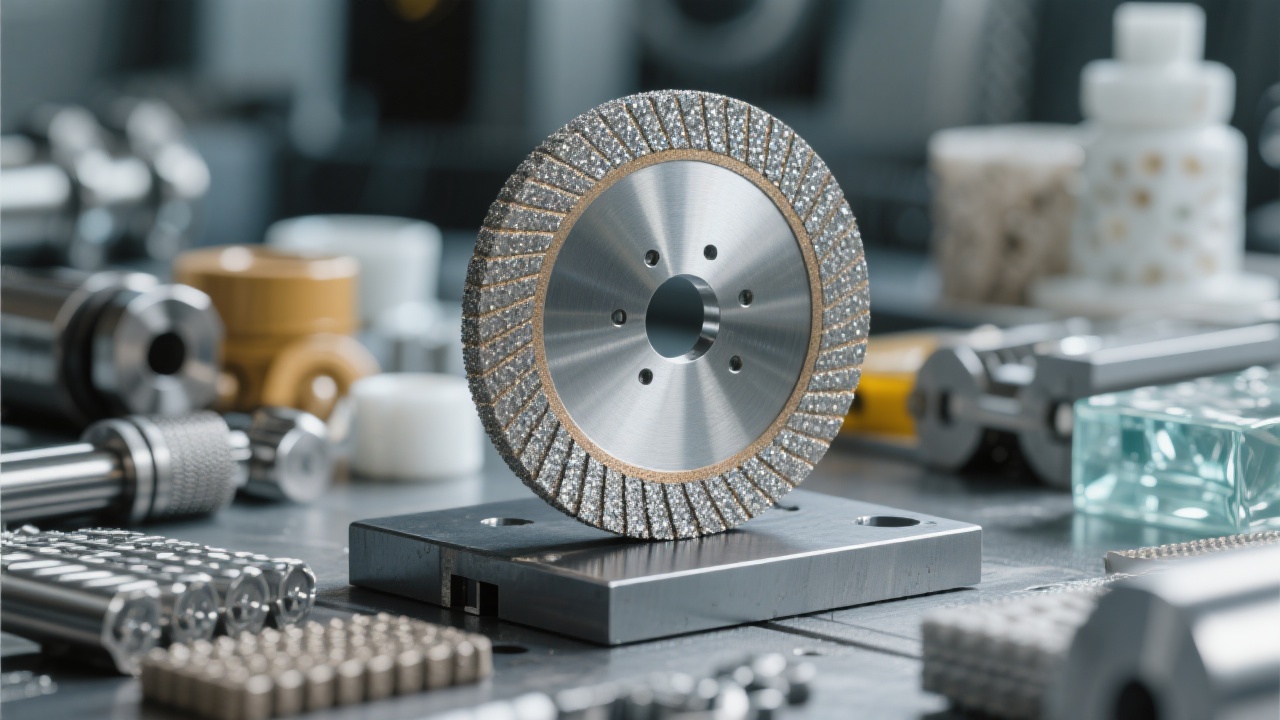
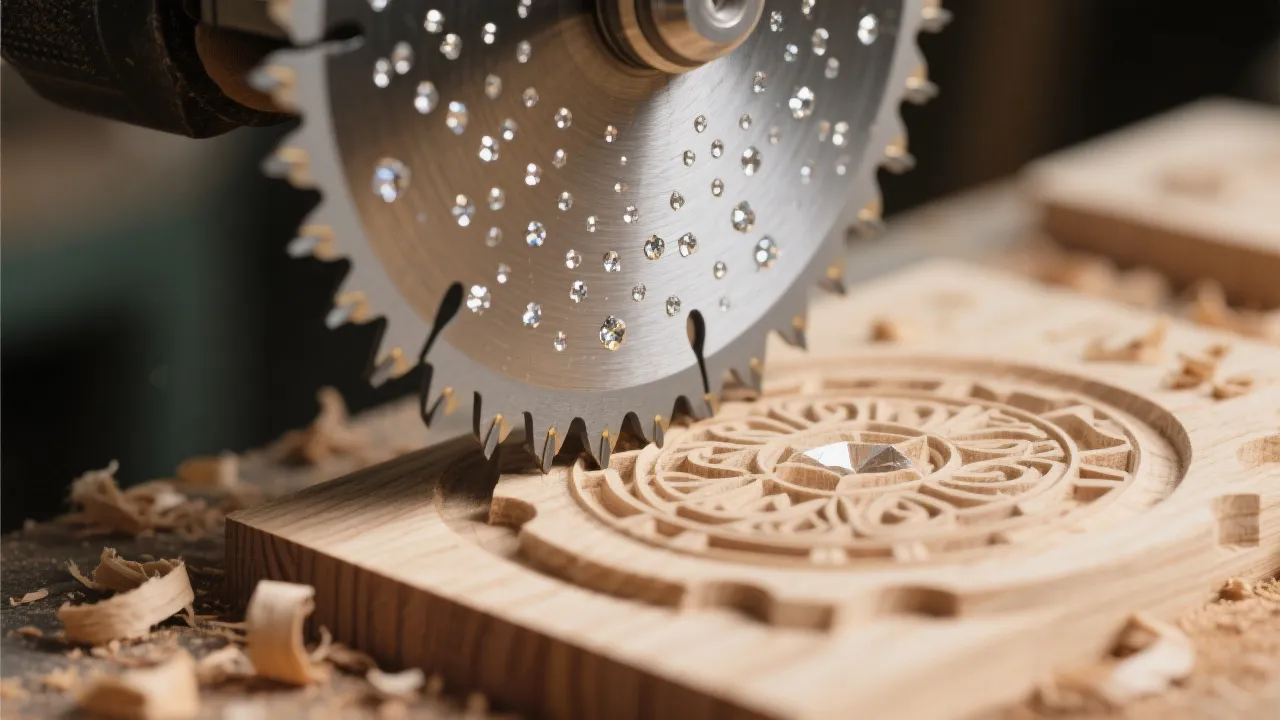
Jobsite cutting test comparing stainless steel and stone using vacuum brazed diamond blade

Stainless vs. stone: performance differences and the tuning crews actually use

In stainless steel: stability and heat management decide the finish

Stainless cutting punishes instability. Even small vibration can translate into burrs and discoloration. With a high-manganese core and a vacuum brazed diamond layer, the cutting action tends to stay more “anchored,” reducing the temptation to force-feed.

  • RPM discipline: keep speed steady; avoid “pulsing” the trigger, which increases thermal cycling.
  • Feed pressure: let the diamonds work; excessive pressure raises heat faster than it increases speed.
  • Cooling logic: if dry cutting, use shorter passes; if wet cutting is allowed, consistent coolant flow improves both finish and blade life.

In stone (granite / engineered stone): chip evacuation and glazing control decide efficiency

Stone cutting is dominated by abrasion. When the blade glazes, dust rises and progress slows. Vacuum brazed structures typically maintain sharper cutting points longer, which helps keep chip formation consistent and reduces “polishing” behavior.

  • Start-up entry: begin with a gentle entry to avoid edge shock on corners.
  • Keep the kerf clean: dust extraction or wet cutting reduces regrinding and heat.
  • Re-sharpen routine: if glazing is suspected, a short cut on abrasive material can restore bite faster than “pushing harder.”

Maintenance and lifespan prediction: a simple logic crews can standardize

Professional teams extend blade life not by luck, but by building a repeatable habit: they track cutting output per blade and intervene early when performance shifts. A practical method is to log meters cut, time-on-tool, and cut quality notes (burning, wandering, dust spikes).

A workable “life forecast” rule used by supervisors

If the blade’s average output drops by ~20% (meters per minute or meters per battery charge) while dust and heat signs increase, the blade is entering an inefficient phase. At that point, re-sharpen (if applicable), check flange alignment, and verify RPM. Replacing earlier can sometimes reduce total cost by avoiding slow cutting and rework.

  • Check mounting cleanliness: debris behind the flange is a common cause of wobble.
  • Avoid side grinding unless the blade is rated for it.
  • Store dry and separated to protect the diamond edge.

Want fewer blade failures on mixed-material sites?

Get UHD’s practical setup guide used by field teams to reduce wobble, overheating, and premature diamond loss—especially when switching between stainless and stone.

Click to get the “Diamond Blade Installation & Tuning Checklist (PDF)”

Includes: flange inspection points, RPM/feed guidance, glazing recovery steps, and a simple log template for meters-cut tracking.

For teams comparing blade options, the decision becomes clearer when framed as a system: core stability (high-manganese steel) + diamond retention (vacuum brazing) + repeatable tuning habits. When all three align, cutting becomes more predictable—and predictability is what keeps a project on schedule.
Name *
Email *
Message*

Recommended Products

Popular articles
Recommended Reading

Related Reading

Contact us
Contact us
https://shmuker.oss-accelerate.aliyuncs.com/tmp/temporary/60ec5bd7f8d5a86c84ef79f2/60ec5bdcf8d5a86c84ef7a9a/thumb-prev.png