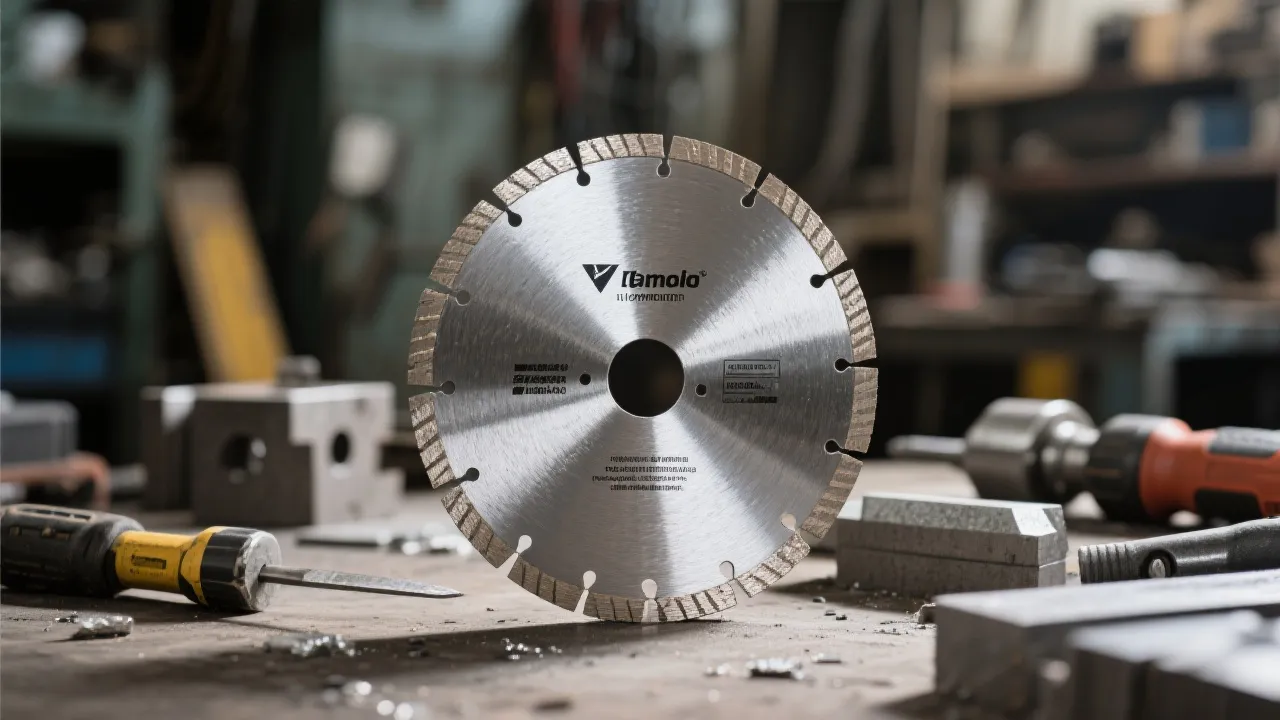
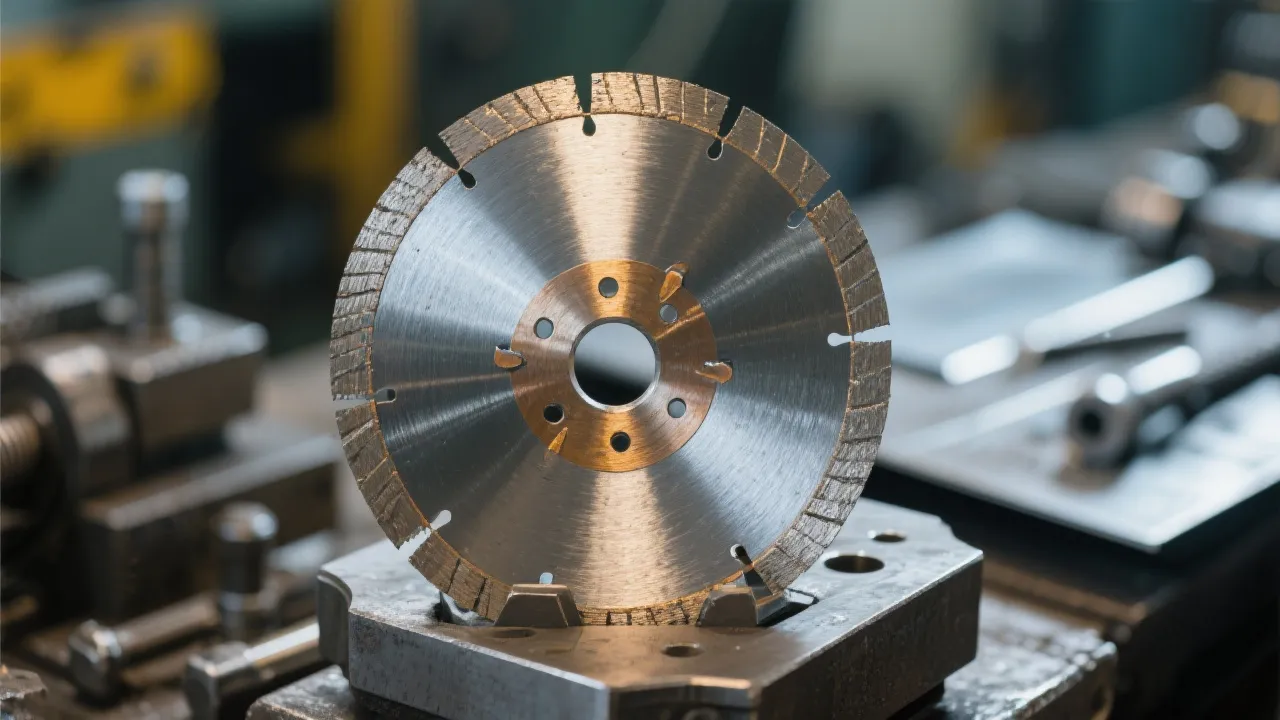
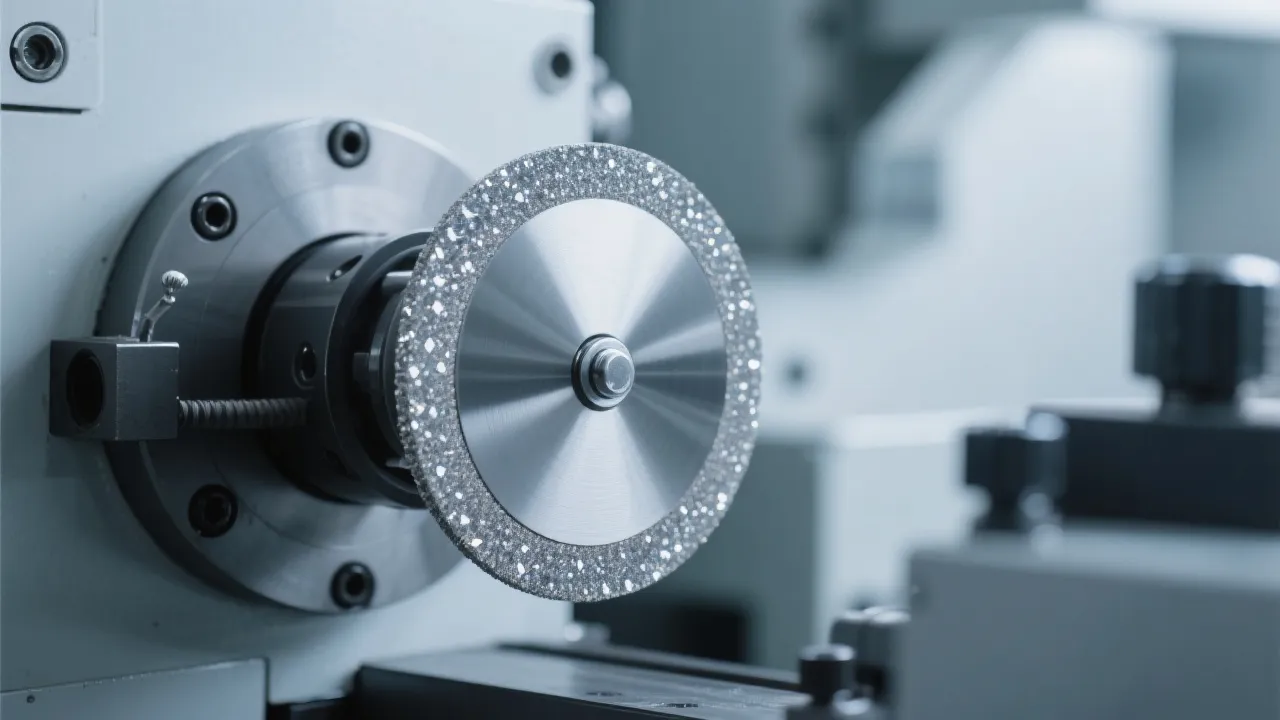
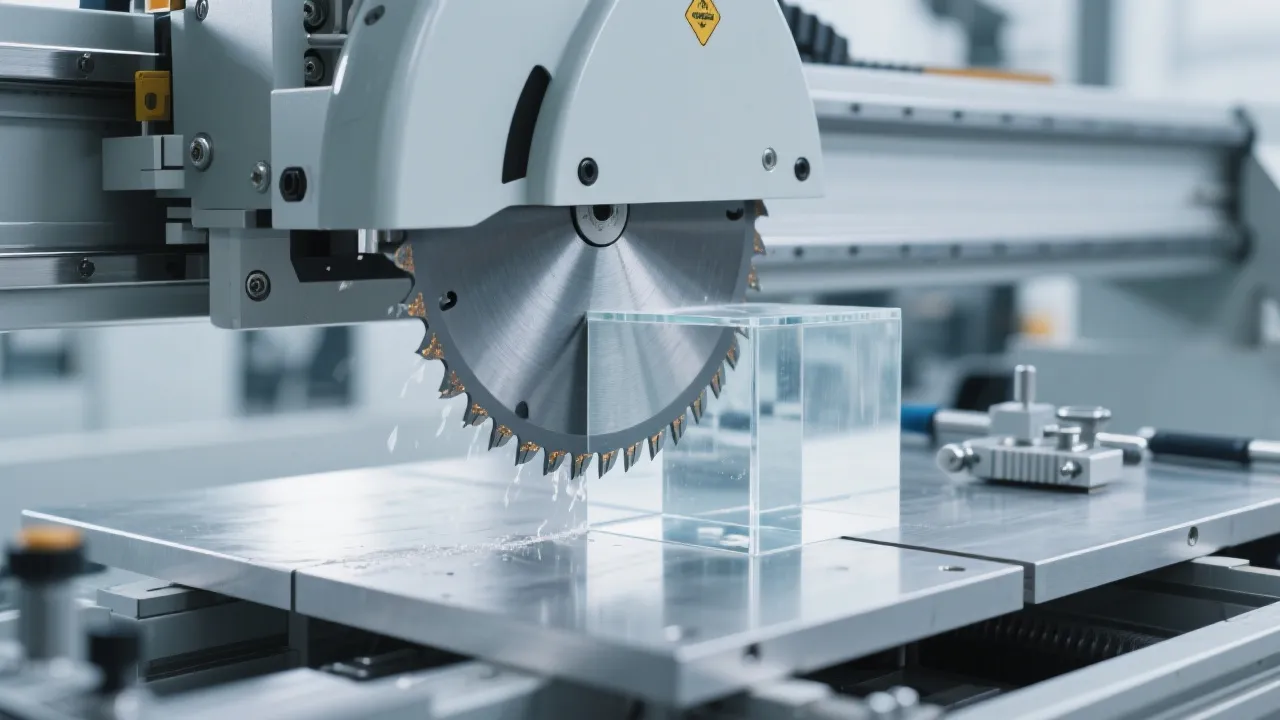
In stone fabrication, diamond saw blades often “fail” long before they are truly worn out. The result is familiar: unplanned blade changes, rough edges, slower feeds, and higher scrap. This guide breaks down the most common failure mechanisms—diamond pull-out, segment chipping, core cracks, and heat damage—and explains how vacuum brazing improves bond stability at the root cause. Practical shop-floor controls (RPM, coolant discipline, early warning checks) are included for technicians and production leads.
Industry pain point: Many plants focus on diamond grit size or concentration, yet the bonding quality between diamond and metal often determines whether a blade runs for 30 hours or stops at 10–15 hours due to premature chipping, pull-out, or overheating—especially on engineered stone and hard granite.
In real production, a diamond saw blade rarely breaks without warning. More commonly, performance degrades in steps: cutting becomes louder, the motor load rises, the kerf darkens, and the cut face shifts from clean to “wavy” or burnt. These symptoms typically trace back to one of four mechanisms below.
Pull-out happens when the bond between diamond and the metallic matrix cannot hold under cyclic impact and shear. In practical terms, a segment with high pull-out loses its “active” cutting points too quickly. Operators compensate by pushing harder, which increases heat, which then accelerates pull-out—an expensive loop.
Common contributors include: inconsistent brazing/welding temperature, contamination (oil/oxide) at bonding surfaces, and non-uniform diamond exposure. In harder stones, the cutting load is higher; in quartz-based engineered stone, heat buildup is faster—both magnify any weakness in bonding.
Chipping is frequently mistaken for “bad diamonds,” but the more typical driver is unstable mechanical or thermal conditions: vibration from spindle runout, intermittent coolant flow, or aggressive feed at the start/end of a cut. Micro-cracks initiate at sharp corners, inclusions, or overheated areas, then propagate under impact.
When a blade runs hot, thermal expansion is not uniform. The core may dish slightly, the cut begins to wander, and segment load becomes uneven—one side works harder, gets hotter, and fails sooner. In many shops, this is triggered by “just one” issue: blocked coolant nozzles, incorrect flange tightening, or blade-to-stone mismatch.
Heat changes everything: it softens some binders, increases oxidation, and can damage brazed joints. A simple field indicator is cut discoloration and an acrid smell; a stronger indicator is a sudden spike in amperage during steady feed. In stone cutting, keeping the blade “cool and clean” is not just maintenance—it is lifespan engineering.
Many failures trace back to the same hidden variable: joint stability. If the diamond-to-metal interface is inconsistent, performance will be inconsistent—no matter how good the grit specification looks on paper. Vacuum brazing reduces oxidation during joining, improves wetting, and delivers more consistent bond strength across segments.
Reference ranges from shop observations: in stable conditions, improving bonding consistency can reduce early-life failures by 20–40% and increase effective cutting time by 15–35%, depending on stone type, coolant discipline, and machine condition.

Even the best brazed blade will fail early if the process window is ignored. The following controls are simple enough for daily use and strong enough to prevent most “mystery” blade problems.
Field guideline (to be validated per machine and blade diameter): if motor current rises by more than 10–15% at the same feed on the same stone batch, treat it as an early warning—check coolant delivery and segment condition before pushing harder.
Coolant is not just “water on the blade.” It is a heat transfer system plus a chip evacuation system. Plants that standardize coolant discipline typically see more stable blade life than plants that only change blade suppliers.
1) Visual micro-crack scan: inspect segment corners and gullets at shift change; hairline cracks often appear before large chips.
2) Sound & vibration shift: a sharper “ring” or rhythmic pulsing often indicates runout, flange issues, or uneven segment wear.
3) Heat markers: bluing on the core, dark kerf residue, or resin smear suggests overheating—pause and correct coolant/RPM before continuing.
In one common scenario seen across stone workshops, a team upgrades diamond grade and adjusts concentration—yet still experiences early chipping and inconsistent cut quality on the same saw. After weeks of trial, the pattern emerges: the failures cluster at specific segments, not evenly around the blade. That clustering strongly suggests local joint inconsistency or localized overheating, not overall diamond specification.
Switching to a more consistent bonding approach—such as vacuum brazing—often reduces the “segment-to-segment lottery,” especially when paired with two operational fixes: stable coolant delivery and controlled ramp-in at the start of the cut (avoid shock loading the segment corners).
Have you seen blades that wear unevenly—where only a few segments chip early while others look fine? Share what material you were cutting (granite, marble, engineered stone) and what changed the outcome in your shop.
UHD focuses on consistency in industrial cutting performance—because in production, the best blade is the one that delivers predictable results shift after shift. When vacuum brazing is combined with disciplined on-site parameters (RPM/feed/coolant), many plants report fewer unexpected stoppages and more stable surface quality across batches.
Explore UHD’s vacuum-brazed diamond saw blade approach and process notes that help reduce early chipping, overheating, and diamond pull-out in demanding stone applications.
Learn more about UHD vacuum-brazed diamond saw blade solutionsTip: bring your blade diameter, stone type, and current RPM/feed range to get a faster, more practical recommendation.
.png?x-oss-process=image/resize,h_1000,m_lfit/format,webp)


.png?x-oss-process=image/resize,h_1000,m_lfit/format,webp)