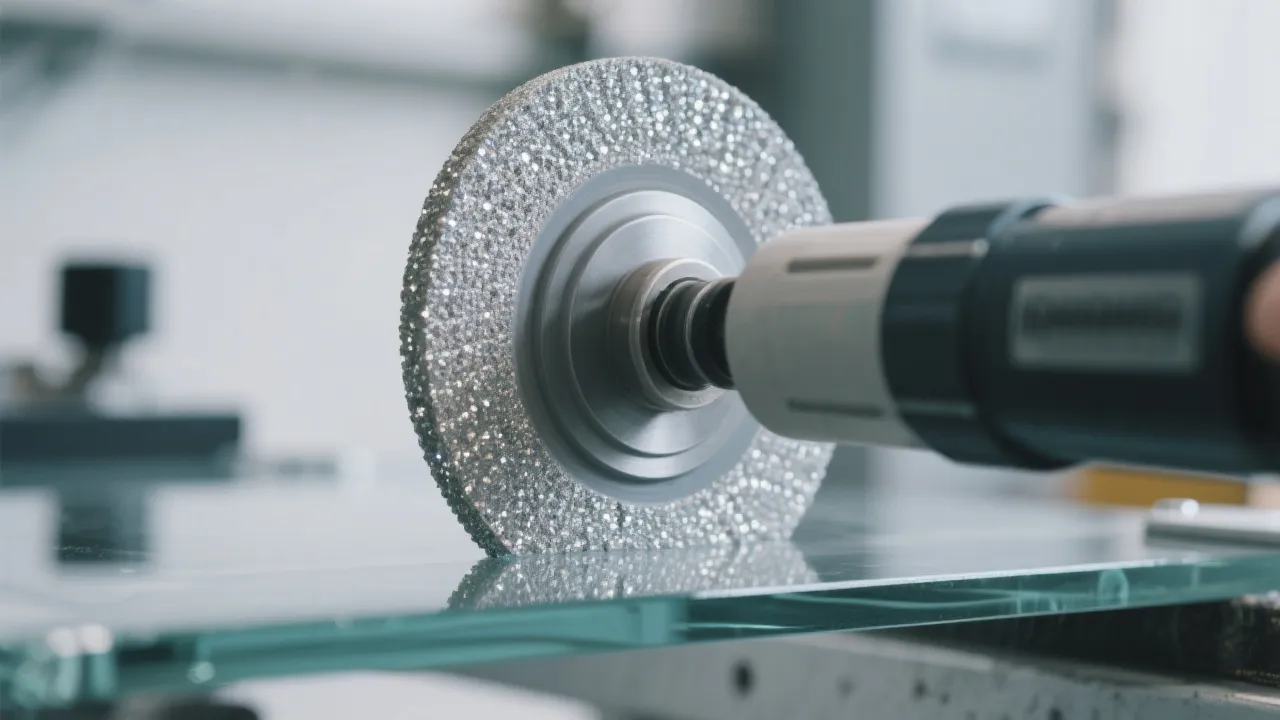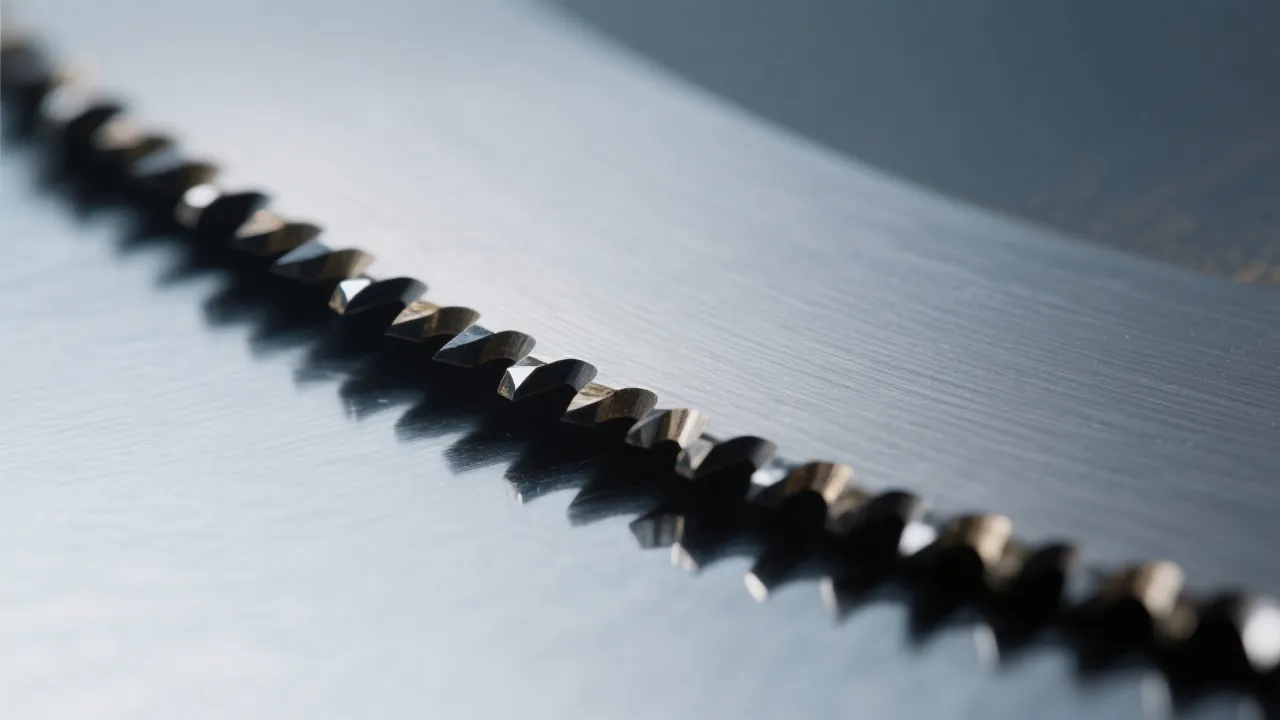
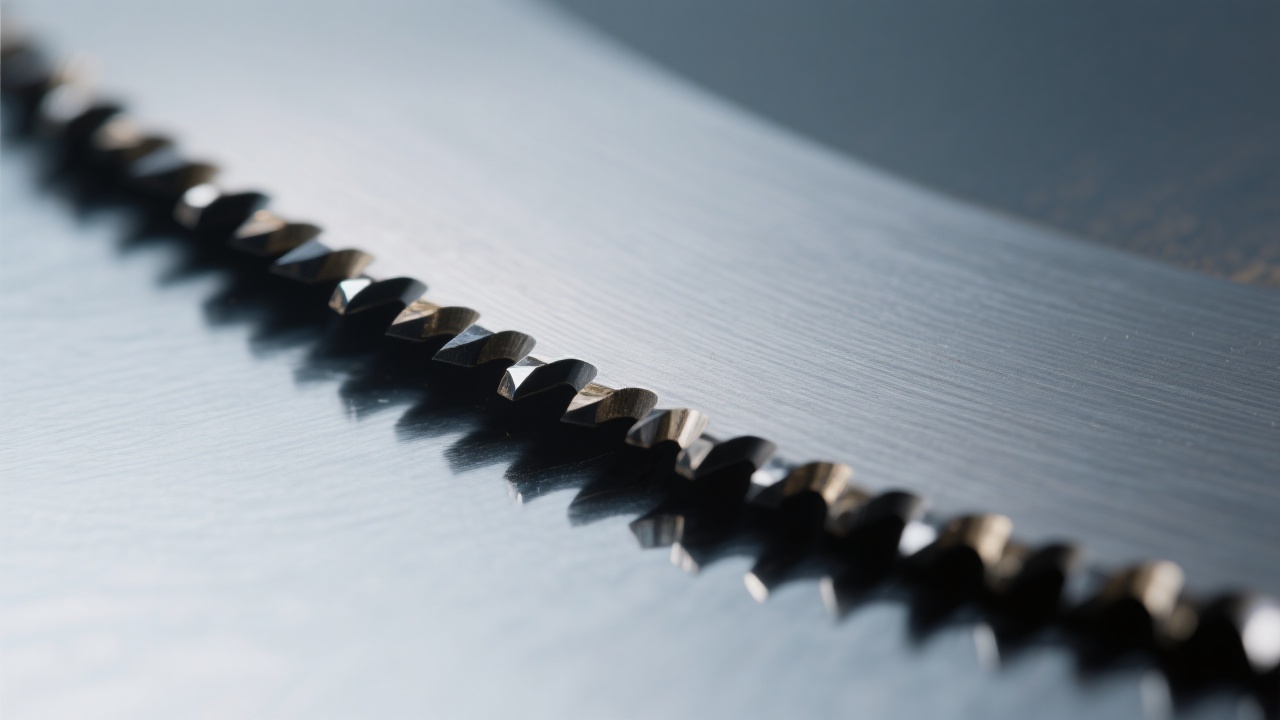
In workshops and job sites where cutting speed and consistency directly impact cost per meter, diamond saw blade maintenance is not “nice to have”—it is a controllable factor that decides whether blades wear normally or fail early. Multiple field reports across stone/ceramic fabrication lines show a repeatable pattern: when operators follow a simple routine around installation, cleaning, cooling, and load management, service life can improve by about 30–40% compared with “run-it-until-it-stops” habits.
Quick context (why this matters): Most premature blade issues are not caused by diamond quality alone. They are triggered by heat, side-load, glazing, and dirty flanges—all of which are maintenance- and process-related variables that can be improved without changing your equipment.
Industry benchmarking from fabrication shops (ceramic tiles, engineered stone, and concrete products) commonly reports that structured maintenance reduces the two biggest “hidden drains”: heat-related segment damage and vibration-induced micro-cracks. A practical reference comparison often looks like this:
| Item | Typical “No Routine” | With Daily Maintenance | Impact |
|---|---|---|---|
| Unplanned blade changeouts | 2–4 / month | 1–2 / month | ~30–50% fewer |
| Heat marks / segment discoloration | Frequent | Occasional | Lower thermal stress |
| Cut quality drift (chipping, waviness) | After 60–70% of life | After 75–85% of life | Longer stability window |
| Overall blade life | Baseline | +30–40% | Lower cost per cut |
Data note: ranges vary with material hardness, machine condition, operator technique, and coolant quality. The improvement trend is consistent because maintenance targets the core failure mechanisms: overheating, vibration, and glazing.
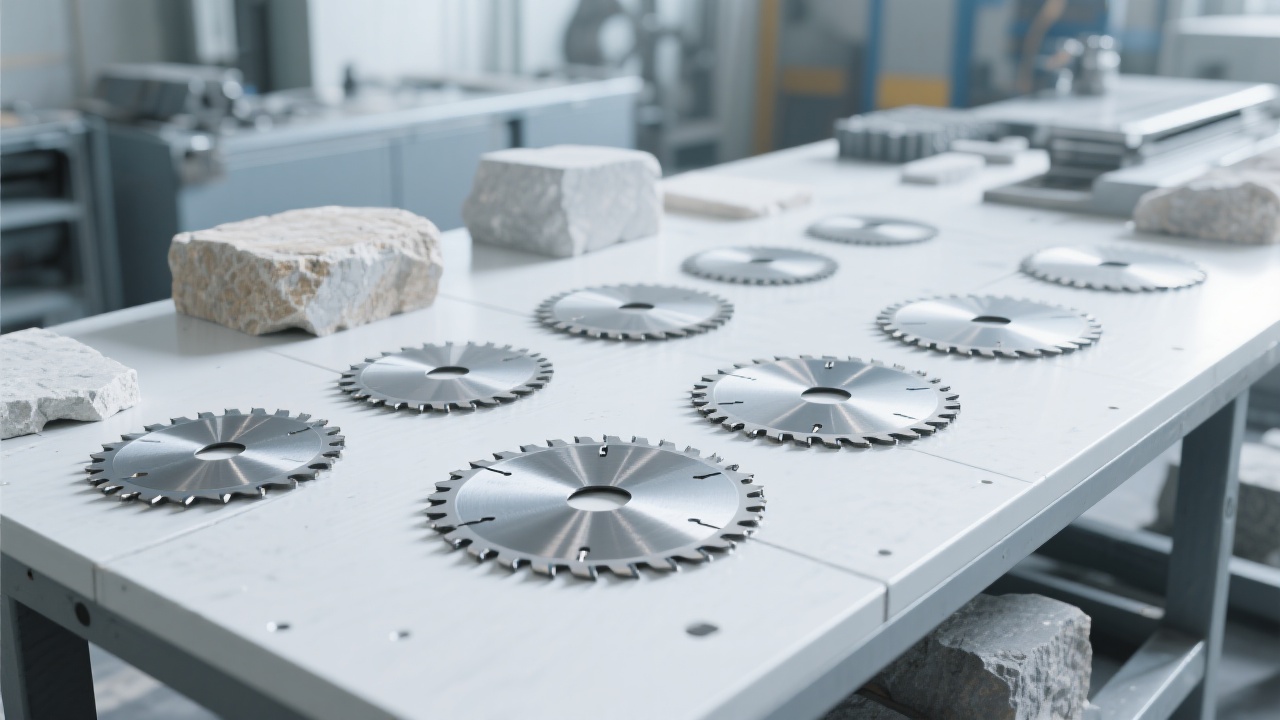
Installation errors create “invisible” damage: flange misalignment increases runout; dirty mating surfaces cause uneven clamping; and incorrect rotation direction increases heat and accelerates diamond pull-out. In practice, side-load + heat is the fastest route to segment cracking and core warping—especially on high-speed cutting lines.
Mechanism: A stable mounting reduces radial runout and micro-vibration. Less vibration means less frictional heating, fewer micro-cracks at the segment bond line, and more predictable diamond exposure over time.
Cutting residue is not “just dirt.” In stone, ceramic, and concrete cutting, residue often contains hard mineral particles. When it builds up around flanges, guards, and coolant paths, it becomes an abrasive paste that increases friction and raises operating temperature. If the blade is used for high-precision brazed applications (common in ceramic cutting), residue can also disrupt heat transfer and increase edge chipping risk.
Operator insight often repeated on production floors: “If the coolant line looks fine, it still may be partially blocked.” Partial blockage is enough to move you from stable cutting to intermittent overheating—hard to notice until segment damage shows.
Overheating is one of the most common causes of premature failure. Excess heat can soften the bonding matrix, increase diamond pull-out, warp the core, and in severe cases cause segment loss. The goal is not “more water,” but stable, targeted cooling that actually reaches the cutting zone.
Why cooling extends life: Lower operating temperature reduces thermal fatigue and keeps the bond stable, allowing diamonds to wear in a controlled way. This is the foundation behind the commonly reported ~40% service life improvement when maintenance is consistent.
Excessive load is often mistaken for “high efficiency.” In reality, aggressive feed or improper cutting depth increases friction, causes glazing (diamonds stop self-sharpening), and forces operators to push harder—creating a loop of heat and wear. If cut speed suddenly drops, the root cause is frequently glazing rather than “a bad blade.”
For ceramic cutting tools and brittle materials, stable feed is also a quality driver: it reduces micro-chipping and keeps edges cleaner, lowering rework and customer complaints.
Step 1
Check rotation direction & blade condition (chips, cracks, discoloration).
Step 2
Clean flange faces; remove slurry/grit that can cause runout.
Step 3
Mount and tighten evenly; do a short no-load spin.
Step 4
Verify coolant flow, nozzle aim, and filter condition.
Step 5
Perform a short break-in cut; monitor sound & vibration.
Step 6
Maintain stable feed; avoid forcing the cut under glazing.
Step 7
End-of-shift rinse & quick inspection; log any anomalies.
| Check Item | What “Good” Looks Like | Action if Not OK |
|---|---|---|
| Blade runout / wobble | Stable spin, no visible oscillation | Clean flanges, check flange wear, re-mount |
| Segment color | No blue/burnt marks | Improve cooling, reduce feed, inspect coolant path |
| Cut quality | Consistent kerf, minimal chipping | Dress blade if glazed, stabilize feed, check guides |
| Coolant flow | Continuous flow at contact zone | Unclog nozzle, clean filter, replace dirty coolant |
| Abnormal noise / vibration | Smooth sound profile | Stop, inspect mounting, flange, bearings, and material fixation |
When operators say “the blade got dull,” the real issue is usually specific and fixable. These two questions help pinpoint the cause in minutes:
If the answer is “yes” to either, the correct fix is often maintenance and parameter adjustment—not immediate blade replacement.
Maintenance routines deliver the best results when the blade specification matches the material and machine conditions. UHD supports buyers by aligning blade type (bond, segment design, and intended material) with real cutting parameters, and by providing practical guidance that operators actually follow. In many B2B environments, the difference between “we tried maintenance” and “we gained 40% blade life” is not motivation—it’s clear SOPs, fast troubleshooting, and consistent product performance.
If you share your material type, machine RPM, cutting method (wet/dry), and current failure symptoms, UHD can recommend a matching blade option and an operator-friendly checklist aimed at extending service life up to 40% under proper conditions.
Get UHD Diamond Saw Blade Support & Specification RecommendationTypical reply time depends on workload; for best accuracy, include photos of the cut edge and blade segment condition.
.png?x-oss-process=image/resize,h_1000,m_lfit/format,webp)
.png?x-oss-process=image/resize,h_1000,m_lfit/format,webp)