Correct Installation of Diamond Saw Blades: Key Steps to Prevent Runout and Thermal Cracks
30 01,2026
Application Tutorial
Improper installation of diamond saw blades often leads to runout, thermal cracks, and reduced blade lifespan. This article provides a detailed guide on the correct installation process, covering fixture alignment, tightening torque, and balance checks. By following these precise steps, you can avoid common mistakes, enhance cutting stability, and improve safety. Supported by real-world cases and scientific principles, this tutorial helps you extend blade life, reduce operational costs, and ensure every cut is efficient and reliable.
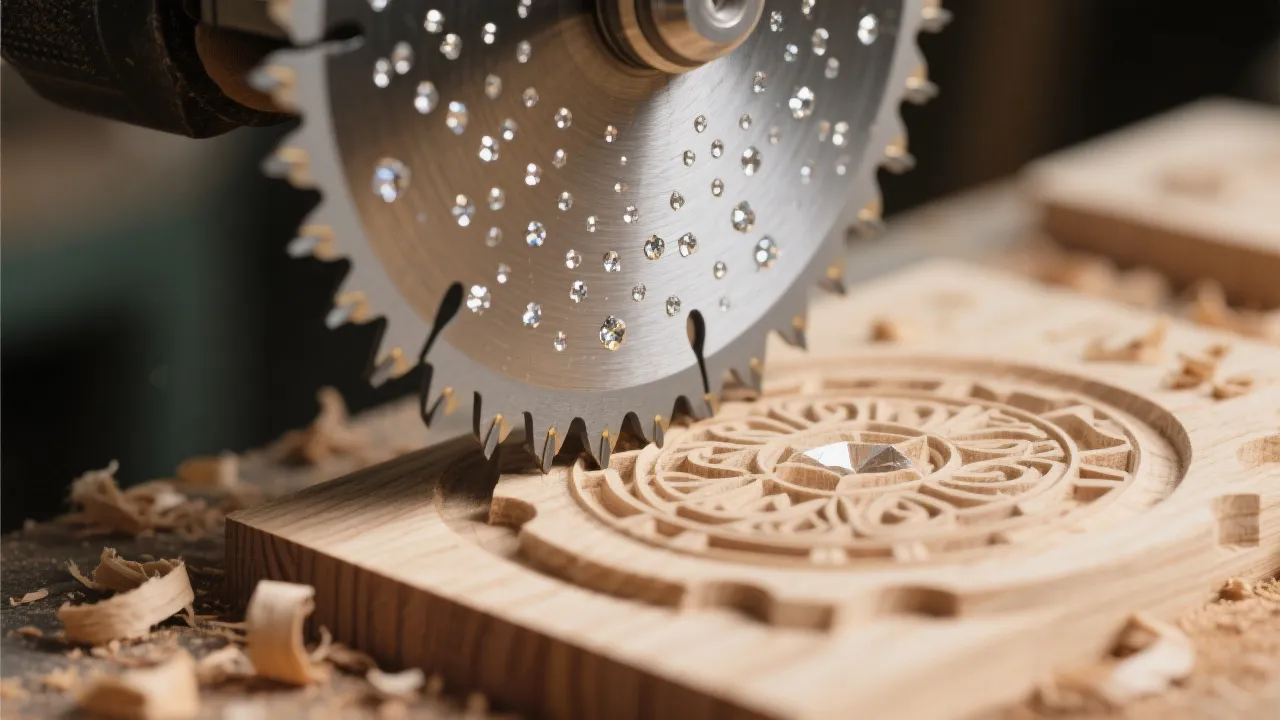
How to Properly Install Diamond Saw Blades: Essential Steps to Avoid Runout and Thermal Cracks
When it comes to maximizing the performance and lifespan of your diamond saw blades, installation precision is key. An improperly installed blade often causes serious issues like runout (blade wobble), thermal cracks, and premature wear — all of which inflate your operating costs and compromise safety. In this guide, you will discover step-by-step methods that ensure your blades run true and last longer, unlocking the full cutting potential you invested in.
Step 1: Pre-Installation Preparation – Setting the Foundation
Before mounting the blade, take a few moments to prepare the equipment and workspace carefully:
- Inspect the saw arbor and flange surfaces for dirt, rust, or debris – these interfere with flat mounting.
- Confirm the blade's arbor hole matches your machine's shaft diameter precisely; any mismatch leads to runout.
- Check the blade for visible cracks, warping, or damage – installing compromised blades will cause almost immediate failure.
Pro Tip: Use a high-precision dial indicator to measure the arbor shaft's concentricity. Aim for less than 0.05 mm runout before installation.
Step 2: Correct Clamping Technique – Achieve Perfect Alignment
The most common cause of blade runout and uneven wear is improper clamping. Here’s how to secure your diamond blade for optimal performance:
- Flange Matching: Use matching flanges with a flat and smooth surface to distribute the clamping force evenly across the blade’s mounting face.
- Correct Orientation: Align the blade’s directional arrow with the machine’s rotation perfectly. Reversed installation can damage segments and compromise cutting quality.
- Torque Control: Tighten the flange nuts to the manufacturer’s recommended torque specification – typically between 25 to 45 Nm depending on the blade size.
“Master these 3 steps — clean arbor, flange alignment, and optimal torque — and you’ll say goodbye to frequent blade replacements and unexpected downtime.”
Suggestion for Visual Aid: Infographic showing correct vs incorrect clamping and torque application to highlight common pitfalls and proper technique.
Step 3: Dynamic Balancing and Runout Verification
Even if prepped and clamped properly, small imbalances or mounting errors may cause vibrations that accelerate blade damage. Follow these verification steps before every cutting session:
- Use a dial indicator to measure any lateral runout after installation; values should be under 0.1 mm for high-precision cutting.
- If available, perform dynamic balancing on the blade-mounted shaft to remove residual vibration.
- Monitor blade temperature during initial cuts; signs of overheating often indicate improper installation or feed rate.
Customer Feedback: “After standardizing installation with these steps, our factory saw a 40% improvement in diamond blade life and significantly fewer operational faults.” – GraniteWorks Inc.
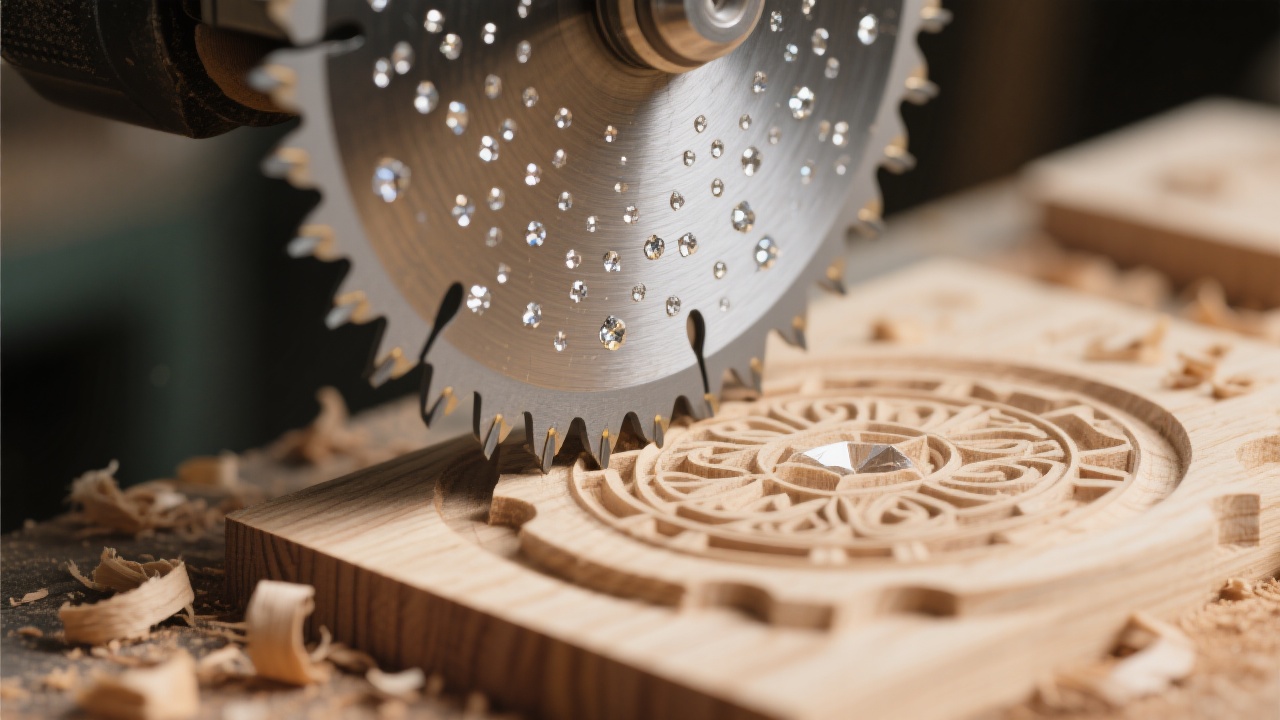
Common Installation Errors to Avoid
Identifying these habitual mistakes can help you troubleshoot blade issues proactively:
- Over-tightening: Excessive torque causes flange warping and blade distortion.
- Uneven flange surfaces: Dirt or rust creating gaps and causing blade runout.
- Incorrect blade orientation: Results in rapid edge wear and segment cracks.
- Using a worn or mismatched flange: Leads to unstable mounting and vibration.
Tip: Keep your flange surfaces clean and inspect regularly. Replace any suspect hardware immediately to maintain cutting precision.
Routine Maintenance & Thermal Crack Prevention
Proper installation is only part of blade longevity. You also need to integrate sound maintenance practices:
- Keep coolant flow steady and ample to dissipate heat and prevent thermal cracks.
- Perform periodic runout and flange surface checks after every 50 working hours.
- Store blades in dry conditions away from mechanical shocks or bending forces.
By following these practices consistently, you ensure that every blade operates close to its design parameters, letting each saw blade deliver maximum value throughout its service life.
Quick Self-Check List Before Cutting
- ✔ Arbor and flanges clean and rust-free
- ✔ Blade seat perfectly flat with no debris
- ✔ Correct blade orientation and rotation direction
- ✔ Flanges matched and tightened to recommended torque
- ✔ Dial indicator runout below 0.1 mm
- ✔ Coolant system functioning properly
掌握这3步,轻松告别频繁更换,让每一片锯片都发挥最大价值!



.png?x-oss-process=image/resize,h_1000,m_lfit/format,webp)
.png?x-oss-process=image/resize,h_1000,m_lfit/format,webp)


