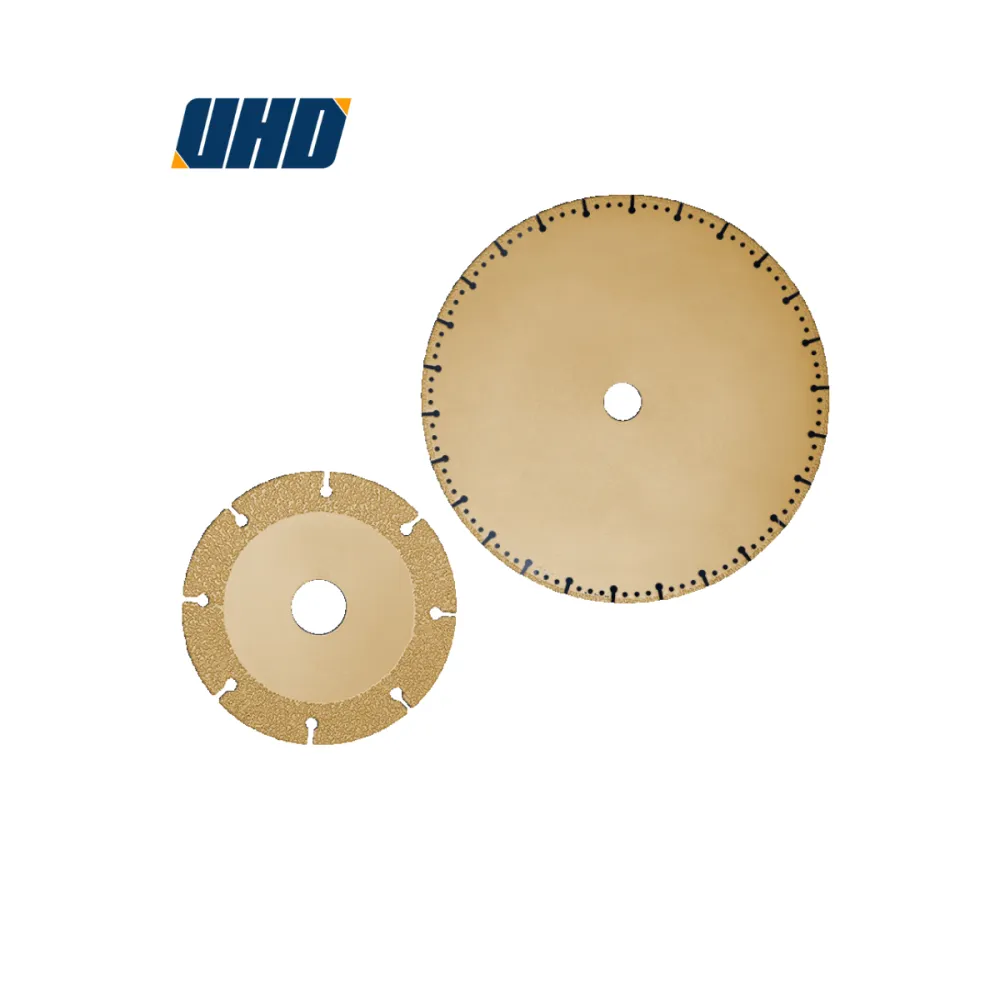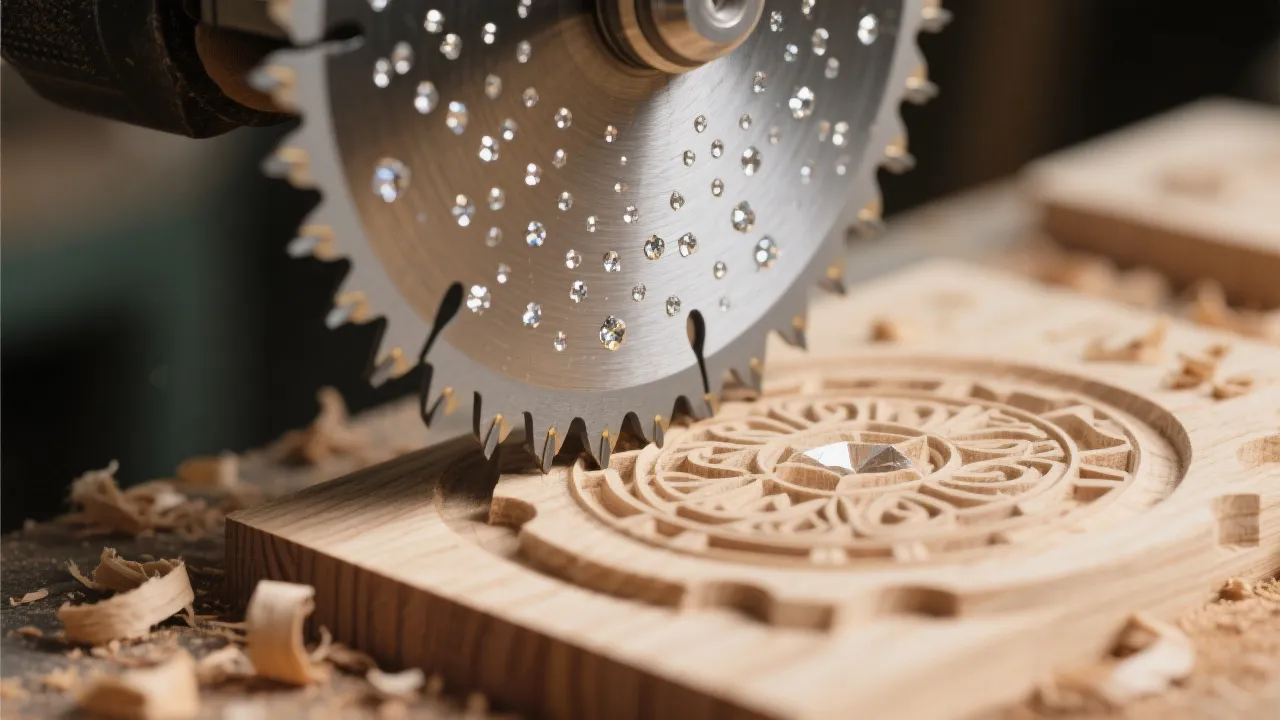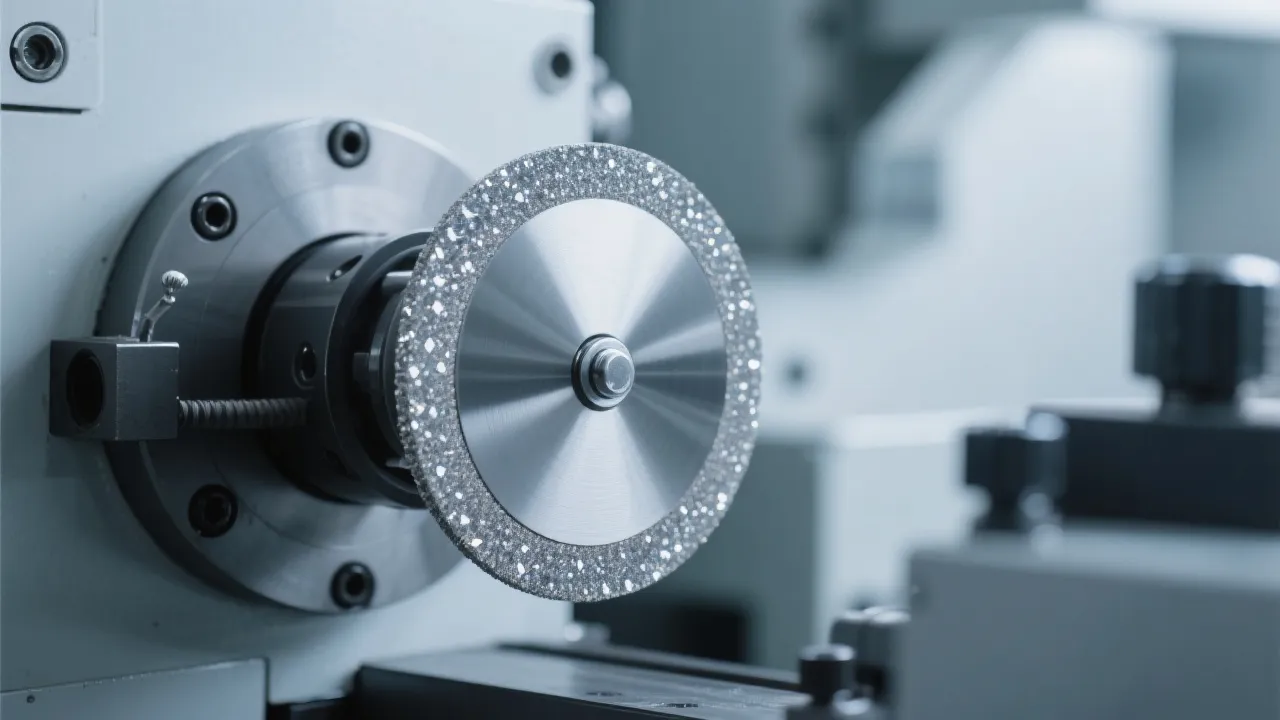
As a professional working with industrial diamond abrasives, you’re no stranger to the challenges caused by brazing layer cracking and diamond passivation. These issues can significantly degrade tool performance, reduce lifespan, and compromise the quality of your machining operations. This guide dives deep into the root causes behind these failures, offering you actionable diagnostics and maintenance strategies designed to enhance tool durability and maintain peak cutting efficiency.
Brazing layer cracks typically originate from uneven stress distribution within the brazed joint, thermal fatigue induced by repeated heating and cooling cycles, and manufacturing defects inherent to the brazing process. When stresses concentrate at specific points, micro-cracks emerge and propagate during use, eventually leading to tool failure. By examining these factors closely, your team can implement corrective measures to minimize stress concentrations and improve manufacturing consistency.
Diamond passivation manifests when elevated grinding temperatures prompt structural transformation of the diamond surface to graphite, drastically reducing its cutting ability. This phenomenon often stems from insufficient cooling and excessive machining pressure, which elevate localized temperatures beyond the diamond’s stability threshold. Recognizing passivation signs early allows your team to adjust operational parameters, preserving the diamond’s sharpness and cutting consistency.
Over-worn backing substrates (or "carriers") often signal ineffective cooling. Insufficient coolant flow rates or misdirected coolant jets can result in hotspots, accelerating wear and contributing to brazing layer degradation. Monitoring coolant temperature, flow volume, and nozzle alignment becomes essential to maintain uniform thermal conditions, hence prolonging abrasive tool service life.
| Cause | Effect | Preventive Action |
|---|---|---|
| Uneven Stress Distribution | Crack initiation & propagation in brazing layer | Precision manufacturing & stress relief heat treatment |
| Thermal Fatigue from Heat Cycling | Microcracks leading to brittleness | Optimized cooling & controlled machining parameters |
| Manufacturing Defects (Voids, Inclusions) | Weak joints prone to cracking | Rigorous quality control & brazing process refinement |
| High Grinding Temperature | Diamond surface passivation (graphitization) | Adequate coolant flow & controlled grinding pressure |
| Improper Tool Installation | Non-uniform stress & premature wear | Standardized clamping & precision alignment |
Even minor installation inaccuracies such as loose clamping or eccentric mounting can cause uneven load distribution. This exacerbates localized stress points fostering early brazing layer cracking and uneven abrasive wear. Your maintenance team should adopt standardized installation procedures equipped with torque specifications and alignment checks to mitigate these risks.
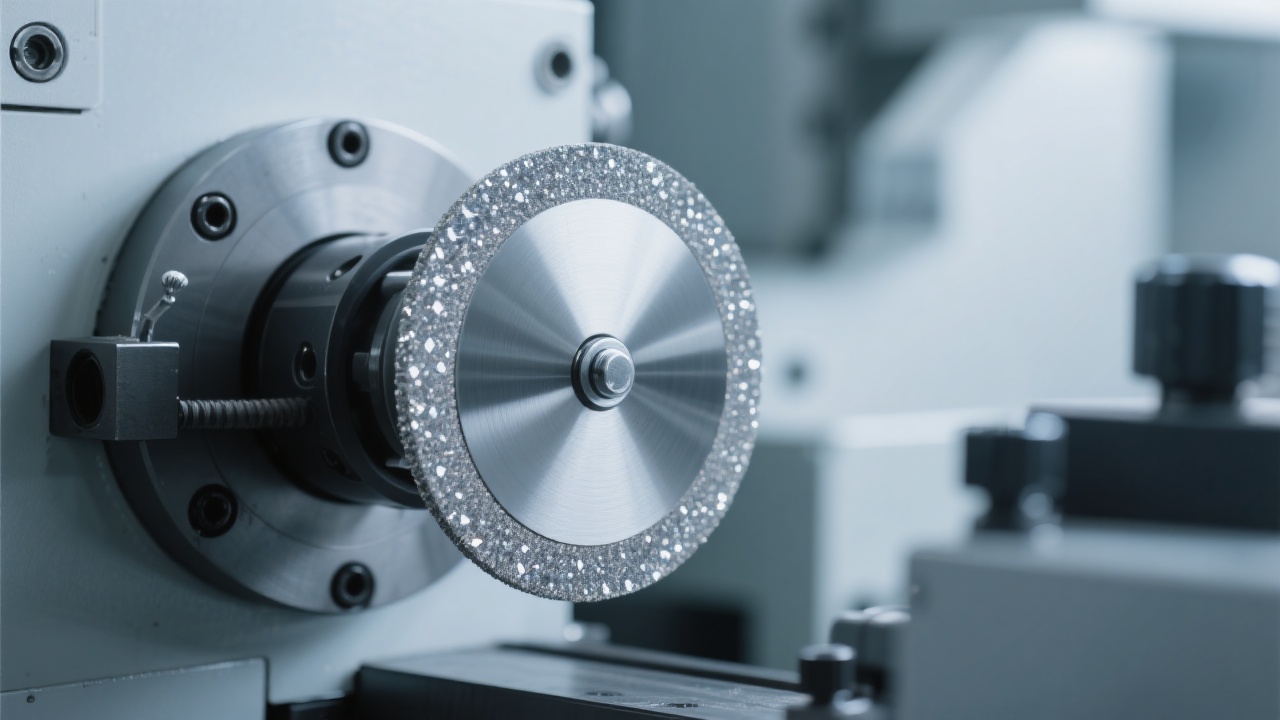
To keep your diamond abrasive tools at optimal performance, integrate these preventive measures into your workflow:
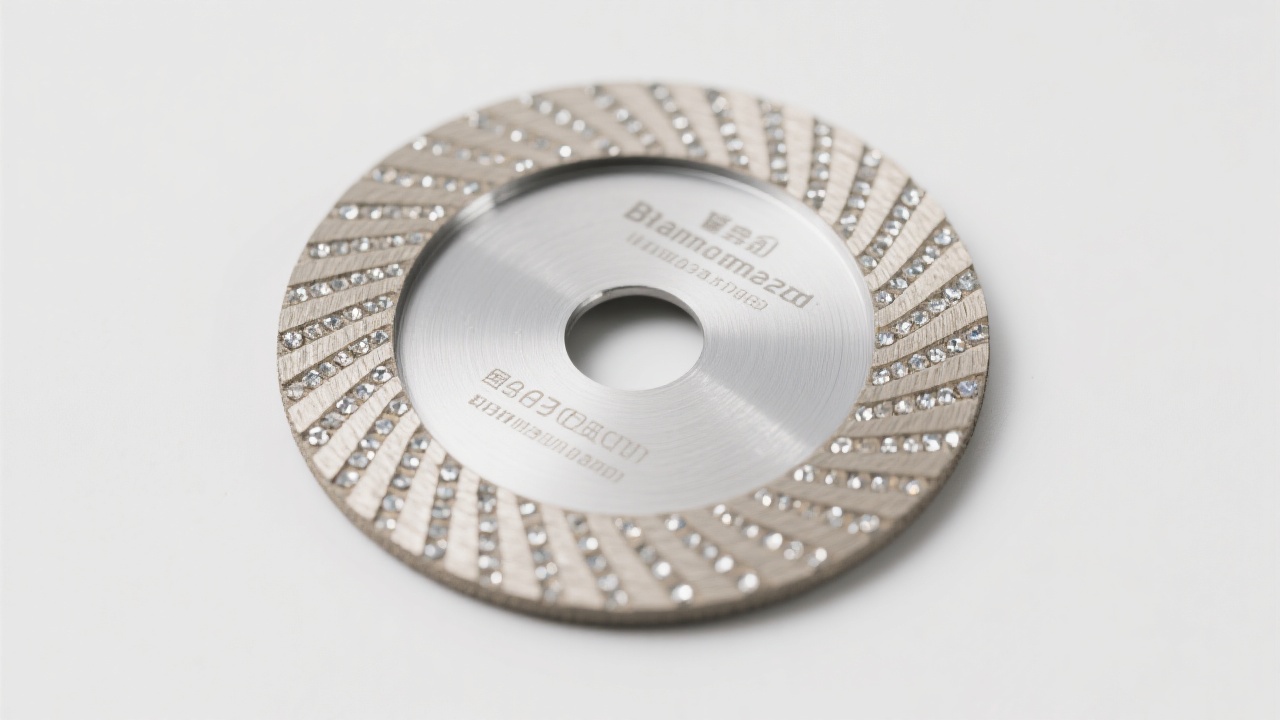
Implementing these strategies results in extended tool life and a stable machining process — critical success factors in your production line efficiency.
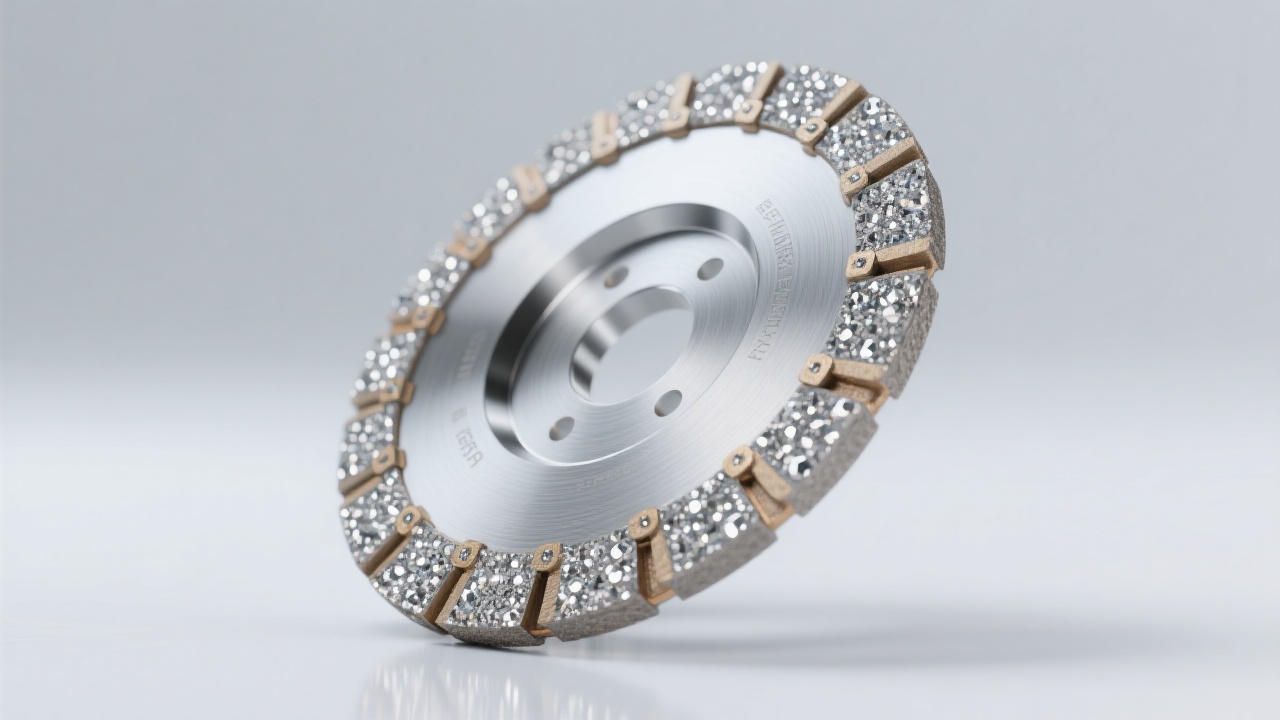

.png?x-oss-process=image/resize,h_1000,m_lfit/format,webp)