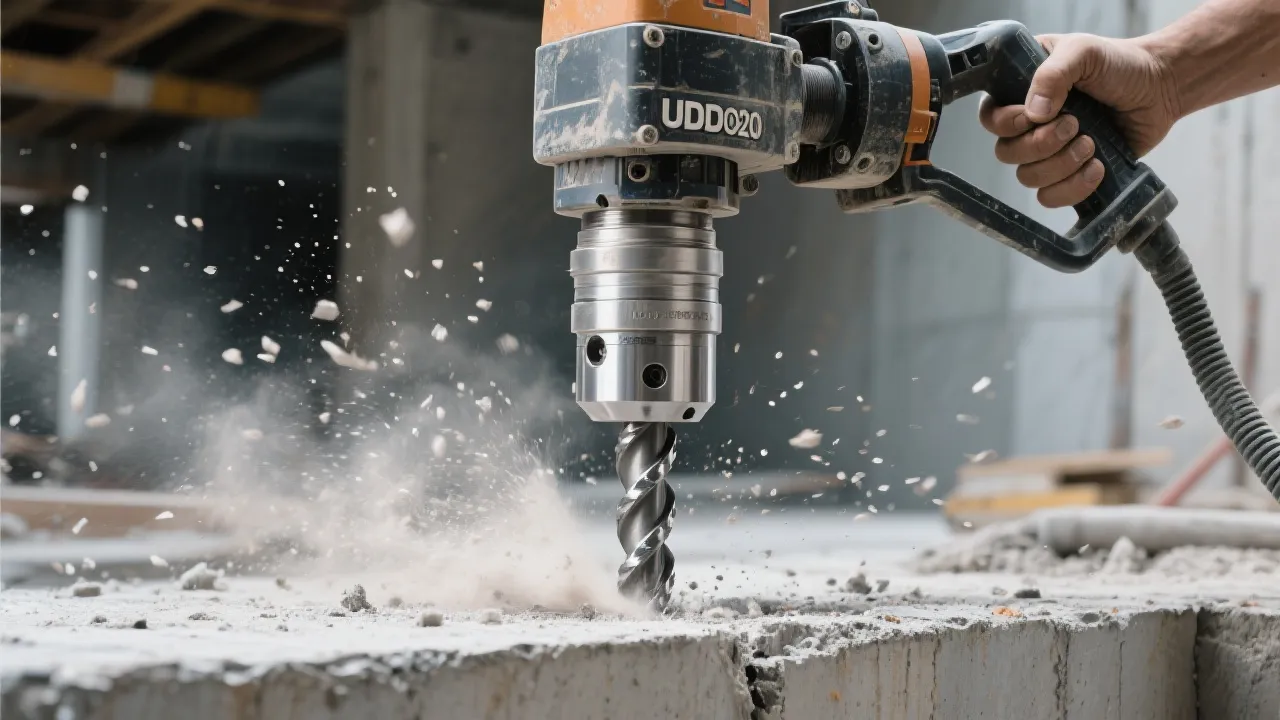
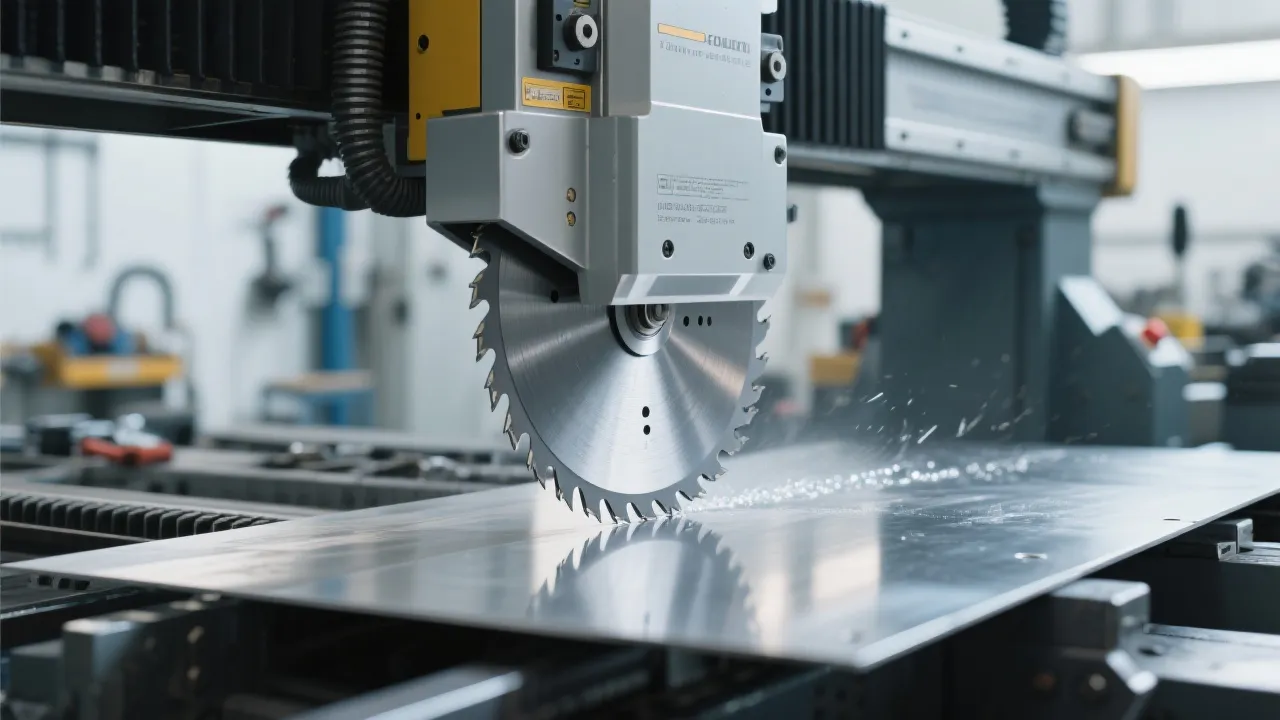
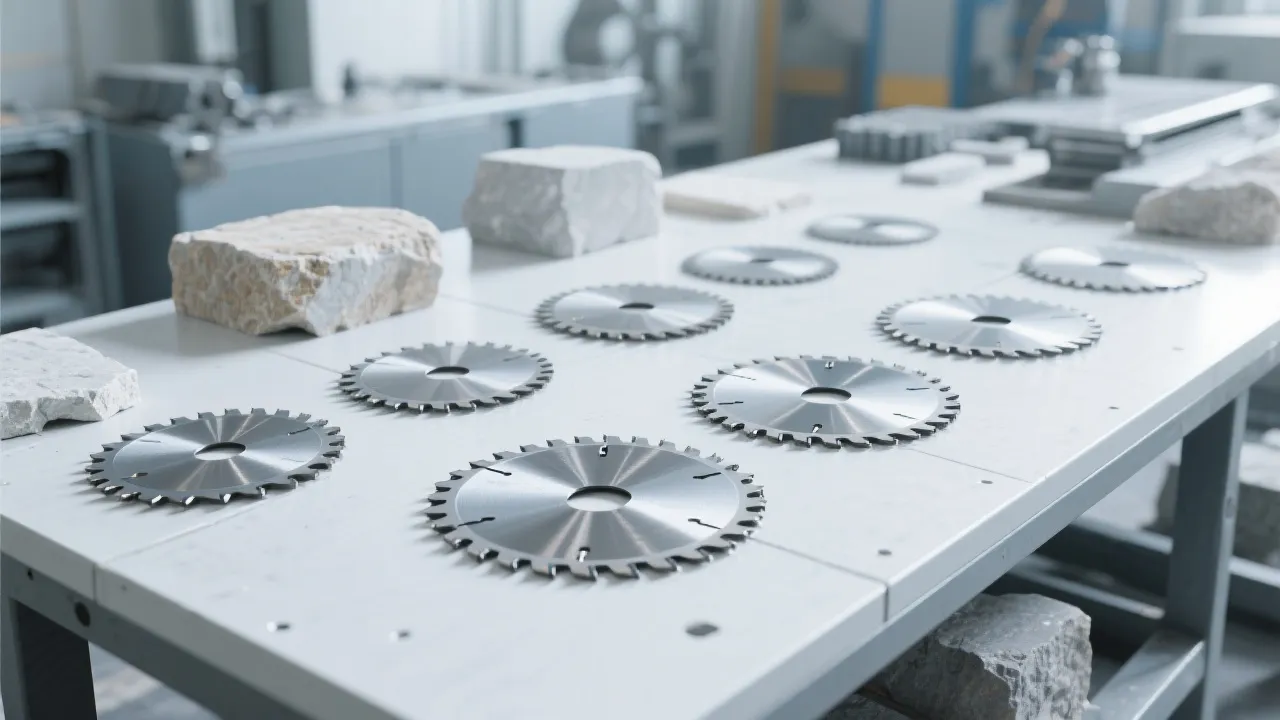
In stone processing, tool selection is rarely “one size fits all.” Differences in stone type, cutting direction, feed strategy, coolant conditions, and edge-finish requirements can lead to large variations in productivity and quality. This page shares a real-world application case to explain how UHD Ultrahard Tools Co., Ltd approaches customized ultrahard material tools to better align with process goals—supporting improvements in cutting efficiency, edge quality, and operational stability without overpromising results.
Page focus: A stone processing application case showing how UHD matches tool design to different cutting targets and process constraints, and what customization factors matter most for industrial buyers evaluating performance and fit.
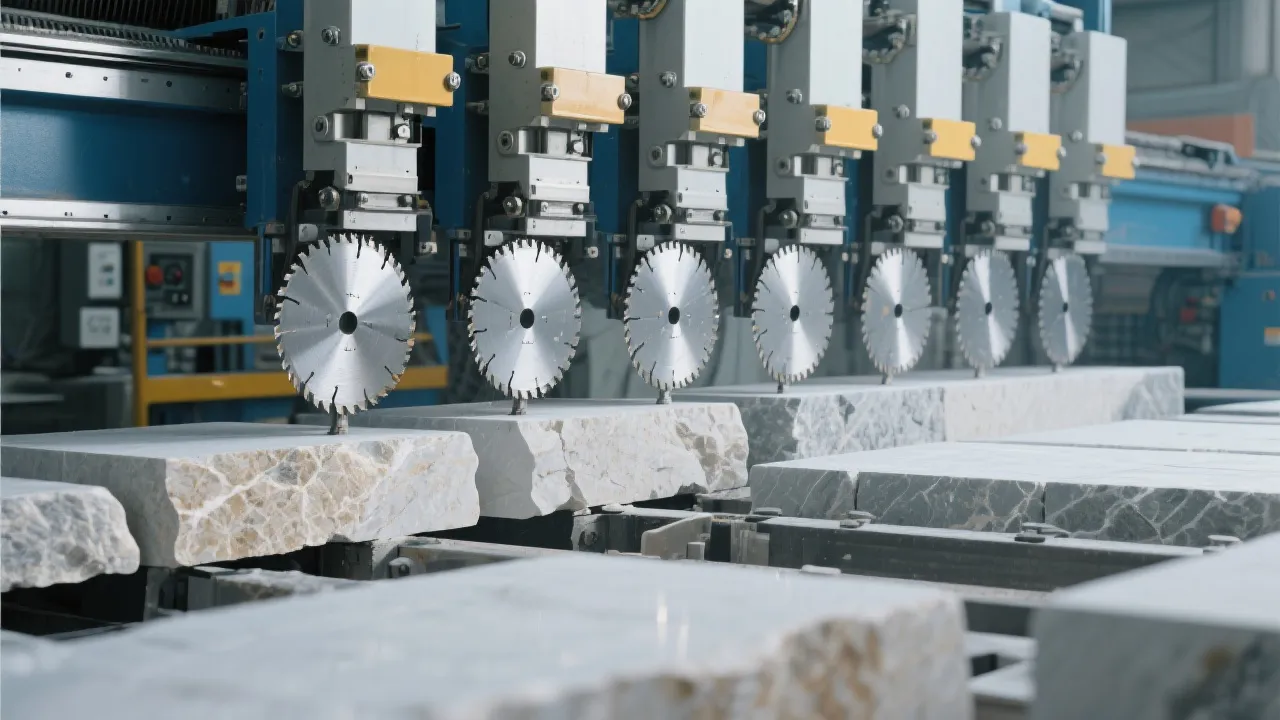
The customer was processing stone components where throughput and finish consistency were both critical. The challenges were typical for industrial stone cutting:
Note: Final results depend on stone composition, machine rigidity, spindle power, cooling, and on-site parameters. UHD validates feasibility based on the actual operating environment.
Stone materials vary widely in hardness, abrasiveness, grain structure, and fracture behavior. A tool that cuts fast on one stone can chip edges or run unstable on another. UHD’s customization work centers on building a tool configuration that fits the material + machine + process goal combination rather than optimizing for a single metric.
Balancing segment/bond behavior, cutting aggressiveness, and heat management to support higher material removal where the process allows.
Reducing chipping risk by aligning diamond exposure, cutting action, and vibration control with the stone’s fracture characteristics.
Improving consistency through geometry matching, controlled runout tolerance requirements, and fit to spindle speed/feed strategy.
UHD Ultrahard Tools Co., Ltd applies a structured, engineering-led workflow to customize ultrahard material tools for stone processing. In this case, the customization was guided by three decision layers: the stone cutting target, the machine/process boundary conditions, and the desired quality window.
Depending on the tool form used on the line, UHD can align key functional parameters to the process goal:
| Customization factor | What it influences | Typical trade-off to manage |
|---|---|---|
| Tool geometry & profile | Cutting action, vibration tendency, edge finish behavior | Aggressiveness vs. edge chipping risk |
| Diamond/brazed abrasive specification | Sharpness, wear behavior, chip formation | Fast cut vs. surface integrity |
| Bonding method & retention design | Operational stability, consistency across batches | Durability vs. self-sharpening behavior |
| Body material & heat management | Thermal stability, deformation risk, cut consistency | Stability vs. weight and machine load |
| Fit, mounting, and tolerance requirements | Runout, chatter tendency, repeatability | Tighter tolerance vs. cost/lead time |
UHD aligns the tool with the customer’s machine parameters (spindle speed, feed rate, cooling approach) and checks for signs of instability (chatter marks, abnormal noise, overheating, unexpected chipping). Adjustments typically focus on reaching a stable operating window before pushing productivity.
In this stone processing application case, the customized ultrahard material tool configuration was intended to deliver measurable gains in three dimensions:
UHD focuses on fit-for-process customization—balancing efficiency, finish, and stability—rather than optimizing a single metric at the expense of production risk.
For industrial buyers comparing stone processing tools and customization options, the fastest way to reduce trial-and-error is to confirm the key inputs below. These inputs help UHD recommend a configuration that aligns with your cutting targets.
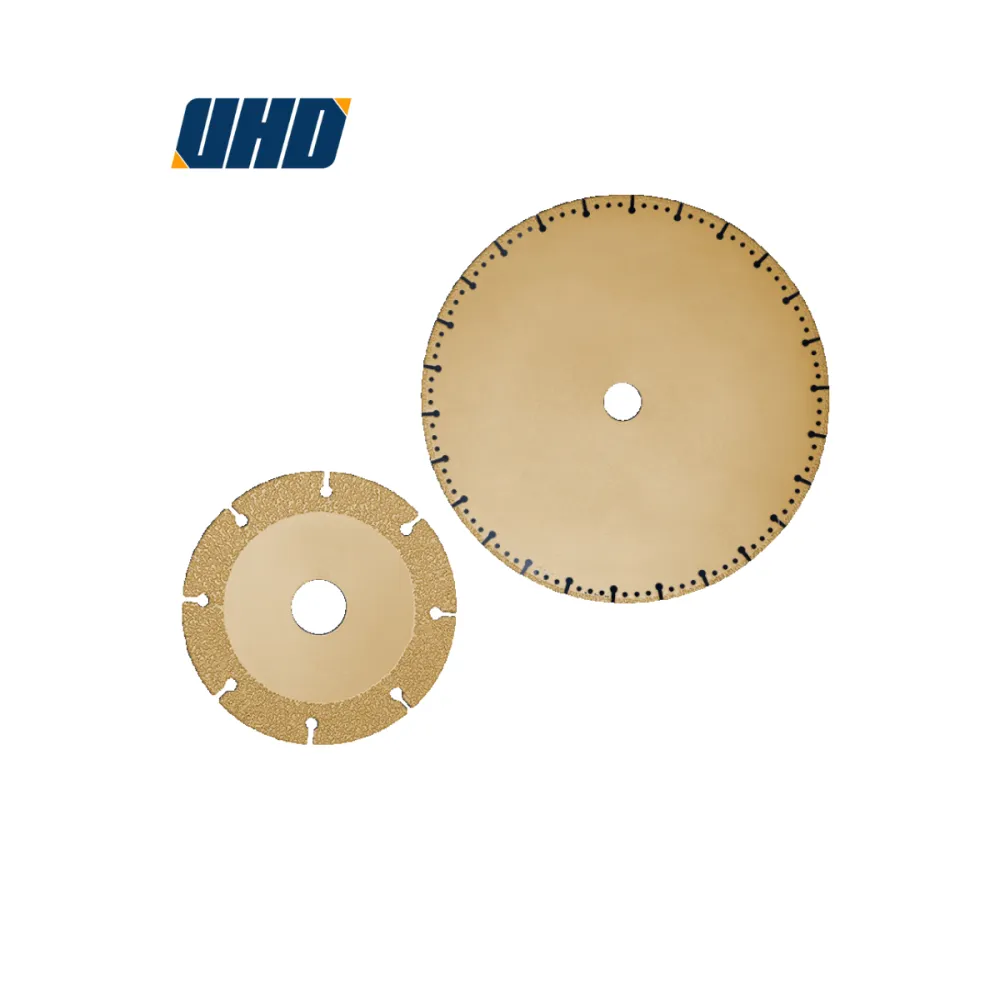
UHD Ultrahard Tools Co., Ltd (Henan UHD Ultrahard Tools) is a China-based high-tech manufacturer focused on ultrahard material tools, including diamond tools, abrasives, and custom brazed diamond abrasives for industrial processing. UHD maintains an innovation-driven, quality-first approach and collaborates with academic partners such as Henan University of Technology to support ongoing R&D.
If you’re evaluating a stone processing tool upgrade, UHD can align recommendations to your stone type, cutting target, and process goals—with clear boundaries and engineering inputs.
To support an efficient review, prepare: stone type details, current tool specification, machine parameters, and the specific issue you want to solve (efficiency, edge quality, or stability).

.png?x-oss-process=image/resize,h_1000,m_lfit/format,webp)

.png?x-oss-process=image/resize,h_1000,m_lfit/format,webp)