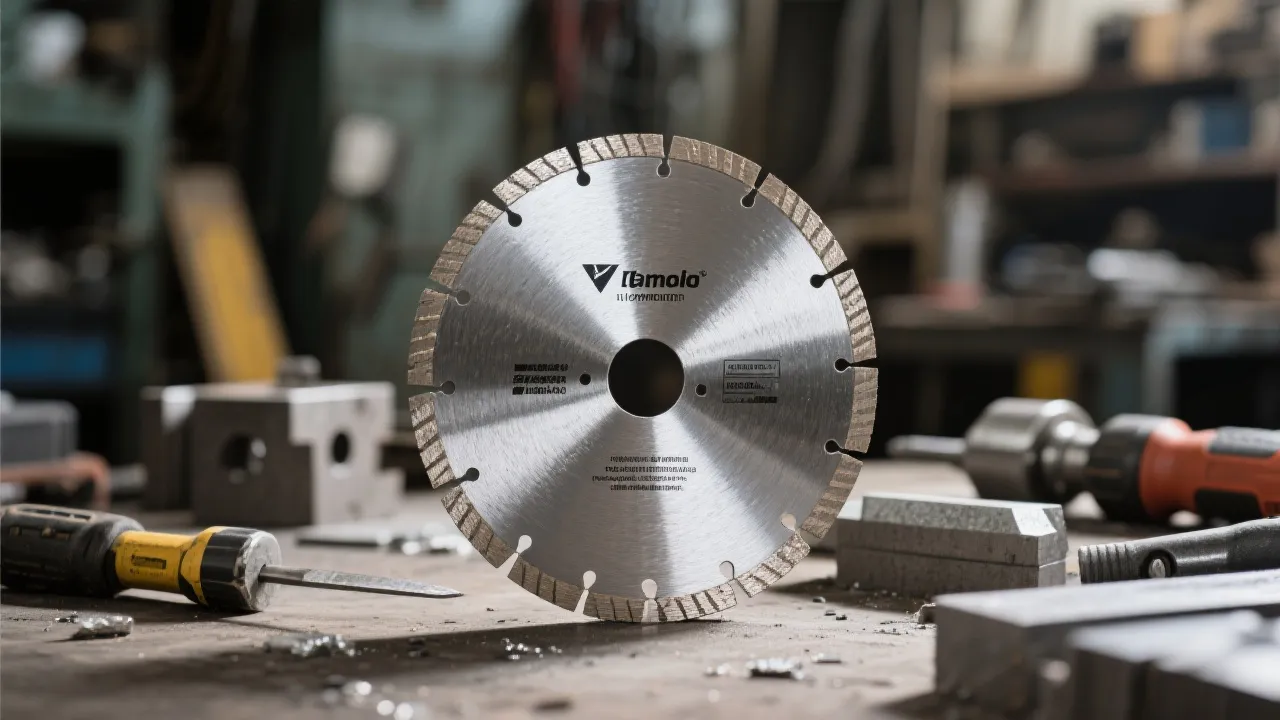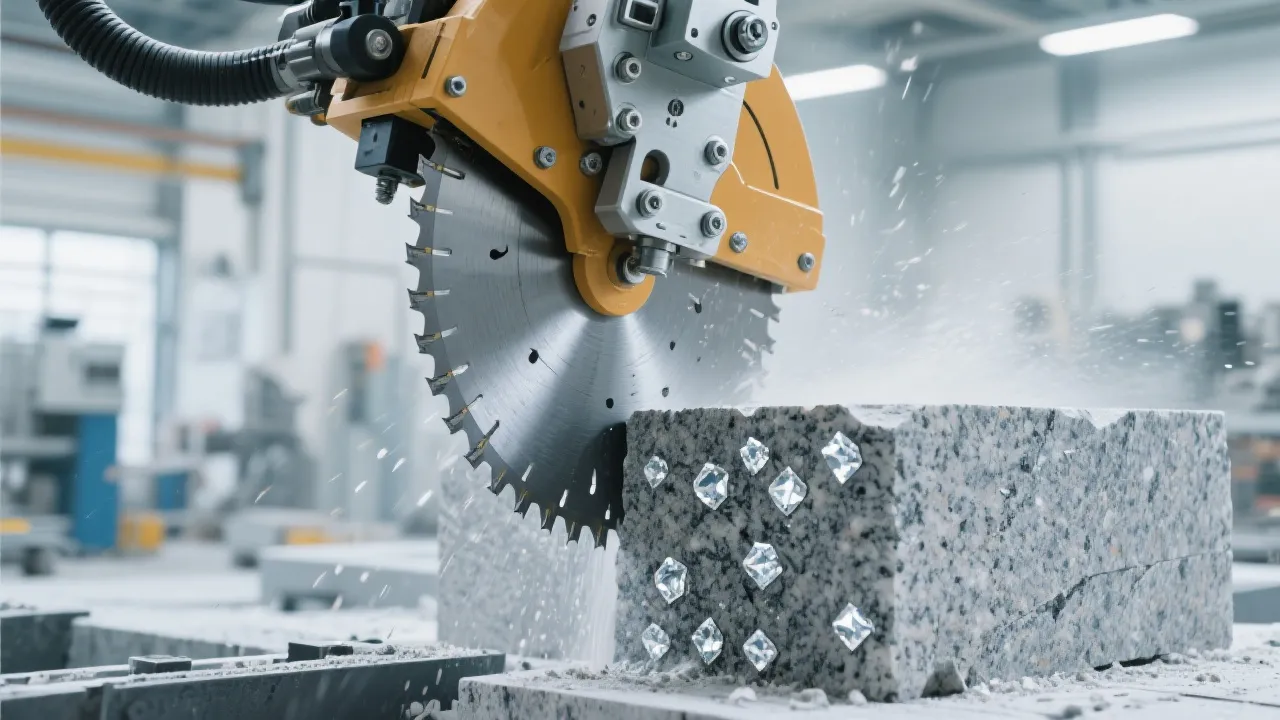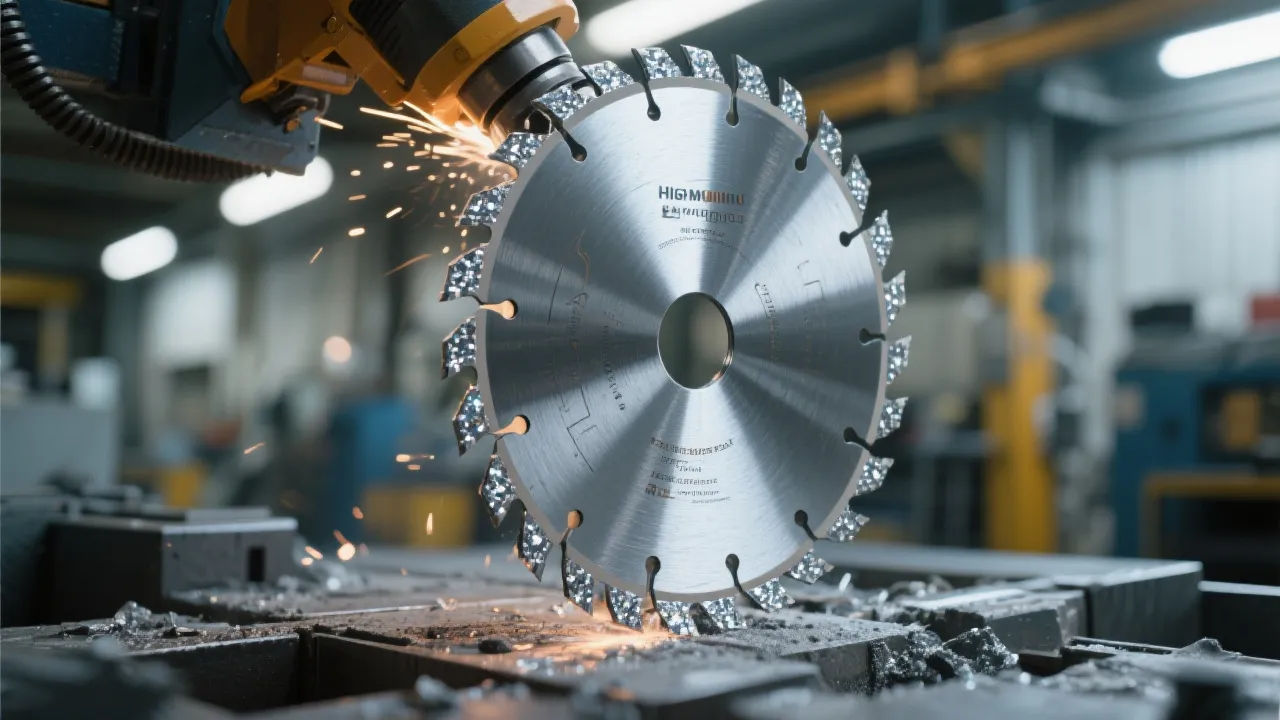
In industrial stone processing, a diamond cutting tool is not just a consumable—it is a rotating, high-energy component that can determine safety, yield, and total cost per cut. When a blade, core bit, or vacuum-brazed diamond segment is pushed under load, the failure modes are rarely subtle: segment loss, steel body cracking, overheating, or uncontrolled vibration can escalate from quality issues to real workplace risk.
This is where CE conformity becomes more than a “label.” For European markets (and many global buyers who benchmark to EU standards), CE indicates that the tool and its documentation align with applicable EU safety expectations—typically via the Machinery Directive 2006/42/EC (moving to the EU Machinery Regulation (EU) 2023/1230 with transition period), and commonly referenced harmonized standards around safety information and risk reduction. For decision-makers, the value is clear: it creates a structured path to evaluate risk, verify key performance indicators, and keep procurement defensible.
For brands such as UHD, CE-oriented engineering and verification help align product design, manufacturing control, and testing evidence so buyers can compare tools on measurable indicators—not assumptions.
In real production lines—bridge saws, CNC saws, hand-held cutters, floor saws—diamond tools face combined stresses: thermal cycling, impact loading, torsion, and abrasive wear. The most frequent risk clusters include:
A CE-minded verification approach doesn’t eliminate every operational variable, but it forces a repeatable evidence chain: design intent → risk assessment → controlled production → inspection & test records → user information.

For diamond cutting tools, buyers often assume CE is “only paperwork.” In practice, credible CE conformity is supported by a technical file and validation activities tied to realistic hazards: mechanical integrity at rated speed, predictable wear behavior, and clarity of safety instructions.
| Indicator | Why it matters in stone/heavy-duty cutting | Typical reference range (industry practice) | How it is commonly verified |
|---|---|---|---|
| Thermal stability | Controls rim softening, brazing degradation, and warping under dry/wet cycles | Heat cycle exposure around 250–400°C with minimal runout drift | Heat cycling + runout measurement; visual/penetrant checks |
| Impact resistance | Prevents segment chipping/detachment when hitting inclusions or hard veins | No segment loss after repeated shock events; controlled edge damage | Drop/strike simulation, interrupted cut tests on granite/quartz |
| Sharpness retention rate | Affects feed rate, power draw, and operator stability over long runs | 70–85% cutting efficiency maintained after extended cuts (material-dependent) | Timed cutting trials + power/current monitoring + surface finish checks |
| Wear rate | Directly linked to cost per cut and tool change frequency | Typical segment height loss 0.6–1.4 mm/hour depending on stone & rpm | Segment height gauging; mass loss; cut-meter tracking |
| Runout / balance | Lower vibration reduces cracking risk and improves edge quality | Radial runout often controlled to ≤0.20 mm for stable industrial cutting | Dial indicator checks; balance verification where applicable |
| Bond integrity (e.g., vacuum brazed) | Determines whether a vacuum-brazed diamond tip survives heat + load cycles | Consistent brazing coverage; no void clusters; stable pull/shear behavior | Metallographic inspection; controlled load tests; process traceability |
Note: Reference ranges vary by diameter, segment design, stone hardness, wet/dry method, and machine power. Credible suppliers disclose test conditions so procurement teams can compare on like-for-like parameters.
A CE-aligned approach is strongest when the workflow is auditable. Below is a practical, factory-to-third-party sequence used by quality-driven manufacturers of industrial diamond cutting tools.
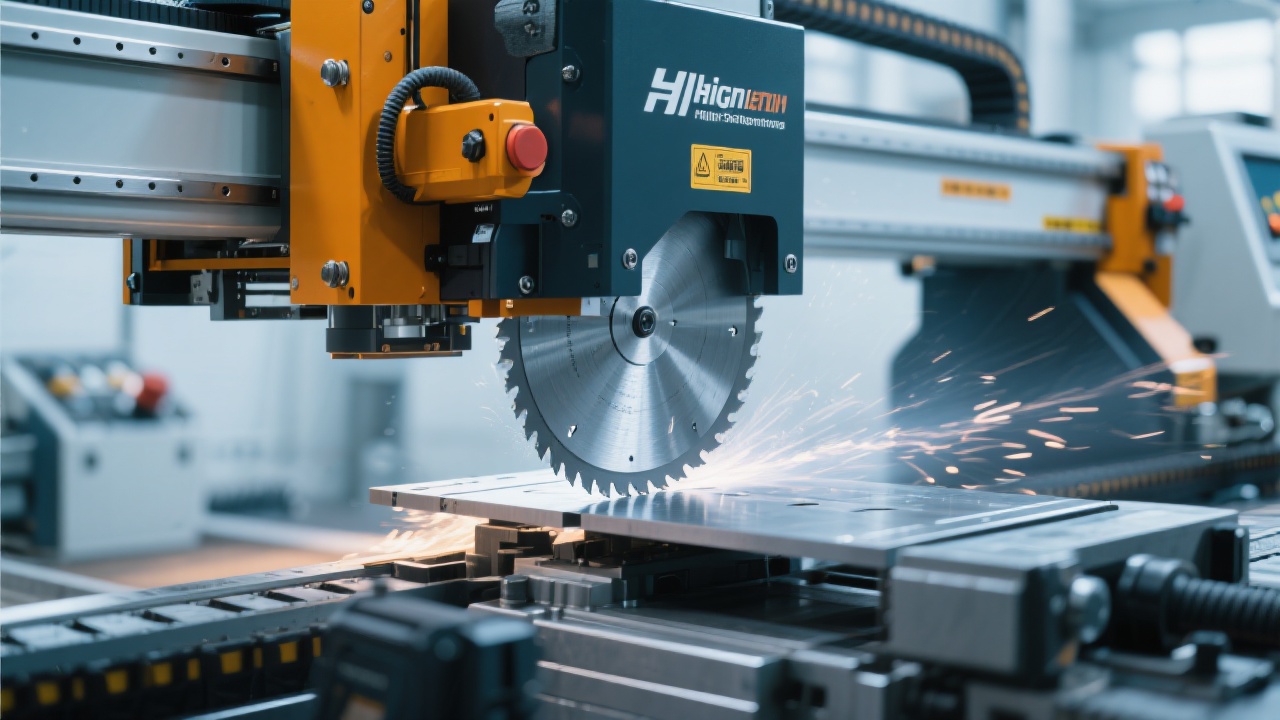
In B2B sourcing, “works well” is not a metric. Professional buyers typically ask for: (1) repeatable internal test results, and (2) an independent report from an accredited laboratory or recognized inspection body, especially for high-speed tools.
Under a controlled trial on granite slabs (Mohs ~6–7) using a 350 mm diamond blade on a stable bridge saw (wet cutting, consistent feed), CE-oriented batches typically demonstrate more stable cutting behavior versus non-verified supply. A representative dataset often looks like this:
| Metric (per tool) | CE-oriented batch (reference) | Non-verified batch (reference) | Operational meaning |
|---|---|---|---|
| Average cutting speed | 1.6–2.1 m/min | 1.1–1.7 m/min | Higher throughput at same power level |
| Segment height loss | 0.8–1.0 mm/hour | 1.1–1.5 mm/hour | Lower wear improves cost per cut |
| Runout drift after heat cycling | ≤0.05–0.10 mm | 0.12–0.25 mm | Less vibration; better edge quality |
| Interrupted-cut survival | No segment loss in 30 cycles | Segment damage observed in 10–20 cycles | Lower risk of incident & downtime |
These values are provided as practical reference data for procurement benchmarking. Actual results depend on rpm, coolant delivery, stone density, reinforcement, and operator feed strategy. For CE documentation, the critical point is that test conditions are documented and repeatable.
When a supplier provides a third-party inspection report (e.g., dimensional checks, runout, visual integrity, and documentation review), it helps procurement teams reduce supplier risk—especially when onboarding a new source or switching tool specifications mid-project.
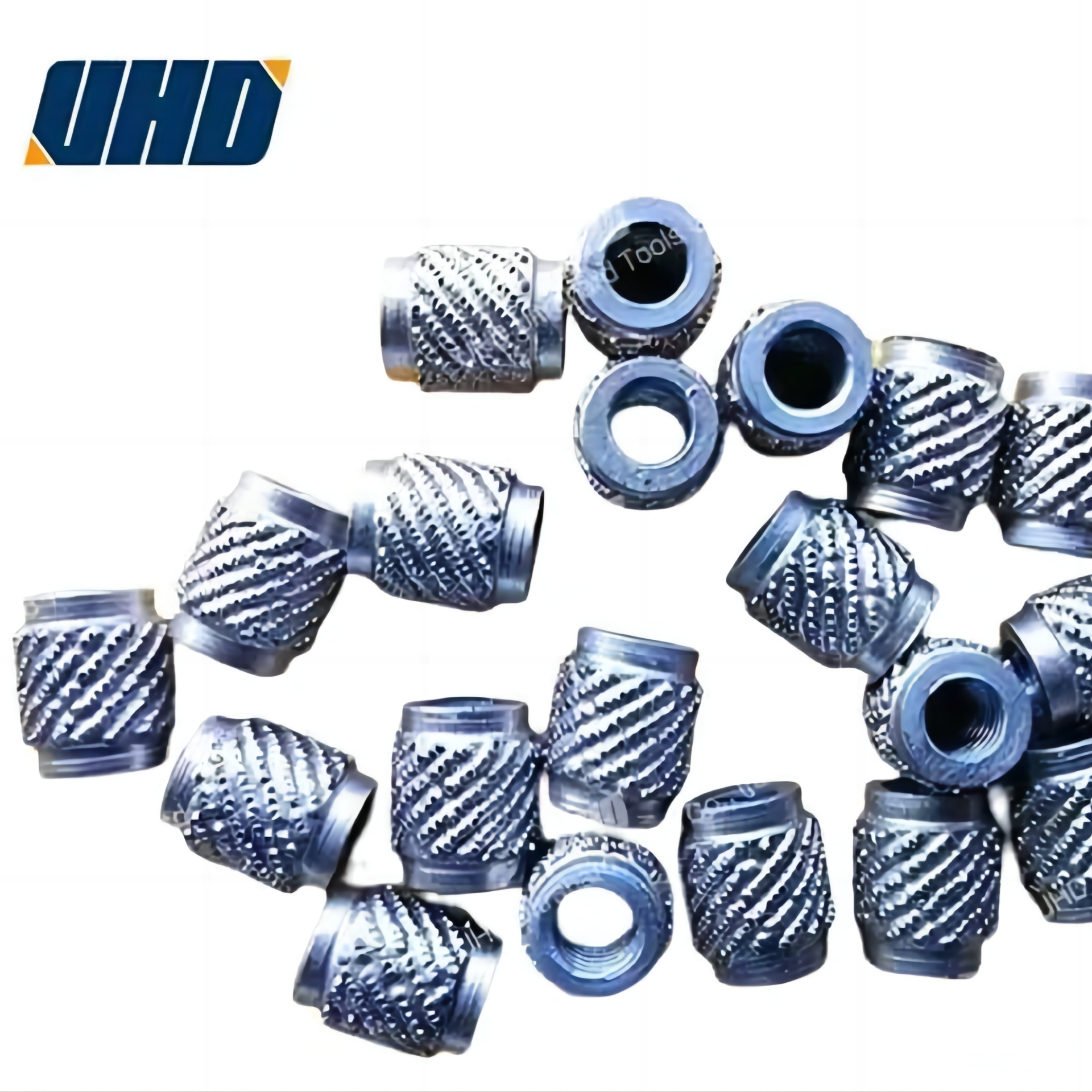
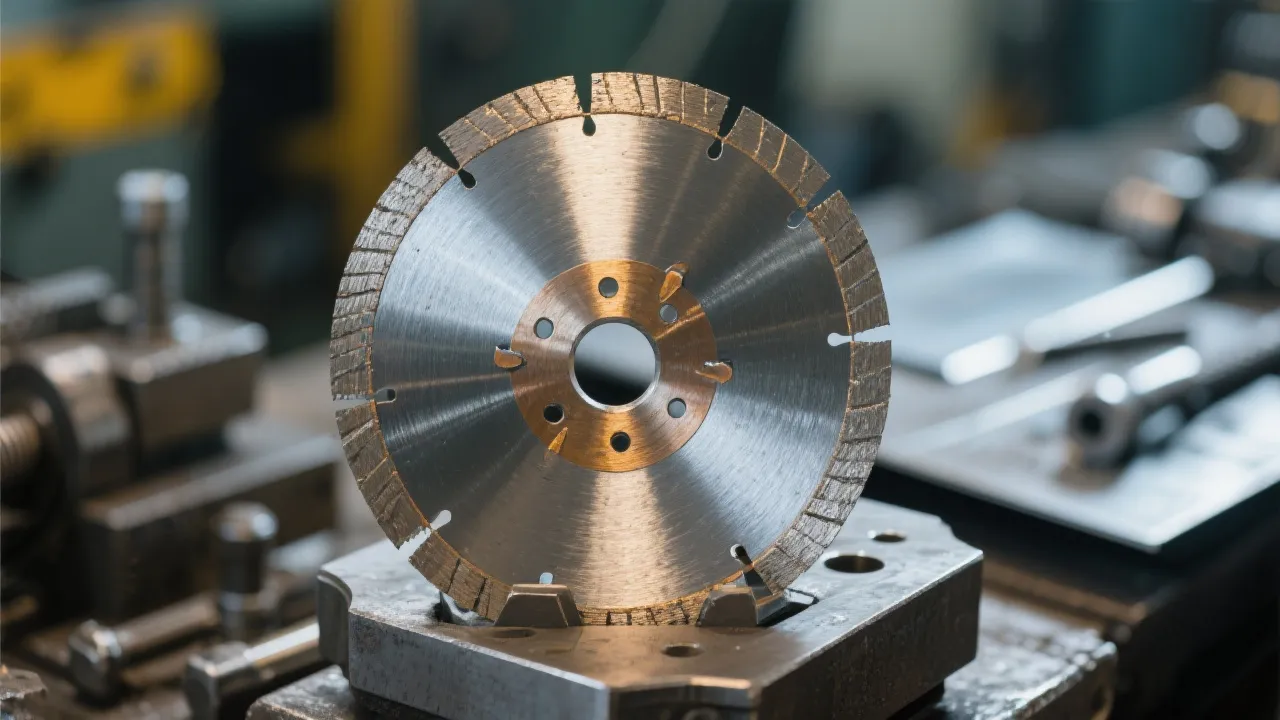
Vacuum-brazed diamond tips are often selected for aggressive cutting and grinding tasks where fast stock removal matters—especially on hard, dense materials or when a tool must “bite” quickly. The value proposition is high initial sharpness and robust diamond exposure; the risk is that poor brazing control can lead to diamond pull-out or localized overheating.
CE-oriented verification typically places extra attention on: brazing alloy consistency, joint coverage uniformity, heat-affected zone control, and traceability of brazing parameters. For industrial users, asking for batch-level brazing records and post-braze runout checks is a practical way to separate stable supply from “looks good” supply.
In stone processing, the most expensive mistake is often a mismatch: the tool is “good,” but not right for the stone type, machine power curve, or cutting method. Customization should be framed as risk control and efficiency optimization, including:
For UHD projects, a practical customization workflow usually starts with the buyer sharing stone type, thickness, machine model/power, cutting mode (wet/dry), and target KPI (speed vs finish vs lifespan). This allows engineering to propose a validated configuration rather than “one spec for all.”
Soft next step for technical buyers: If the current line struggles with chipping, overheating, or unstable wear, it is often more effective to adjust segment formulation and geometry than to simply increase diamond concentration. To explore this route, buyers can learn more custom options based on their stone and machine parameters.
CE is primarily about safety and conformity to applicable EU requirements, supported by documentation and risk control. Longer life usually comes from correct bond design and stable manufacturing. However, CE-oriented verification tends to reduce “batch surprises,” which indirectly improves life consistency.
Segment loss is usually prevented through a combination: bonding integrity (brazing/sintering quality), impact resistance under interrupted cuts, and thermal stability (to avoid joint weakening). Asking for interrupted-cut results and post-heat-cycle integrity checks is a practical start.
At minimum: rated speed/RPM marking guidance, runout data, test conditions (stone type, wet/dry, feed rate), batch traceability, and a third-party report when available. For vacuum-brazed tips, request brazing process controls and inspection evidence.
Stone type (natural/engineered), thickness, reinforcement, desired edge finish, machine power and RPM, cutting method, and daily output target. If you share these details in the comments, engineers can respond with a more precise recommendation basis.
Compare tool options by stone type, machine compatibility, and measurable indicators such as thermal stability, impact resistance, and sharpness retention—supported by documentation and test conditions you can audit.
.png?x-oss-process=image/resize,h_1000,m_lfit/format,webp)
.png?x-oss-process=image/resize,h_1000,m_lfit/format,webp)