Why Brazed Diamond Tools Last Longer Than Sintered Tools in Metalworking
02 03,2026
UHD
Technical knowledge
Frequent tool changes create costly downtime in metalworking—especially when machining stainless steel or aluminum alloys. This article explains why brazed diamond tools typically outlast sintered alternatives by focusing on the fundamental bonding mechanism: brazing forms a true metallurgical bond between the diamond grit and the tool body, while sintered tools rely more on matrix retention (mechanical/ceramic-phase holding). From microstructure to shop-floor performance, you will see how stronger grit anchoring improves heat stability, impact resistance, and wear behavior. Real-world cutting and grinding results in stainless steel and aluminum applications commonly show a 30%–50% service-life improvement for brazed tools under comparable conditions. The article also includes guidance on tool selection (a practical decision flow), maintenance tips to reduce premature failure, and visual cues such as SEM-style bonding schematics to help you verify grit retention quality. UHD’s advanced brazing process is highlighted for ensuring secure diamond attachment and more reliable, high-efficiency production.
Why Brazed Diamond Tools Often Outlast Sintered Ones in Metalworking
If you’re running stainless steel or aluminum alloy production, you already know the real enemy isn’t “tool price”—it’s unplanned stoppage. A tool that loses diamonds early, glazes over, or chips under intermittent load can silently turn into a schedule killer: more changeovers, more scrap risk, more operator intervention.
The reason brazed diamond tools commonly deliver longer life than sintered diamond tools isn’t marketing—it’s materials science: metallurgical bonding vs. mechanical/ceramic-phase retention. Below is a practical, shop-floor-friendly breakdown so you can choose the right tool with fewer trials and fewer surprises.
The Real Industry Pain Point: Downtime Costs More Than Abrasive
In many metalworking lines, a single tool change can take 8–20 minutes including machine stop, wheel/tool swap, dressing/setting, and first-piece validation. If you’re running multiple stations, the cost compounds fast—especially when the tool fails unpredictably.
A longer-lasting diamond tool doesn’t just extend runtime; it stabilizes your process window. That means more consistent surface finish, less burr risk on edges, and fewer “operator-adjusted” parameters that drift over shifts.
Brazing vs. Sintering: What’s the Core Difference?
Brazed diamond tools = metallurgical bonding that “locks” the diamond
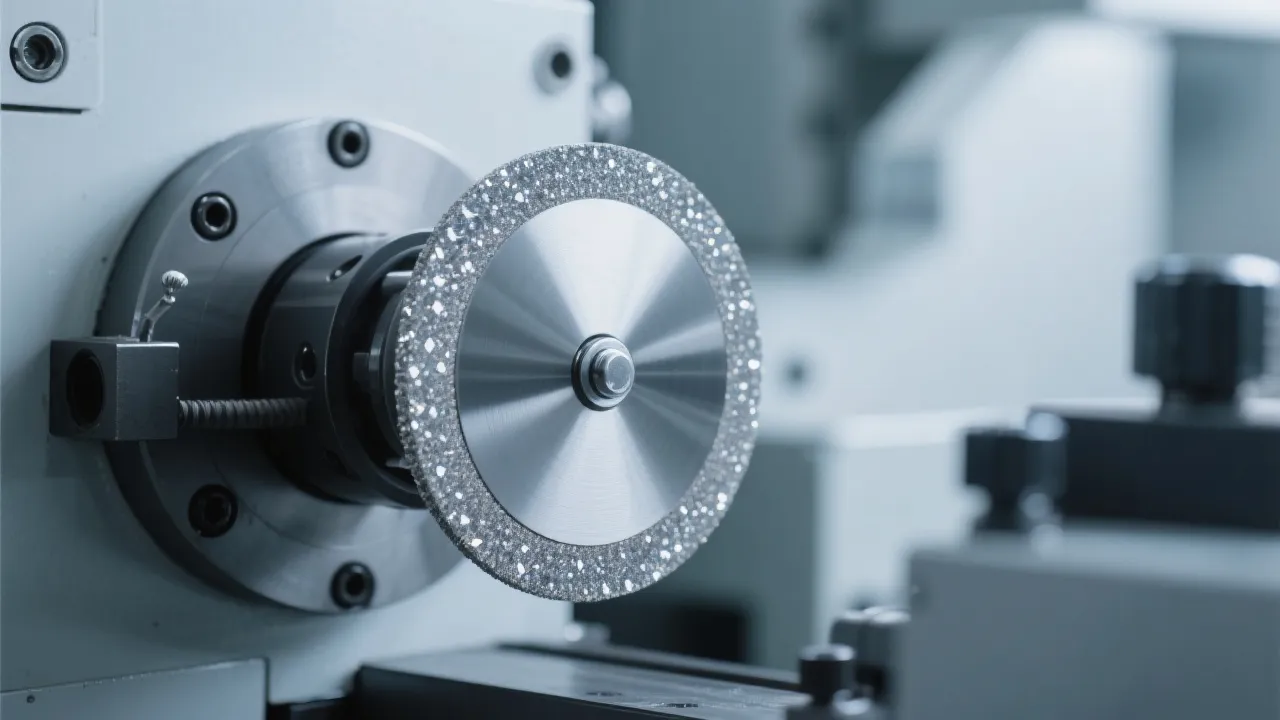
In brazing, diamond particles are joined to the tool body through a brazing alloy that forms a strong metal-to-diamond interface (often involving active elements that improve wetting). Practically, this means the diamond is anchored, not merely packed into a matrix.
When UHD uses advanced brazing technology, the goal is simple: keep diamonds firmly attached under heat and shock, so they cut longer before pull-out.
Sintered diamond tools = diamond held by a matrix that wears away
In sintering, diamonds are distributed in a metal/ceramic-like bond matrix. As you grind/cut, the matrix wears to expose new diamond. That can be an advantage in some materials, but in demanding metalworking conditions (heat spikes, vibration, interrupted contact), the matrix can release diamonds early—especially if parameters drift or coolant delivery isn’t stable.
From Microstructure to Shop-Floor Results: Why Brazed Tools Last Longer
In metalworking, diamond failure isn’t always “wear”—it’s often diamond pull-out. A stronger bond means more diamonds stay engaged for longer, maintaining cutting points and delaying the moment the tool starts rubbing instead of cutting.
Typical comparative testing in stable setups shows brazed tools can improve effective service life by 30%–50% versus sintered equivalents in stainless and aluminum operations—primarily by reducing early grit loss.
2) Better heat tolerance where metals generate real thermal load
Metals conduct and store heat differently than stone or ceramics, and your contact zone can see brief thermal peaks. With brazed constructions, the heat path into the tool body is often more direct, helping stabilize the cutting zone. Less thermal instability usually means less micro-chipping and less sudden performance drop.
In practice, this shows up as steadier amperage, fewer burn marks, and less need for “parameter rescue” mid-batch.
3) Stronger resistance to intermittent impact & vibration
If you’re grinding weld seams, deburring cast parts, or machining profiles with varying engagement, the tool sees repeated shocks. Brazed diamond tools tend to keep grit in place under these impacts, while some sintered structures may shed diamonds faster when the matrix fractures locally.
4) Wear pattern stays “sharp” longer (less glazing, more real cutting)
When diamonds remain well-anchored, the tool maintains a more consistent population of active cutting points. That reduces glazing (a common issue in metal finishing where the tool starts polishing instead of removing material). The result: more stable stock removal and more predictable surface finish over time.
Evidence in Typical Metal Applications (Stainless & Aluminum)
Below are reference figures commonly observed in controlled shop tests (same machine, same operator discipline, stable coolant and feed). Your exact results will depend on alloy, hardness, tool geometry, and contact mode—but the pattern is consistent: brazed tools hold cutting points longer.
“We didn’t change the machine. We just needed the diamonds to stay put. Once the brazed tool stopped shedding grit early, the line became predictable again—less babysitting, fewer stops.”
A Quick Selection Decision Tree (Use This Before You Order)
Choose a brazed diamond tool if you recognize these conditions:
Your tool wears “too fast” because diamonds pull out, not because they slowly dull.
You have intermittent contact (edges, welds, profiles) that causes chipping or sudden performance drops.
Heat stability matters: stainless finishing, high surface speed zones, or long continuous passes.
Your KPI is fewer changeovers and more consistent finish across the batch.
Consider a sintered tool if:
You need a bond that self-wears to expose new grit under stable, low-shock conditions.
Your operation favors a controlled bond wear mechanism and you can maintain consistent parameters and coolant delivery.
Want a Longer-Lasting Diamond Tool for Your Stainless or Aluminum Line?
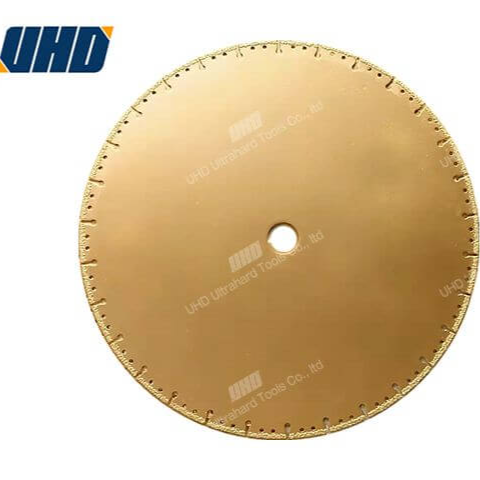
If you can share your material, operation (cutting/grinding/deburring), tool size, and current failure mode, UHD can recommend a brazed configuration that targets the real cause—pull-out, glazing, heat spikes, or impact wear. UHD adopts advanced brazing technology to help ensure diamond particles stay firmly attached, improving stability and extending usable life in demanding metalworking.




.png?x-oss-process=image/resize,h_1000,m_lfit/format,webp)
.png?x-oss-process=image/resize,h_1000,m_lfit/format,webp)