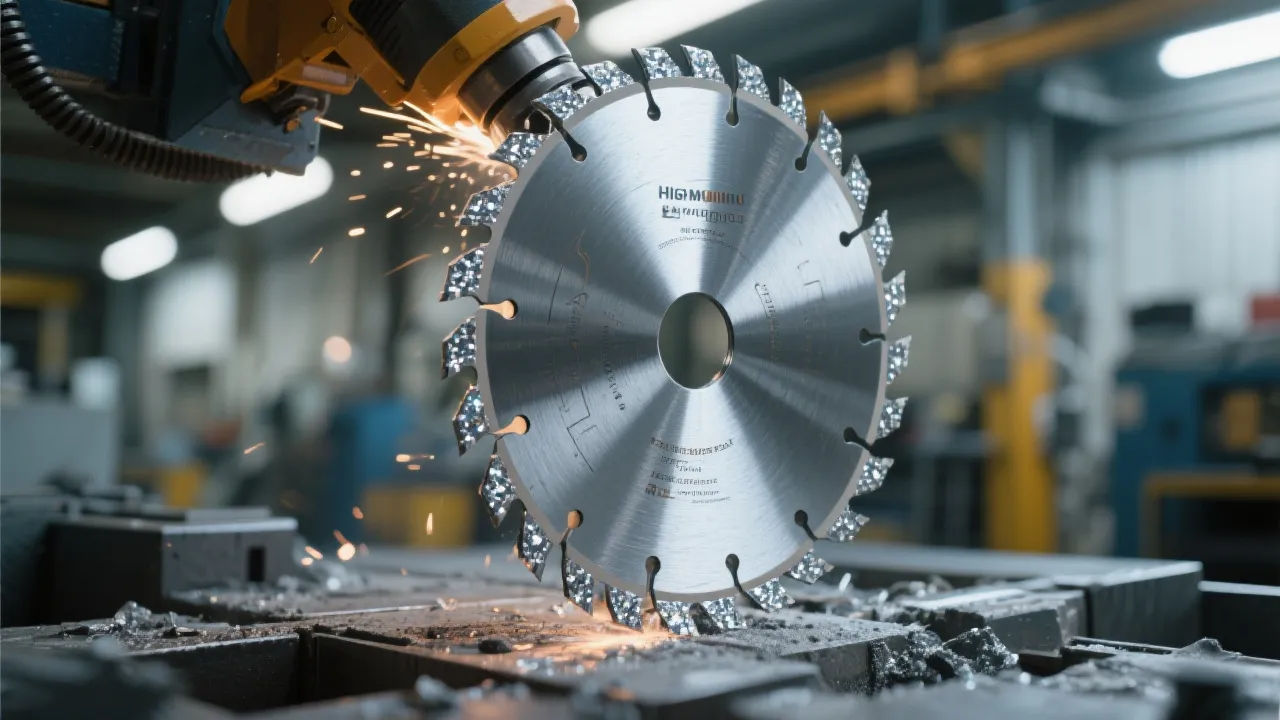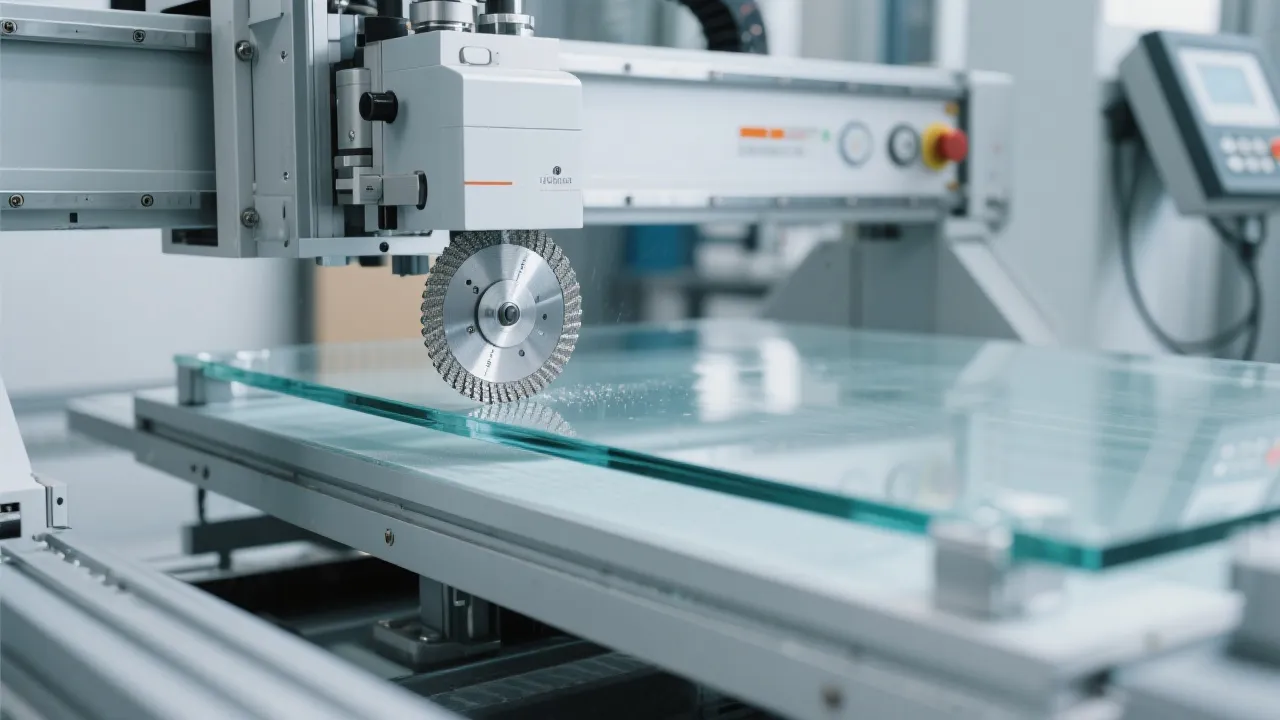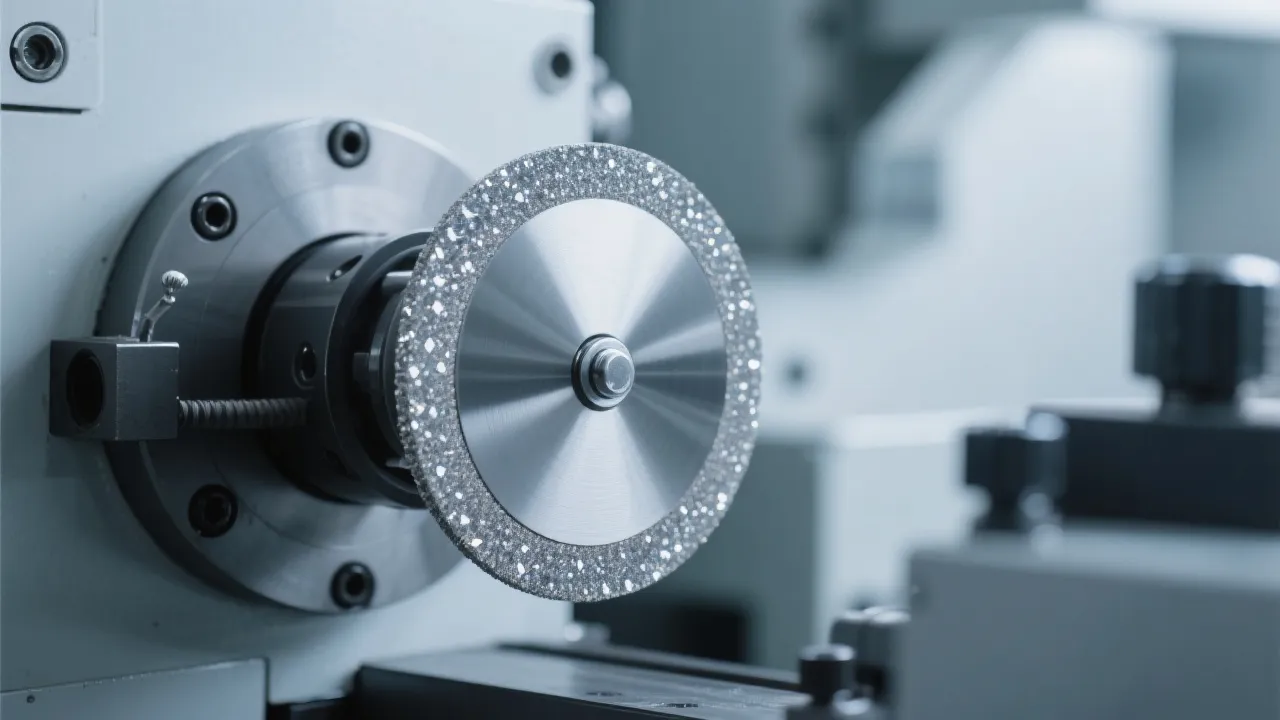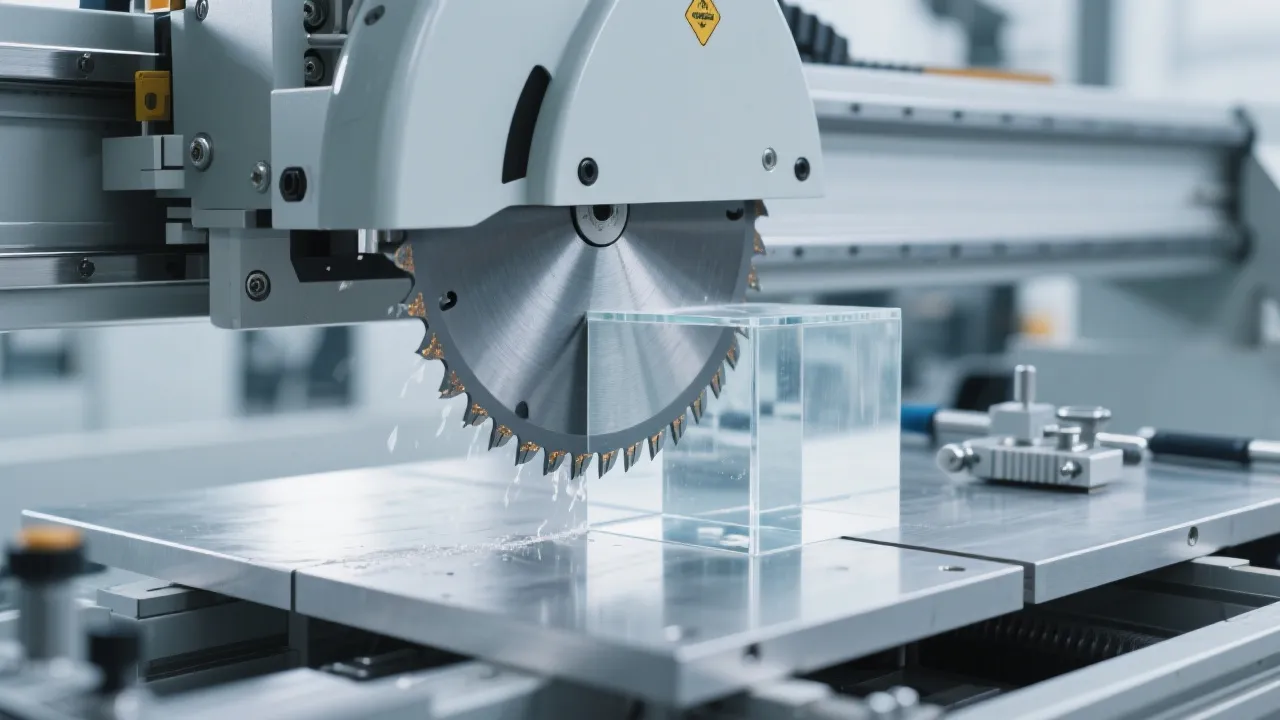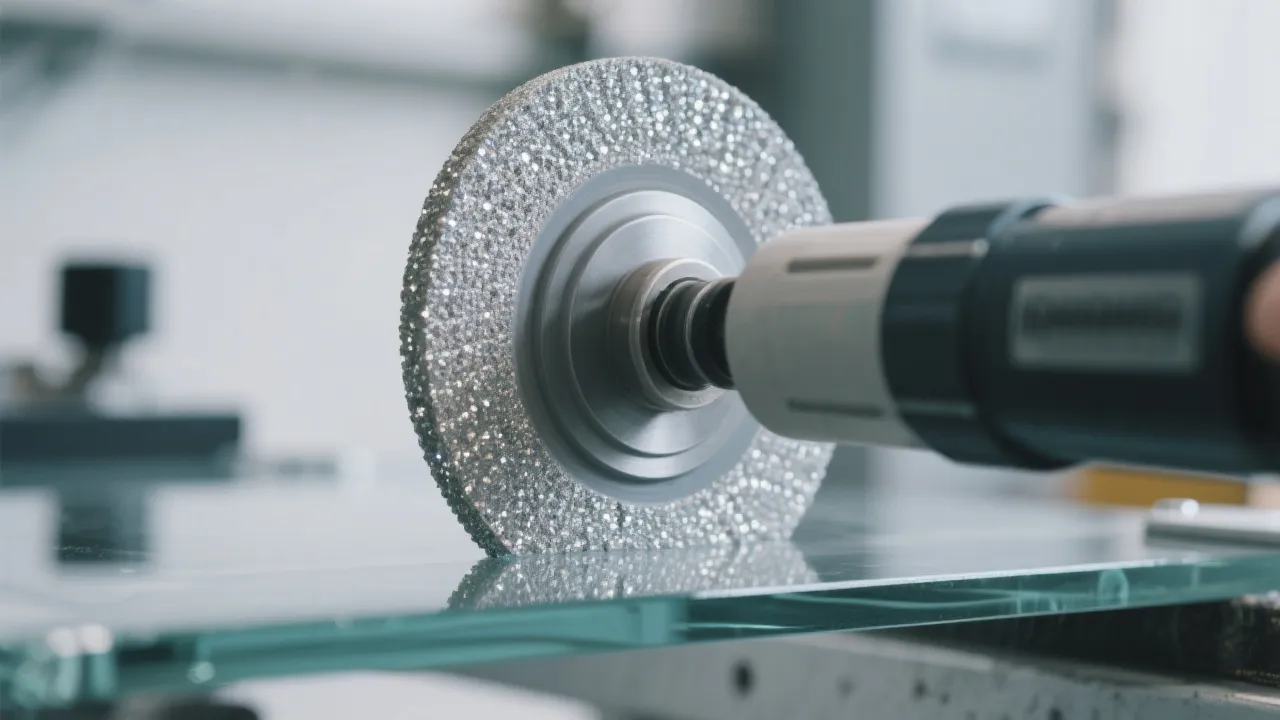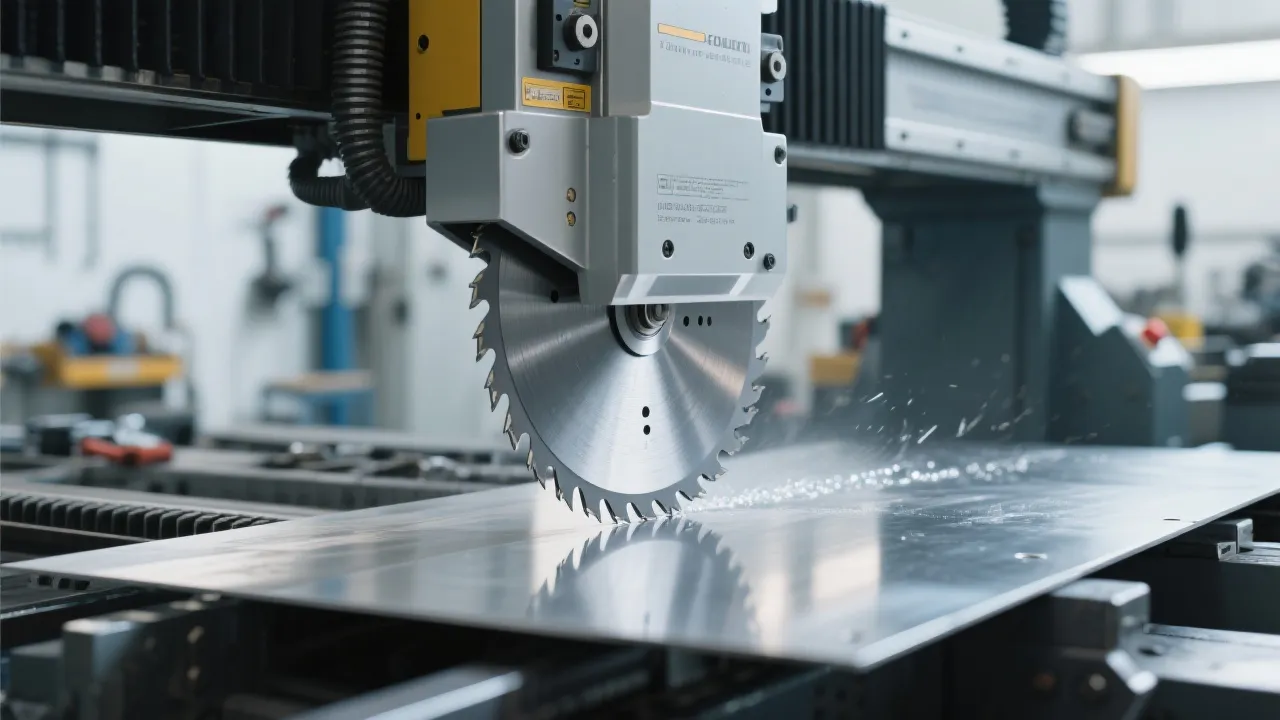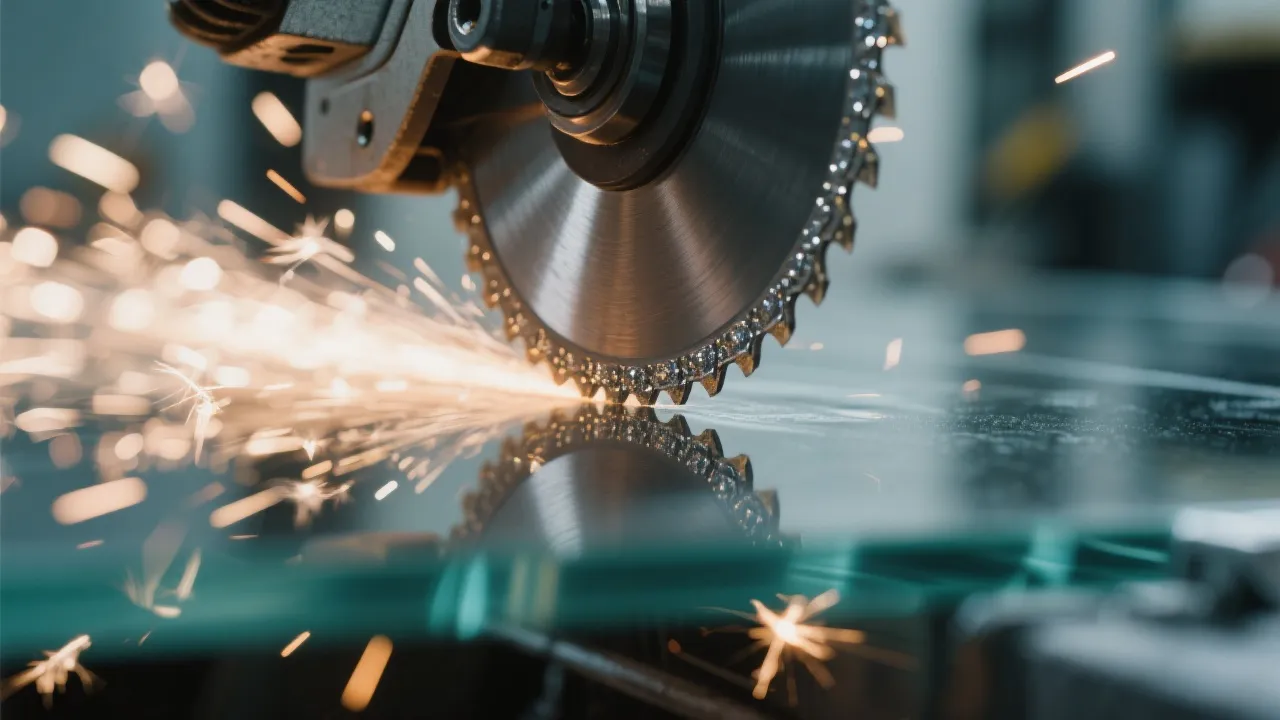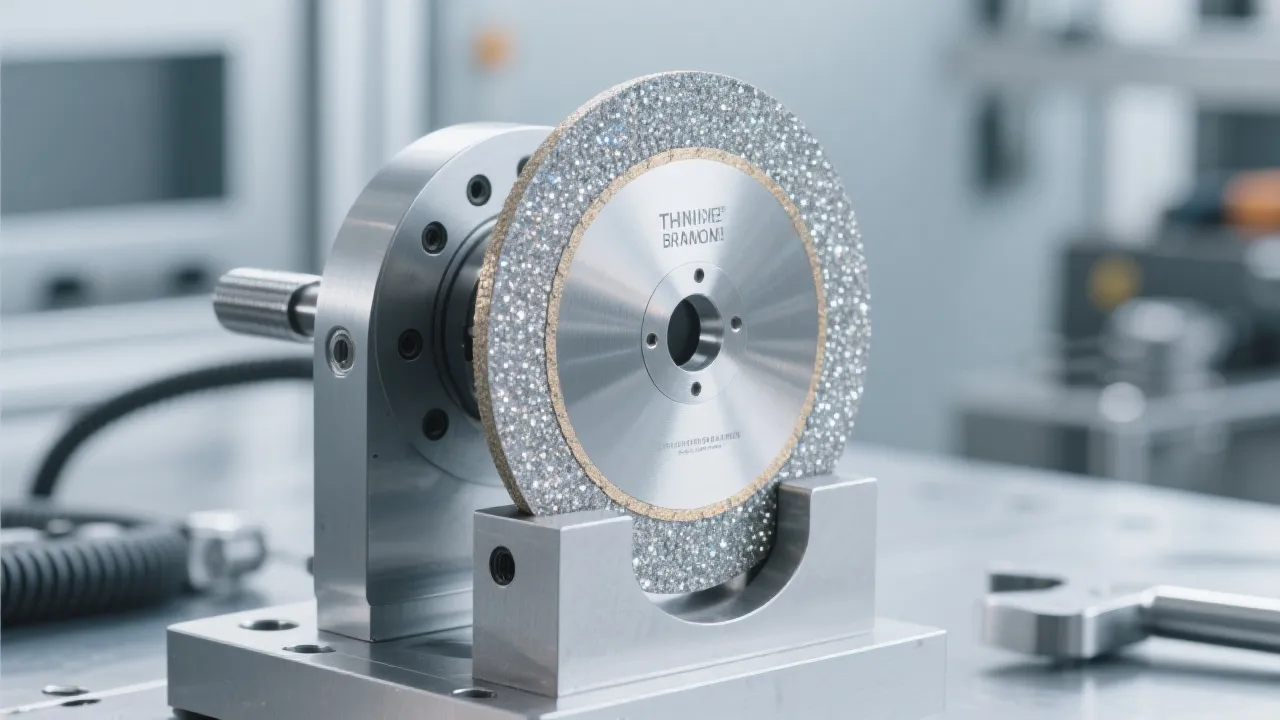
In ceramic and stone shops, a common complaint is not “the blade is bad,” but “the blade got slow too soon.” In many cases, cutting performance drops long before the high-precision brazed diamond blade is truly at end-of-life. The difference usually comes down to maintenance discipline: installation accuracy, cleaning routines, cooling control, and load management. When these are handled scientifically, users often see 20–40% longer usable life in real production conditions, plus better surface finish and fewer unexpected stops.
Brazed diamond blades are designed for sharp, efficient cutting, but their cutting layer is sensitive to thermal shock, side load, and bond fatigue. The goal of maintenance is simple: keep cutting conditions stable so diamond exposure stays consistent and the brazed interface is not overheated or mechanically stressed.
If feed pressure rises noticeably while RPM stays the same, the blade is usually loading up (glazed debris on the cutting edge), suffering from insufficient cooling, or running with installation runout. Address those first before assuming the blade is worn out.
Poor installation quietly destroys cutting efficiency. Even small radial or axial runout increases micro-chipping and concentrates heat on one side of the rim. In practice, shops that reduce runout often see more stable kerf, lower motor load, and fewer edge defects on ceramic tiles.
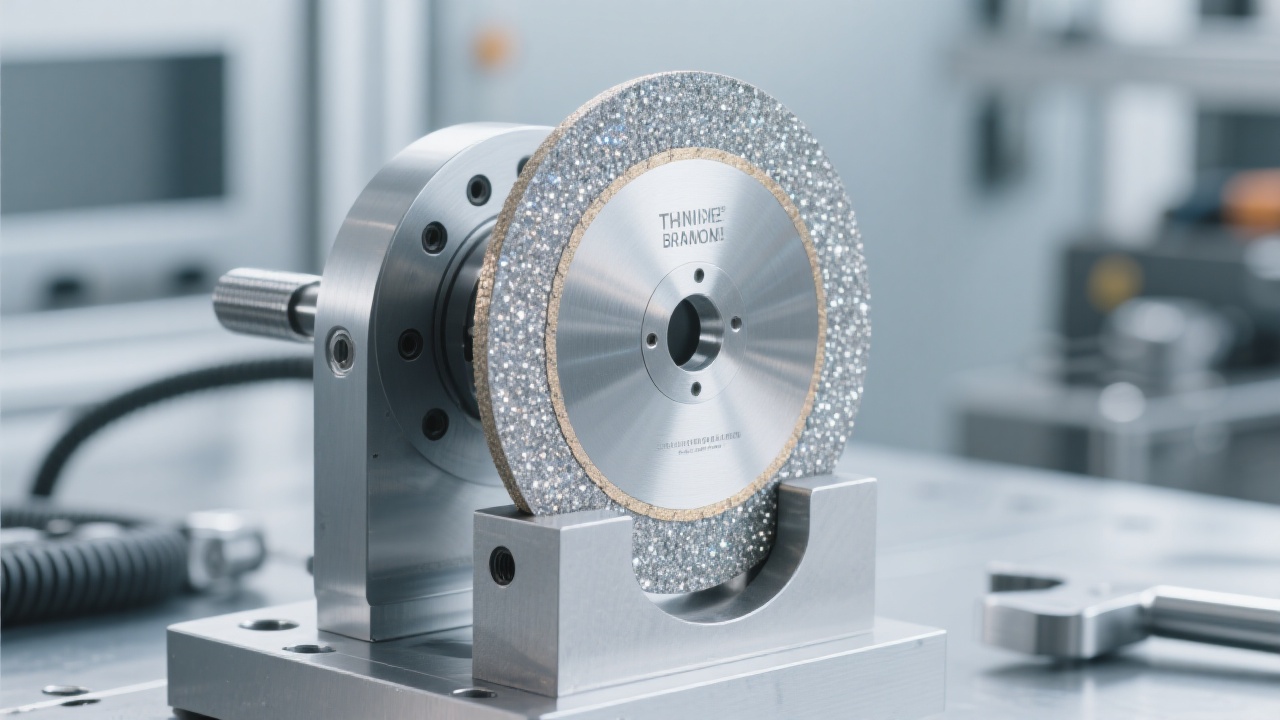
For teams training new operators, one simple rule reduces failures: never use the blade to “correct” misalignment. If the workpiece or guides are off, side force will do more damage than a full day of normal cutting.
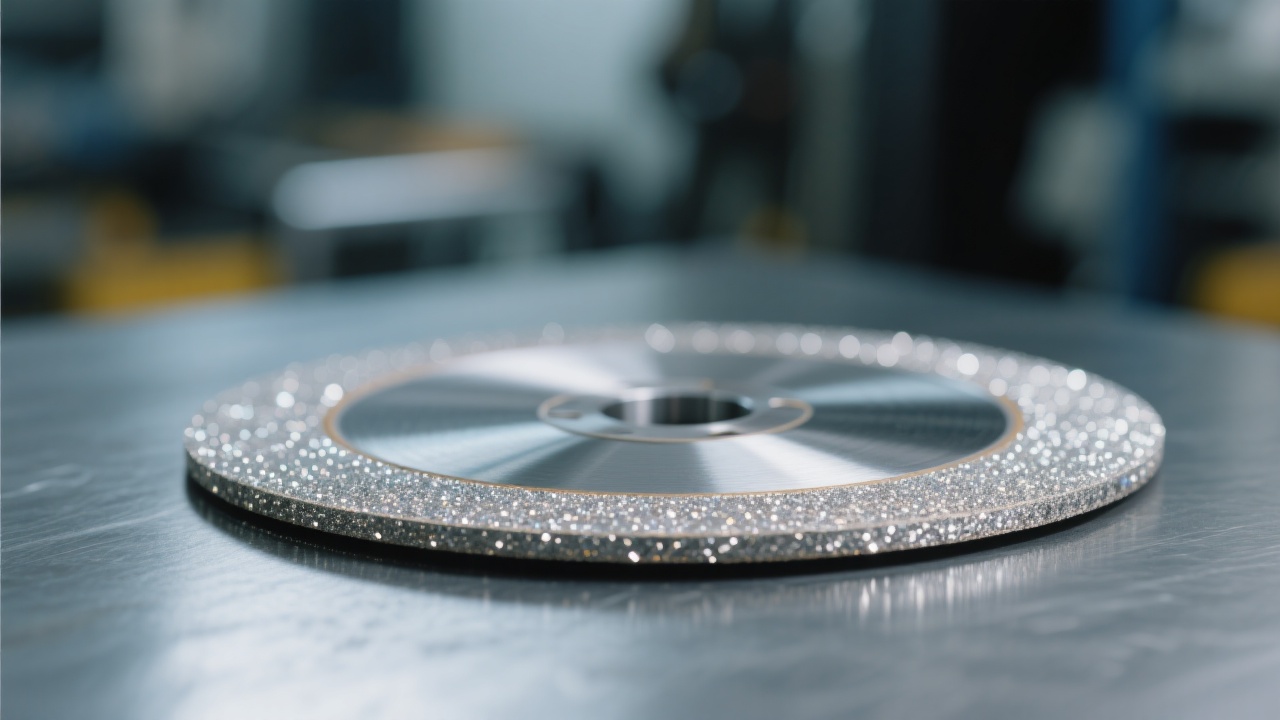
Ceramic and engineered stone generate fine particles that can pack onto the rim and around the diamond exposure area. This “loaded” layer increases friction and heat, and operators respond by pushing harder—exactly what accelerates wear and can trigger rim micro-cracks.
A useful internal KPI is amps per cut (or power draw per meter). If power climbs while output stays the same, cleaning and dressing generally recover performance faster than replacing the blade.
Brazed diamond blades cut aggressively, which also means they generate localized heat quickly. Without stable coolant flow, the rim can experience rapid temperature swings. Thermal cycling is a known contributor to heat checking and premature loss of cutting consistency.
Note: exact values depend on machine type, RPM, material, and blade diameter. These are practical shop references, not universal limits.
One field-proven improvement is simply moving the nozzle so coolant actually hits the rim at the cut. Many shops “have water,” but it lands on the guard or misses the contact zone, which changes nothing about temperature at the cutting edge.
Overload is not only about speed. It includes aggressive feed, incorrect RPM, side pressure from poor guiding, and long continuous cuts without allowing heat to dissipate. A controlled load keeps diamond cutting, not rubbing.
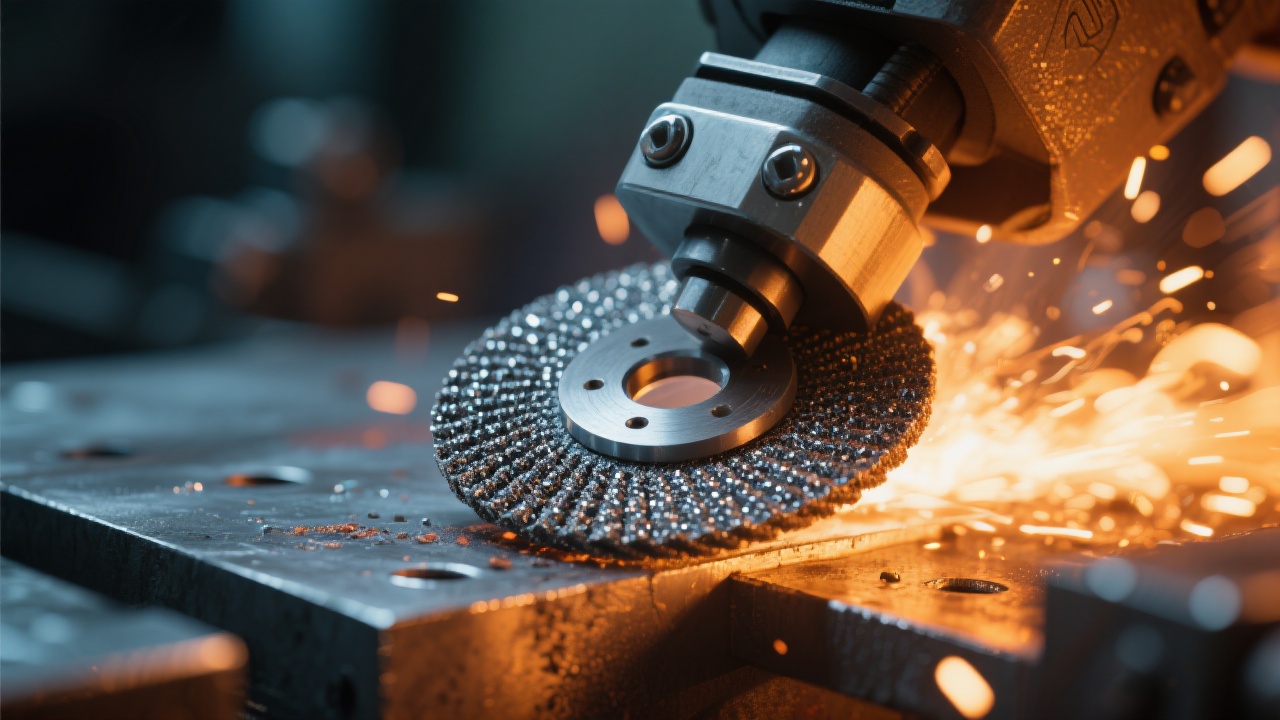
In many ceramic lines, a modest reduction in feed pressure can reduce blade temperature spikes significantly and improve consistency. Plants that monitor spindle load commonly report fewer blade-related stoppages when operators are trained to keep cutting “smooth,” not “fast at any cost.”
This checklist is designed for maintenance leads and line operators. It helps turn blade-life theory into daily behavior—especially useful for multi-shift operations.
In B2B cutting operations, the “cost” of a blade is rarely the blade alone—it includes downtime, inconsistent quality, rework, and operator time. UHD focuses on stable, high-precision brazed diamond blades for demanding applications such as ceramic cutting, and backs that with practical guidance on setup, cooling, and process stability. When users match the blade to the material and maintain it properly, the payoff is typically seen as more meters per shift, cleaner edges, and fewer unexpected blade changes.
Share your material type, machine model, blade diameter, and current pain points (burning, chipping, slow cuts). UHD can help map a practical maintenance and operating routine to increase consistency and extend service life.
Explore UHD brazed diamond saw blades for ceramic cutting & maintenance supportTechnical note for buyers: always validate RPM compatibility, machine guarding, and coolant system capability before changing blade specifications.
.png?x-oss-process=image/resize,h_1000,m_lfit/format,webp)


.png?x-oss-process=image/resize,h_1000,m_lfit/format,webp)