6 Maintenance Tips to Extend Brazed Diamond Saw Blade Life by 40%+
20 03,2026
Tutorial Guide
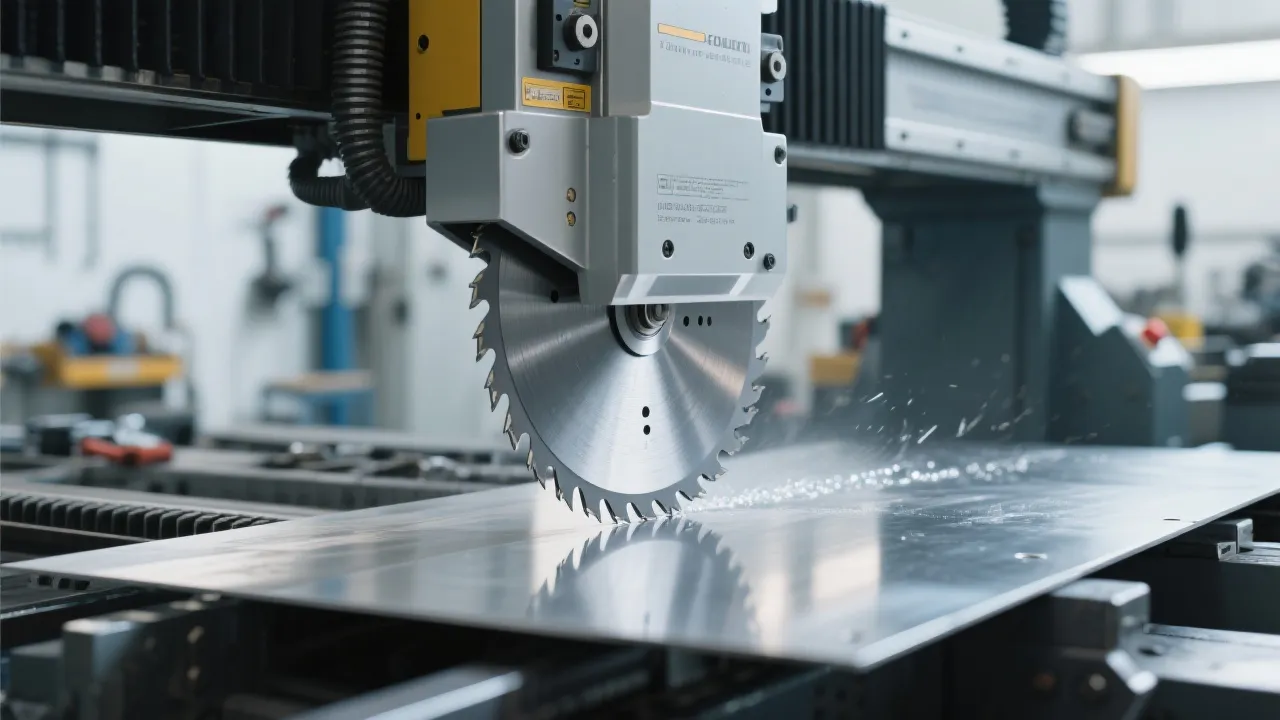
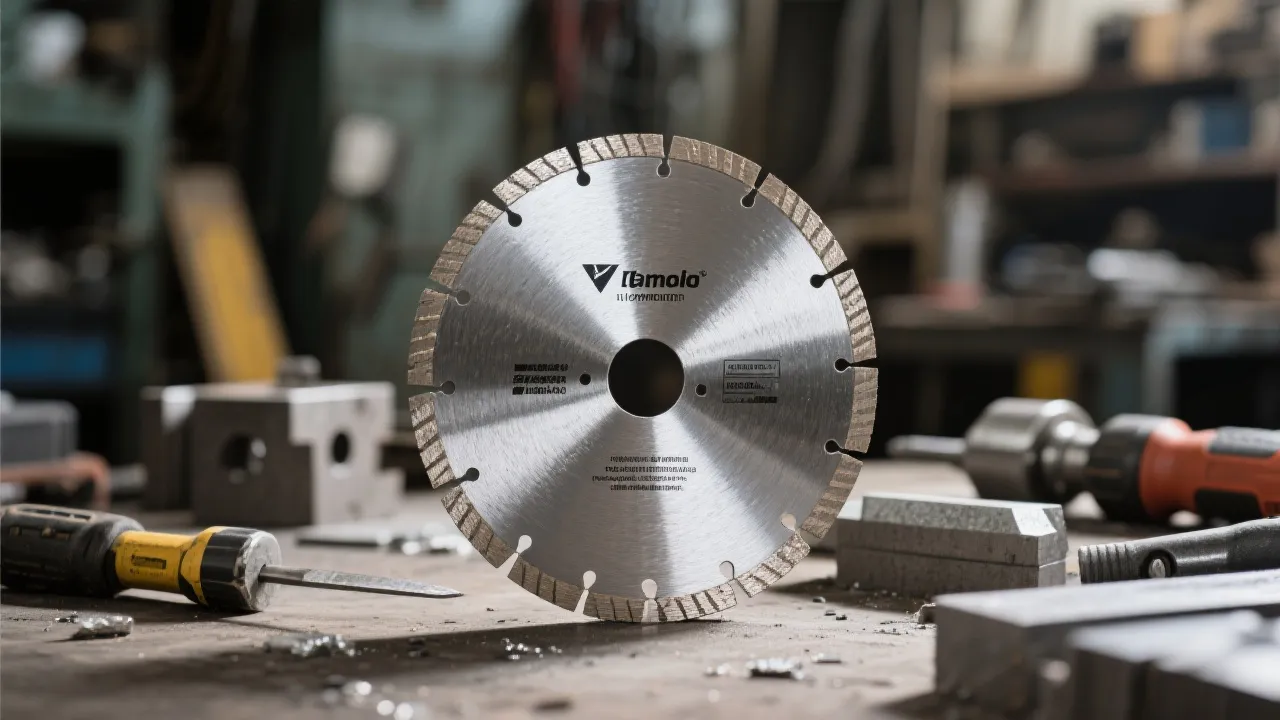
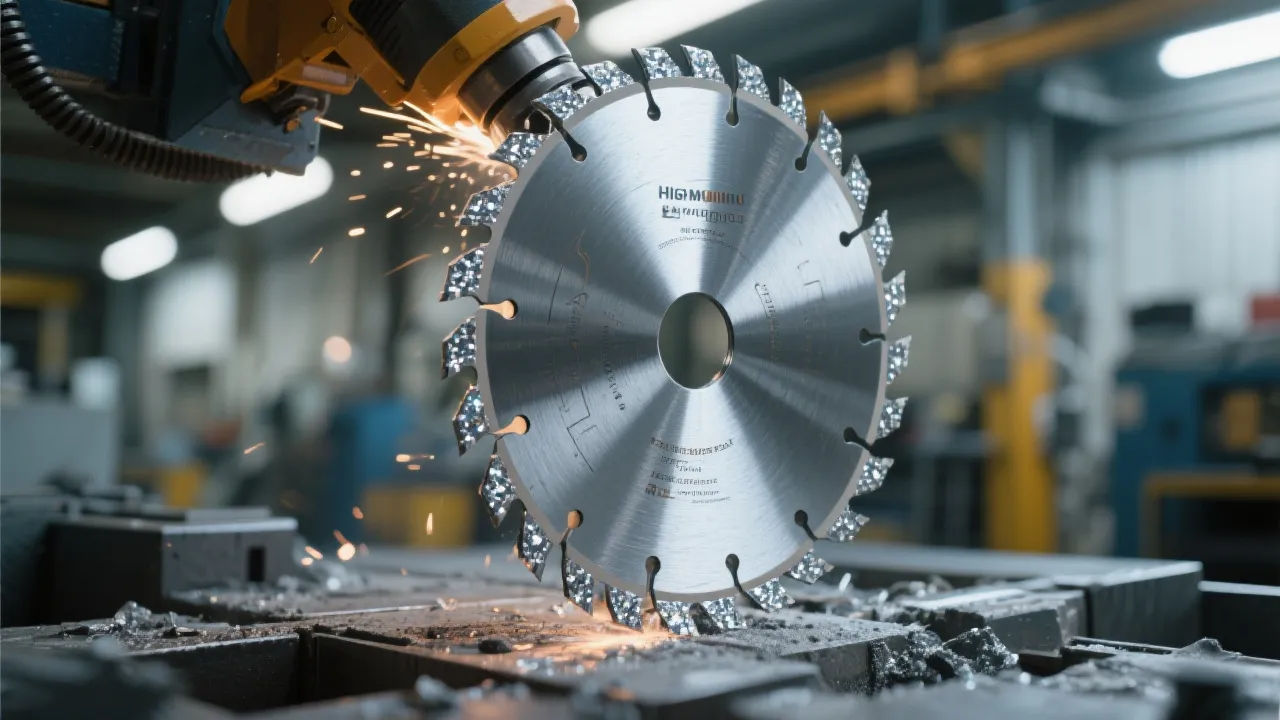
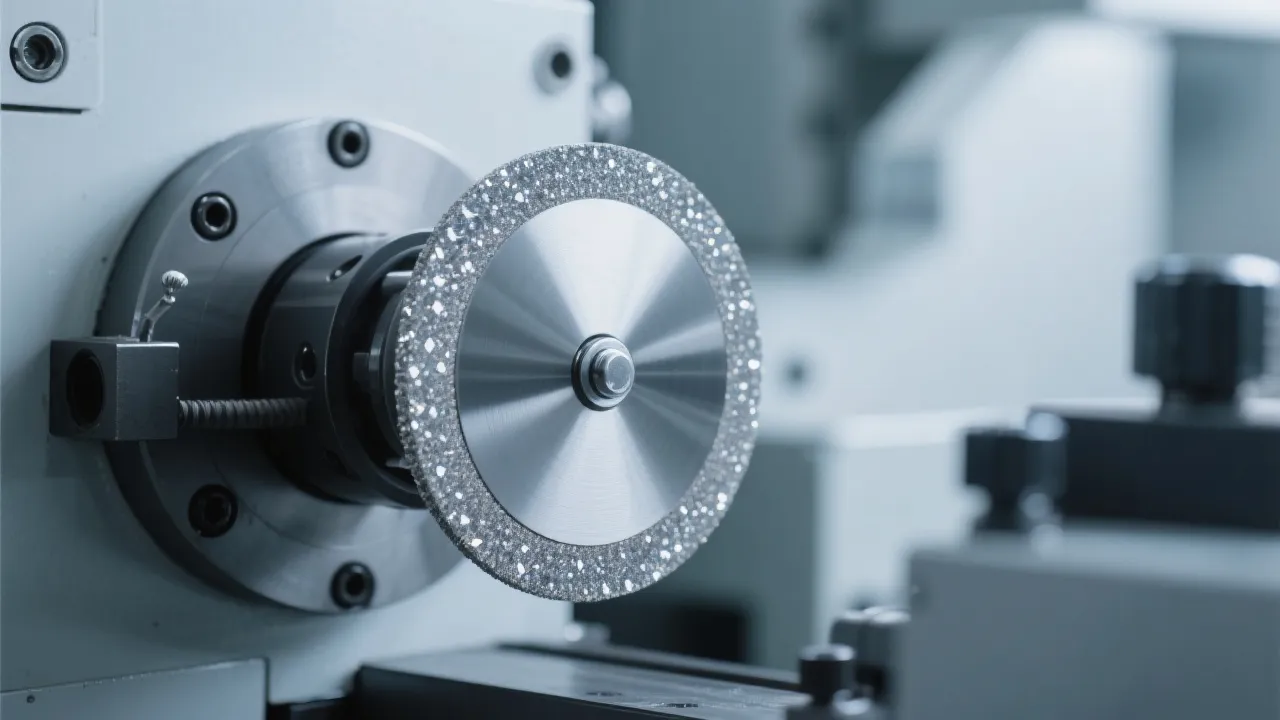
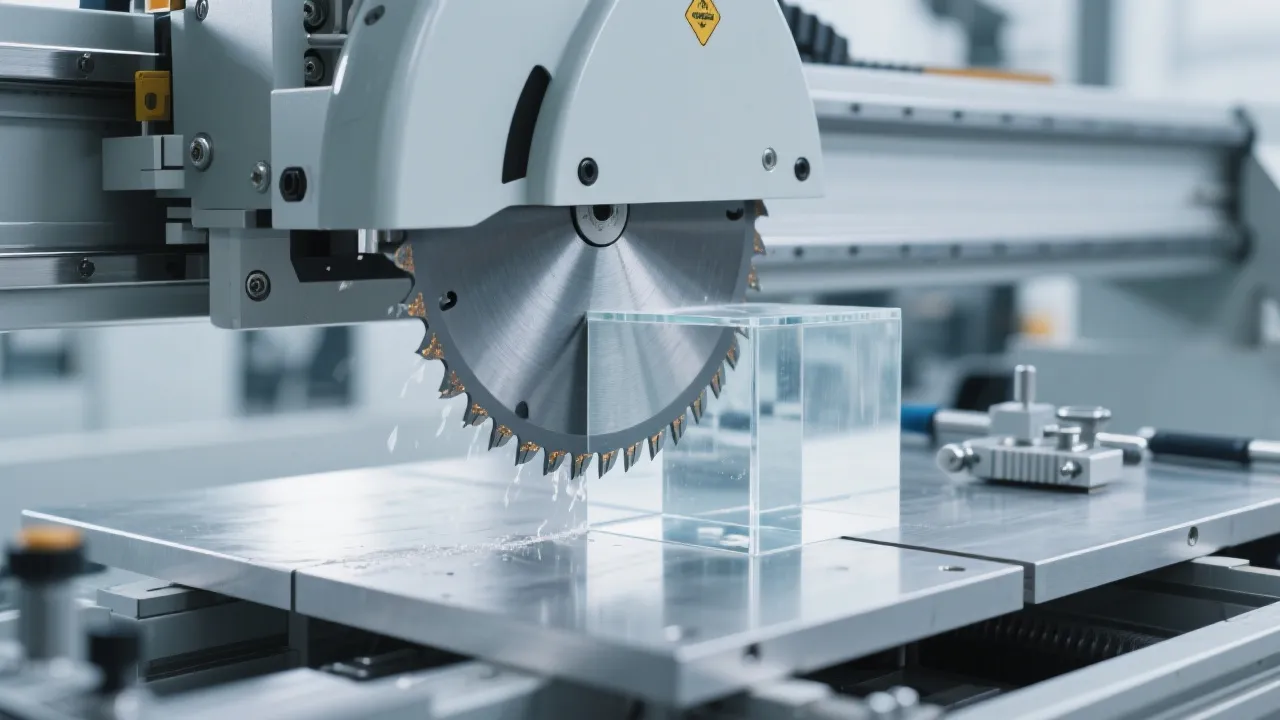
Frequent diamond saw blade replacement is rarely “normal wear”—in most cases, it traces back to daily maintenance and operating mistakes. This guide focuses on high-precision brazed diamond saw blades and breaks down six practical actions you can apply immediately: correct installation, scheduled tooth-gullet cleaning, optimized cooling and lubrication, overload avoidance, balance checks, and timely replacement of worn parts. With a clear cause-and-effect logic for each step, you’ll reduce heat damage, improve cutting stability, and achieve longer, more consistent blade life—often 40% or more when maintenance is standardized. Includes visual comparison prompts (correct vs. incorrect mounting, healthy vs. worn tooth profile) and a printable checklist to help you run safer, cleaner, more efficient cutting—so every cut is more productive and less stressful, and you can say goodbye to frequent changeouts for long-term stable production.
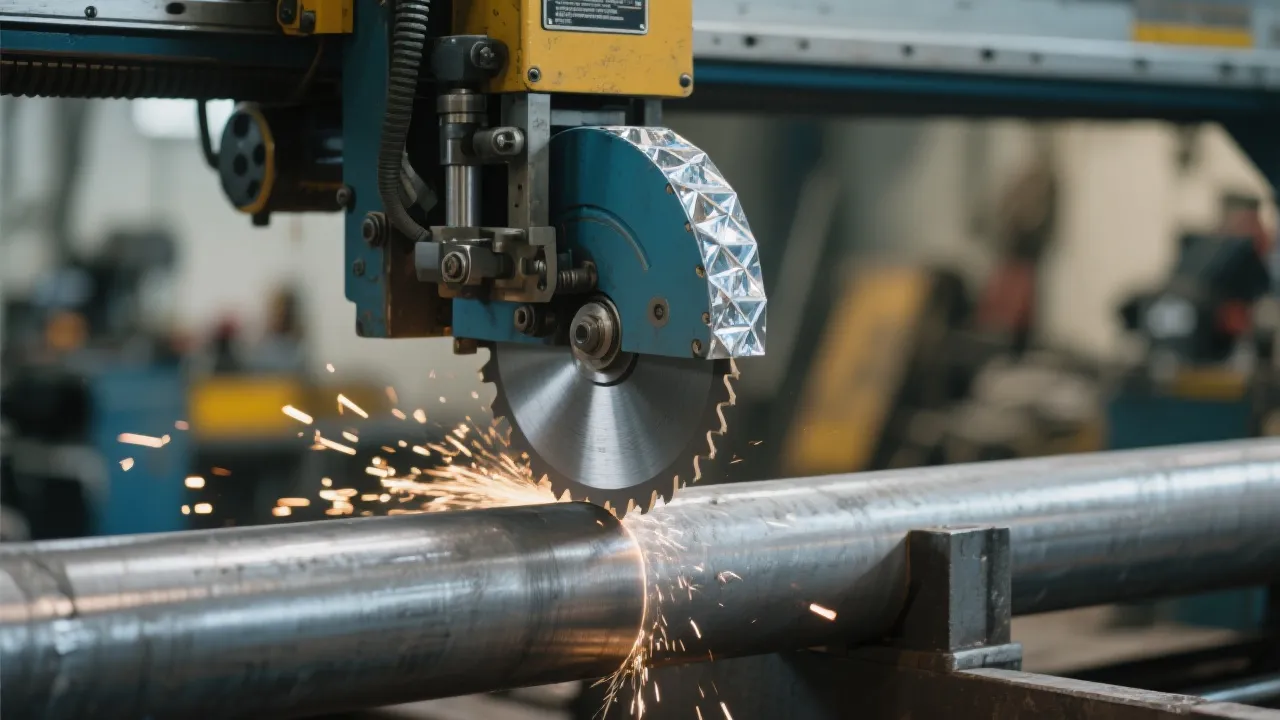
Diamond Blade Wearing Out Too Fast? In Most Shops, It’s Not the Blade—It’s the Routine
If you’re replacing a high-precision brazed diamond saw blade more often than planned, you’re not alone. Across stone and tile cutting lines, the most common root cause isn’t “bad diamonds”—it’s small, repeated maintenance misses that quietly accelerate heat damage, glazing, imbalance, and segment loss.
This guide gives you six practical maintenance actions you can apply today—designed to help you extend blade life by 40%+ in real production environments when combined with correct parameters. The goal is simple: make every cut more efficient and worry-free, reduce changeover downtime, and say goodbye to frequent replacements and move toward long-term stable production.
What “Short Blade Life” Usually Means (and Why It Costs More Than You Think)
When a diamond blade “dies early,” it rarely fails all at once. More often you see a slow decline: cut speed drops, kerf widens, chipping increases, motor load rises, and operators start pushing harder—creating a loop that overheats the rim and reduces diamond exposure.
Reference data you can use for internal justification
In many tile/stone shops, blade-related downtime (change + re-alignment + first-piece check) typically runs 10–25 minutes per event. If a line changes blades twice a week, that’s roughly 17–35 hours of lost cutting time per year—before counting scrap from chipping or rework. Extending blade life by 40% can often convert directly into fewer stoppages and a steadier cut quality curve.
Six Maintenance Actions That Actually Extend Diamond Saw Blade Life
Treat the list below as a cause-and-effect chain. Each step prevents a specific failure mode (heat micro-cracking, glazing, segment fatigue, runout, or uneven wear). If you only do one or two, you’ll get partial results; if you do all six, you typically stabilize performance across the entire blade lifecycle.
1) Install it like a precision part (not a consumable)
Incorrect installation is one of the fastest paths to runout and vibration, which causes uneven diamond wear, edge chipping, and premature segment fatigue. Your objective is stable concentric rotation with clean contact surfaces.
- Clean the flange faces and arbor bore; remove resin, rust, and grit (a thin contaminant layer can create measurable wobble).
- Match the rotation direction marking and confirm the blade seats fully against the flange.
- Tighten evenly; avoid over-tightening that can distort the core.
Why it works: reduced runout lowers cyclic stress at the brazed joint and keeps the rim temperature more uniform—two conditions strongly linked to longer blade life.
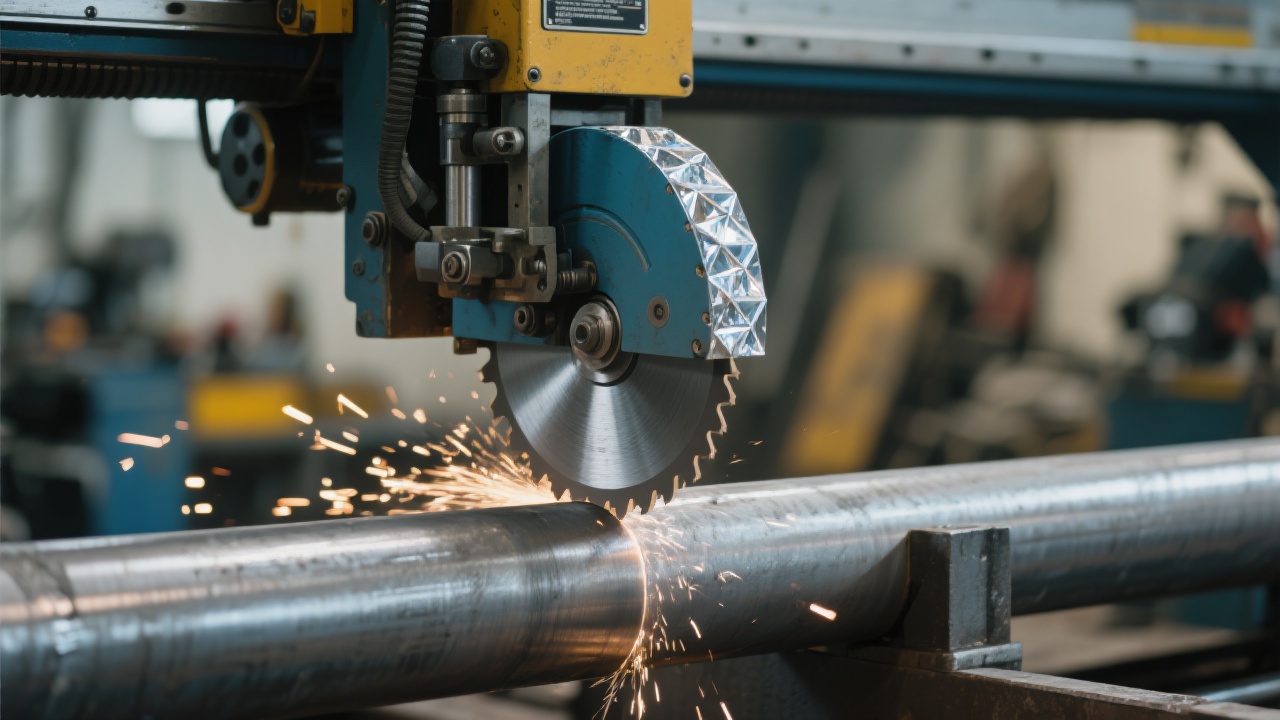
2) Set a realistic cleaning frequency for the tooth/rim area
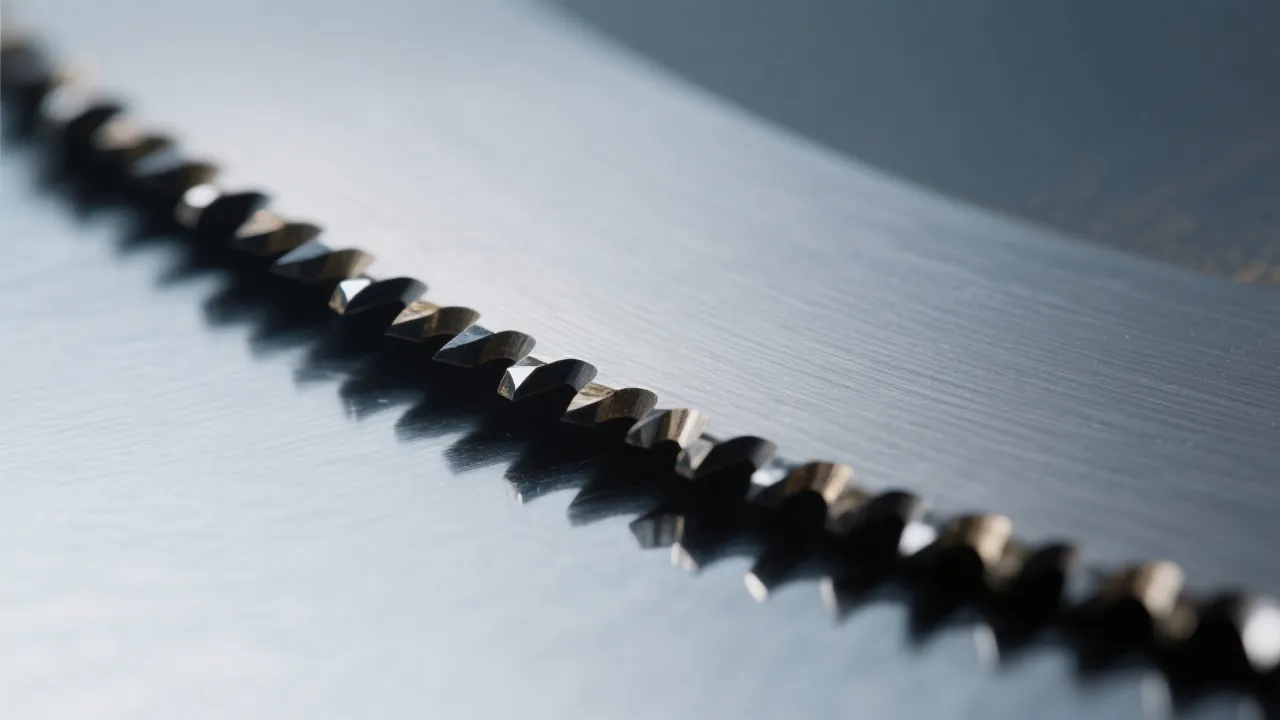
Brazed diamond blades cut efficiently when diamonds are exposed and the chip flow stays open. But on ceramics, engineered stone, and some dense materials, micro-slurry and binder residues can pack the cutting edge. The blade starts “rubbing” instead of cutting, which skyrockets heat.
Practical rule: if you notice slower feed at the same settings, higher noise, or more edge chipping, clean/condition the rim immediately—don’t wait for the next scheduled change.
- Use approved methods for your process (wet cleaning, gentle brushing, or controlled dressing on a suitable dressing stone if applicable).
- Avoid aggressive metal scraping that can damage the brazed structure.
Why it works: reducing glazing restores cutting action, lowers friction, and helps prevent heat tinting and micro-cracks in the blade core.
3) Control cooling and lubrication like a process parameter
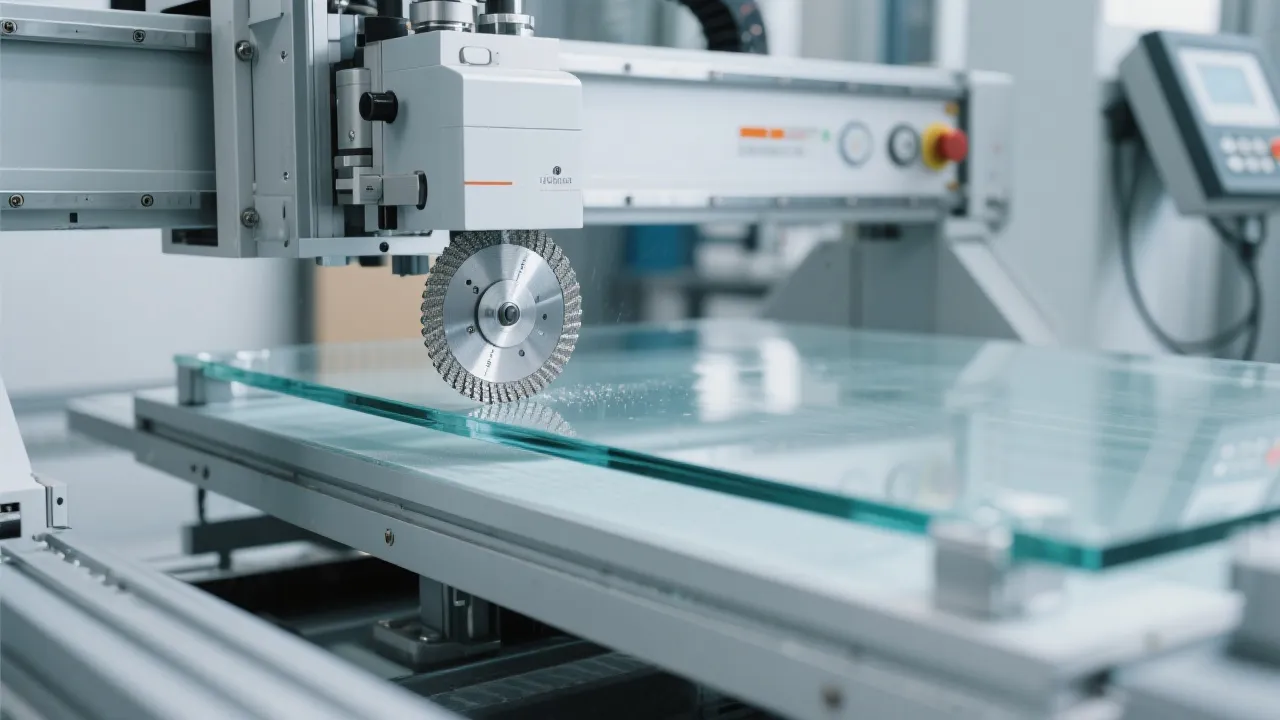
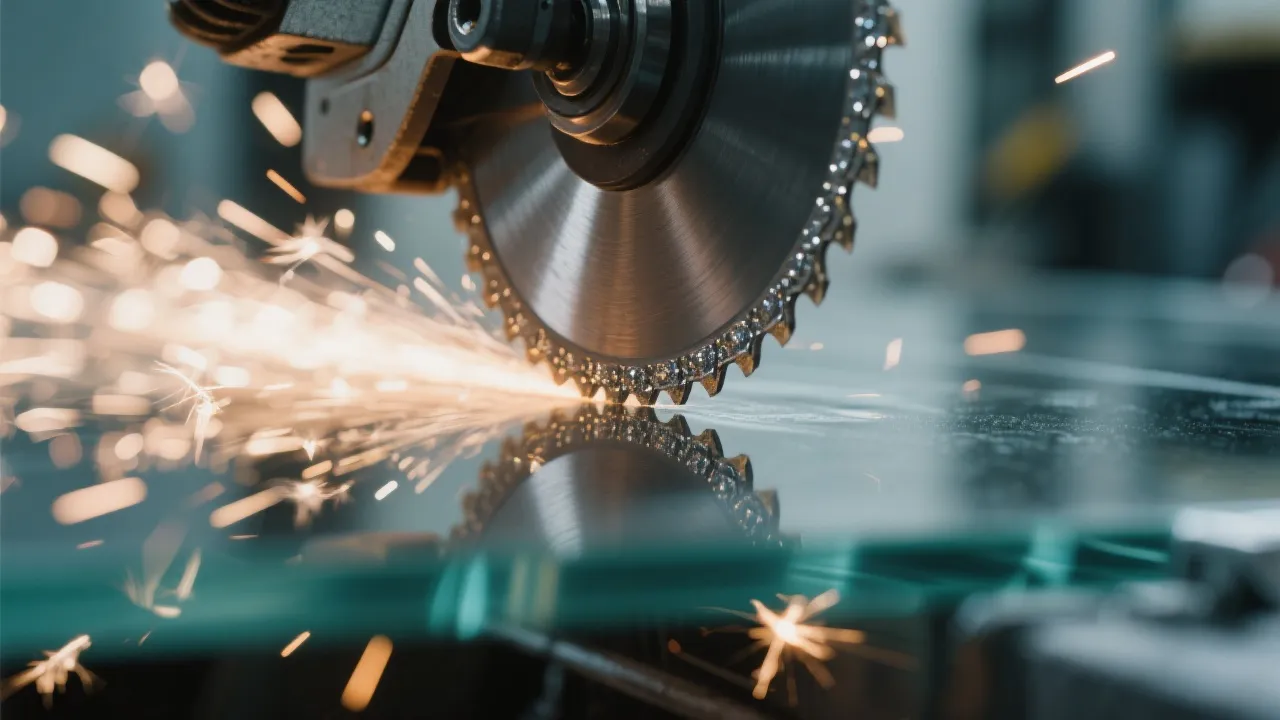
Heat is the universal life-shortener. For diamond blades, excessive heat can soften bonding interfaces, deform the core, and accelerate diamond pull-out. If you’re running wet, treat coolant as a controlled input—not an afterthought.
- Aim the coolant stream precisely at the entry point where the rim meets the material.
- Keep filtration consistent; recirculated coolant with heavy fines increases abrasion and heat.
- Avoid intermittent flow (a common cause of thermal shock and warping).
Why it works: stable cooling reduces rim temperature swings, which improves cut stability and protects the brazed segment interface over long runs.
4) Prevent overload: feed pressure is not a productivity shortcut
When cutting slows, the instinct is to push harder. But overload increases deflection, vibration, and heat—then the blade dulls faster and the cycle repeats. Instead, manage feed rate, depth of cut, and RPM as a matched set.
Operator signal to watch
If motor current rises steadily during the same cut type, you’re likely generating extra friction (glazing, misalignment, or overload). Fix the cause before it becomes core damage.
Why it works: stable load preserves diamond exposure and reduces micro-fracturing at the cutting edge—improving both speed consistency and lifespan.
5) Check balance and runout before it becomes “normal”
Many shops get used to a little vibration—until chipping spikes or segments crack. A simple balance/runout check can prevent weeks of quiet damage. Even a high-quality blade can behave poorly if mounted on worn flanges or a stressed spindle.
| Symptom you see |
Likely mechanical cause |
What to check |
| Chipping increases on one side |
Blade wobble / flange contamination |
Flange faces, arbor seating, runout indicator |
| Uneven segment wear pattern |
Imbalance or spindle issue |
Static balance, spindle bearings, blade flatness |
| Cut speed drops after short runs |
Glazing + heat |
Rim condition, coolant delivery, load settings |
Why it works: imbalance creates repeated stress peaks. Over time, those peaks reduce brazed joint reliability and push the blade into premature retirement.
6) Replace worn components at the right moment (not after they ruin the blade)
A diamond blade often gets blamed for problems caused by upstream wear—especially flanges, bearings, guides, and coolant nozzles. If these parts drift out of spec, even a new blade will wear unevenly and “feel” dull.
- Replace damaged flanges (nicks and burrs are runout generators).
- Service bearings if vibration gradually increases week to week.
- Fix coolant delivery hardware immediately if flow becomes inconsistent.
Why it works: you protect the blade from “secondary damage”—the kind that shortens life even when your cutting parameters are correct.
A Simple Printable Checklist (Use It for Every Blade Change)
Print this and keep it near the saw. It’s designed for fast verification—because maintenance that’s too complicated won’t happen under production pressure.
| Check item |
Target / pass condition |
Frequency |
Status (OK/Action) |
| Flange & arbor cleanliness |
No debris, rust, resin; flat contact |
Every install |
_____ |
| Rotation direction |
Matches arrow marking |
Every install |
_____ |
| Coolant delivery |
Stable flow at entry point; no clogging |
Daily |
_____ |
| Rim/tooth condition |
No glazing; chips cleared |
Per shift / as needed |
_____ |
| Vibration / runout behavior |
No abnormal noise; stable cut |
Weekly |
_____ |
| Machine wear parts |
Flanges/bearings/nozzles within spec |
Monthly |
_____ |
A Realistic Outcome: Why 40% Longer Life Is Achievable
One common pattern we see in production is that the “extra” blade wear isn’t caused by one big mistake—it’s the accumulation of heat spikes (coolant inconsistency), micro-vibration (dirty flanges), and overload (operator compensation). When a shop standardizes installation and adds a simple cleaning + coolant verification routine, it’s realistic to see 30–50% improvement in usable blade life on similar materials, with more stable cut quality throughout the run.
The compounding benefit is operational: fewer emergency changes, fewer first-piece adjustments after changing blades, and less rework from edge defects—exactly the kind of steady output that protects your delivery schedule.
Ready to Upgrade to Long-Life Cutting Stability?
If your priority is cleaner cuts, predictable wear, and fewer unplanned blade changes, choose a blade designed for precision and thermal stability—then support it with the routine above.
Explore UHD brazed diamond saw blades for ceramic & stone cutting
Want a quick diagnosis? Leave a comment with your material type (ceramic/porcelain/granite/quartz), blade diameter, wet or dry cutting, and the symptom you see (glazing, chipping, slow feed). You’ll likely get a more actionable fix within one reply.


.png?x-oss-process=image/resize,h_1000,m_lfit/format,webp)
.png?x-oss-process=image/resize,h_1000,m_lfit/format,webp)