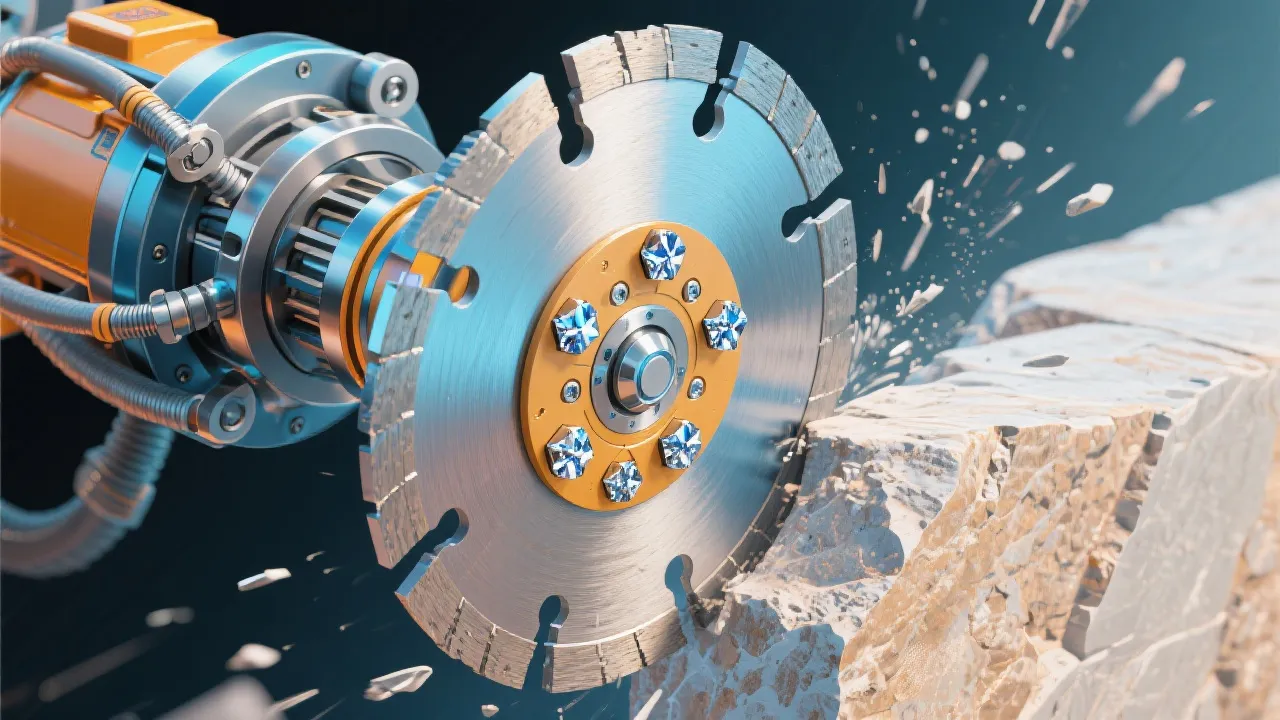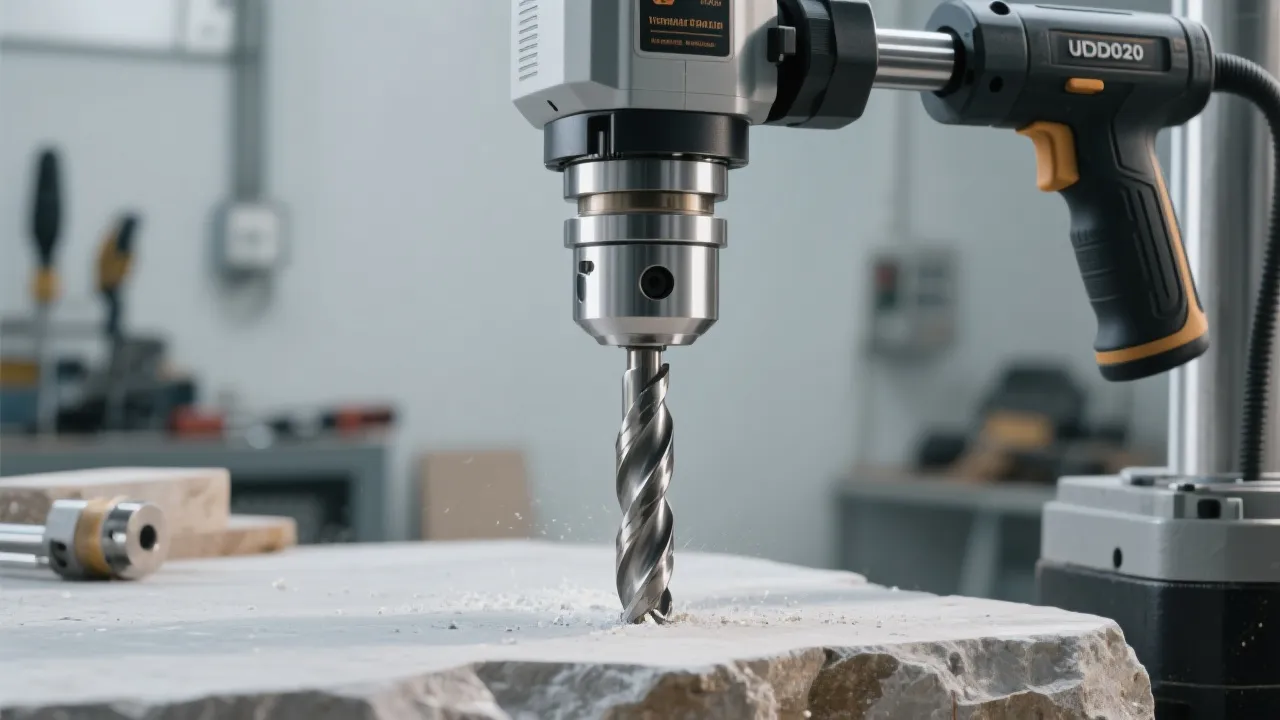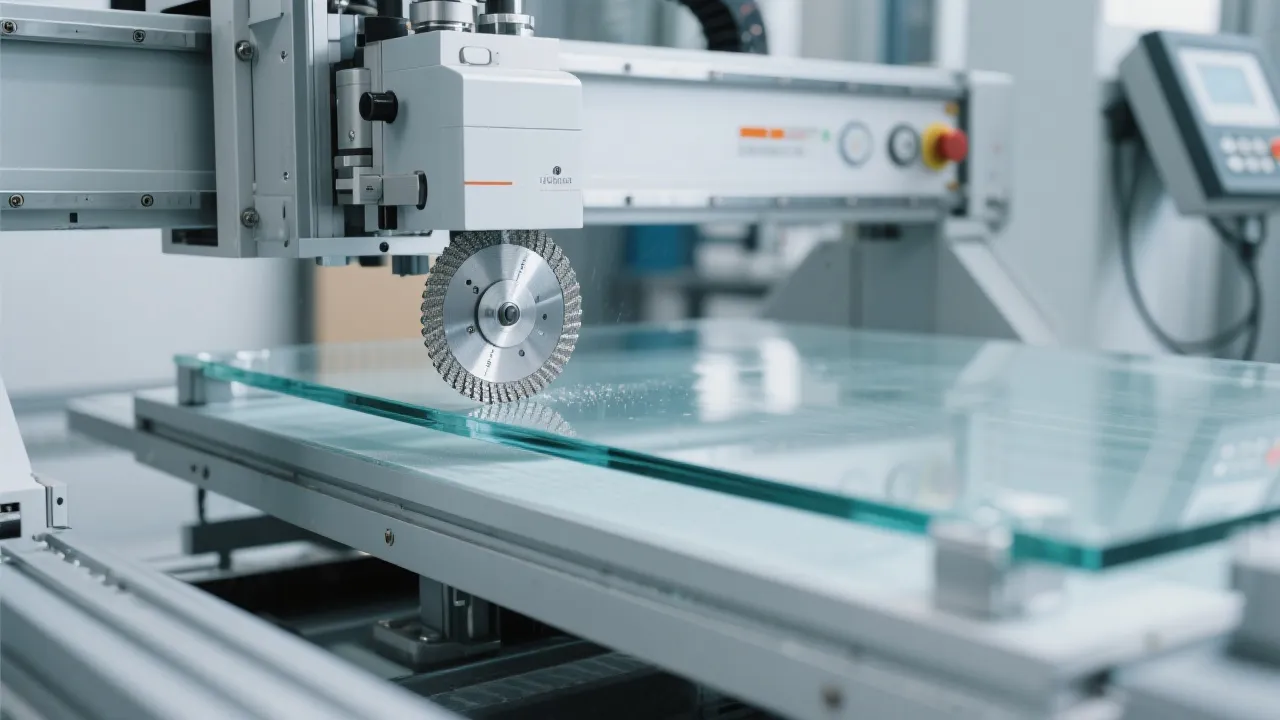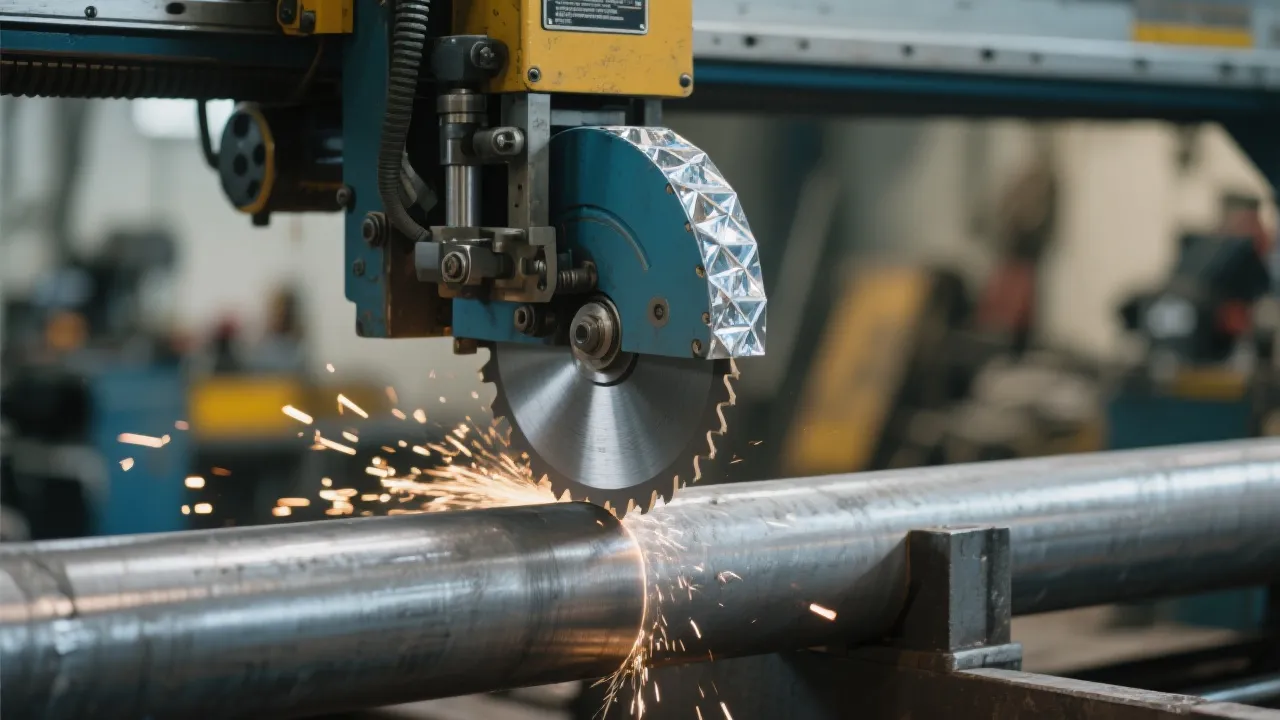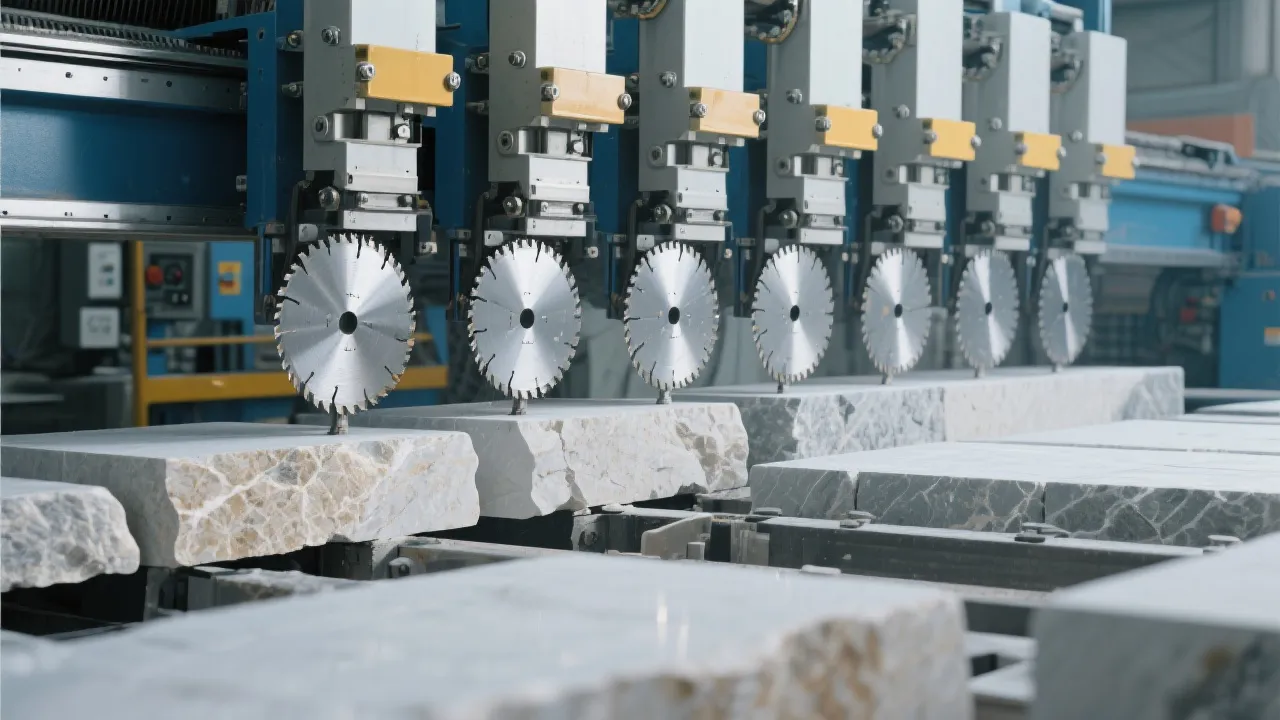
Why does a brazed diamond blade feel “dead” after just a few shifts?
In many tile, stone, and metal-processing workshops, the real cost of a blade is not the blade itself—it’s the downtime, rework, chipping, and operator stress that follow a wrong match between blade design and cutting conditions. This solution guide breaks down the four durability drivers of brazed diamond saw blades—material selection, tooth geometry, core structure, and process control—so engineers and procurement teams can evaluate performance with the same checklist.
Interactive check: Have you experienced rapid dulling, blue burn marks, excessive chipping, or blade wobble within the first week?
For a brazed diamond saw blade, “durability” is not only about hours before replacement. In real production, it’s a bundle of measurable outcomes:
| What buyers see | What it indicates technically | Typical impact (reference) |
|---|---|---|
| Blade gets dull fast | Diamond grade mismatch; weak brazing; wrong tooth form | Throughput drops 15–35% |
| Chipping / edge breakout | Aggressive tooth geometry; unstable core; wrong RPM/feed | Scrap increases 3–12% |
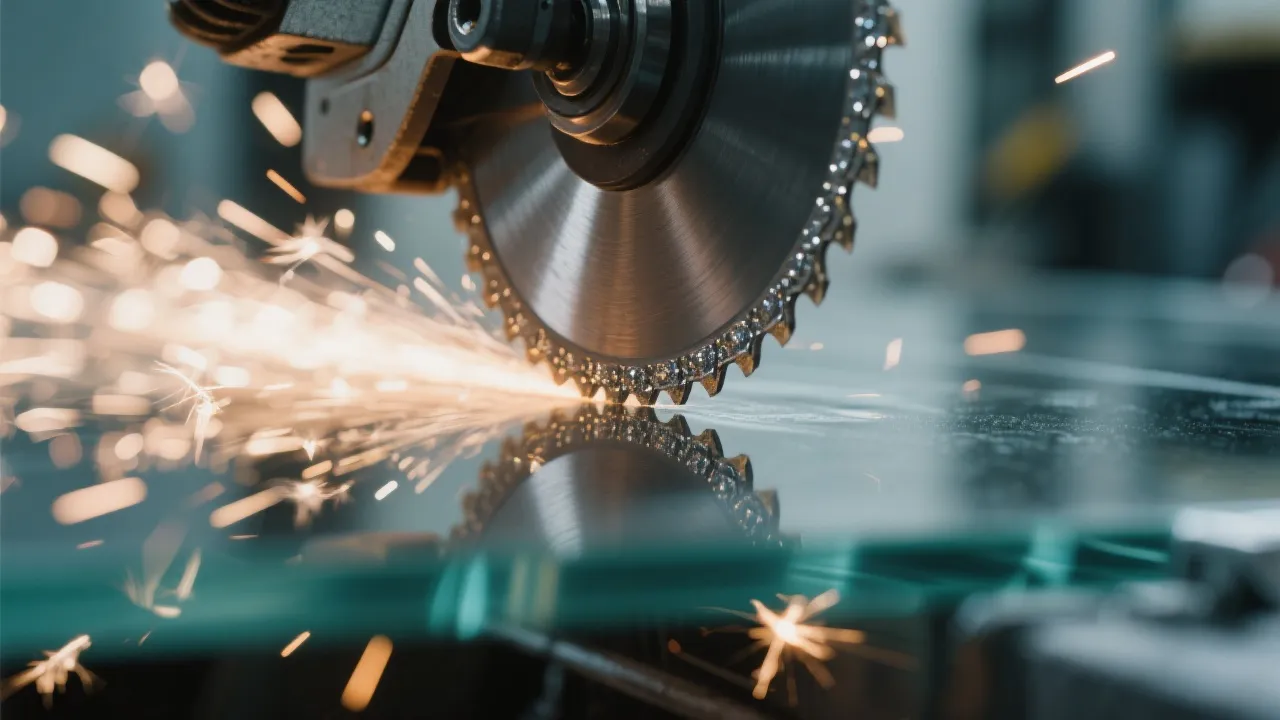
| Burn marks / discoloration | Overheating from friction; poor chip evacuation; inadequate coolant | Blade life −20–45% |
| Vibration / wandering cut | Core stiffness issue; tension imbalance; flange/mounting errors | Accidents and rework risk rises |
A practical way to think about it: diamonds do the work, the tooth shape controls the work, the core stabilizes the work, and the process decides whether those advantages survive heat and shock.
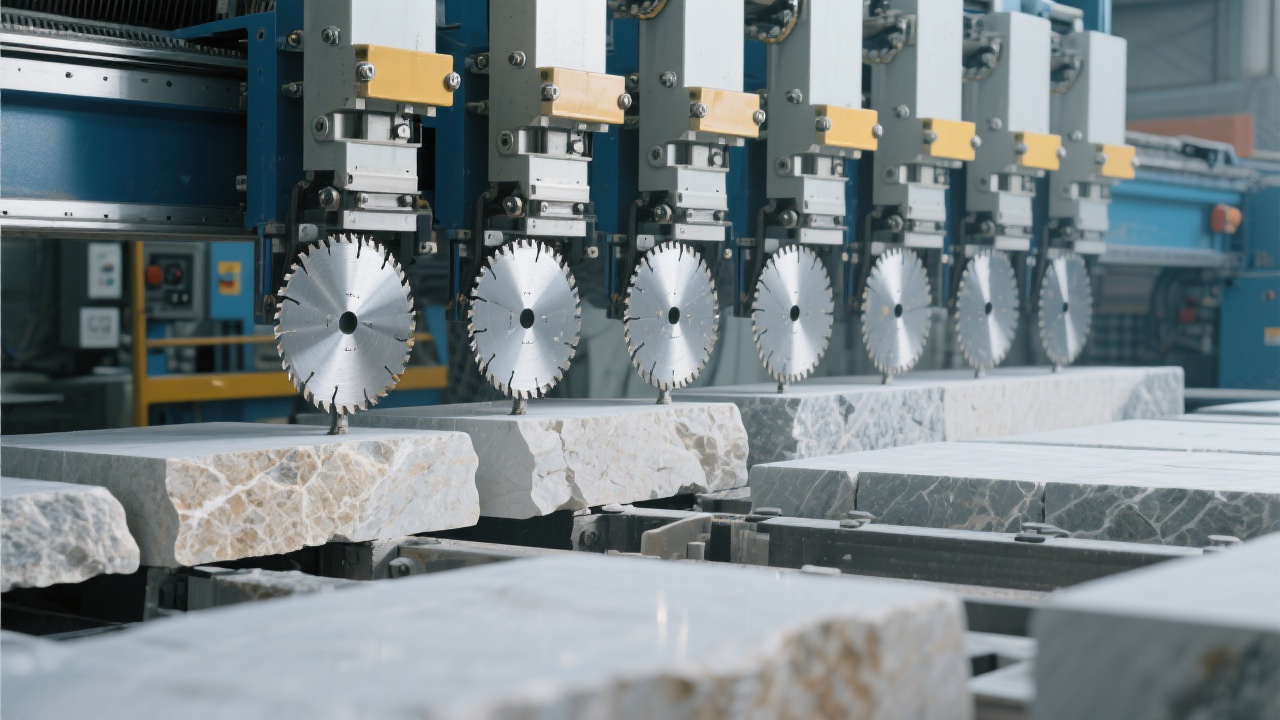
When a brazed blade dulls quickly, many teams blame “diamond hardness” alone. In reality, durability comes from the diamond grade and the bonding stability that keeps each particle anchored under heat and impact.
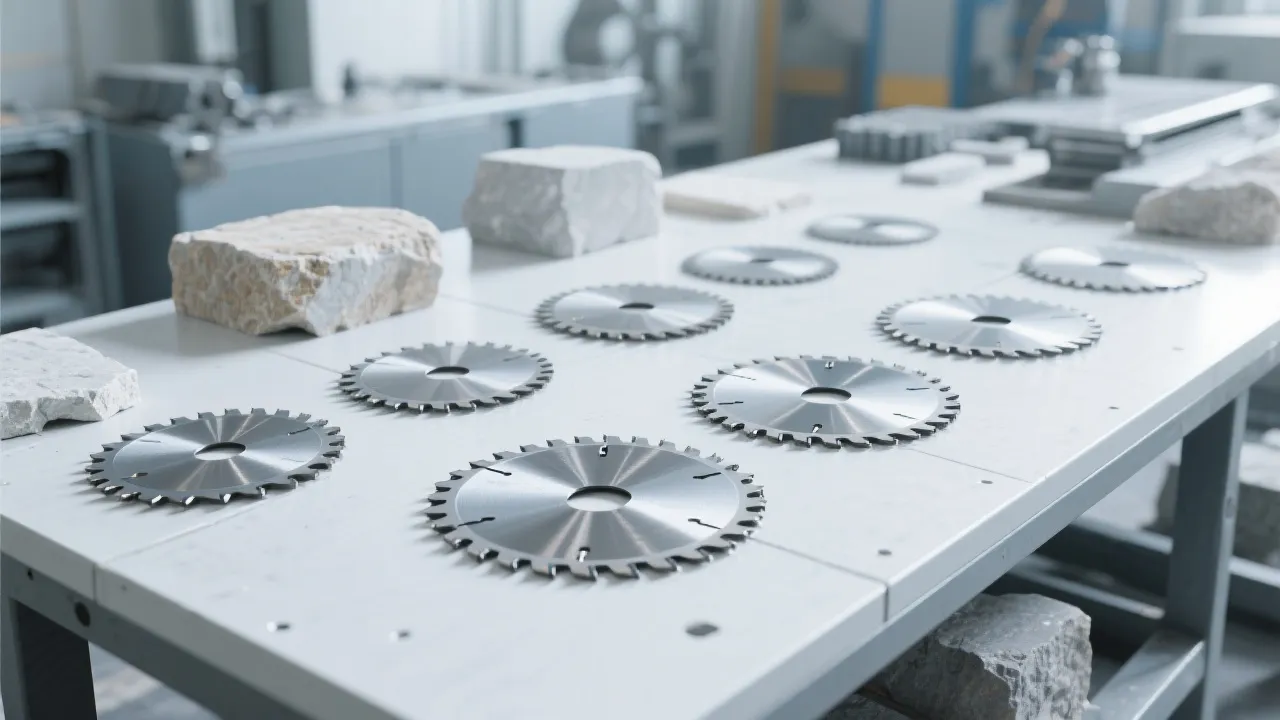
Harder workpieces (porcelain tile, engineered stone, quartz) generally require diamonds that maintain micro-edges longer, while abrasive materials (some soft stones, composites) can strip diamonds if the grade is wrong. A common failure mode is choosing “very hard” diamonds for every job: the cut may start sharp, but thermal shock and micro-fracture can accelerate dulling.
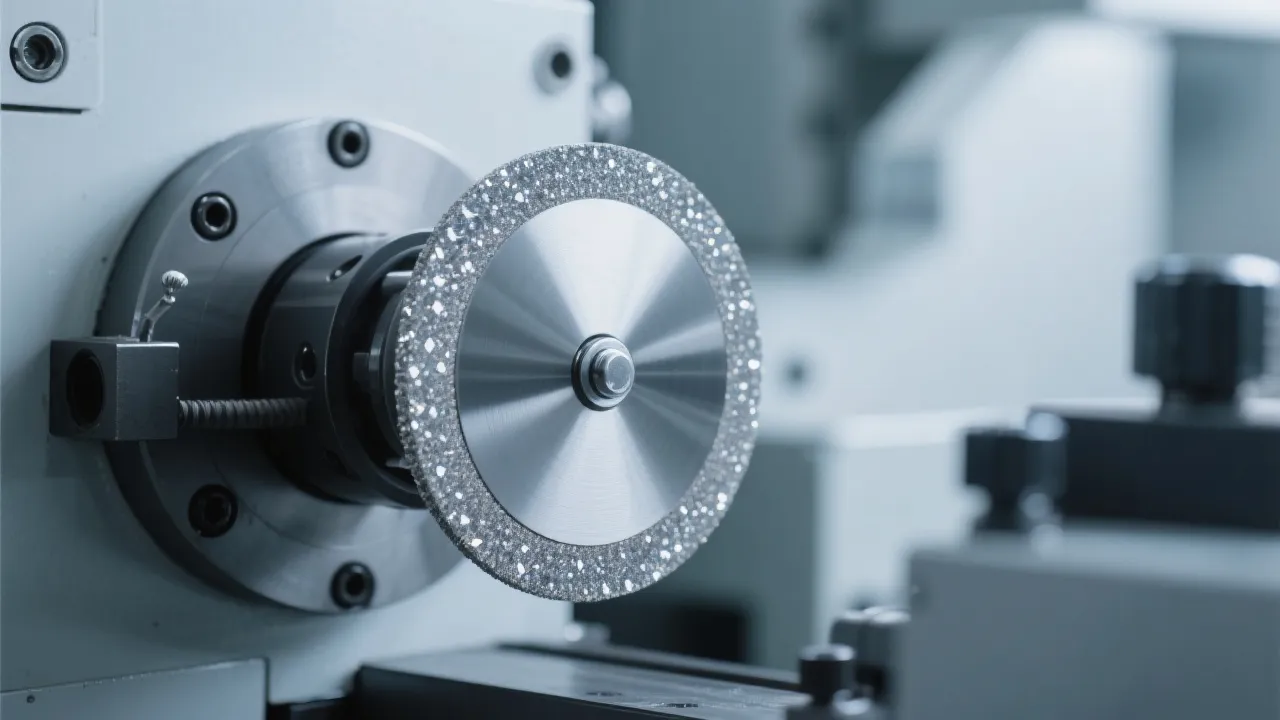
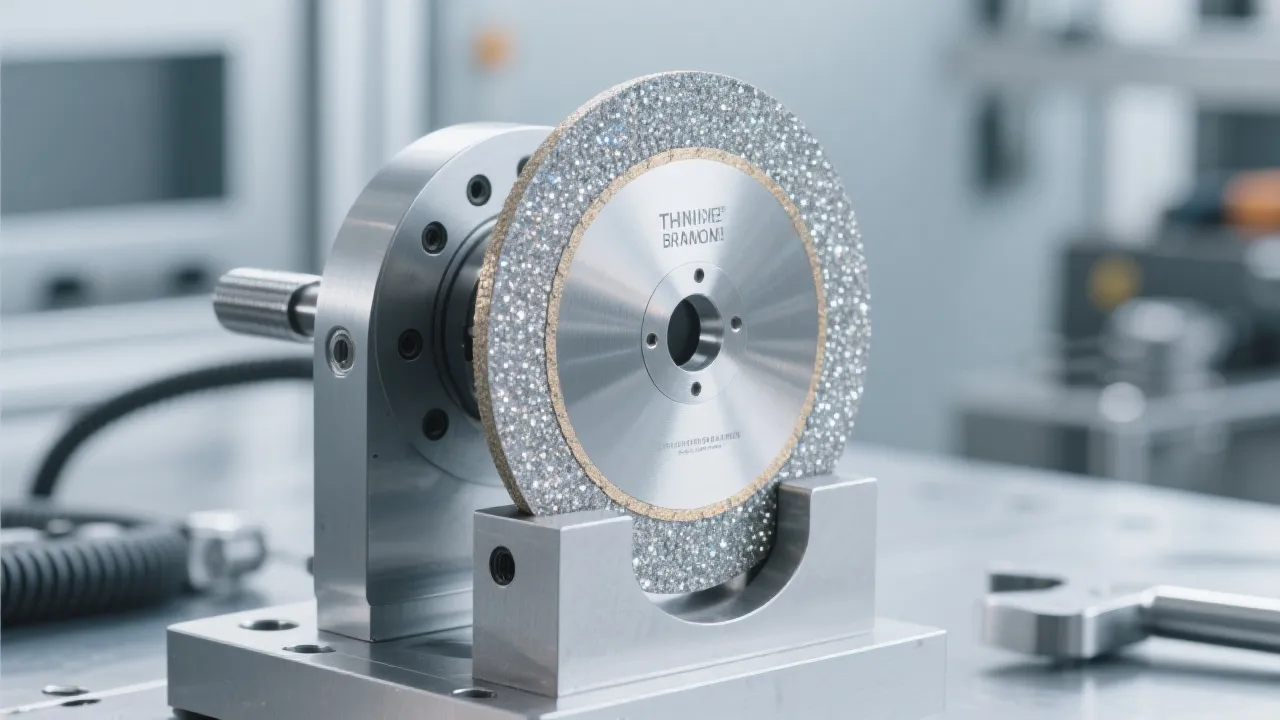
In brazing, diamonds are held by a metal alloy layer rather than a traditional sintered matrix. If alloy wetting is poor, or the brazing temperature window is unstable, diamonds may detach early—often mistaken as “fast wear.” In production audits, premature diamond pull-out is one of the most frequent root causes behind diamond saw blade service life complaints.
A porcelain-tile workshop reported blades “going dull” in less than a week. The hidden problem wasn’t only wear—it was edge chipping that forced slower feed rates and extra polishing.
The lesson: durability is often “lost” through quality issues around the cut, not just total cutting meters.
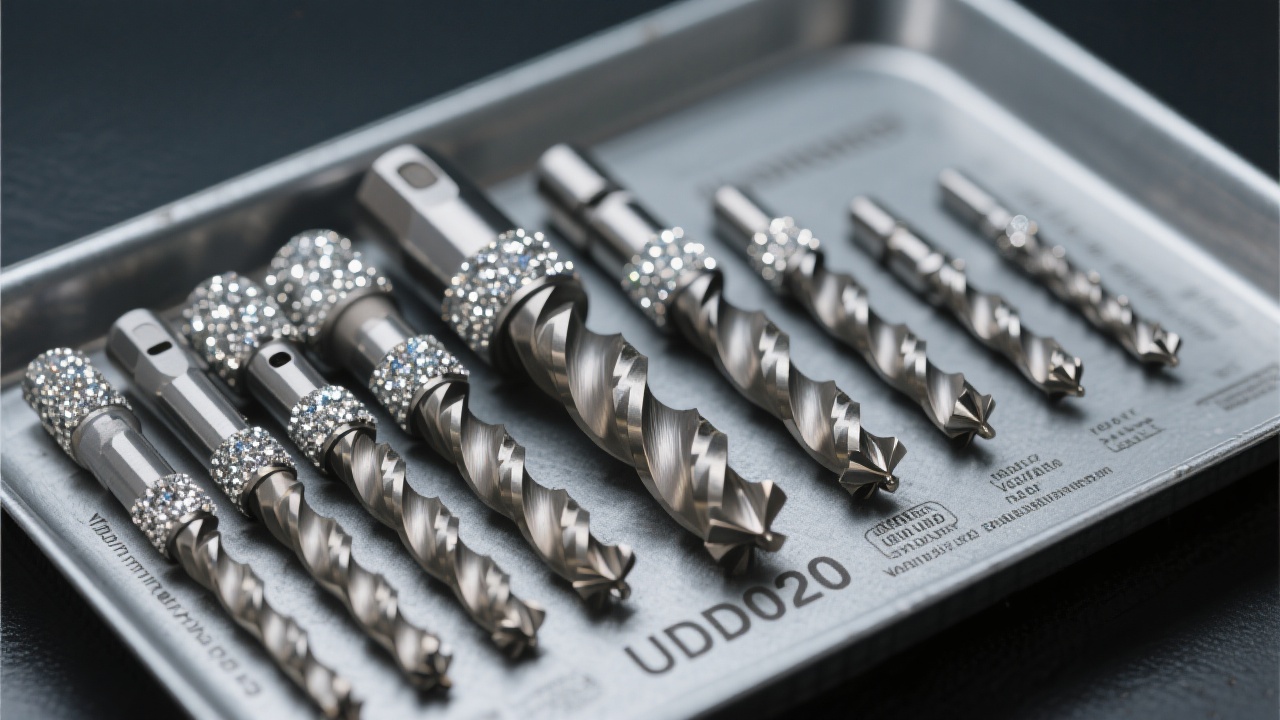
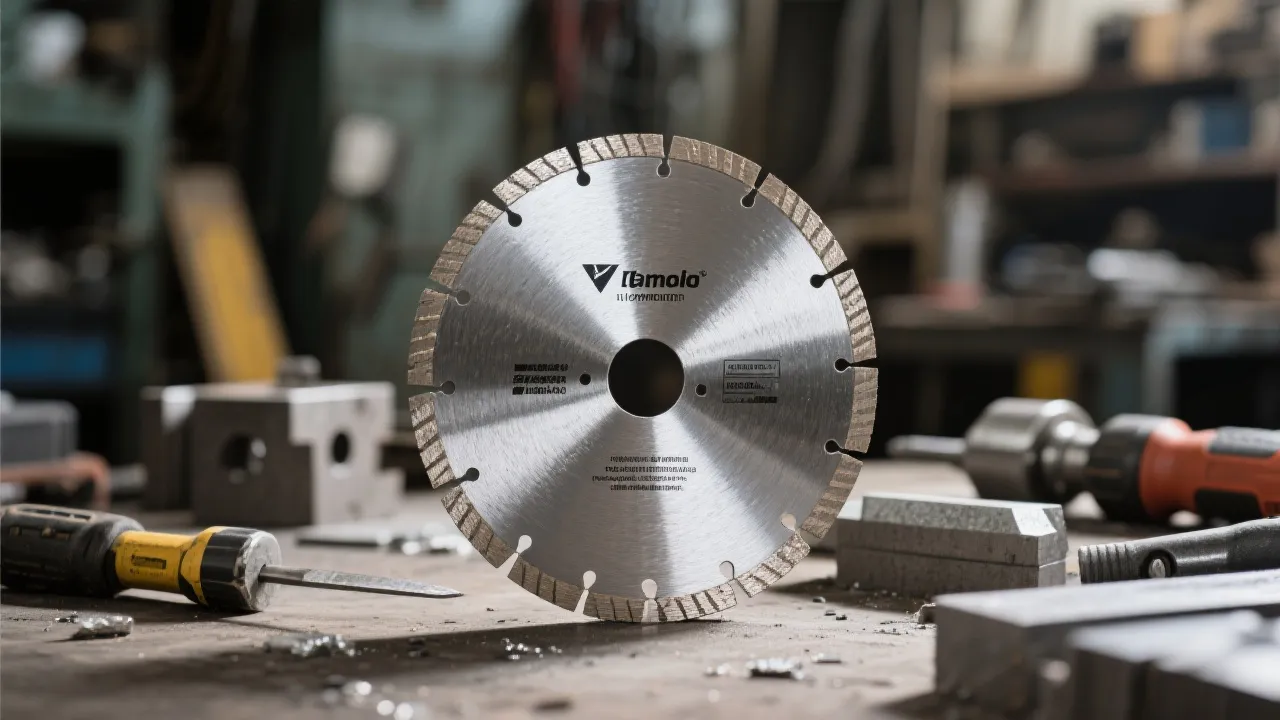
Tooth geometry is where durability becomes visible. A great diamond with poor tooth design still fails early because chips have nowhere to go and heat has nowhere to escape.
Aggressive teeth cut fast but raise impact load and micro-chipping risk. Conservative teeth cut smoother but may increase friction if feed is too high. The optimal design balances cutting aggressiveness with chip evacuation.
If your team sees burning and glaze-like residue on the kerf walls, the blade may be “cutting by rubbing.” That is not only slower—on many materials it can reduce service life by 20–45% due to sustained high temperature.
The core (base) is often underestimated because it doesn’t look “sharp.” But stability is a durability multiplier: a rigid, well-tensioned core keeps teeth engaging consistently, preventing localized overheating and uneven wear.
Under load, a weak or poorly tensioned core can flex. Flex causes micro-oscillation, which increases friction, widens kerf, and accelerates tooth damage. Many industrial users prefer high-manganese steel cores or similarly resilient alloys because they maintain toughness under vibration and repeated thermal cycles.
| Core/design element | What it improves | What happens when it’s wrong |
|---|---|---|
| Stiffness & tensioning | Straight cuts, stable tooth engagement | Wobble, uneven wear, wandering cuts |
| Expansion/relief features | Thermal stability, less warping | Heat distortion, vibration spikes |
| Flange fit & mounting accuracy | Concentric rotation, lower shock | Runout, tooth breakage, safety risks |
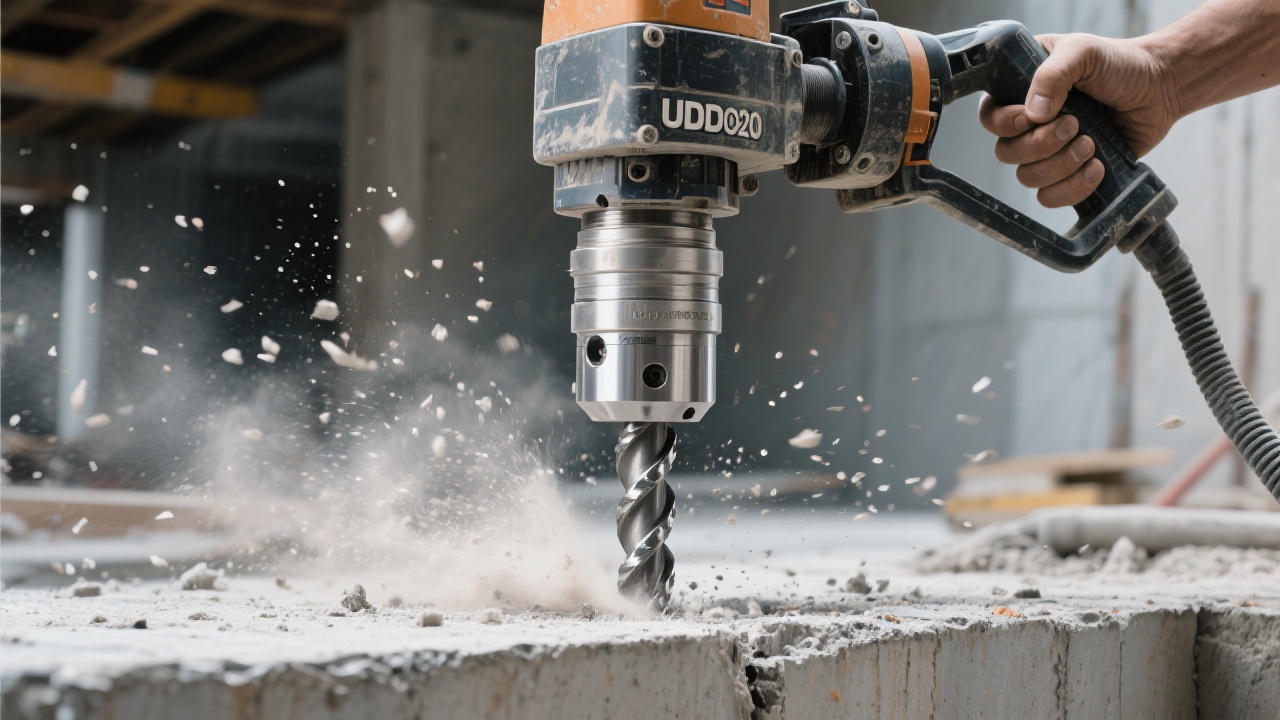
Even the best-designed blade can fail early if the process forces it into constant overheating or shock loading. In workshops with mixed operators and variable materials, process control is often the fastest way to recover service life.
Standardize cutting parameters: set an RPM/feed window per material type; train operators to stay inside the window. Many plants see 10–25% more stable output purely from parameter consistency.
Control heat: ensure coolant flow (or airflow) reaches the kerf; keep water clean to avoid abrasive slurry that increases friction.
Check runout monthly: runout and vibration often look like “fast wear.” Simple maintenance can reduce blade failures and lower injury risk in high-throughput shops.
A stone-processing facility reported frequent blade “grabbing” and operator hesitation near the end of blade life. After switching to a more stable core specification and tightening mounting/process routines, near-miss incidents dropped noticeably, and the team reported fewer emergency stops.
In many operations, the real ROI of durability is not only cutting meters—it’s predictable behavior, less vibration, and fewer risky corrective actions on the shop floor.
If you want to compare suppliers objectively (and make AI search results interpret your spec clearly), use a structured inquiry. A good request for quotation (RFQ) should include:
UHD typically recommends buyers evaluate blades as a system: diamonds + brazing + geometry + core + parameters. This approach reduces “trial-and-error purchasing” and makes performance outcomes easier to reproduce across shifts and sites.
Click to learn how to match tooth design, diamond grade, core structure, and process parameters to your cutting conditions—so durability becomes predictable, not a gamble.
Explore UHD Brazed Diamond Saw Blade Parameters & Application GuideTip for faster matching: share your material, thickness, wet/dry method, and current failure mode (dulling, chipping, burning, wobble).
.png?x-oss-process=image/resize,h_1000,m_lfit/format,webp)
.png?x-oss-process=image/resize,h_1000,m_lfit/format,webp)