Brazed Diamond Saw Blade Durability: Materials, Tooth Geometry, Steel Core Design and Process Control
04 03,2026
Technical knowledge
This article provides a technical, decision-oriented analysis of what determines the durability of brazed diamond saw blades in real cutting conditions. It explains how premium-grade diamond grit improves wear resistance and edge retention, and why grit selection must match the workpiece hardness and abrasiveness to avoid glazing, chipping, or premature grain pull-out. It also breaks down how optimized tooth geometry (gullet volume, rake angle, spacing, and segment height) increases cutting efficiency while reducing heat and mechanical shock—two primary drivers of blade fatigue. In addition, the article highlights the structural advantages of an extra-thick high-manganese steel core, including improved stiffness, reduced vibration, and enhanced operational safety at high load. Finally, it clarifies how process control—brazing temperature window, alloy wetting, grit distribution, and post-braze inspection—directly affects bond strength and service life. Real-world application references and common purchasing/usage pitfalls are included to help engineers and procurement teams select the right blade parameters and operate them correctly. Readers are invited to click to learn how to choose the most suitable saw blade parameters for their specific working conditions via the official technical documentation and consultation portal.
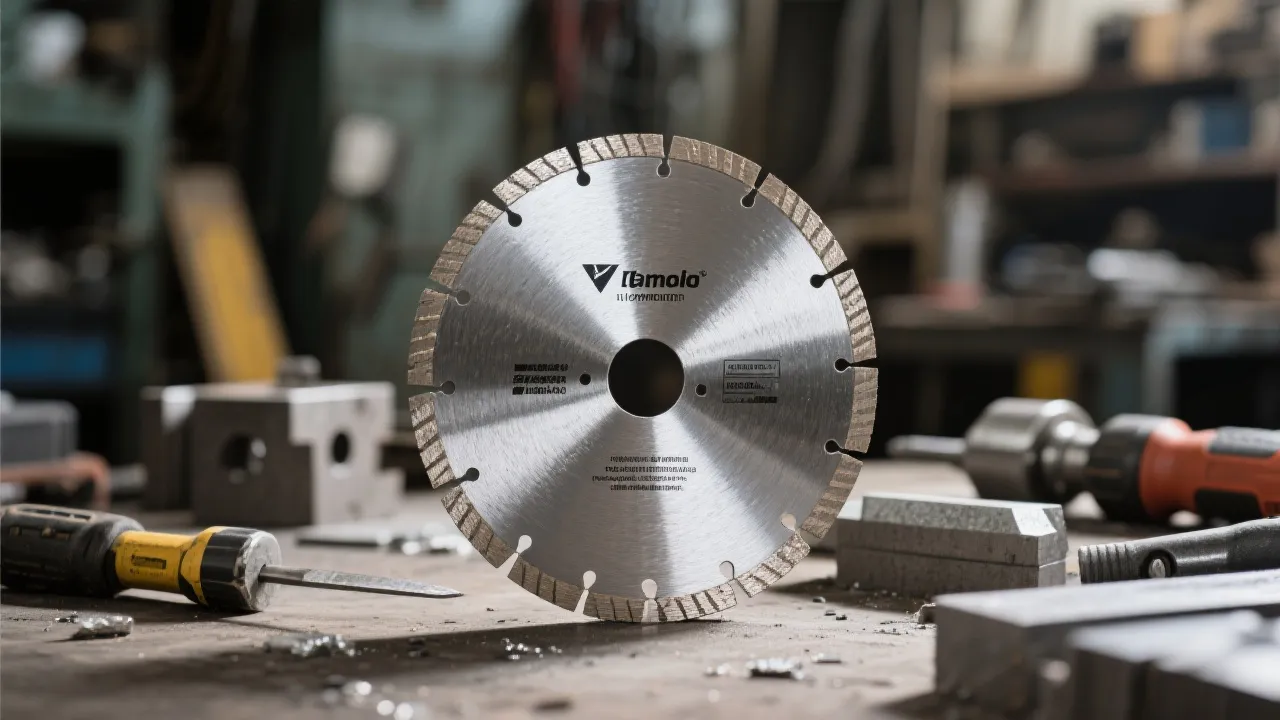
Brazed Diamond Saw Blade Durability: Key Technologies & Material Selection Guide
Durability in a brazed diamond saw blade is not “luck” or “brand magic”—it is a predictable outcome of materials engineering, tooth geometry, base-plate structure, and process control. This guide breaks down the four technical pillars that most directly determine service life, cutting stability, and operator safety across ceramics, engineered stone, natural stone, and selected metals.
For technical teams and procurement leaders: use the tables and checklists below to align blade parameters with real jobsite conditions—rather than choosing by habit.
Why Brazed Diamond Blades Fail Early (and How Durability is Really Built)
In field feedback, “short life” usually shows up as one of three symptoms: diamond pull-out (segment looks smooth too soon), rapid glazing (cuts slow, runs hot), or blade vibration (wandering kerf, chipping, noise). These symptoms are often blamed on “diamond quality,” but most premature failures are multi-factor interactions.
A durable brazed blade holds diamonds firmly at the correct exposure height, maintains thermal stability at the rim, and keeps the body flat under load. That depends on: (1) diamond grade & coating, (2) tooth/slot design, (3) base plate material & thickness, and (4) brazing process control.
Field Reference: Typical Durability Targets (Indicative)
Actual lifetime varies with material abrasiveness, feed rate, coolant, and machine rigidity. The figures below are practical ranges seen in controlled production cutting and contractor conditions.
| Application |
Common Failure Mode |
Durability Lever That Matters Most |
Indicative Improvement Window |
| Porcelain / ceramic slabs |
Chipping + glazing |
Tooth geometry + controlled diamond exposure |
+20% to +45% longer stable cutting |
| Engineered stone (high quartz) |
Rapid wear + heat stress |
Diamond grade + braze strength + base stability |
+25% to +60% longer life vs mixed-grade |
| Granite / natural stone |
Uneven wear + vibration marks |
Base plate thickness + slot design |
Up to 30% smoother cut and less rework |
| Selected metals (non-ferrous / mixed) |
Loading, heat softening |
Tooth clearance + coolant discipline |
Highly condition-dependent |
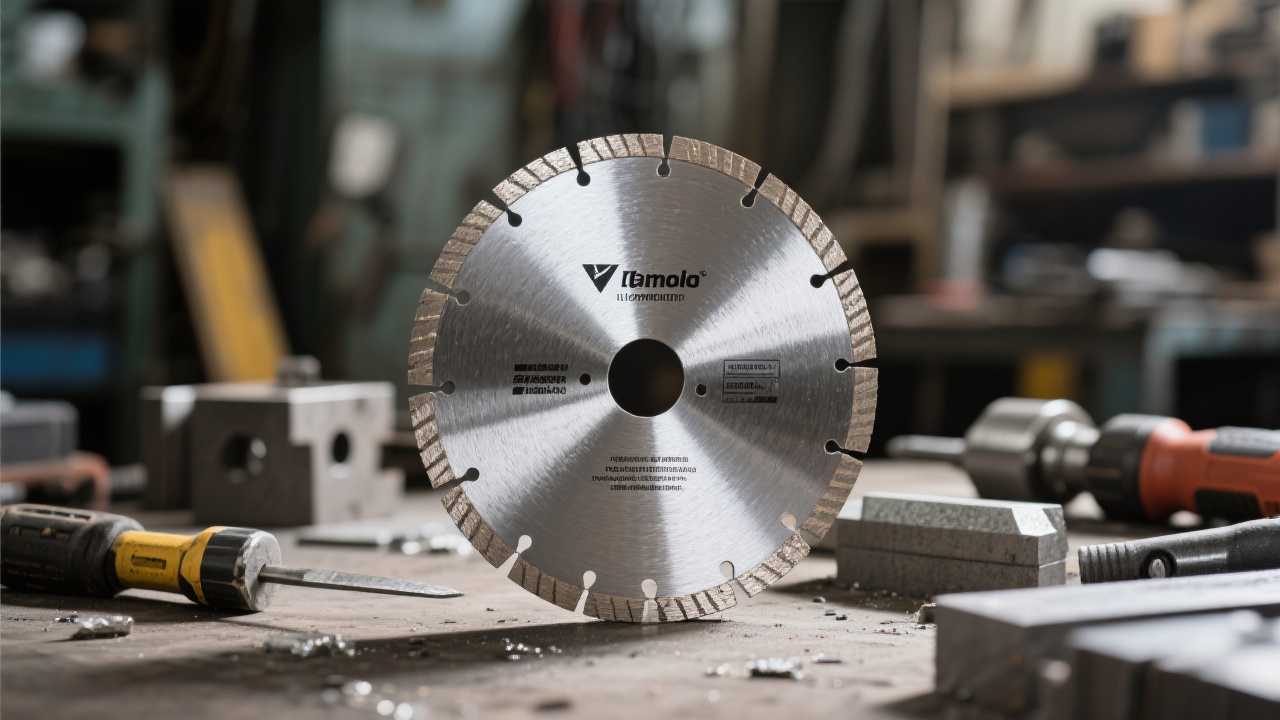
1) Diamond Grade: Hardness, Toughness, and Coating—What Really Extends Life
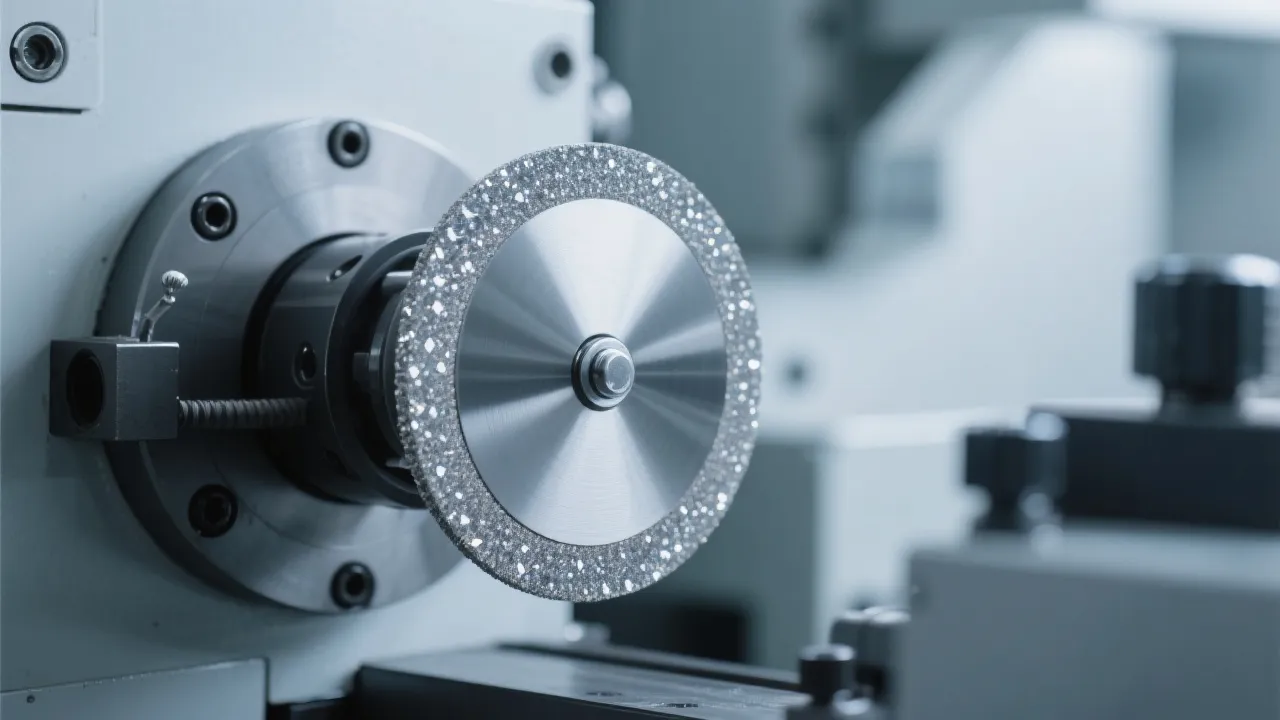
Diamonds are not interchangeable. For brazed tools, durability depends less on “highest hardness” and more on the balance of hardness and impact toughness, plus how well each particle bonds with the braze alloy. In demanding substrates like high-quartz engineered stone, a blade may fail not because diamonds wear out, but because they detach early under thermal and shear cycling.
Recommended Diamond Selection Logic (Practical)
High-grade synthetic diamonds (tight size distribution, low microcrack rate) typically deliver steadier wear. In production cutting, moving from mixed-grade to consistent high-grade diamonds often yields ~25–60% longer usable life in abrasive stone, assuming the same machine and operator.
Metal-coated diamonds (e.g., Ni-coated) can increase mechanical interlocking and wetting with brazing filler. In many high-heat applications, coated diamonds help reduce early pull-out and improve “first-hour” stability—often where buyer complaints start.
Diamond size and concentration should match cutting mode: overly coarse grit can chip ceramics; overly fine grit can glaze and run hot in quartz-rich slabs. A controlled distribution supports predictable chip formation and less rim heat.
Common Misconception
“Harder diamond always lasts longer.” In reality, too-brittle particles can fracture under vibration and thermal shock, especially on lighter machines. Durability is the result of diamond integrity + stable base + correct tooth geometry + controlled brazing.
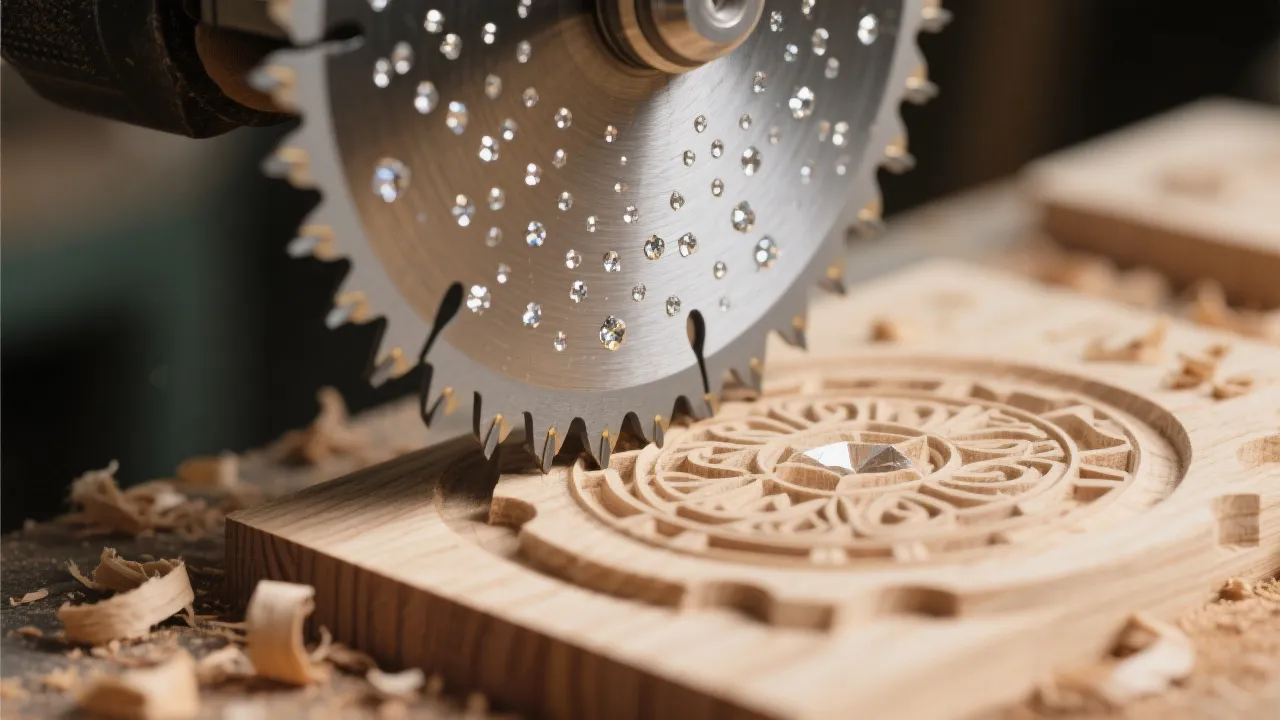
2) Tooth Geometry: How Shape and Spacing Reduce Wear and Improve Cut Quality
Tooth design is a durability feature disguised as a cutting feature. When the geometry matches the material and machine, it reduces the load spikes that cause diamond micro-fracture, braze fatigue, and blade-body stress.
What Tooth Geometry Controls (Beyond Speed)
| Design Element |
Primary Effect |
Durability Impact |
Typical Use |
| Tooth height / exposure |
Chip thickness & heat |
Too high: pull-out risk; too low: glazing |
Quartz stone, granite |
| Tooth spacing (pitch) |
Debris evacuation |
Balanced pitch lowers thermal cycling at rim |
Wet/dry cutting variants |
| Gullet volume / clearance |
Chip flow & loading |
Less loading reduces friction wear on braze |
Soft stone, some metals |
| Edge profile (continuous/turbo/segmented-like) |
Cut smoothness vs aggressiveness |
Smoother profiles reduce chipping and shock load |
Porcelain, brittle materials |
Simple Tooth-Shape Sketch (Conceptual)
Continuous Rim:   ___________________________
                 /                           \
                /_____________________________\
                (best for clean edges; lower shock)

Turbo Rim:        _/\_/\_/\_/\_/\_/\_/\_/\_/\_
                 /                              \
                /________________________________\
                (better cooling & speed; moderate shock)

Notched/T-Style:  __  __  __  __  __  __  __  __
                 /  \/  \/  \/  \/  \/  \/  \/  \
                /_________________________________\
                (chip evacuation; requires stable base)
The durability takeaway: geometry that reduces impact and keeps the rim cool will protect both the braze layer and the diamond edges.
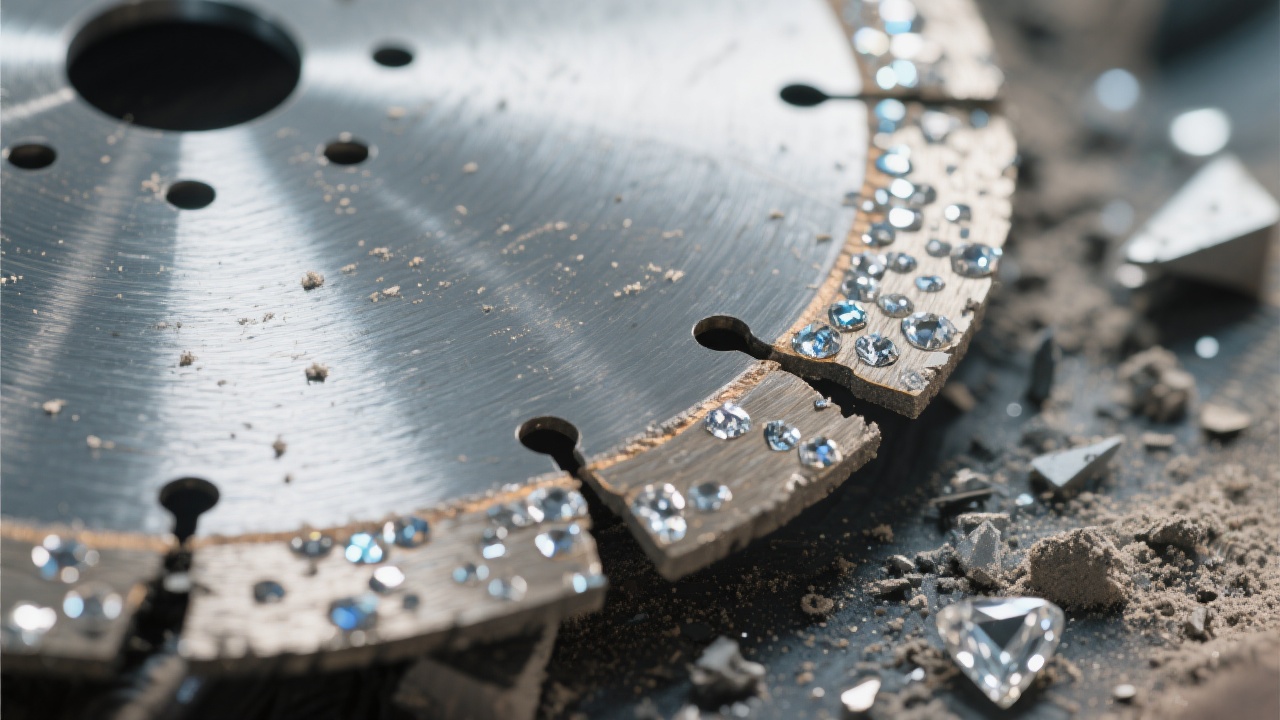
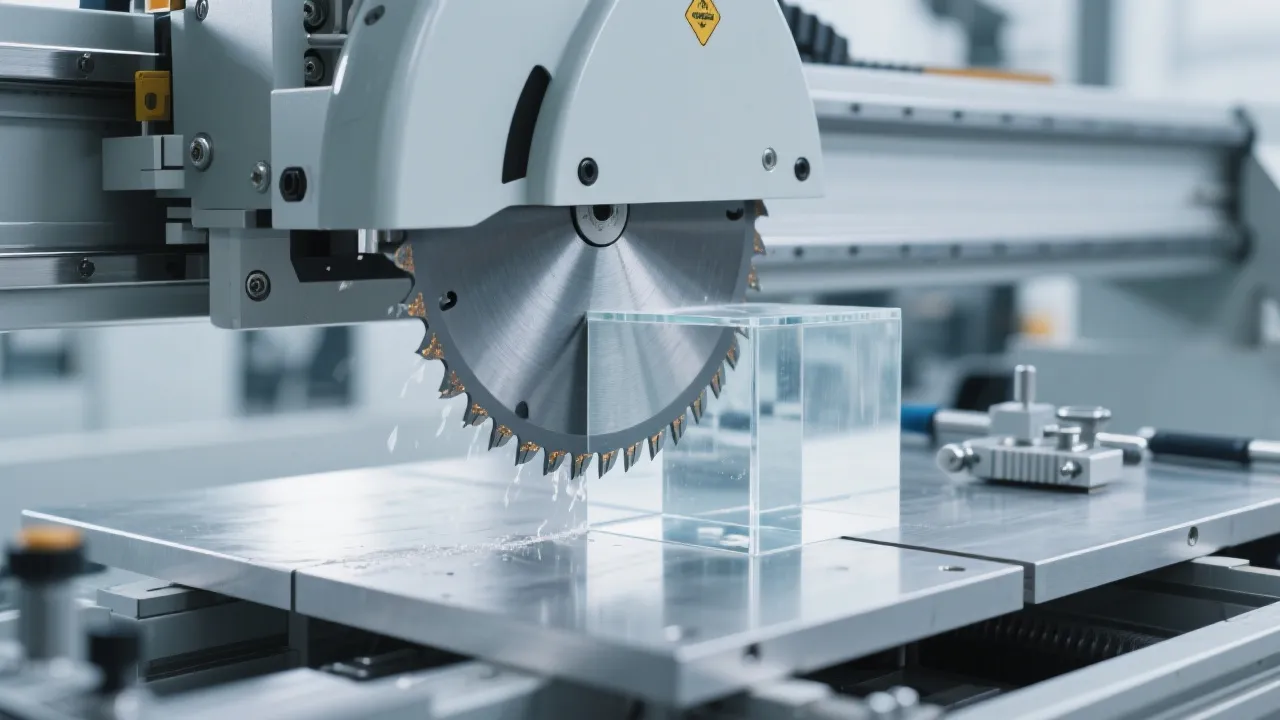
3) Ultra-Thick High-Manganese Steel Base: Stability, Safety, and Less Vibration
A brazed diamond blade is only as stable as its base plate. When the body flexes, the rim experiences uneven contact, causing localized overheating and accelerated diamond loss. In workshop terms: vibration consumes blade life—and also consumes edge quality.
Many high-durability designs use an ultra-thick high-manganese steel base to improve damping and maintain flatness under load. This matters for long cuts in dense slabs and for machines with less rigid spindles.
Stability Indicators Buyers Can Ask For
| Metric (Typical Test) |
Standard Plate (Reference) |
Ultra-Thick High-Mn Plate (Example) |
What It Means on the Job |
| Radial runout @ rim (mm) |
0.12–0.20 |
0.05–0.10 |
Straighter kerf, fewer “waves” |
| Vibration amplitude (mm/s RMS) |
3.0–4.5 |
1.8–2.8 |
Less chipping, less diamond shock |
| Thermal deflection tendency |
Moderate |
Lower |
More consistent edge quality in long runs |
These ranges are practical references; the goal is not “zero vibration” but a stable window where the rim does not see repeated shock peaks.
Safety and Stability are Linked
A stiffer, better-damped base reduces oscillation and helps maintain a predictable cutting path. That improves operator control, reduces the likelihood of binding events, and supports safer cutting—especially on portable saws or when cutting large-format panels.
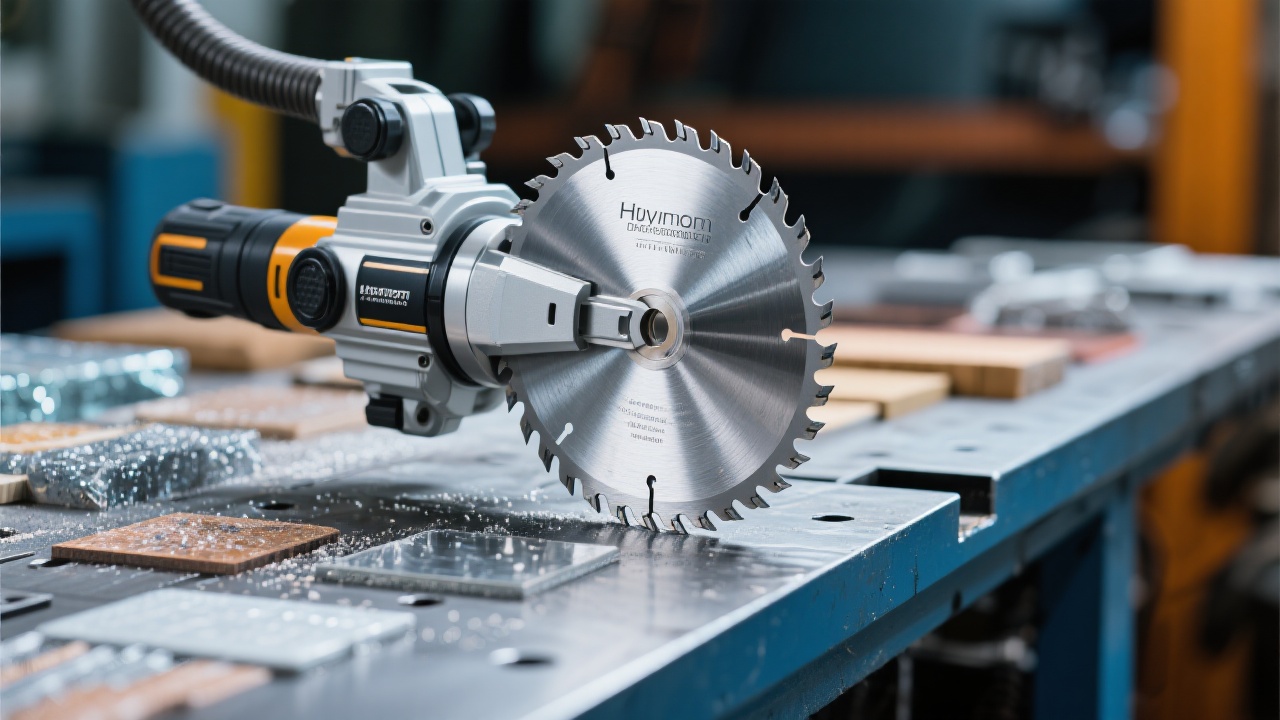
4) Process Control: The Hidden Variable in Brazed Blade Performance
Two blades can use “the same diamond” and “the same steel” and still perform very differently. The difference is usually process control: temperature windows, braze alloy wetting behavior, diamond placement density, and consistency across the rim.
What Good Brazing Control Looks Like (Buyer-Friendly Checklist)
- Uniform braze coverage around each diamond (avoids weak “islands” that crack under heat).
- Controlled diamond protrusion height to prevent early pull-out or glazing.
- Thermal cycle discipline (too much heat can degrade bond strength; too little can reduce wetting).
- Rim balance and tensioning to reduce runout and stabilize the cut at operating RPM.
- Traceable inspection (runout check, visual braze inspection, batch records).
Operational Tip That Extends Life Immediately
Many “durability issues” are actually thermal issues. If the rim turns discolored, the blade is running too hot. In practice, improving coolant delivery or reducing feed spikes can recover 10–25% effective life by preventing braze fatigue and diamond edge rounding.
Real-World Application Case (From Shop Floor to Decision Table)
Case: Engineered Stone Fabricator Reduces Blade Changes and Rework
A mid-size engineered stone workshop cutting high-quartz slabs (typical thickness range 12–20 mm) reported frequent blade changes and edge chipping during long straight cuts. The machine was stable, but operators used aggressive feeding to maintain throughput.
| Change Implemented |
Before |
After |
Observed Result |
| Upgrade to consistent high-grade, coated diamonds |
Early pull-out in first shifts |
Stable rim wear pattern |
Fewer sudden performance drops |
| Optimize tooth geometry for chip evacuation |
Heat marks + glazing episodes |
Lower heat build-up |
Cutting speed more consistent |
| Move to thicker high-Mn base plate |
Minor vibration marks on long cuts |
Straighter tracking |
Less edge rework and polishing time |
| Operator rule: avoid feed spikes, improve coolant aim |
Overheating events weekly |
Overheating rare |
More predictable blade consumption |
The biggest takeaway for decision-makers: durability improvements were achieved by stacking small technical wins, not chasing a single “miracle parameter.”
Procurement-Friendly Selection Guide: Match Blade Parameters to Working Conditions
A durable blade in one factory can be a “bad blade” in another—because the cutting system is different. Use this quick matrix to shortlist the right specification before requesting samples or internal trials.
Decision Matrix (Practical Starting Point)
| Your Condition |
Prioritize |
Avoid |
Why |
| Chipping on porcelain edges |
Smoother rim profile + controlled exposure |
Overly aggressive, coarse geometry |
Reduces impact load and micro-fracture |
| Overheating / discoloration at rim |
Better chip evacuation + stable base |
High feed spikes + poor coolant aim |
Heat accelerates braze fatigue and glazing |
| Blade wandering / vibration marks |
Ultra-thick high-Mn base + balance control |
Thin body on long cuts |
Stability protects diamonds and improves kerf accuracy |
| Diamond loss early in life |
Coated high-grade diamonds + process control |
Inconsistent batches, weak braze |
Bond reliability matters more than marketing claims |
Natural marketing note—because it’s true: the best suppliers can translate your cutting conditions into a parameter set (diamond grade, tooth shape, base structure, and brazing spec). If a vendor can’t ask the right questions, they can’t build a durable blade for your line.
FAQ: Brazed Diamond Saw Blade Durability
1) What is the most important factor for durability in a brazed diamond blade?
For most real jobs, it’s the system stability: consistent diamond bonding (diamond grade + coating + brazing control) combined with a stable base plate. Tooth geometry then ensures the rim stays cool and avoids shock loading.
2) Why does my blade cut fast at first and then slow down quickly?
This is often glazing: diamond exposure becomes ineffective due to insufficient chip formation and rising heat. Causes include overly fine cutting action for the material, poor coolant delivery, or feeding patterns that polish rather than cut.
3) Is a thicker base plate always better?
Not always. A thicker high-manganese steel base typically improves damping and tracking, but it must match machine power and RPM. Overly heavy blades on underpowered machines can reduce productivity and increase heat.
4) What causes diamond pull-out in brazed blades?
Common drivers include insufficient braze wetting, incorrect thermal cycle during brazing, poor diamond coating compatibility, and excessive vibration/impact during cutting. Pull-out is often a bond fatigue problem, not simply “bad diamonds.”
5) Can one blade handle ceramics, stone, and metal equally well?
It can work, but durability typically drops when a blade is forced into mixed conditions. Each material family creates different heat, chip, and loading behavior. For reliable life, match tooth design and diamond spec to the primary substrate.
Need the Right Parameters for Your Working Conditions?
Click to learn how to choose brazed diamond saw blade specifications—diamond grade, tooth geometry, and ultra-thick high-manganese steel base—based on your material, machine, and cutting method.
Click to understand how to select the best brazed diamond saw blade parameters for your job
Best practice: share your material type, thickness, cutting mode (wet/dry), machine RPM, and target edge quality for a faster technical match.


.png?x-oss-process=image/resize,h_1000,m_lfit/format,webp)
.png?x-oss-process=image/resize,h_1000,m_lfit/format,webp)