High-Precision Brazed Diamond Saw Blades for Ceramic Cutting: Efficiency, Dust Control, and Service Life
27 03,2026
UHD
Technical knowledge
This article provides a technical breakdown of high-precision brazed diamond saw blades used for ceramic cutting, explaining why they are increasingly selected in construction, renovation, and industrial fabrication. It highlights two decisive design factors—high-quality wear-resistant diamond grits and an extra-thick high-manganese steel core—and shows how their combined benefits improve cutting speed, stability, and edge quality while reducing operator effort and helping control cutting dust. Practical maintenance guidance is also outlined, including recommended parameter setup (feed rate, rotation speed, and cooling strategy), worksite condition optimization, and routine inspection checkpoints to prevent overheating, segment damage, and runout. Supported by application scenarios and structured data-style comparisons, the content helps users extend blade life, maintain consistent performance, and improve operational safety, enabling more efficient and cleaner ceramic cutting workflows.
High-Precision Brazed Diamond Saw Blades for Ceramic Cutting: What Actually Drives Speed, Finish, and Stability
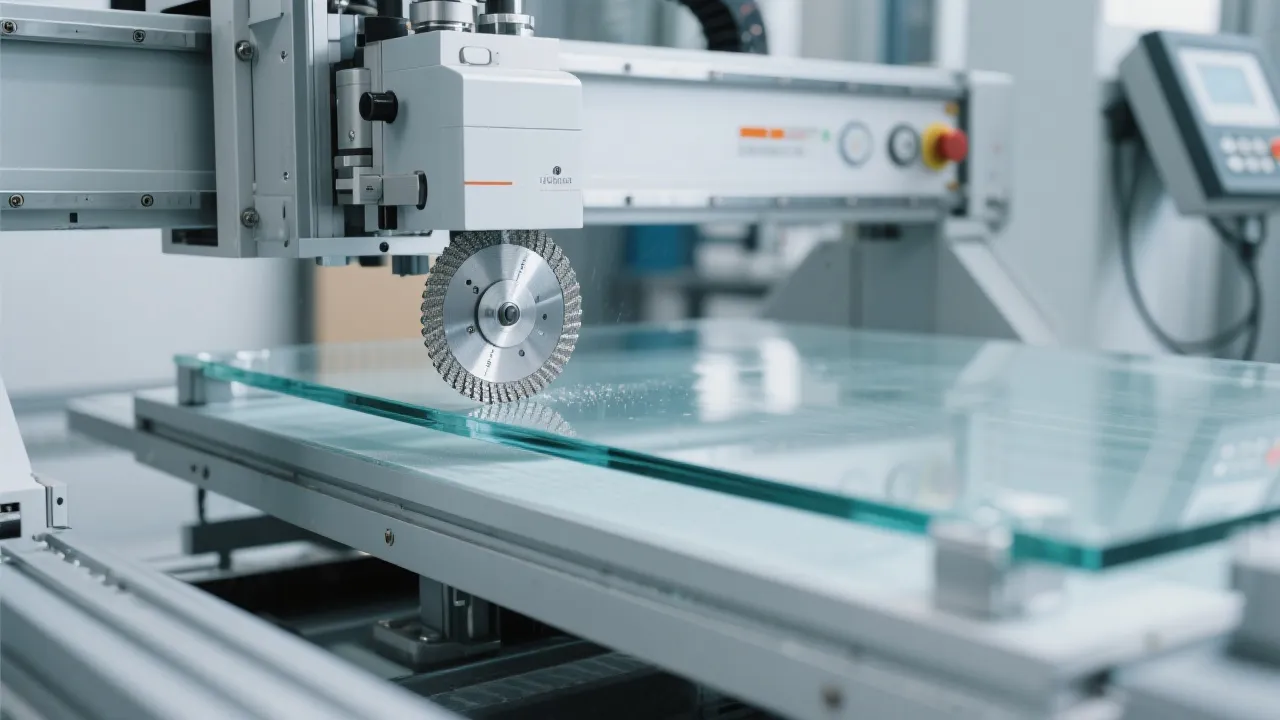
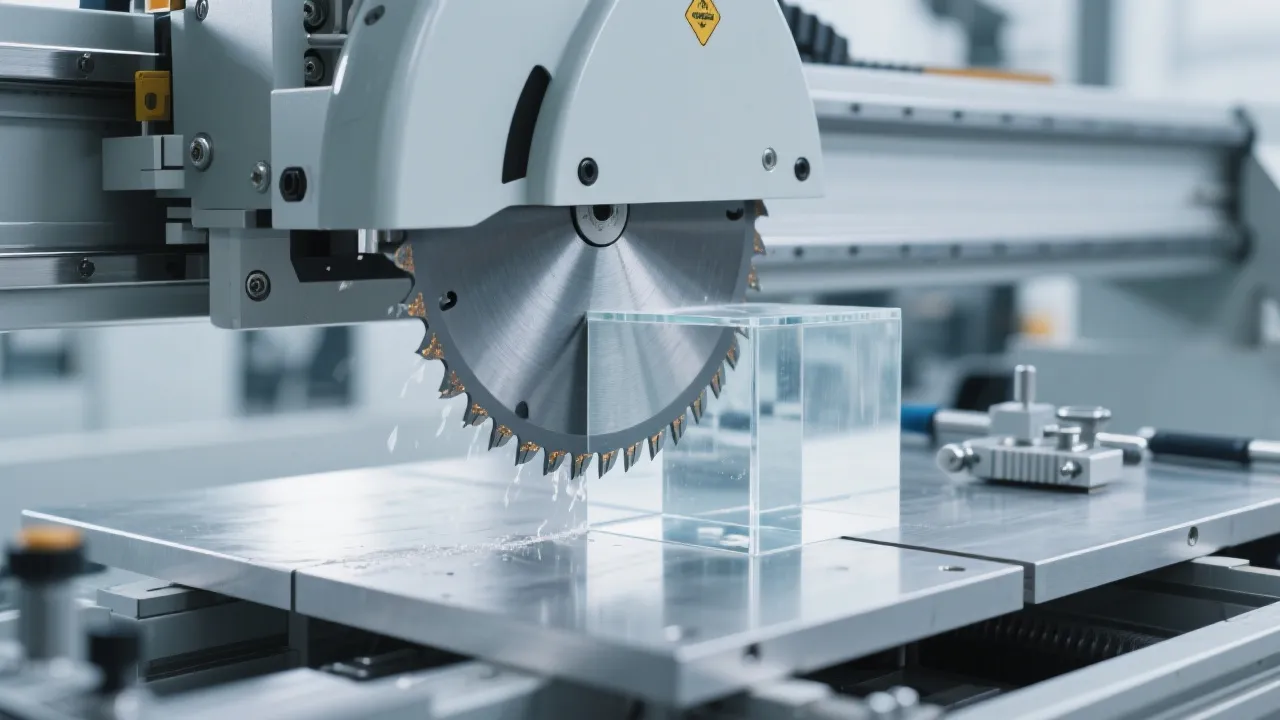
In ceramic fabrication and installation, “fast cutting” is only valuable when it stays straight, clean, and predictable across long shifts. High-precision brazed diamond saw blades are gaining attention because they combine strong diamond exposure with a rigid core design—often translating to higher throughput, less operator fatigue, and better dust discipline in real-world workstations.
This article explains the key engineering elements—wear-resistant diamond grit and an extra-thick high-manganese steel base—and provides a practical maintenance playbook to help teams protect blade life and cut quality with measurable control.
Why Brazed Diamond Blades Behave Differently on Ceramics
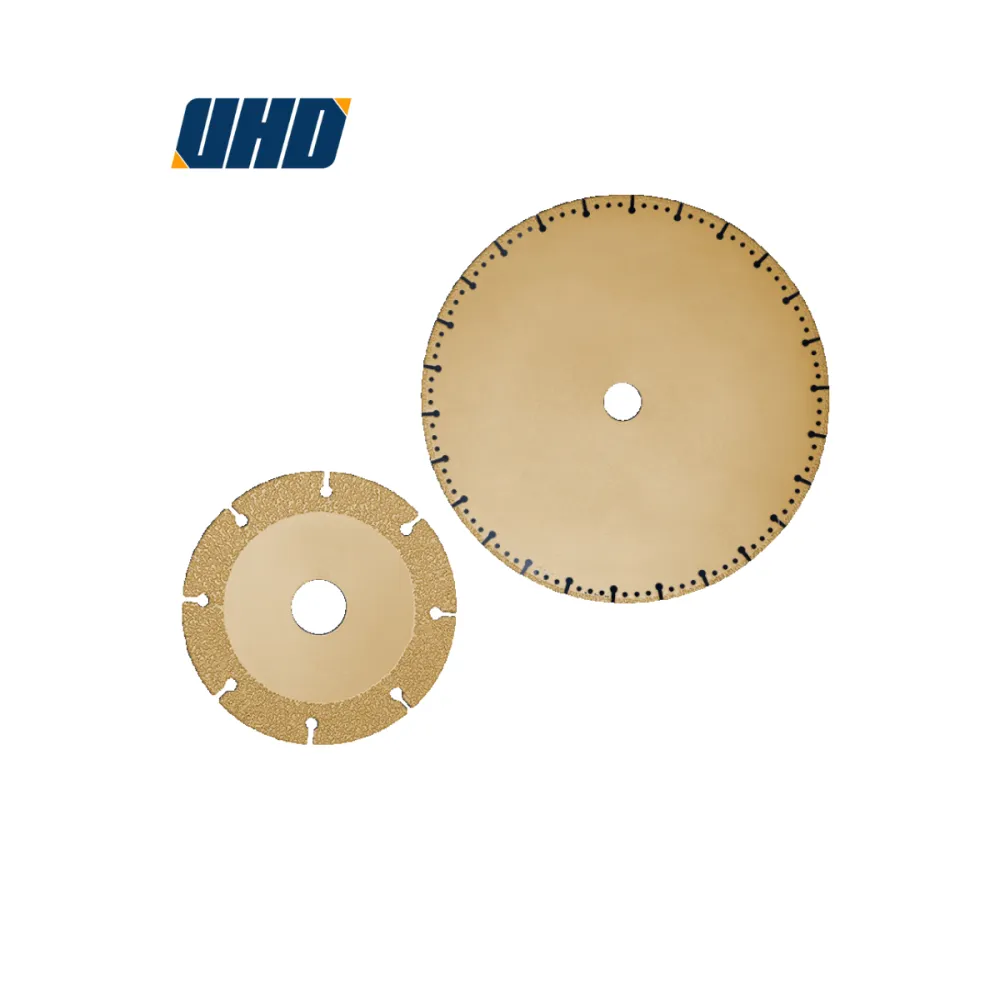
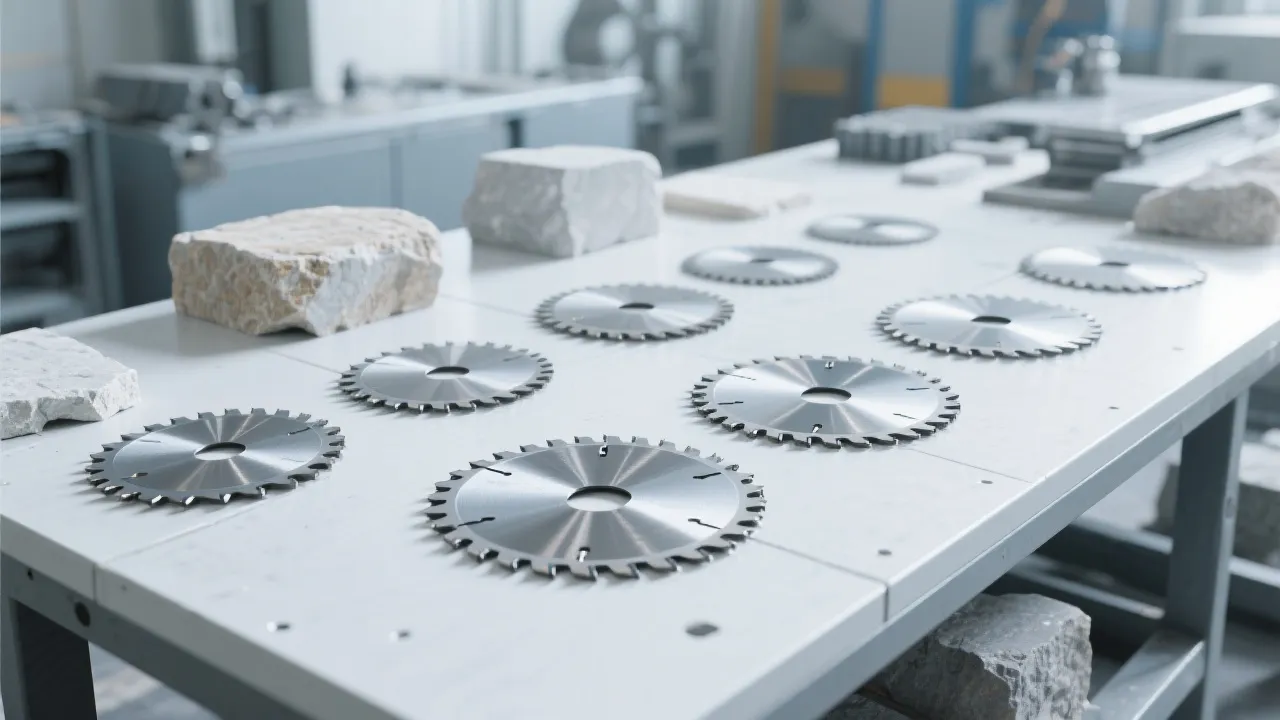
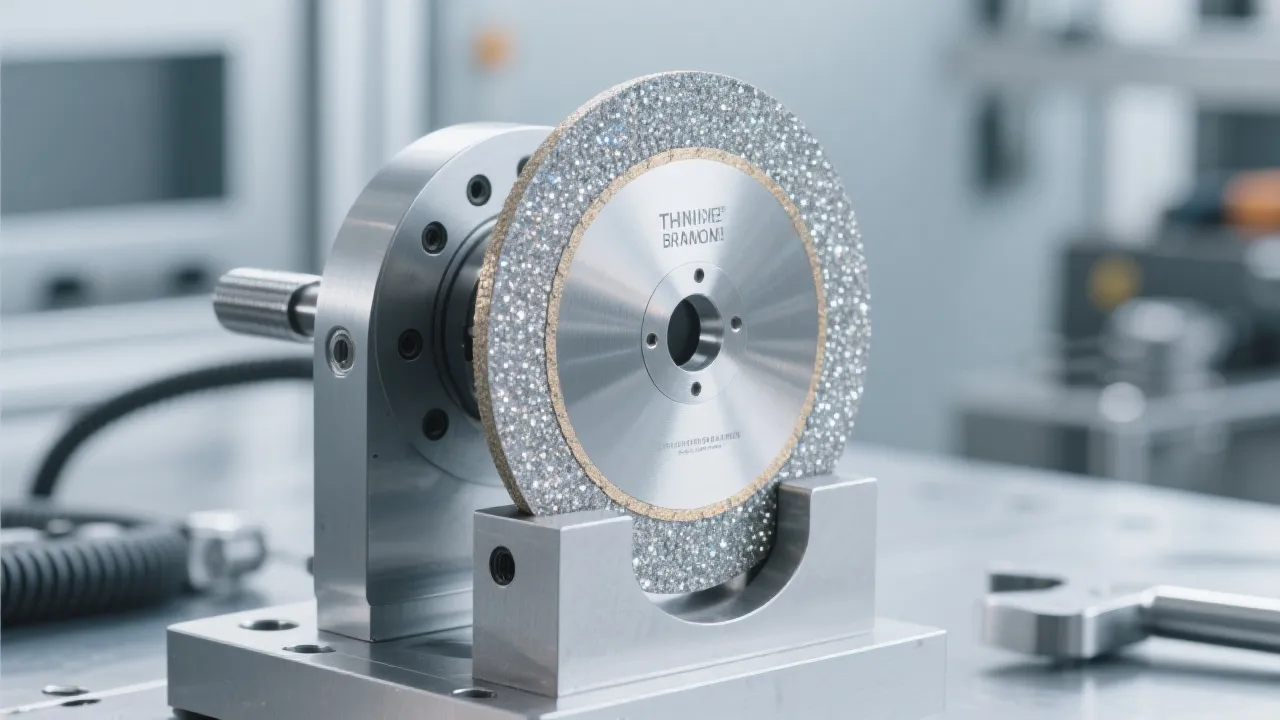
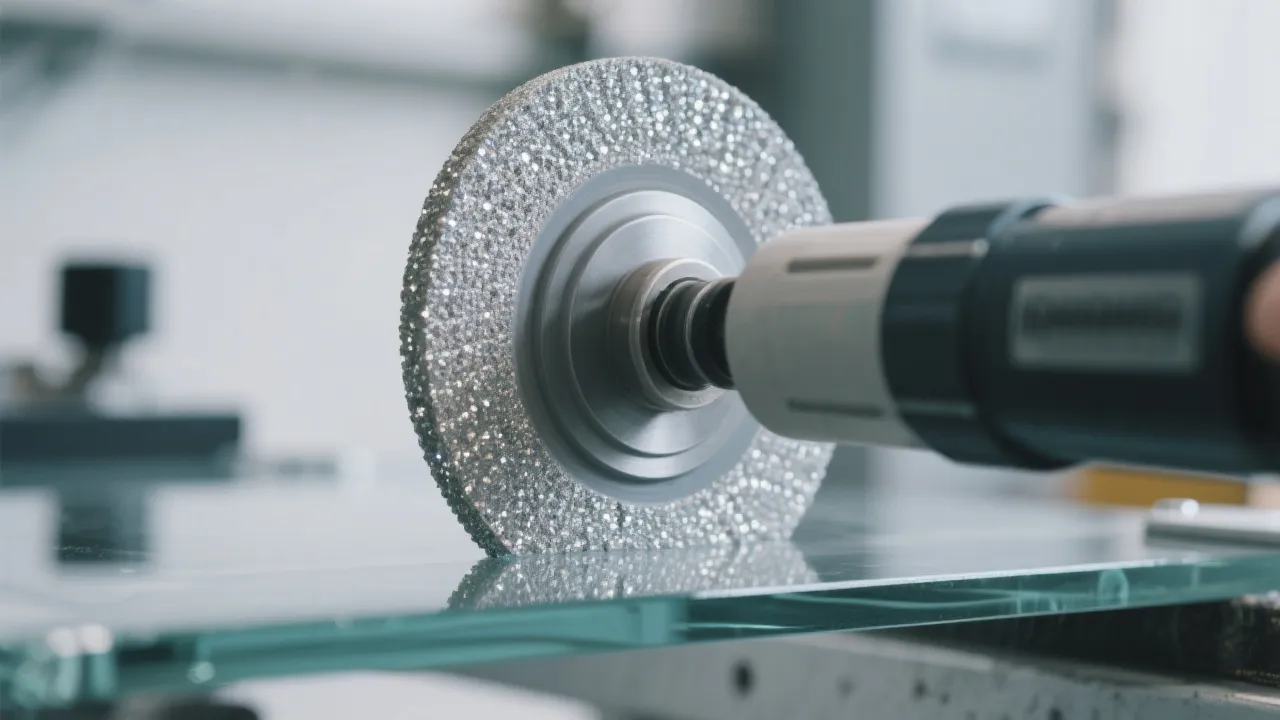
Ceramics are abrasive, brittle, and unforgiving to vibration. Conventional bonded blades can perform well, but they may require more frequent dressing and can lose cutting aggressiveness as the bond wears unevenly. In a brazed design, diamond particles are metallurgically attached to the rim. The result is typically:
1) Higher diamond exposure (more “working edge”)
Greater protrusion of diamond grit can improve initial bite and keep the cutting edge “open,” which may reduce the need for frequent dressing in stable setups.
2) More consistent cut under load
When matched with a rigid core, brazed rims can hold a steadier kerf on dense ceramic tiles and engineered ceramics—helpful for reducing edge micro-chipping and rework.
3) Practical productivity gains (what teams often notice)
In controlled shop conditions, teams commonly report 15–35% faster linear cutting compared with general-purpose blades on similar ceramic grades, mainly because the blade stays sharp longer and requires fewer “slow passes” to protect the edge. Actual results depend on machine rigidity, coolant strategy, tile density, and operator technique.
Two Engineering Details That Matter Most
A. Wear-resistant diamond grit: the real driver of service stability
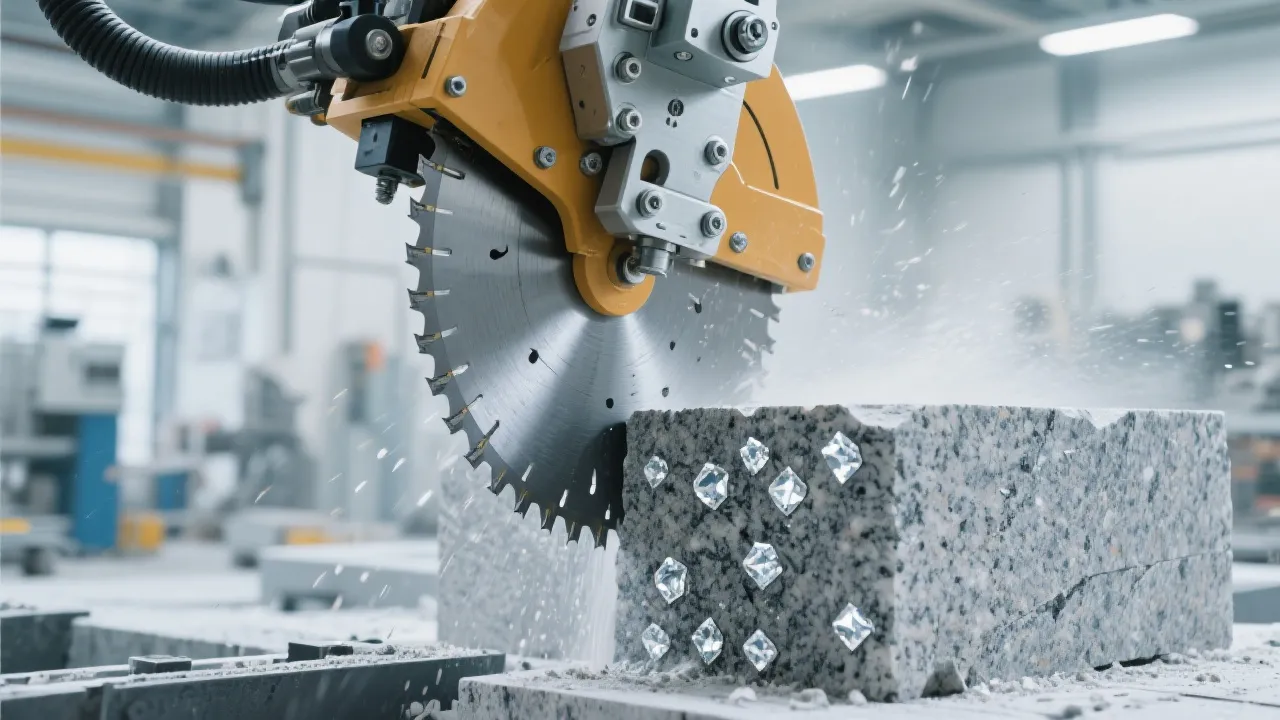
Diamond quality is not just a procurement checkbox. On ceramic, grit consistency affects chip control and the “feel” of the cut. Higher-grade diamonds with controlled crystal strength and grading uniformity can:
Maintain a steadier scratch pattern, supporting cleaner edges and less secondary polishing.
Reduce sudden dulling events that force operators to compensate with pressure—often a hidden cause of chipping.
Improve predictability when cutting mixed batches (glazed porcelain + dense body tiles).
A practical benchmark many workshops track is edge chipping rate (chipped pieces per 100 cuts). When switching from a general blade to a high-precision brazed blade in a stable setup, a 20–50% reduction in visible edge defects is a realistic target for many ceramic lines—especially when feed and coolant are controlled.
B. Extra-thick high-manganese steel base: stiffness, damping, and safer tracking
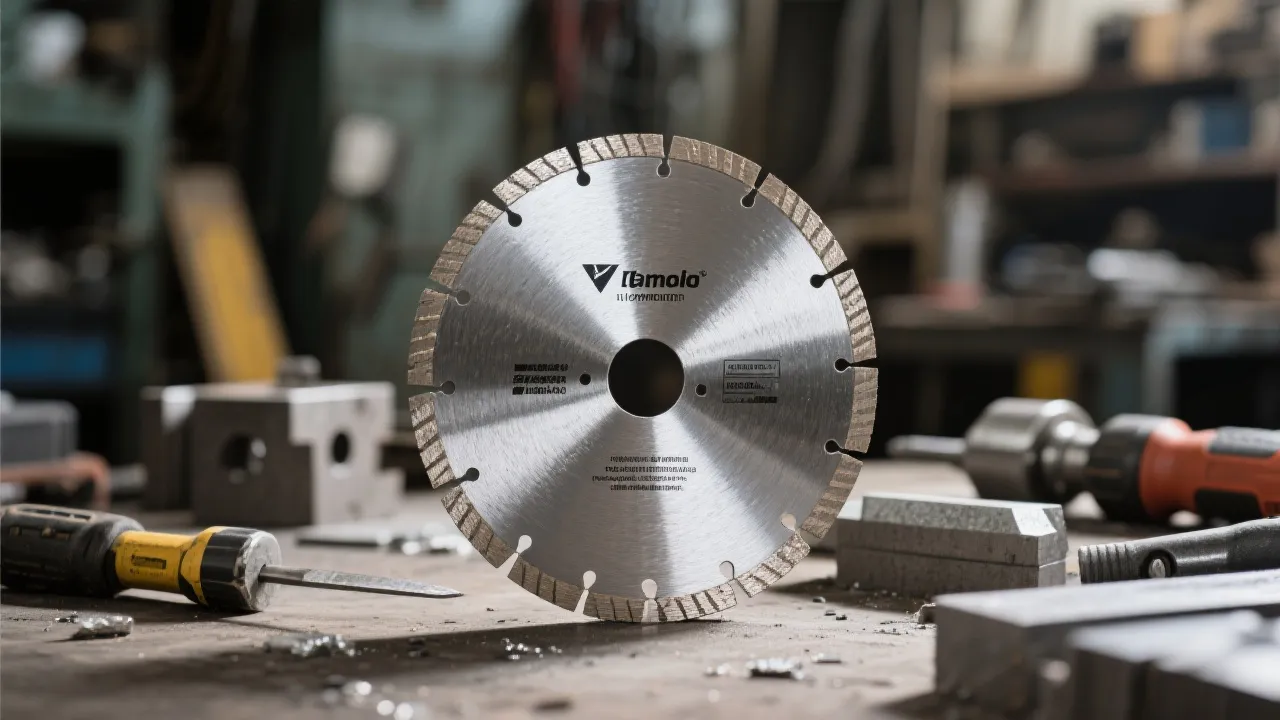
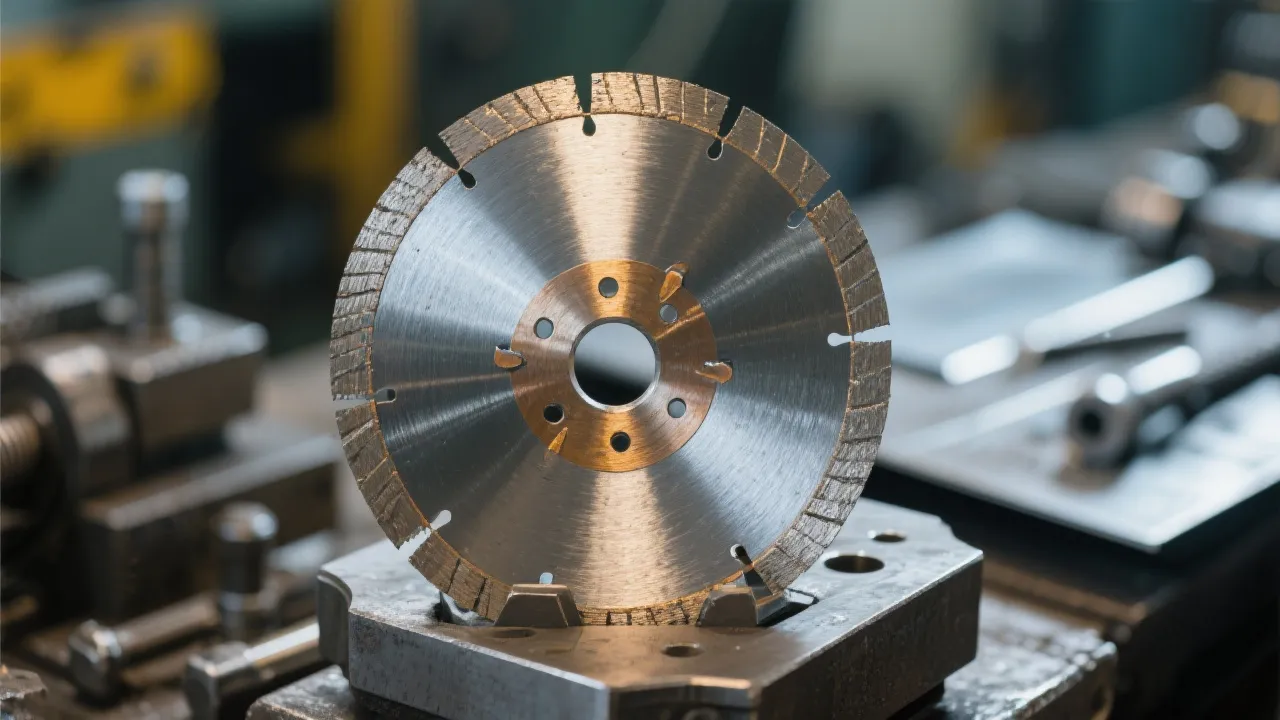
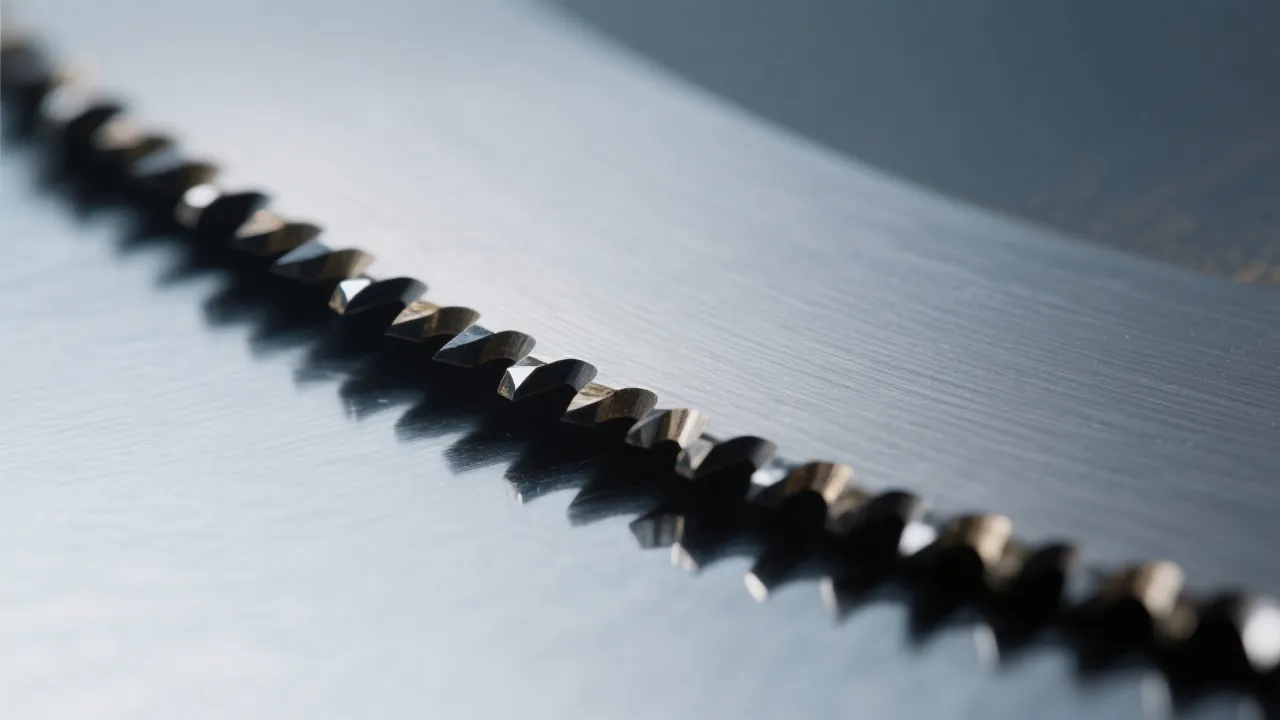
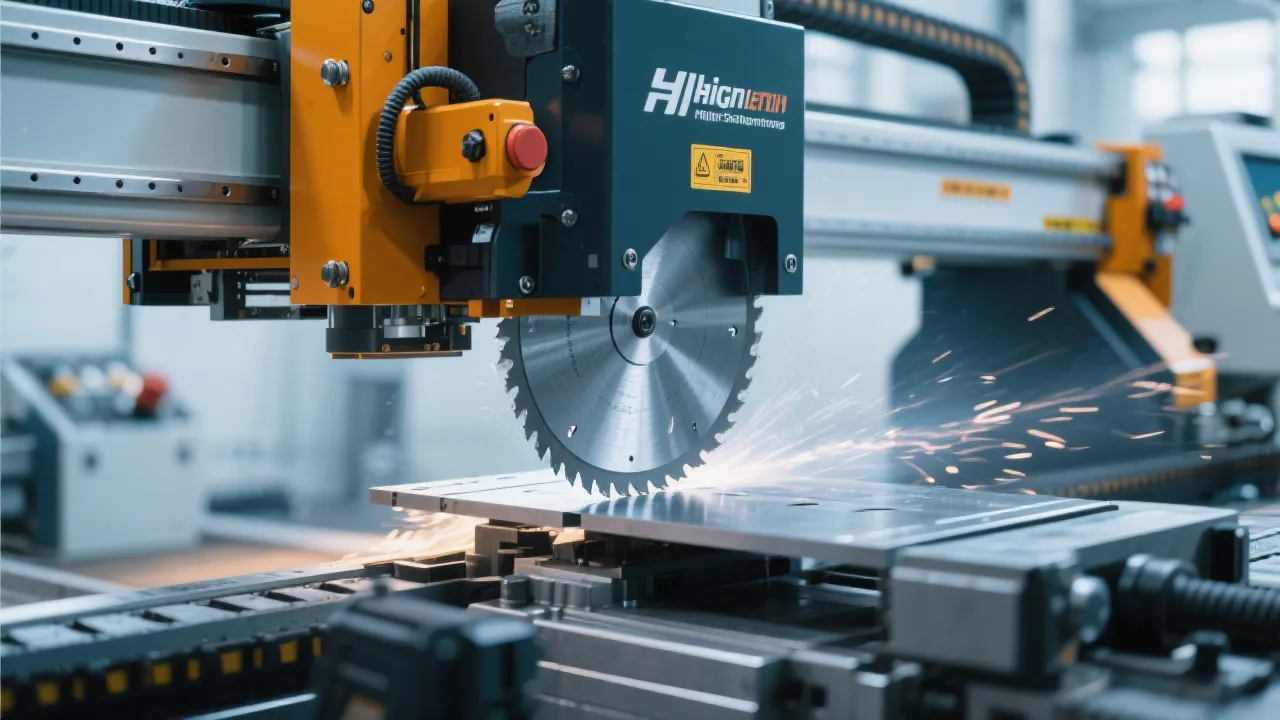
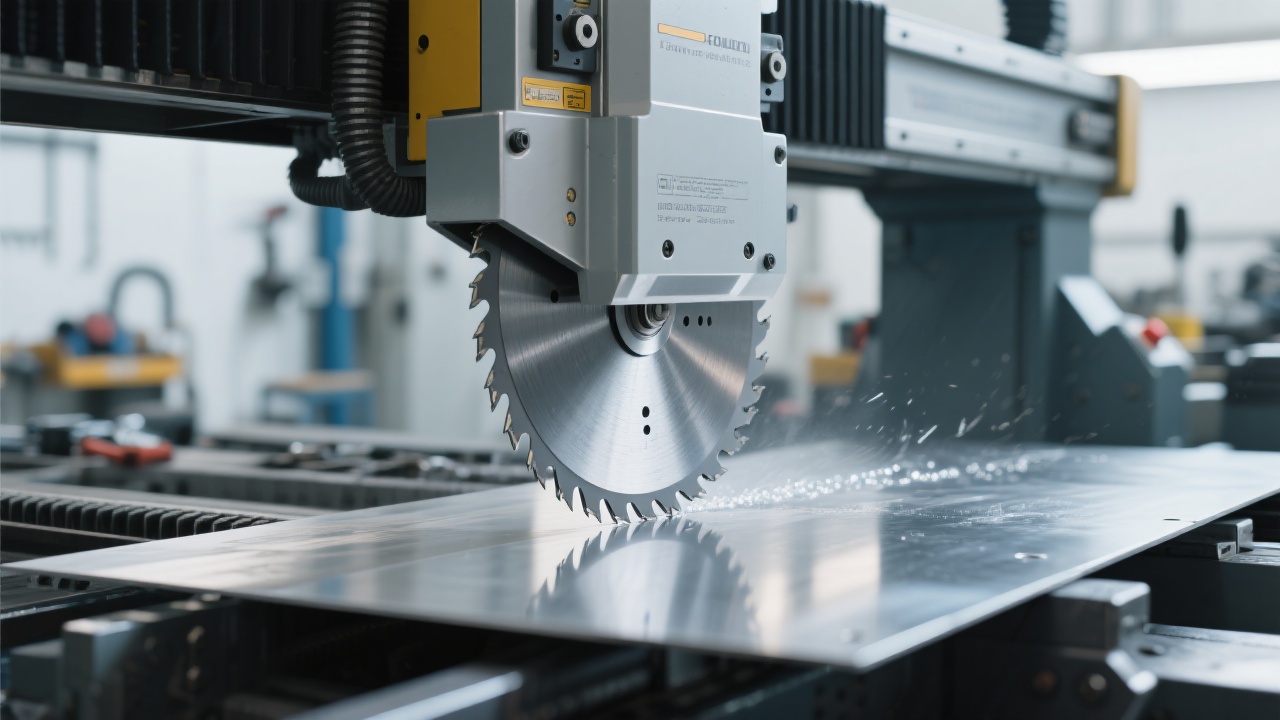
The core is the “suspension system” of a blade. An extra-thick high-manganese steel base improves stiffness and impact tolerance, helping the rim stay aligned when the operator transitions from entry to full engagement.
In practical terms, higher rigidity may deliver:
Operational factor
What changes with a stiffer core
Why it matters for ceramics
Blade wander / side deflection
Reduced under steady feed
Less edge breakout and straighter kerf
Vibration transfer to tile
Lower, more stable cut feel
Helps reduce micro-cracks on brittle surfaces
Heat tolerance in continuous cutting
Better stability when conditions fluctuate
Reduces risk of glazing and uneven wear
For buyers comparing options, this is also a compliance and safety conversation: rigidity supports controlled tracking, which supports safer handling—especially on handheld equipment where operator variability is higher.
Application Fit: Construction, Home Renovation, and Industrial Ceramics
A high-precision brazed diamond blade is not a “one-size-fits-all miracle.” It performs best when the work pattern values throughput and surface integrity, and when the cutting setup is reasonably stable. Typical high-value use cases include:
Construction sites: faster passes with lower operator strain
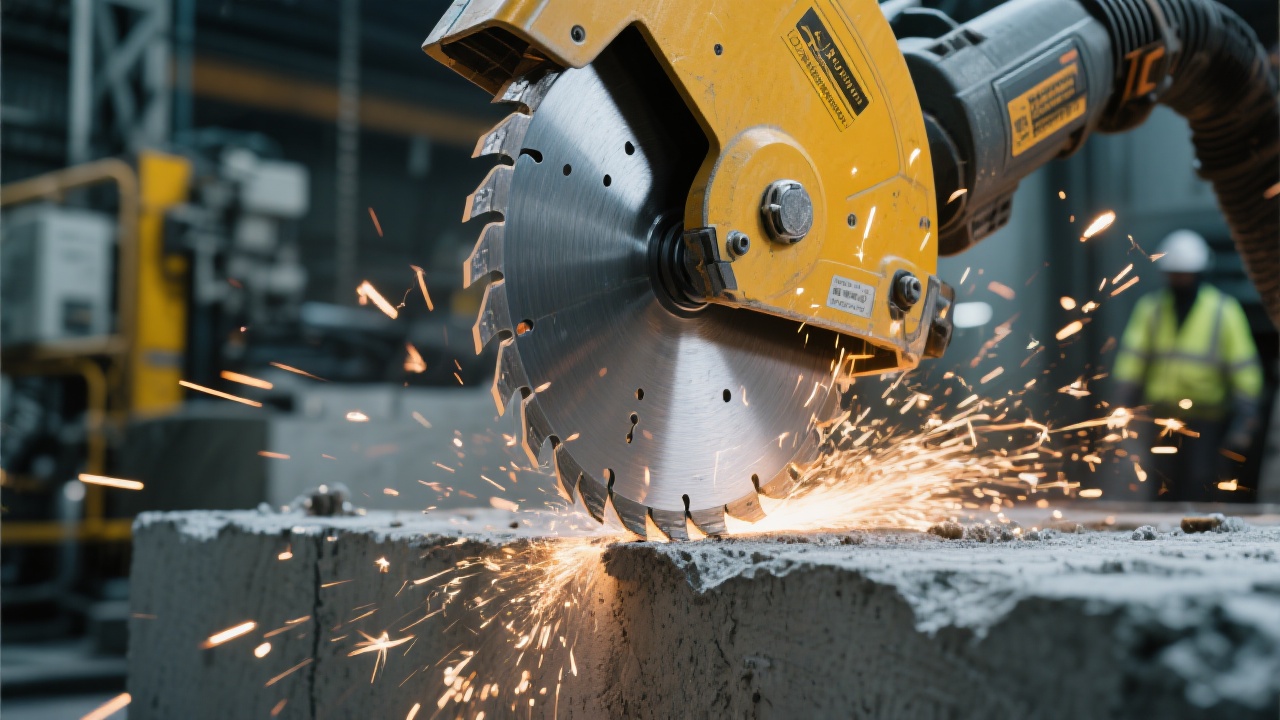
Crews cutting porcelain tiles and hard wall/floor ceramics often see the biggest gain from reduced “slow-down moments.” A blade that stays aggressive can lower the tendency to over-press—one of the most common causes of chipping and wrist fatigue.
Home renovation shops: cleaner finish, fewer returns
Small shops live and die by rework time. A steadier blade helps deliver a cleaner edge on visible cuts, reducing customer complaints and minimizing the need for edge dressing.
Industrial ceramic processing: stability and repeatability
On denser engineered ceramics, stability is often more important than raw speed. A rigid high-manganese steel base supports repeatability, which makes planning and QA easier—especially when batches must stay consistent.
Maintenance & Parameter Guide (Built for Real Workflows)
The most expensive blade is the one that fails early because the process is uncontrolled. The checklist below is designed for teams who want repeatable ceramic cutting quality, not just “good days.”
1) Set cutting parameters to protect the rim (and the operator)
Item
Recommended starting point (typical ceramic tile)
If you see chipping…
If you see glazing / burn marks…
Feed pressure
Light-to-moderate, steady
Reduce pressure; stabilize entry; avoid “push bursts”
Increase coolant/airflow; reduce dwell time
RPM (handheld range)
8,000–12,000 RPM (tool-dependent)
Slightly reduce RPM or increase feed consistency
Check RPM stability; ensure adequate cooling
Cut mode
Continuous pass; avoid rocking
Use a scoring pass (1–2 mm) then full pass
Avoid pausing in-cut; keep motion continuous
Dry vs wet
Wet preferred for dense ceramics
Wet cutting or add dust extraction + scoring
Wet cutting strongly recommended
Dust control is not just housekeeping. Ceramic dust (including silica in some materials) can be hazardous. In many workplaces, switching from uncontrolled dry cutting to wet cutting plus extraction can reduce airborne dust dramatically—often by 50–80% depending on enclosure and airflow.
2) Optimize the environment: stability beats strength
Clamp and support: unsupported tile edges are a top cause of breakout; support both sides of the kerf.
Coolant discipline: keep flow consistent; intermittent cooling can create thermal cycling and uneven wear.
Machine alignment: check flange cleanliness and runout; even small wobble can amplify chipping.
Operator training: standardize entry technique; most chipping happens at entry/exit, not in the middle.
3) Routine inspection: 3 minutes that protect the whole shift
A practical inspection routine (daily or per shift) prevents “mystery failures.” Recommended checks:
Rim condition: look for missing grit clusters, localized smoothing, or uneven wear zones.
Core flatness and cracks: inspect around the arbor hole and expansion slots (if present).
Flange and mounting: clean mating surfaces; confirm correct tightening torque per tool guidance.
Cut quality log: track chipping rate and cutting time per meter; performance trends show issues early.
If cut speed drops noticeably or the blade starts “singing,” the cause is often a process issue (runout, pressure spikes, poor cooling) rather than the blade itself.
A Field-Style Example (What Good Looks Like)
A mid-size tile workshop processing dense porcelain introduced a high-precision brazed blade with an extra-thick high-manganese steel base and standardized two-step cutting (a shallow scoring pass followed by a full pass). With wet cutting and basic dust extraction:
Throughput
Average cutting time per meter improved by ~22% once operators stopped compensating with excessive pressure and kept feed consistent.
Edge quality
Visible edge chipping incidents dropped from about 8 per 100 cuts to about 4 per 100 cuts, reducing rework and touch-up time.
Dust & cleanup burden
Switching to wet cutting plus extraction reduced visible dust accumulation and shortened end-of-day cleanup—an operational win that also supported a healthier workspace.
Does a brazed diamond blade always cut faster than a bonded blade?
Not always. Brazed blades often feel more aggressive due to higher diamond exposure, but the “fastest” outcome depends on machine stability, coolant/dust control, and the ceramic’s density and glaze. In many ceramic tile workflows, speed improves when the blade stays sharp and tracking remains stable over time.
What is the most common reason for early blade wear?
Pressure spikes and heat. When operators push harder to “force” speed, the rim runs hotter and wears unevenly, increasing chipping risk. Standardizing entry, feed, and cooling usually extends service life more than any single change.
What information helps select the right blade specification?
Ceramic type (porcelain, glazed, engineered), thickness, machine RPM, wet/dry preference, expected daily meters of cut, and the edge quality requirement. With those inputs, suppliers can recommend diameter, rim design, and core thickness more accurately.
If you want, you can share your ceramic type, tool model, and wet/dry setup—then the cutting parameters and maintenance cadence can be tailored more precisely for your line.
Want Cleaner Cuts and a More Predictable Shift?
UHD focuses on high-precision brazed diamond saw blades engineered for ceramic cutting stability—combining wear-resistant diamond grit with an extra-thick high-manganese steel base for steady tracking, reduced chipping risk, and easier process control.


.png?x-oss-process=image/resize,h_1000,m_lfit/format,webp)
.png?x-oss-process=image/resize,h_1000,m_lfit/format,webp)