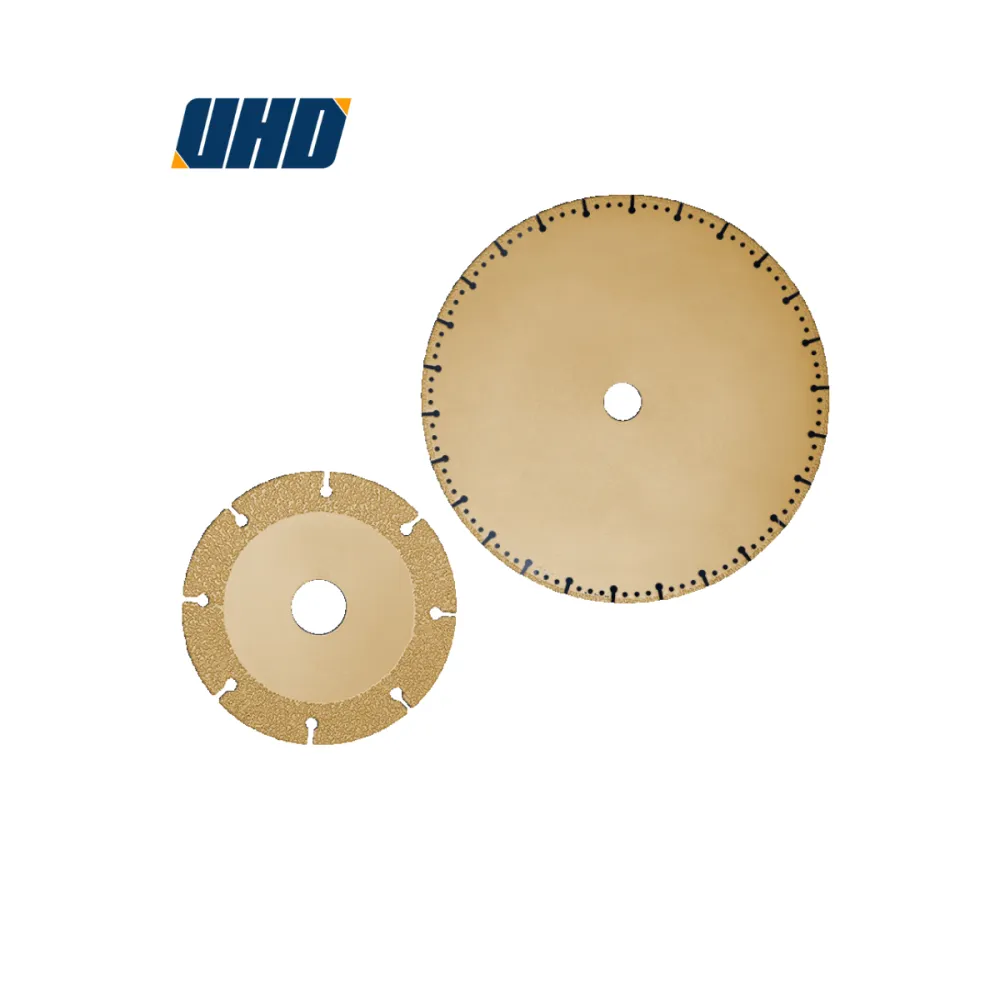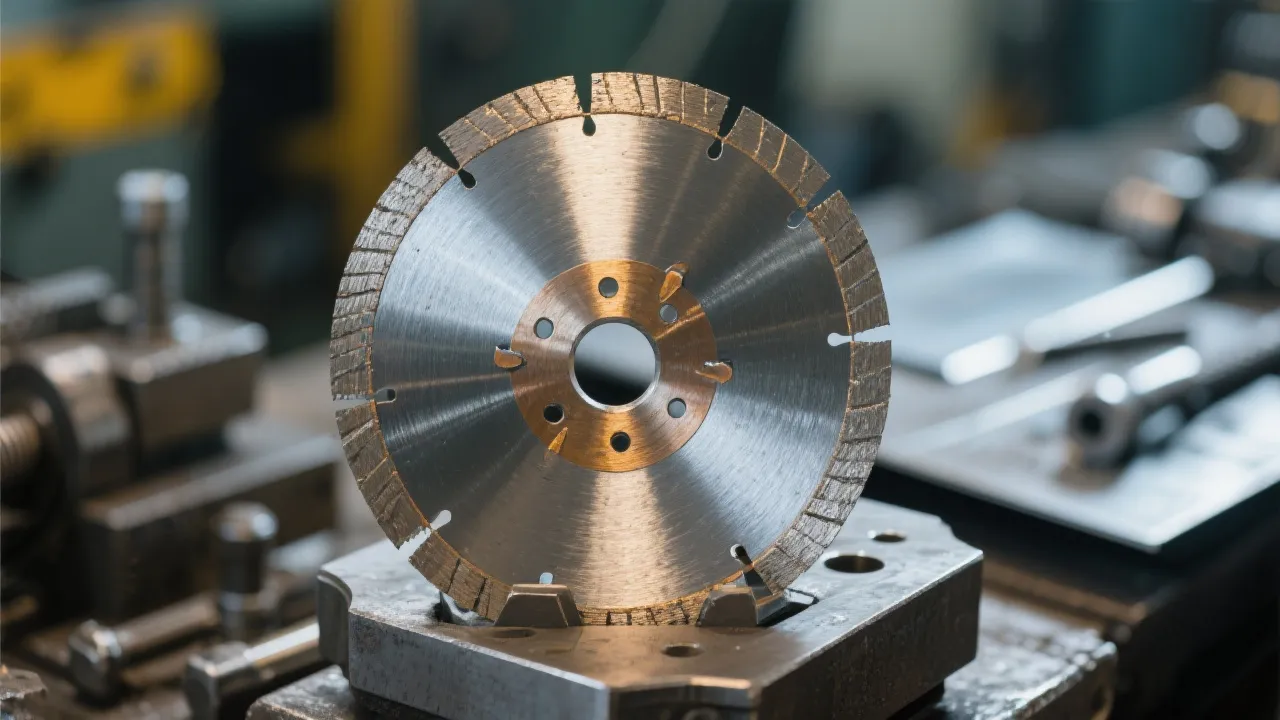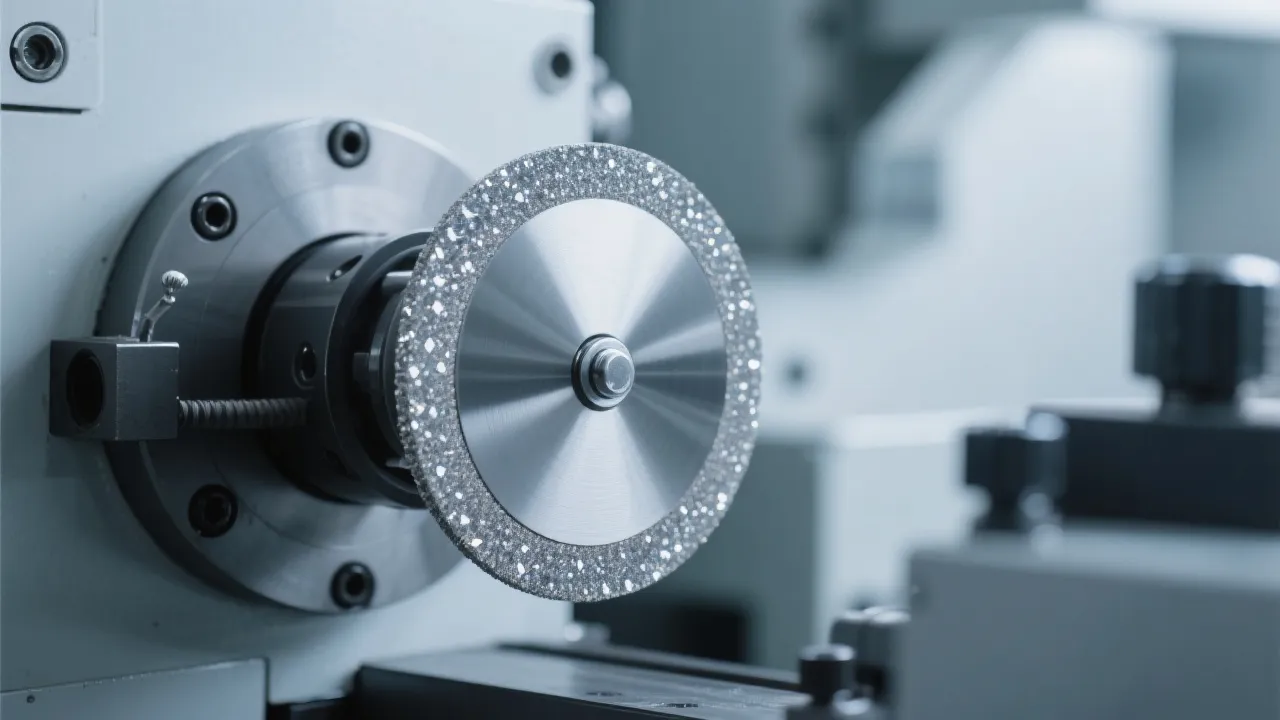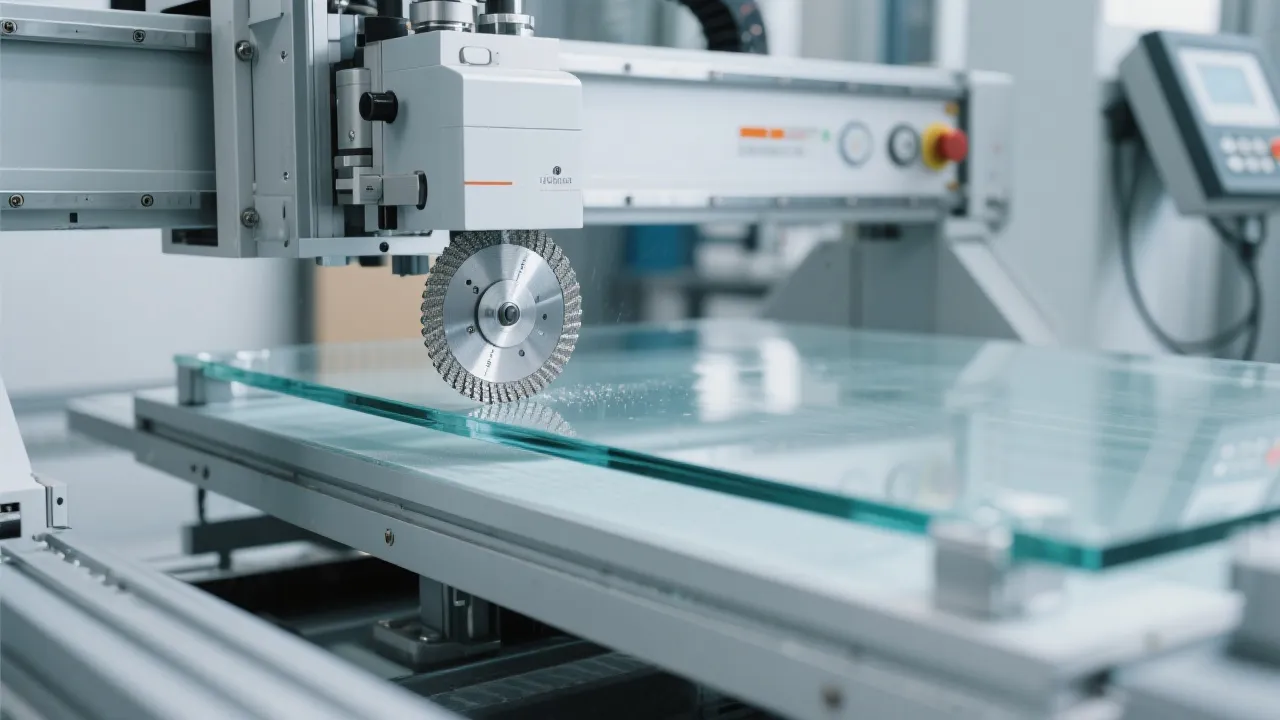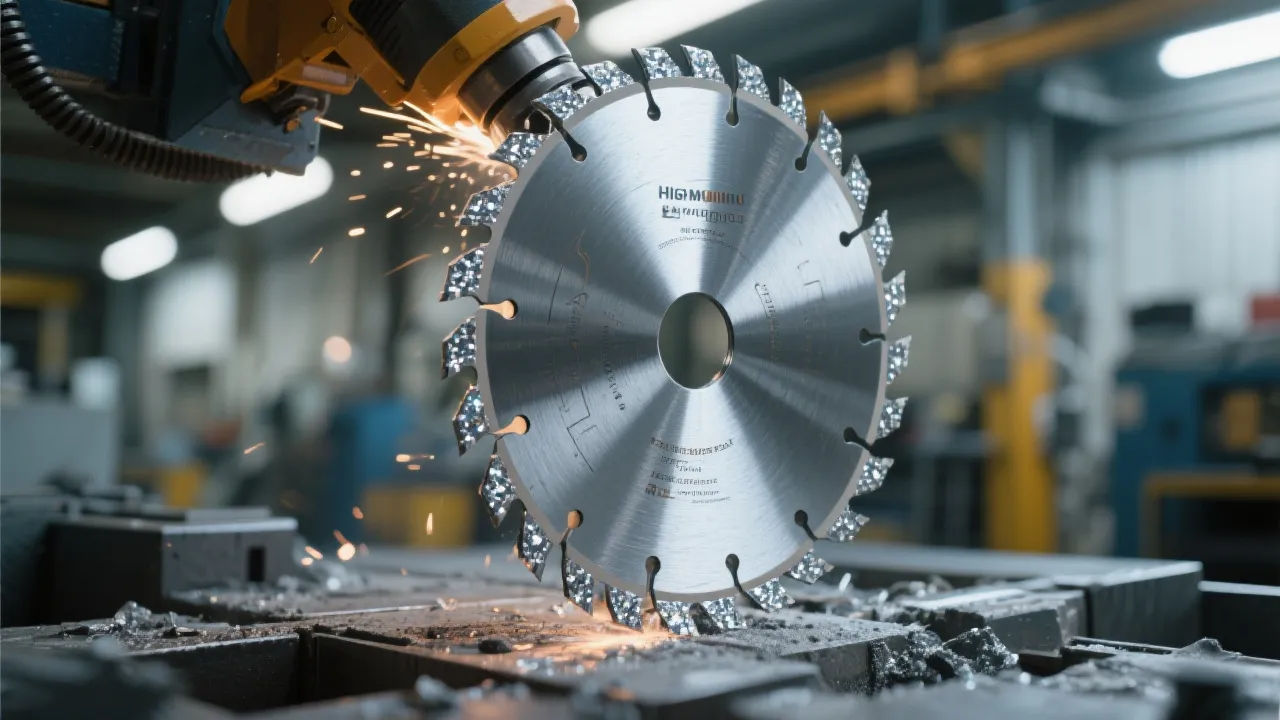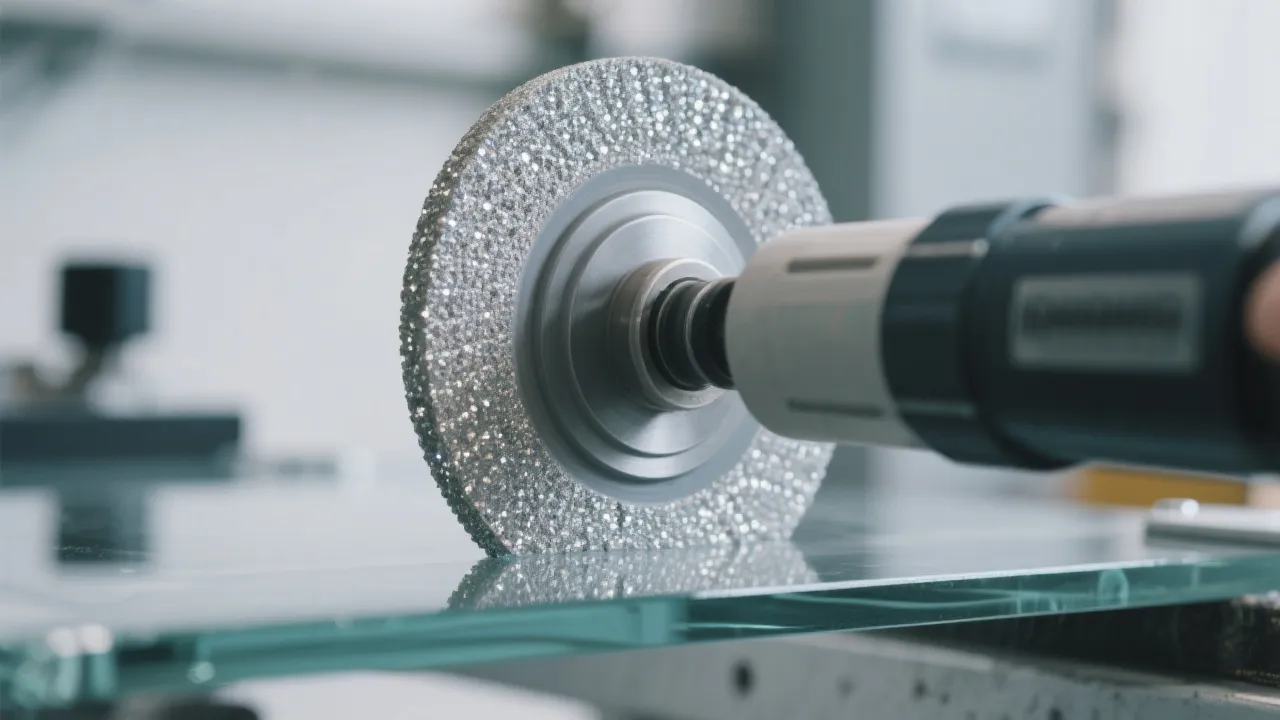
In concrete and stone cutting, the blade is not a “consumable detail”—it dictates job speed, finish quality, operator comfort, and downtime. For contractors and fabricators who run a 400mm (16") blade on hand-held or walk-behind equipment, the most costly failure pattern is predictable: segments wear too fast, vibration increases, heat rises, and the cut quality collapses. This is where brazed diamond saw blade technology becomes a practical upgrade, not just a premium feature.
Most buyers don’t start by asking for a “technology.” They start with symptoms: frequent blade changes, uneven kerf, micro-chipping on edges, or the machine “walking” under load. In many sites, the root cause is not just diamond quality—it’s how the diamond is bonded and supported.
Technical note (in plain terms): brazing forms a stronger metallic bond between the diamond layer and the steel core than common low-temperature joining. Under high load, this bond stability helps keep cutting points engaged instead of “peeling off” early—especially when heat and vibration are present.
For a 400mm concrete cutting saw blade, stability at the rim is everything. When the bonding is weak, the blade loses diamonds faster, forcing operators to push harder—creating a cycle of heat, glazing, and accelerated wear.
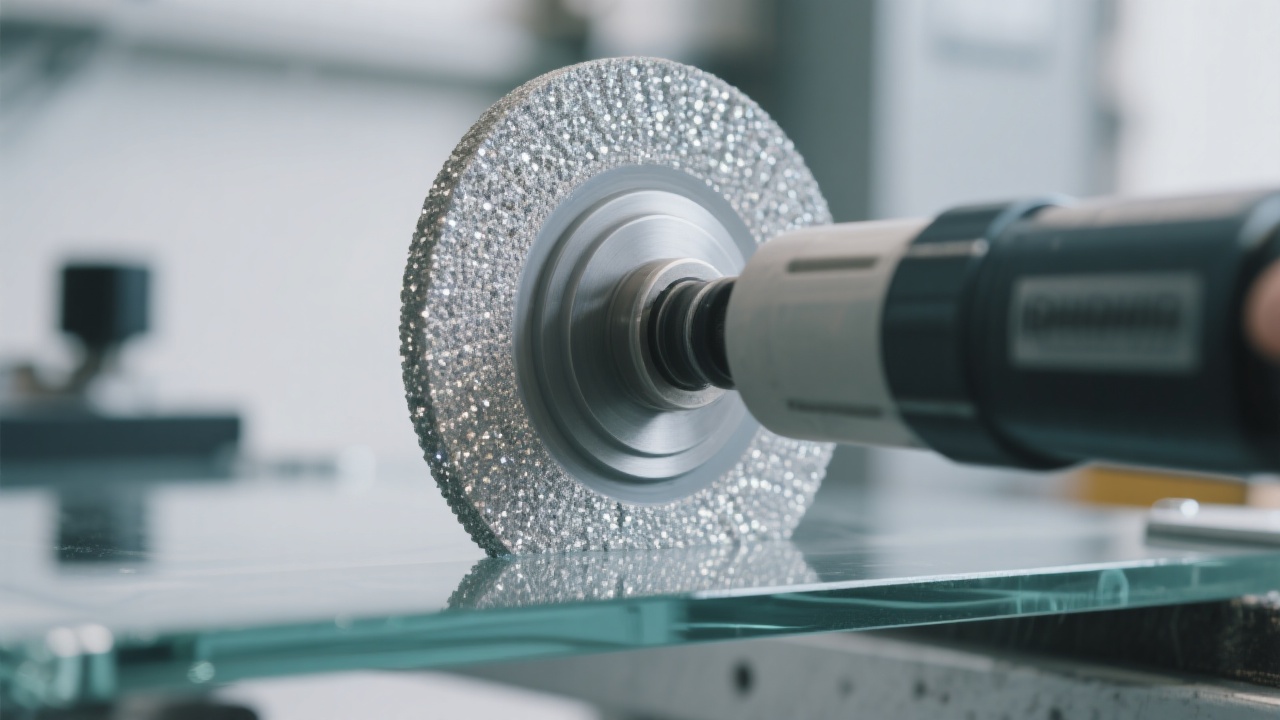
On real jobs, “longer life” isn’t measured in lab hours—it’s measured in linear meters cut, the number of blade swaps avoided, and the consistency of feed rate. In field comparisons reported by contractors using similar machine power and operator technique, brazed blades commonly deliver a 25–45% longer effective cutting life versus standard alternatives in reinforced or high-aggregate concrete—mainly due to improved diamond retention and steadier exposure of sharp cutting points.
For buyers evaluating UHD options, the real differentiator is whether the blade keeps a stable cutting rhythm over time—especially after the first heat cycles, when weak bonds typically reveal themselves.
Vibration is not only uncomfortable—it’s expensive. Higher vibration increases kerf wandering, accelerates bearing wear, and raises the chance of micro-cracks in the blade body. A well-engineered brazed diamond blade typically pairs strong rim bonding with stiffness-balanced core design, so the blade tracks straight instead of oscillating.
For decision-makers, the safety value is just as important as productivity: a lower-vibration blade reduces operator fatigue and helps maintain control when cutting overhead, near corners, or in confined spaces.
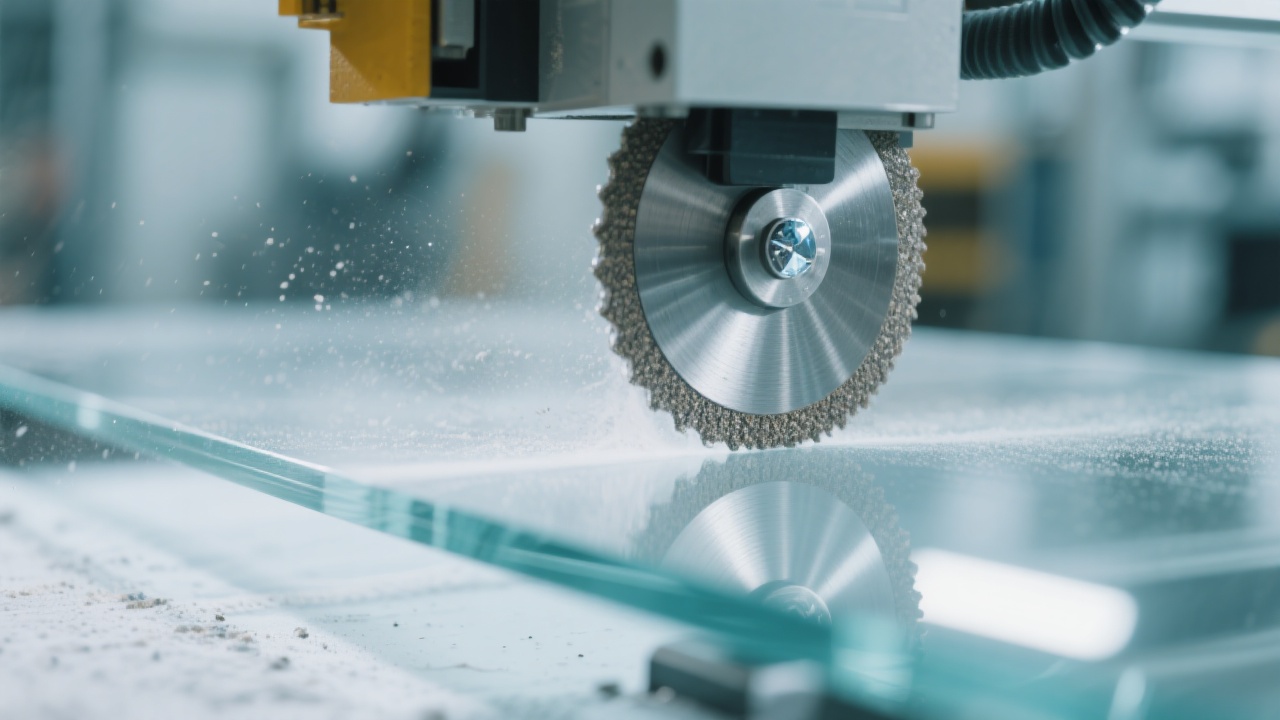
Heat is the silent killer in hard-material cutting. When the rim temperature rises, diamonds can glaze, the steel core can distort, and bond strength can degrade over repeated cycles. In demanding concrete work, rim temperatures can exceed 250–400°C during aggressive dry cutting; even with wet cutting, thermal spikes still happen at segment entry/exit and during pauses.
Material check → confirm rebar probability / aggregate hardness → Method selection (wet preferred for long runs) → Feed tuning (steady pressure, avoid stalling) → Cooling discipline (continuous water flow or timed relief cuts) → Post-cut inspection (rim discoloration, wobble, missing diamonds)
A blade with an advanced heat-dissipation concept—paired with correct cutting parameters—can deliver noticeably longer consistency. Many teams report that once overheating is controlled, the blade stops “going dull suddenly,” and performance becomes predictable shift after shift.
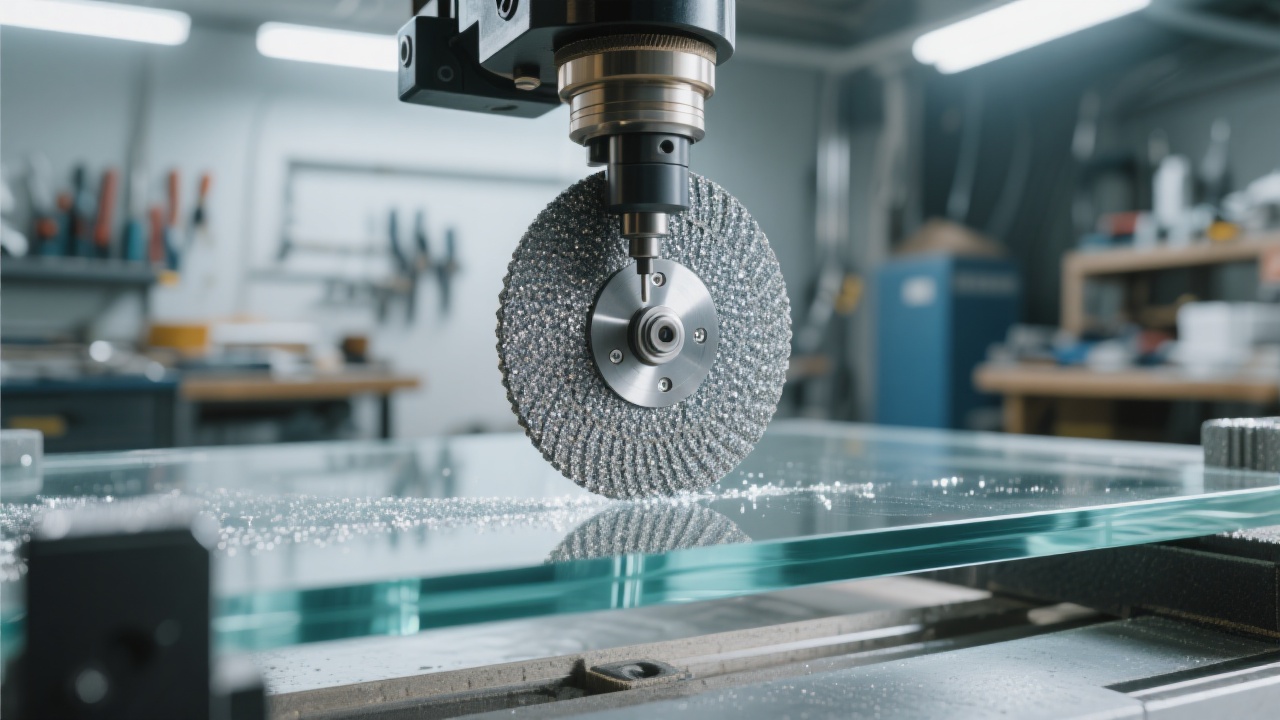
Concrete is not “one material.” A high-silica aggregate can behave closer to stone than standard slab mix. For 400mm blades, stability matters because the diameter amplifies any imbalance. In practice, brazed diamond blades often show stronger value when the job includes dense aggregate, cured concrete, or frequent start-stop cuts.
Stone rewards sharp, stable cutting points and punishes heat. If chipping is the complaint, the solution is rarely “more power.” It’s more often better diamond exposure and a rim that stays true under load. A brazed construction helps maintain consistent cutting behavior, reducing edge damage and rework.
Ceramics crack when vibration and micro-impact rise. A low-vibration architecture combined with stable diamond retention supports smoother entries and exits, helping operators keep edges clean—especially on long straight cuts where small oscillations become visible defects.
Industrial buyers typically don’t want “a good blade.” They want repeatable batches. That means controlled diamond sourcing, process stability in brazing, and verification of blade balance and runout. In professional procurement, the most useful checks are the ones tied to field outcomes: cut straightness, segment loss rate, and heat-related distortion.
UHD supports buyers who want to standardize performance across crews and sites, especially when blade selection impacts project timelines and safety audits.
If your team is battling premature wear, unstable cutting, or heat-related dulling, a properly specified 400mm brazed diamond concrete cutting saw blade can be a straightforward productivity upgrade. Many users target outcomes like up to 40% longer blade life and more consistent feed rate—without pushing machines or operators harder.
Request application guidance for concrete, stone, or ceramic—share your machine model and material type for a faster recommendation.
It can be, especially for intermittent dry cuts and dense materials, because stronger diamond retention helps maintain cutting points. However, heat control is still critical—continuous dry cutting at aggressive feed rates can overheat any blade. Wet cutting is recommended for longer runs when possible.
Common reasons include uneven rim wear from inconsistent feed pressure, overheating that distorts the core, or diamond loss creating imbalance. A low-vibration architecture helps, but correct operating technique (steady pressure, no stalling) is just as important.
Use the same machine, same operator, and the same material section. Track meters cut until the feed rate drops noticeably or edge quality degrades. Also record how many times the operator had to increase pressure—this often reveals early glazing or heat issues.
In the end, the best blade is the one that keeps cutting predictably—quietly, straight, and at a steady pace—so crews can focus on production instead of troubleshooting.
.png?x-oss-process=image/resize,h_1000,m_lfit/format,webp)


.png?x-oss-process=image/resize,h_1000,m_lfit/format,webp)